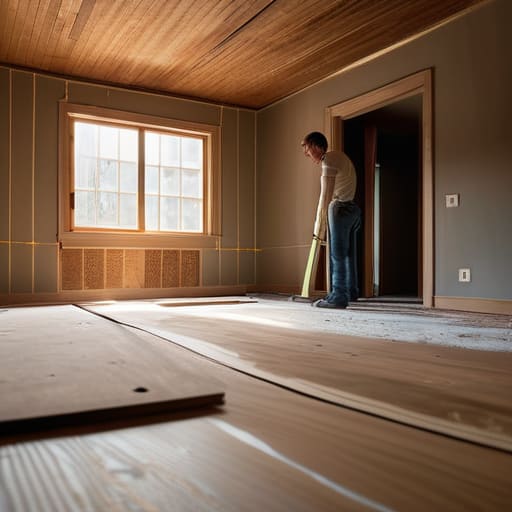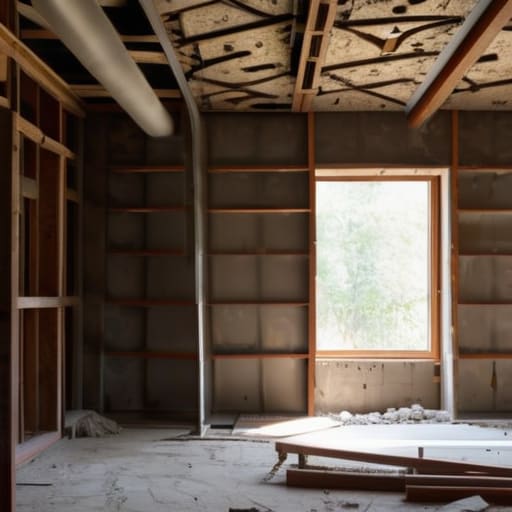
I still remember the smell of damp drywall and old cigarette smoke from my first “dream” fixer-upper—the one where I realized my spreadsheet was a work of fiction. I stood in that gutted living room, staring at a massive, unexpected mold colony behind a freshly stripped wall, and felt my stomach drop. That was the moment I stopped looking at renovation through rose-colored glasses and started respecting the actual property flipping risks that can turn a profitable project into a financial sinkhole. Most gurus will tell you that success is just about picking the right paint color, but they aren’t the ones standing in a flooded basement at 2:00 AM on a Tuesday.
I’m not here to sell you a fantasy of effortless wealth or a “get rich quick” scheme. My goal is to give you the unfiltered reality of what happens when things go sideways on a job site. I’m going to walk you through the structural, financial, and logistical landmines that I’ve personally stepped on, so you don’t have to. We’re going to talk about how to spot the red flags before you sign the closing papers and how to build a margin for error that actually protects your equity.
Table of Contents
- Avoiding the Trap of Hidden Renovation Costs
- Why Your Exit Strategy Planning Must Be Bulletproof
- Five Ways to Protect Your Skin (and Your Wallet) from a Bad Flip
- The Bottom Line: Protecting Your Profit Margin
- ## The Real Cost of Optimism
- Don't Let the Dust Settle Without a Plan
- Frequently Asked Questions
Avoiding the Trap of Hidden Renovation Costs
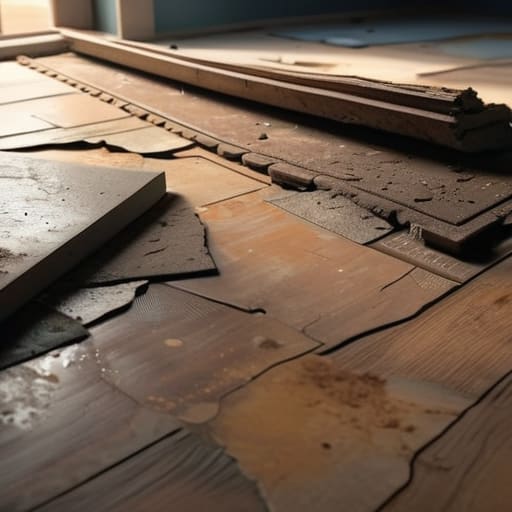
There is nothing quite like the sinking feeling of pulling back a piece of old linoleum only to find a subfloor that’s more rot than wood. I’ve been there, standing in a dusty kitchen with my laser measurer in hand, realizing my initial budget was a total fantasy. This is where most beginners lose their shirts: they treat their renovation estimates like a suggestion rather than a strict limit. To survive this, you have to prioritize contingency fund importance above everything else. I never step onto a job site without a buffer of at least 15-20% set aside specifically for the “unknown unknowns.”
If you don’t account for these hidden renovation costs early on, you aren’t just renovating a house; you’re gambling with your own liquidity. It isn’t just about the price of new quartz countertops; it’s about the electrical panel that needs an immediate upgrade because the previous owner bypassed code. If your margins are razor-thin, a single plumbing catastrophe can turn a profitable flip into a massive liability. Always assume the worst-case scenario is lurking behind the drywall.
Why Your Exit Strategy Planning Must Be Bulletproof
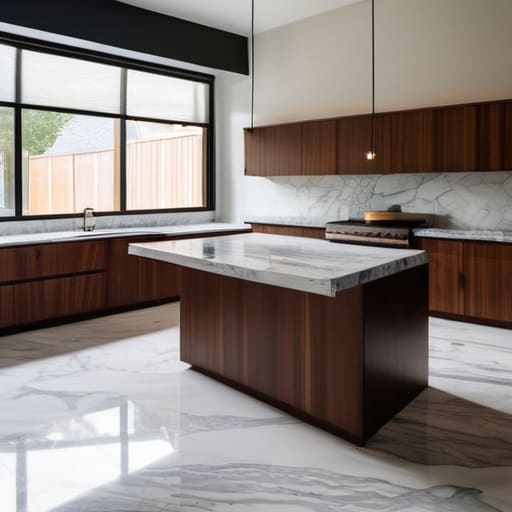
You can have the most stunning mid-century modern kitchen in the zip code, but if you don’t have a clear way out, you’re just playing house with your life savings. Most rookies focus entirely on the “in” part of the deal—the acquisition and the demo—but they completely neglect their exit strategy planning. You need to know exactly what you’re going to do if the house doesn’t sell in thirty days. Are you pivoting to a long-term rental to cover your debt service, or do you have the liquid cash to ride out a slow market?
The reality is that a sudden property market downturn can turn a quick flip into a heavy financial anchor overnight. If your only plan is “sell for a profit,” you are gambling, not investing. I always tell my clients to prepare for the worst-case scenario by calculating their real estate capital requirements for at least six months of holding costs. If you can’t afford to sit on the property while the market recalibrates, you shouldn’t be in the deal. Build a safety net before you ever pick up a sledgehammer.
Five Ways to Protect Your Skin (and Your Wallet) from a Bad Flip
- Vet your contractors like you’re hiring a business partner, not a temp. I’ve seen too many rookies take the cheapest bid only to realize three weeks in that the crew is ghosting them or doing subpar work that requires a total redo.
- Build a “disaster buffer” into your budget that isn’t just a polite suggestion. If you think you need 10% for contingencies, bump it to 20%—because when you open up a wall and find outdated wiring or rot, you’re going to need that extra cushion to keep the project moving.
- Don’t get blinded by “pretty” and ignore the bones. A gorgeous mid-century sideboard won’t distract a buyer from a sloping floor or a failing roof, so make sure your inspections are deep enough to catch the structural issues that kill your profit margins.
- Watch the market cycle like a hawk, not just the house. It doesn’t matter how perfect your renovation is if interest rates spike or local inventory surges right as you’re hitting the market; you need to know if you’re selling into a breeze or a gale.
- Master the art of the “micro-renovation” to avoid over-improving. I’ve seen investors dump high-end marble into a neighborhood that only supports quartz, and that’s just leaving money on the table—know exactly what the local ceiling is before you start picking finishes.
The Bottom Line: Protecting Your Profit Margin
Never trust a “quick glance” estimate; always buffer your renovation budget with a 15% contingency fund to catch the surprises lurking behind those old drywall sheets.
Your exit strategy isn’t just a backup plan—it’s your lifeline, so know exactly when to pivot from a flip to a rental if the market shifts mid-rehab.
Focus your capital on high-ROI structural and aesthetic upgrades rather than chasing expensive, niche trends that won’t actually move the needle on your final sale price.
## The Real Cost of Optimism
“In this game, optimism is a tool, but blind hope is a liability; if you aren’t accounting for the worst-case scenario in your budget, you aren’t investing, you’re just gambling with your own equity.”
Gareth Trelawny
Don't Let the Dust Settle Without a Plan

At the end of the day, flipping isn’t about gambling; it’s about calculated moves. We’ve talked about how easily a project can spiral when you ignore the unseen costs lurking behind a fresh coat of paint, and why having a rock-solid exit strategy is the only thing standing between a successful flip and a total financial sinkhole. You have to respect the math and respect the mess. If you aren’t accounting for the structural surprises or the shifting market trends, you aren’t investing—you’re just hoping for the best, and in this business, hope is not a strategy.
Look, I know the idea of staring down a gutted kitchen or a failing HVAC system can feel overwhelming, but that’s exactly where the profit lives. Every cracked tile and outdated electrical panel is just an opportunity to build more equity if you have the grit to face it. Don’t let the fear of a messy renovation keep you on the sidelines while others are building their portfolios. Grab your tape measure, do your due diligence, and start turning those crumbling walls into the foundation of your future. The equity is out there waiting for someone with the eyes to see it.
Frequently Asked Questions
How much of a contingency fund should I actually set aside for those "surprise" issues that pop up once the walls are actually opened?
Look, if you’re banking on a 5% contingency, you’re playing a dangerous game. In my experience, especially with those older fixer-uppers I love, you need at least 15% to 20% set aside. Once you tear down that drywall and find outdated wiring or unexpected rot, that 5% will vanish in a single afternoon. Treat that fund as non-negotiable; it’s the only thing standing between a profitable flip and a total financial sinkhole.
At what point does a renovation stop being a "fixer-upper" and start becoming a money pit that's no longer worth the flip?
You know you’ve crossed the line when the math stops making sense. It’s not just about a few extra trips to the hardware store; it’s when the structural issues—think foundation shifts or outdated wiring—start eating into your projected profit margin. If the cost to bring a house up to code exceeds the value that those repairs actually add to the final sale price, walk away. Don’t let ego turn a smart flip into a sunk cost.
How do I balance high-end design upgrades with the reality of staying within a budget that protects my eventual profit margin?
Look, I get the temptation to go all-out on those custom marble countertops, but you have to stop designing for your own dream home and start designing for the buyer. I follow a “high-impact, low-cost” rule. Spend your money where it’s visible—like updated lighting or sleek hardware—but don’t blow your margin on luxury finishes that won’t actually raise the appraisal. Design for the neighborhood’s ceiling, not beyond it.