
I remember standing in the middle of a gutted warehouse last spring, the smell of damp concrete and old diesel heavy in the air, clutching my laser measurer like a lifeline. Most people looked at that space and saw a liability—a dark, drafty shell that was one bad inspection away from a total loss. But as I traced the lines of the exposed brick, I didn’t see a disaster; I saw the foundation of a high-yield asset. That’s the thing about commercial property investing: the mainstream gurus want you to believe you need a massive corporate fund or a silver spoon to play in this league, but they’re wrong. The real opportunities aren’t found in pristine glass towers; they’re hidden in the grit and the grime of properties that everyone else is too afraid to touch.
I’m not here to feed you the polished, unrealistic fantasies you see on social media. My goal is to pull back the curtain and show you how to actually navigate the messy reality of commercial property investing without losing your mind or your shirt. I’ll be sharing the unfiltered, boots-on-the-ground strategies I use to identify undervalued spaces and turn structural headaches into long-term equity. If you’re ready to stop chasing hype and start building something tangible, let’s get to work.
Table of Contents
- Spotting Market Trends in Broken Windows and Cracked Concrete
- Industrial vs Retail Property Where the Real Equity Hides
- My Rules for Not Getting Burned in the Commercial Game
- The Bottom Line: Turning Chaos into Capital
- The Equity in the Ugly
- From Cracked Concrete to Solid Equity
- Frequently Asked Questions
Spotting Market Trends in Broken Windows and Cracked Concrete

When I’m walking through a distressed warehouse or a vacant strip mall, I’m not looking at the boarded-up windows or the spiderweb cracks in the foundation as mere liabilities. I see them as data points. Most people see a mess; I see a way to predict where the commercial real estate market trends are heading. For instance, if I see a cluster of aging industrial spaces in a specific zip code, I don’t just see decay—I see an opportunity to pivot toward high-demand logistics hubs.
It’s about looking past the surface damage to see the bones of the asset. A cracked parking lot is a headache, sure, but it’s a much easier fix than a structural failure in a retail unit. I always weigh the industrial vs retail property landscape before I commit. Industrial assets often offer more straightforward long-term stability, whereas retail requires a much sharper eye for foot traffic and tenant longevity. You have to be able to look at a crumbling facade and calculate whether the cost of the rehab will actually drive up your yield, or if you’re just throwing good money after bad.
Industrial vs Retail Property Where the Real Equity Hides
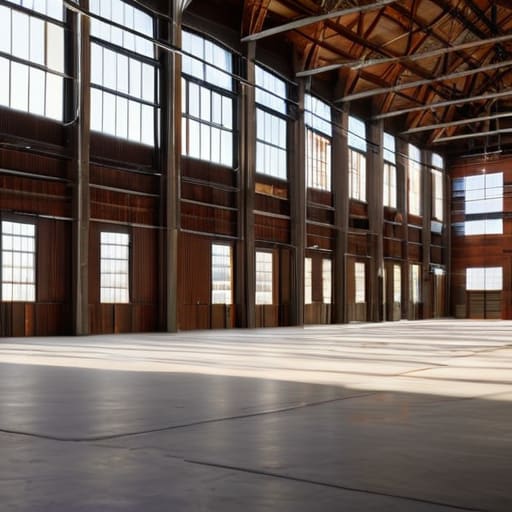
When you’re staring at a distressed asset, the first question you have to ask is whether you’re looking at a warehouse or a storefront. In the current landscape of industrial vs retail property, the math tells two very different stories. I tend to lean toward industrial spaces—think old manufacturing hubs or distribution centers—because they are generally more forgiving. The layouts are often open, meaning I don’t have to sweat the small stuff like intricate plumbing or delicate retail finishes. You’re essentially selling square footage and functionality, which makes the renovation process much more predictable.
Retail, on the other hand, is a high-stakes game of aesthetics and foot traffic. If you snag a corner unit with great visibility, the upside is massive, but you’re also dealing with complex commercial lease structures that can make or break your stability. While a retail flip might offer a quicker adrenaline rush, industrial assets often provide a more stable foundation for long-term wealth. I always tell my clients to look past the surface; sometimes, a boring, windowless warehouse is actually a goldmine of steady cash flow compared to a trendy but fickle boutique space.
My Rules for Not Getting Burned in the Commercial Game
- Look past the ugly facade and audit the bones; I’ve seen more money lost to bad plumbing and structural rot than I ever have to bad market trends.
- Focus on the “highest and best use” rather than what the building currently is—if a dusty warehouse can be rezoned for trendy loft offices, that’s your profit margin right there.
- Don’t fall in love with the aesthetic; check the zoning laws and local ordinances like they’re your job, because a beautiful building is worthless if you can’t legally change its purpose.
- Always build a massive contingency fund into your rehab budget, because in commercial spaces, the moment you open up a wall, you’re going to find something unexpected and expensive.
- Prioritize tenant versatility; I always look for layouts that can easily pivot from a small retail boutique to a service-based office so I’m not left with a massive, empty shell if one industry dips.
The Bottom Line: Turning Chaos into Capital
Stop looking for polished storefronts; the highest margins are buried in the properties everyone else is too intimidated to touch.
Know your niche before you swing a hammer—industrial spaces offer different scalability than retail, so don’t mix up your renovation strategy.
Success in commercial flipping isn’t about aesthetic perfection, it’s about identifying structural potential and driving equity through smart, strategic rehabs.
The Equity in the Ugly
“Most people walk past a boarded-up storefront and see a liability, but I see a blueprint. In commercial investing, your profit isn’t found in the polished lobby; it’s hidden behind the peeling paint and the structural headaches that everyone else is too afraid to touch.”
Gareth Trelawny
From Cracked Concrete to Solid Equity

At the end of the day, commercial property investing isn’t about finding a perfect, turnkey building; it’s about having the vision to see past the decay. We’ve talked about how to read market trends through the lens of physical deterioration and why choosing between industrial and retail spaces can fundamentally change your ROI. Whether you are eyeing a dusty warehouse or a retail strip with outdated storefronts, the goal remains the same: identify the structural potential and execute a strategic rehab that maximizes value. It’s a game of numbers, grit, and knowing exactly where the hidden equity is buried under those layers of old paint and cracked pavement.
I know it can feel overwhelming when you’re standing in a vacant, echoing space with a handful of blueprints and a lot of questions. But remember, every massive real estate empire started with a single, messy project. Don’t let the dust and the daunting repair lists intimidate you into staying on the sidelines. If you have the patience to handle the grind and the discipline to follow a smart design plan, you can turn a crumbling asset into a cornerstone of your wealth. Stop waiting for the “perfect” market and start looking for the perfect opportunity hiding in plain sight.
Frequently Asked Questions
How much of a cash cushion do I actually need to set aside for those "hidden" structural surprises that always pop up mid-renovation?
Look, I’ve learned the hard way: if you aren’t budgeting for the “unforeseen,” you aren’t actually budgeting. For commercial flips, I never move a single sledgehammer without a 15-20% contingency fund sitting in a liquid account. That’s not just “extra” money; it’s your survival fund for when you peel back a wall and find outdated wiring or a foundation issue that wasn’t on the inspection. Don’t gamble your equity on a perfect scenario.
Is it better to go after a single large industrial warehouse or a string of smaller retail spaces when I'm first starting to build my portfolio?
If you’re just starting out, don’t chase the massive industrial warehouse. It’s a heavy lift with high stakes; one bad tenant and your cash flow vanishes. I’d lean toward a string of smaller retail spaces. It’s more “hands-on,” sure, but the diversification is your safety net. If one storefront goes dark, the others keep your equity growing. It’s about building momentum and learning the ropes without betting the entire farm on one roof.
How do I figure out if a neighborhood is actually on the rise, or if I'm just looking at a "fixer-upper" that's stuck in a dying market?
Don’t just look at the paint peeling; look at the foot traffic and the “newness” nearby. I always check for signs of gentrification—like a high-end coffee shop moving into a gritty block or new permit filings for nearby commercial builds. If you see local businesses upgrading their facades or new transit lines being planned, that’s a green light. If the only thing moving in is more boarded-up windows, walk away.
