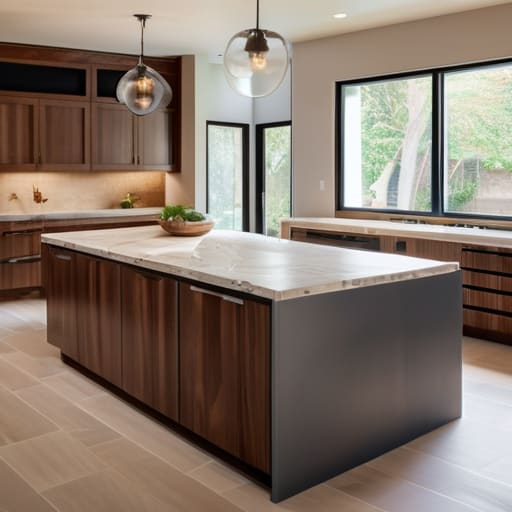
Category: Guides

  • Quick Cosmetic Renovations to Boost Property Value

    Quick Cosmetic Renovations to Boost Property Value

    I was standing in a kitchen last Tuesday that smelled like thirty years of burnt grease and damp drywall, clutching my laser measurer like a lifeline. Most people would have walked out the door, gagged, and written that property off as a total loss. But as I looked past the peeling floral wallpaper and the dated, honey-oak cabinets, I didn’t see a disaster; I saw a massive opportunity for a cosmetic renovation that would yield a ridiculous return on investment. The “experts” on TV will tell you that you need a six-figure budget and a structural engineer to make a house livable, but they’re selling you a fantasy that keeps most people from ever starting.

    I’m not here to give you a polished, Pinterest-perfect guide that ignores the reality of dust, delays, and tight margins. Instead, I’m going to show you how to identify the specific, high-impact changes that actually move the needle on property value without draining your bank account. We’re going to talk about where to spend your sweat equity and, more importantly, where to stop before you start over-improving. This is about turning crumbling walls into solid equity, one strategic update at a time.

    Table of Contents

    Mastering Low Budget Home Improvement for Maximum Gains
    Mastering Low Budget Home Improvement for Maximum Gains

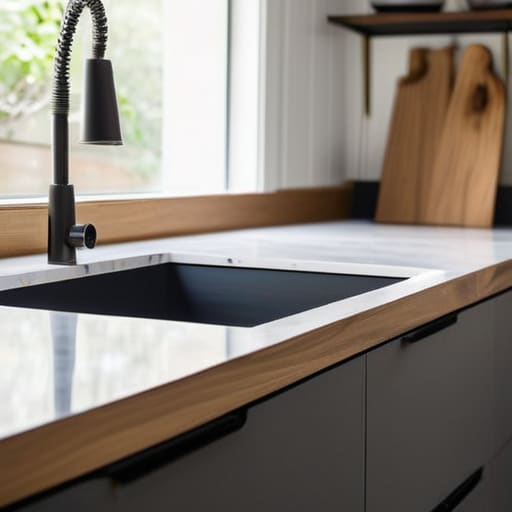
    When you’re working with tight margins, you have to stop thinking about what you want and start thinking about what the market demands. I’ve learned that the secret to high renovation ROI isn’t about buying the most expensive marble countertops; it’s about strategic, high-impact changes that make a buyer feel like they’re walking into a fresh start. I’m talking about things like swapping out dated, brass hardware for matte black fixtures or giving a tired kitchen a facelift with a fresh coat of paint and new pulls. These small, intentional moves are the backbone of low budget home improvement that actually moves the needle on your final sale price.

    Don’t get distracted by fleeting interior design trends that will look dated by next season. Instead, focus on modernizing old spaces by brightening them up. If a room feels like a cave, fix the lighting. If the flooring is scarred, look into high-quality luxury vinyl plank. You want to create a sense of cleanliness and flow. My rule of thumb? If a change doesn’t immediately make the space feel larger, brighter, or more functional, it’s probably not worth your limited capital.

    Spotting Aesthetic Home Upgrades That Drive Real Value
    Spotting Aesthetic Home Upgrades That Drive Real Value

    When I’m walking through a potential flip, I’m not looking at what’s there; I’m looking at what’s hiding underneath. You have to train your eyes to see past the dated wallpaper and the beige-on-beige nightmare. The goal isn’t just to make a room look “pretty”—it’s about modernizing old spaces in a way that hits the sweet spot for the current buyer. I always look for high-impact areas like the kitchen and primary bath. You don’t need a full gut job to see a massive jump in renovation ROI. Sometimes, swapping out dated brass hardware for matte black or brushed nickel, or replacing a heavy, dark countertop with something lighter and more contemporary, is all it takes to signal to a buyer that the house is move-in ready.

    I also pay close attention to light and flow. A dark, cramped hallway can kill a deal, but a fresh coat of paint and updated lighting fixtures can work wonders. I try to stay mindful of current interior design trends, but I avoid anything too “trendy” that might feel dated in two years. Instead, I lean into timeless, clean lines that maximize the sense of space. It’s about making strategic choices that ensure the property stands out in a crowded market.

    My Non-Negotiable Rules for High-Margin Cosmetic Fixes

    • Focus on the “First Impression” zones. I always tell my clients that the entryway and the kitchen are where the money is made. If the front door looks tired or the kitchen feels dated, buyers will mentally write off the whole house before they even see the master suite.
    • Don’t underestimate the power of a fresh coat of paint. It’s the cheapest way to mask years of neglect, but don’t get creative with colors. Stick to a sophisticated, neutral palette—think warm whites or soft greys—that makes the space feel larger and allows buyers to actually see themselves living there.
    • Lighting is your secret weapon for creating atmosphere without a full electrical overhaul. Swap out those dated, yellowing plastic fixtures for something with a bit of character—maybe a matte black industrial pendant or a clean mid-century silhouette. It changes the entire mood of a room for the cost of a trip to the hardware store.
    • Hardware is the jewelry of the home. If I’m working with a tight budget, I’m not replacing cabinets; I’m replacing the handles. Swapping out old, brass pulls for modern, streamlined hardware is a quick win that makes a kitchen look instantly more expensive.
    • Clean up the visual clutter. A renovation isn’t just about adding things; it’s about subtraction. I make sure every surface is clear and every corner is tight. If a space feels cramped or messy, no amount of expensive paint is going to fix the perceived value.

    The Bottom Line: Turning Sweat Equity into Profit

    Don’t get distracted by high-end finishes; focus on the cosmetic upgrades that actually move the needle for buyers, like fresh paint and updated lighting.

    Always keep your laser measurer handy and your budget tighter—knowing your exact dimensions and costs upfront is the only way to prevent a “quick fix” from eating your margins.

    Look past the dated wallpaper and ugly flooring to see the bones; the real money is made in the gap between what the house looks like now and what it could be with a little strategic grit.

    The Real Value of Sweat Equity

    Stop looking at a dated kitchen or peeling wallpaper as a headache; look at them as your profit margin. In this game, the money isn’t made when you sell—it’s made when you decide that a little bit of paint and some new hardware is worth more than the cost of the materials.

    Gareth Trelawny

    Turning Vision into Value

    Turning Vision into Value through strategic renovations.

    At the end of the day, mastering cosmetic renovations isn’t about spending the most money; it’s about knowing exactly where every dollar will work the hardest. We’ve looked at how to prioritize high-impact, low-budget improvements and how to identify those specific aesthetic upgrades that actually move the needle on an appraisal. Whether it’s a fresh coat of paint, updated hardware, or a strategic lighting overhaul, the goal is always the same: maximizing your return on investment while minimizing unnecessary waste. Don’t get distracted by expensive, trendy gadgets that don’t add structural or visual substance. Focus on the smart, strategic wins that make a space feel cohesive and intentional.

    I know that looking at a dated, peeling fixer-upper can feel overwhelming, especially when you’re staring down a mountain of work. But remember, every seasoned investor started exactly where you are right now. The difference between someone who dreams about equity and someone who actually builds it is the willingness to get their hands dirty and see past the surface-level mess. You have the tools and the roadmap; now you just need the grit to execute. Stop waiting for the “perfect” house to fall into your lap and start looking for the hidden potential in the properties everyone else is overlooking. Go out there and build your empire, one renovation at a time.

    Frequently Asked Questions

    How do I know when a "cosmetic" project is actually hiding a structural nightmare behind the drywall?

    That’s the million-dollar question. I always tell my clients: don’t just look at the paint; look at the bones. If you see stair-step cracks in the brickwork, sagging floorboards, or doors that won’t quite latch, walk away. Those aren’t “character”—they’re red flags for foundation issues. I never commit to a cosmetic flip without running my laser measurer and a quick inspection to ensure the walls are actually straight before I start dreaming about new backsplash.

    Is it worth spending more on high-end finishes like quartz countertops, or should I stick to budget-friendly materials to protect my margins?

    Look, I’ve seen too many investors bleed their margins dry trying to build a showroom. If you’re flipping, don’t go overboard. Stick to high-impact, mid-range materials. A clean quartz countertop is a huge selling point, but if you’re paying a premium for exotic veining, you’re just gifting your profit to the supplier. Aim for the “sweet spot”: materials that look expensive in photos but won’t tank your ROI when the dust settles.

    At what point does a renovation stop being a smart upgrade and start becoming "over-improvement" for the neighborhood?

    You’ve hit the nail on the head—this is where most rookies blow their margins. You stop being smart and start over-improving the second your renovation costs exceed the ceiling of what the local comps can support. If you’re dropping $50k on a chef’s kitchen in a neighborhood where the average home sells for $300k, you aren’t building equity; you’re just donating money to your next buyer. Always aim for the neighborhood’s “sweet spot,” not its peak.


  • Common Diy Renovation Projects for Investors

    Common Diy Renovation Projects for Investors

    I still remember the smell of damp drywall and old sawdust clinging to my hair after my first solo project—a cramped bungalow that most people would have called a teardown. I was standing there, covered in dust and clutching my laser measurer like a lifeline, staring at a kitchen that looked like it hadn’t seen a renovation since the seventies. Most people look at a house like that and see a money pit, but I saw something else entirely. They want you to believe that a successful diy renovation requires a massive crew of contractors and a bottomless bank account, but that’s just a marketing myth designed to keep you from building your own wealth.

    I’m not here to sell you on some polished, Pinterest-perfect fantasy where everything goes right on the first try. Real investing is messy, loud, and occasionally frustrating, but that’s exactly where the profit lives. In this guide, I’m going to strip away the fluff and give you the straightforward, tactical advice I use to turn neglected spaces into high-value assets. We’re going to focus on smart design choices and strategic labor so you can stop dreaming about equity and start actually building it.

    Table of Contents

    Smart Renovation Project Planning for the Bold

    Smart Renovation Project Planning for the Bold.

    Before you even pick up a hammer, you need to sit down with a notebook and a realistic mindset. Most people dive into a project headfirst and end up drowning in unexpected costs, but successful renovation project planning is about anticipating the chaos before it hits. I never step onto a job site without a granular breakdown of my materials and labor. You aren’t just playing around with aesthetics; you are managing a business asset. If you can’t map out the timeline, you’re just burning cash.

    For those of you looking at beginner diy home projects, my best advice is to start with the bones. Don’t get distracted by expensive finishes when the electrical or plumbing is questionable. I always prioritize structural integrity and functional upgrades because that’s what actually drives appraisal value. Focus on the high-impact areas—like a kitchen or a primary bath—where strategic changes yield the highest return. It’s about being surgical with your efforts rather than spreading yourself too thin across a house that isn’t ready for it.

    Beginner Diy Home Projects That Actually Build Equity

    Beginner Diy Home Projects That Actually Build Equity

    If you’re just starting out, don’t go out and try to gut a kitchen on day one. That’s a quick way to blow your budget and your confidence. Instead, focus on beginner DIY home projects that offer a high return on investment without requiring a structural engineering degree. I always tell my clients to start with cosmetic updates like refreshing cabinetry or swapping out dated hardware. It’s a relatively budget friendly home improvement that completely changes the vibe of a room. When you replace old, brassy handles with matte black or brushed nickel, you aren’t just decorating; you’re signaling to future buyers that the home has been well-maintained.

    Another high-impact area is the entryway or a small powder room. These are perfect spots for some quick room makeover ideas, like a fresh coat of paint or a new vanity. If you’re feeling slightly more ambitious, grab some essential woodworking tools and try building custom floating shelves. It adds that high-end, custom-built feel that makes a property stand out in a crowded market, turning a plain wall into a focal point that screams value.

    My Golden Rules for Not Wasting Money on a Fixer-Upper

    • Prioritize the “bones” over the aesthetics. I’ve seen too many people spend thousands on designer backsplash tile while ignoring a leaking water heater. Fix the structural and mechanical issues first; a beautiful kitchen doesn’t mean a thing if the foundation is shifting.
    • Know when to put down the hammer and call a pro. There is a fine line between a “smart DIY” and a “total disaster.” If you’re messing with load-bearing walls or complex electrical work without experience, you aren’t building equity—you’re building a liability.
    • Shop the secondhand market for high-end finishes. My secret weapon is thrifting mid-century modern pieces and refinishing them myself. You can get a high-end, designer look for a fraction of the retail cost, which keeps your margins healthy.
    • Don’t get “scope creep” during the process. It starts with painting a room and ends with you trying to remodel the entire house on a whim. Stick to your initial budget and plan, or you’ll find yourself deep in the red before you even hit the finish line.
    • Always measure twice, even if you think you’ve got it. I never leave the house without my laser measurer for a reason. There is nothing more expensive or frustrating than buying a custom cabinet or a piece of furniture that ends up being two inches too wide for the space.

    The Bottom Line on Building Equity

    Focus your sweat equity on high-impact areas like kitchens and baths; don’t waste time on cosmetic updates in rooms that won’t move the needle on your appraisal.

    Always budget for the “messy” factor—unexpected plumbing issues or structural surprises are just part of the game, so keep a contingency fund ready so a surprise doesn’t tank your ROI.

    Prioritize function over fluff; a beautiful renovation is great, but if it doesn’t solve a structural problem or improve the flow of the house, you’re just spending money, not building wealth.

    ## The Real Value of a Messy Job Site

    “Stop looking for the perfect, move-in-ready house; those are priced for convenience, not profit. I’d rather take on a project with peeling wallpaper and outdated fixtures any day, because every layer of grit you strip away is just another layer of equity you’re adding to your bank account.”

    Gareth Trelawny

    Turning Sweat Equity into Real Wealth

    Turning Sweat Equity into Real Wealth.

    At the end of the day, successful DIY renovation isn’t about having a perfect, dust-free workspace; it’s about the strategic execution of your plan. We’ve covered how to move from high-level project planning to tackling those specific, high-impact beginner projects that actually move the needle on your property’s valuation. Remember, the goal isn’t just to make a room look pretty—it’s to ensure every hour you spend on your knees scrubbing grout or painting trim is a direct investment into your bottom line. If you focus on the projects that offer the highest return on effort, you aren’t just playing house; you are building a scalable real estate portfolio one room at a time.

    I know the prospect of a messy, mid-renovation house can feel overwhelming, especially when you’re staring at a pile of debris and a mounting list of tasks. But don’t let the chaos intimidate you. Every cracked tile and outdated fixture is just a placeholder for the wealth you’re about to create. Real estate isn’t just for people who start with a silver spoon; it’s for the people willing to pick up a sander and get their hands dirty. Stop waiting for the “perfect” time to start and just grab your laser measurer. The equity is waiting for you to go out there and claim it.

    Frequently Asked Questions

    How do I know when a DIY project is actually worth the time, versus when I should just hire a professional to avoid a massive headache?

    Here’s my rule of thumb: if it’s cosmetic, grab your tools. Painting, tiling, or swapping out hardware is where you squeeze out the most sweat equity. But the second you see wires, smell gas, or realize you’re touching load-bearing walls, stop. Don’t gamble your investment on a “learning experience” that ends in a structural nightmare. If a mistake costs more than a pro’s quote, walk away and hire the expert.

    What are the red flags I should look for in a fixer-upper that signal a renovation will become a money pit rather than a profit maker?

    Look, I love a messy job site, but there’s a difference between “character” and a financial catastrophe. If you see sagging floorboards, heavy water staining on the ceiling, or old knob-and-tube wiring, proceed with extreme caution. Those aren’t just quick fixes; they’re structural or systemic nightmares that can eat your entire margin. If the foundation looks like it’s shifting or the smell of mold is thick, walk away. Don’t let a “deal” turn into a money pit.

    How do I balance my personal design aesthetic with what's actually going to drive the highest resale value in today's market?

    Here’s the hard truth: your personal taste is for your own home, not your next flip. If you go too heavy on a niche aesthetic—even if it’s gorgeous—you’re shrinking your buyer pool. I follow the 80/20 rule. Keep 80% of the project neutral and high-end (think clean lines and timeless finishes) to ensure mass appeal. Save that remaining 20% for your “designer” flair in ways that don’t require a sledgehammer to undo.

  • Managing a Construction Budget for Renovations

    Managing a Construction Budget for Renovations

    I still remember the smell of damp drywall and old sawdust from my first solo flip—a tiny, neglected bungalow that looked more like a teardown than an investment. I was standing in the middle of the kitchen, staring at a quote from a contractor that was nearly double what I’d set aside, realizing my entire construction budget was about to evaporate before I’d even swung a hammer. That moment was a brutal wake-up call: most people think you just need a pile of cash, but the truth is, if you don’t account for the inevitable chaos behind the walls, you aren’t investing, you’re just gambling.

    I’m not here to give you some polished, theoretical spreadsheet that falls apart the second a pipe bursts. I want to show you how to build a realistic, battle-tested construction budget that actually survives the reality of a job site. I’m going to pull back the curtain on where to cut costs without sacrificing design, how to pad your numbers for the hidden disasters, and how to keep your margins healthy so you can actually walk away with the equity you worked for.

    Table of Contents

    A Real Construction Project Cost Breakdown for Gritty Renovators

    A Real Construction Project Cost Breakdown for Gritty Renovators

    When I’m walking through a gutted bungalow, my brain is already running a mental construction project cost breakdown. I don’t just see peeling wallpaper; I see the line items that will eat my margins if I’m not careful. You have to categorize your spending into three distinct buckets: hard costs, soft costs, and that all-important contingency fund. Hard costs are your bread and butter—the lumber, the flooring, and the plumbing fixtures. Soft costs are the “invisible” drains, like permits, architectural fees, and insurance. If you ignore these, you’re essentially handing your profit back to the city.

    The biggest variable, and usually the one that keeps me up at night, is managing construction expenses related to labor. I’ve learned the hard way that cheap labor often becomes the most expensive mistake you can make in a flip. Whether it’s an electrician or a drywaller, you need to account for skilled tradespeople who actually show up on time. I always set aside at least 15% of my total spend for the “unexpected” bucket. In this business, something always goes wrong behind a wall, and having that cushion is the only way to keep your equity from evaporating.

    Residential Building Budget Planning for the Sharp Eyed Investor

    Residential Building Budget Planning for the Sharp Eyed Investor

    When you’re staring at a fixer-upper that looks more like a teardown than a dream, the numbers can get blurry fast. Effective residential building budget planning isn’t about guessing what a new kitchen might cost; it’s about anticipating the chaos. I’ve learned the hard way that you can’t just account for the pretty finishes. You have to look beneath the surface—the plumbing, the electrical, and the structural bones. If you aren’t factoring in the “invisible” costs, you aren’t planning; you’re just gambling.

    The secret to staying profitable is aggressive managing construction expenses before the first hammer even swings. I always build a 15% contingency buffer into my spreadsheets, because in this business, something always goes sideways. Whether it’s an unexpected termite issue or a sudden spike in material prices, that buffer is the difference between a successful flip and a financial sinkhole. You need to be ruthless with your math so you can be flexible with your reality.

    5 Hard-Won Rules for Keeping Your Budget from Spiraling

    • Build a 15% “Oh Sh*t” Fund. I don’t care how clean the walls look; once you peel back the drywall, you’re going to find something you didn’t plan for. If you don’t bake a contingency buffer into your initial math, you aren’t investing—you’re gambling.
    • Source Your High-Impact Materials Early. Don’t wait until the tilers are standing in your kitchen to realize your dream backsplash is backordered for six months. Buy your finishings ahead of time to lock in prices and keep the momentum moving.
    • Don’t Skimp on the Invisible Stuff. It’s tempting to spend the whole budget on fancy brass hardware and mid-century lighting, but please, prioritize the plumbing, electrical, and structural integrity. No one cares about a designer faucet if the house has a leaking foundation.
    • Get Three Quotes, But Trust Your Gut. Never take the first contractor’s word as gospel. I always get at least three bids, but I’m looking for more than just the lowest number; I’m looking for the person who actually understands the scope of a renovation rather than someone just trying to get a foot in the door.
    • Track Every Single Receipt in Real-Time. I keep a digital folder for every invoice and a physical notebook for the small stuff. If you wait until the end of the month to tally up your spending, you’ve already lost control of your margins.

    The Bottom Line: What You Need to Carry Forward

    Stop treating your budget like a suggestion; build in a 15-20% contingency fund for the “hidden” disasters that are waiting to be found behind old drywall.

    Focus your capital where it actually creates equity—invest in the bones and the high-impact design elements, and don’t get distracted by expensive upgrades that won’t move the needle on your resale value.

    Track every single cent in real-time, because the moment you lose sight of your actual spending versus your projections is the moment your profit margin starts to bleed out.

    The Reality of the Numbers

    A budget isn’t just a spreadsheet of what you hope to spend; it’s your survival guide for when the demolition reveals the rot you didn’t see coming. If you don’t build in a margin for the mess, you aren’t investing—you’re gambling.

    Gareth Trelawny

    Final Thoughts Before You Swing the Sledgehammer

    Final Thoughts Before You Swing the Sledgehammer

    At the end of the day, managing a construction budget isn’t about being a math genius; it’s about being prepared for the chaos. We’ve looked at how to break down your costs, from the big-ticket structural items to those tiny, annoying finishing touches that always seem to creep up on you. Remember, the goal of your planning isn’t to create a perfect, static document, but to build a strategic roadmap that keeps you from bleeding cash when the unexpected happens. If you can master the art of the detailed breakdown and keep a healthy contingency fund tucked away, you aren’t just guessing—you’re investing with intention.

    I know it feels overwhelming when you’re staring at a pile of debris and a spreadsheet that doesn’t quite add up yet. But don’t let the fear of a messy renovation keep you on the sidelines. Every crack in the plaster and every outdated fixture is just an opportunity to build more equity. You have the eye for potential, and now you have the framework to fund it. Stop waiting for the “perfect” moment or a massive windfall to start your journey. Grab your tools, trust your numbers, and go turn those crumbling walls into wealth.

    Frequently Asked Questions

    How much of a "buffer" should I actually set aside for those inevitable surprises once I tear into the walls?

    Look, if you’re banking on a zero-surprise renovation, you’re already losing money. Once you tear into those old walls, you’re going to find something—bad wiring, outdated plumbing, or rot you didn’t see during the walkthrough. I always set aside a 15% to 20% contingency buffer. It sounds steep, but that extra cushion is the difference between a profitable flip and a personal financial disaster when the “unexpected” inevitably shows up.

    Is it better to go with cheap, off-the-shelf materials to save upfront, or should I invest in higher-quality finishes to drive up the resale value?

    Look, I get the temptation to slash costs with whatever’s on sale at the big-box stores, but don’t mistake “cheap” for “smart.” I always play a game of strategic compromise. Use the budget-friendly stuff for the things no one touches—like subflooring or rough plumbing. But for the high-impact finishes, like quartz countertops or solid hardware, invest. That’s where the perceived value lives. You aren’t just building a house; you’re staging a profit margin.

    How do I tell the difference between a contractor's quote that's a genuine deal and one that's just cutting corners on something critical?

    Look, if a quote feels too good to be true, it usually is. A “deal” is a contractor who understands the value of quality materials; a red flag is a quote that’s suspiciously vague. If they aren’t itemizing labor versus materials, or if they’re skipping the line items for things like permits and debris removal, they’re likely cutting corners. I’d rather pay a premium for a detailed bid than find out later they skimped on the electrical.

  • Essential Information for New Landlords

    Essential Information for New Landlords

    I was standing in a kitchen that smelled of damp drywall and old grease, clutching my laser measurer like a lifeline, when I realized most of the advice out there is total garbage. Everyone wants to sell you a shiny, polished version of property management, but they skip the part where you’re dealing with a midnight call about a burst pipe or a tenant who treats your hardwood floors like a treadmill. If you’re looking for a generic, textbook landlord guide that promises passive income with zero effort, you can close this tab right now. Real estate isn’t a magic money tree; it’s a gritty, hands-on business that requires a thick skin and a very practical mindset.

    I’m not here to sugarcoat the chaos or sell you on some “get rich quick” fantasy. Instead, I’m giving you the straight talk on how to manage your assets without losing your mind—or your shirt. This is a no-nonsense landlord guide built on the lessons I learned while actually getting my hands dirty on job sites. I’ll show you how to vet the right people, maintain your properties with a designer’s eye for longevity, and ultimately, turn those monthly rent checks into real equity.

    Table of Contents

    Mastering Rental Property Management Tips for Long Term Gains

    Mastering Rental Property Management Tips for Long Term Gains

    Once you’ve secured the keys to a fixer-upper and finished the heavy lifting, the game shifts from construction to curation. Managing a rental isn’t just about collecting checks; it’s about protecting the asset you worked so hard to rehab. I always tell my clients that a solid property inspection checklist is your best friend. Don’t wait for a tenant to call you about a leaking faucet that’s actually rotting out your new subfloor. I do a walkthrough every six months—not to be a nuisance, but because preventative maintenance is significantly cheaper than an emergency repair at 2 AM.

    You also need to get serious about the administrative side of things. Navigating security deposit regulations can feel like a minefield if you aren’t paying attention to your local laws, so keep your books impeccable. I treat my tenants with respect, but I keep the boundaries crystal clear from day one. Effective landlord tenant relationship management means being professional and responsive, which ultimately leads to longer leases and less turnover. At the end of the day, my goal is to keep the property running like a well-oiled machine so the equity keeps growing.

    Essential Property Inspection Checklist for Every Renovation

    Essential Property Inspection Checklist for Every Renovation.

    Before you even think about swinging a sledgehammer or picking out paint swatches, you need to get on your knees and look at what’s actually happening under the surface. I never walk into a potential flip without my laser measurer and a very specific property inspection checklist tucked in my bag. You aren’t just looking for cosmetic flaws; you’re hunting for the “deal-killers”—the outdated electrical panels, the slow leaks behind the drywall, or the foundation cracks that look small but could cost you your entire profit margin.

    Don’t let a fresh coat of beige paint fool you into thinking a house is sound. I’ve seen too many rookies get blinded by “good bones” only to realize later that the plumbing is a ticking time bomb. You have to be brutally honest with yourself during the walkthrough. If the inspection reveals structural issues that will eat up your budget, walk away. It’s better to lose a potential deal than to bleed cash on a renovation that never actually turns a profit.

    The Real-World Rules for Keeping Your Tenants (and Your Sanity)

    • Vet your tenants like you’re hiring a business partner, not just renting a room. A quick credit check and a deep dive into their rental history will save you more money than any fancy security deposit ever could.
    • Don’t skimp on the “boring” stuff like professional lease agreements. I’ve seen too many investors try to wing it with a handshake, only to end up in a legal nightmare when a tenant decides they don’t actually have to leave.
    • Build a “go-to” list of contractors before you actually need them. When a pipe bursts at 2 AM, you don’t want to be scrolling through Yelp; you want a plumber who knows your property and won’t charge you an arm and a leg for an emergency call.
    • Treat maintenance like an investment, not an expense. If a tenant reports a small leak, fix it immediately. If you ignore the small stuff to save a few bucks today, you’ll be paying for a full mold remediation and a structural repair tomorrow.
    • Set up a dedicated system for rent collection and communication. I use automated tools for everything—it keeps things professional, creates a paper trail, and stops you from having to play debt collector with your own tenants.

    The Bottom Line: Turning Sweat Equity into Real Wealth

    Stop looking for perfection; look for potential. The best margins are hidden behind peeling wallpaper and outdated layouts that scare off the casual buyer.

    Your inspection checklist isn’t just a formality—it’s your financial defense. Catching a foundation issue or outdated wiring early is the difference between a profitable flip and a money pit.

    Manage your properties like an asset, not a hobby. Consistent maintenance and smart, durable design choices are what transform a one-time renovation into a long-term, cash-flowing machine.

    The Real Cost of Being a Landlord

    “A landlord guide shouldn’t just be a list of rules; it needs to be a survival manual. If you aren’t prepared to treat every cracked tile and leaky faucet as a test of your resolve, you aren’t investing in real estate—you’re just collecting headaches.”

    Gareth Trelawny

    The Bottom Line

    The Bottom Line: building scalable rental systems.

    Look, being a successful landlord isn’t about finding some magical, perfect property that requires zero effort. It’s about the systems you put in place. We’ve covered how to manage your rentals without losing your mind, and more importantly, how to use a rigorous inspection checklist to catch those expensive structural headaches before they turn into equity-killing disasters. If you can master the balance between smart property management and strategic, hands-on renovation, you aren’t just collecting rent checks—you are actively building a scalable machine that works for you.

    At the end of the day, don’t let the fear of a leaky pipe or a cracked foundation keep you on the sidelines. The most profitable opportunities are usually hidden behind a layer of dust and a bit of chaos. It’s going to get messy, and there will be days when you’d rather be anywhere else, but that’s exactly where the profit lives. Keep your eyes sharp, your laser measurer handy, and remember that every crumbling wall is just an opportunity in disguise. Now, stop overthinking it and go find your first project.

    Frequently Asked Questions

    How do I decide if a property's renovation costs are actually going to yield a decent ROI or if I'm just throwing good money after bad?

    Stop looking at the renovation cost in a vacuum; you have to look at the After Repair Value (ARV). Before I even pick up my laser measurer, I run the numbers against local comps. If the rehab eats up more than 70% of the projected equity, I walk. You aren’t just fixing a kitchen; you’re buying a specific dollar amount of appreciation. If the math doesn’t force the margin, it’s just an expensive hobby.

    At what point does a "quick fix" become a liability that's going to haunt me during my next inspection?

    Look, I’ve seen it a hundred times: someone slaps a fresh coat of paint over a water stain to save a few hundred bucks. That’s not a quick fix; that’s a ticking time bomb. The moment you use aesthetics to mask a structural or systemic issue—like a leaky pipe, faulty wiring, or foundation cracks—you’ve crossed the line. You aren’t saving money; you’re just deferring a much more expensive disaster that will haunt your next inspection.

    How much should I be setting aside for those inevitable, messy repairs that pop up six months after a tenant moves in?

    Look, if you aren’t budgeting for the “oops” moments, you aren’t really investing; you’re just gambling. I always tell my clients to set aside 10% to 15% of their monthly rental income into a dedicated maintenance reserve. It sounds steep until a tenant calls at 2 AM because a pipe burst or a water heater gave up the ghost. Treat that fund as untouchable. It’s not a luxury; it’s the buffer that keeps your equity from bleeding out.

  • Calculating Return on Investment for Renovations

    Calculating Return on Investment for Renovations

    I was standing in a gutted Victorian kitchen last Tuesday, the smell of damp drywall and old grease thick enough to taste, when I realized something: most people are absolutely terrified of the mess. They see a cracked foundation or a dated backsplash and immediately think the project is a money pit. But here’s the truth that the glossy HGTV shows won’t tell you: if you’re chasing every high-end trend, you’re going to kill your roi on renovation before you even hire a contractor. I’ve seen too many investors blow their margins on marble countertops that nobody actually cares about, while ignoring the structural bones that actually drive value.

    I’m not here to sell you on a dream of effortless flipping or magic sledgehammer moments. What I am going to do is show you how to look past the peeling paint to find the actual equity hiding underneath. I’ll be sharing the gritty, unvarnished math behind which upgrades actually move the needle and which ones are just expensive distractions. We’re going to focus on strategic, high-impact changes that turn a neglected fixer-upper into a high-performing asset.

    Table of Contents

    High Roi Kitchen Upgrades That Command Top Dollar

    High ROI Kitchen Upgrades That Command Top Dollar

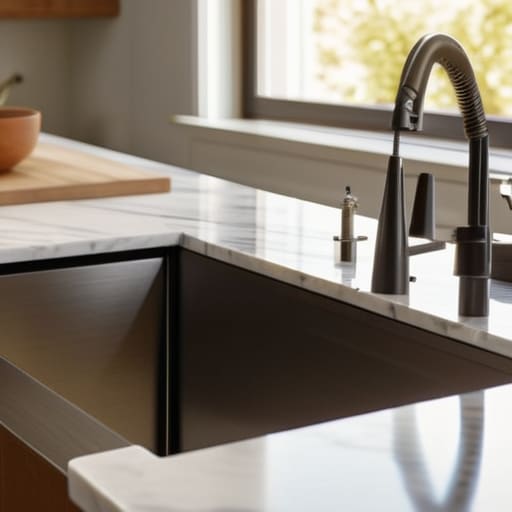
    If you want to see real movement in your bottom line, you have to stop thinking about aesthetics and start thinking about impact. In my experience, the kitchen is the undisputed heavyweight champion of high ROI kitchen upgrades. I’m not talking about gutting the entire space and moving plumbing lines—that’s a quick way to bleed your budget dry. Instead, I focus on the high-impact, visual wins: quartz countertops, updated hardware, and a fresh backsplash. These are the details that make a buyer feel like they’re walking into a luxury lifestyle rather than a dated relic.

    When I’m calculating property resale value during a walkthrough, I always look at the cabinetry first. If the bones are solid, don’t replace them; just refinish them or swap out the doors. It’s a fraction of the cost but yields massive home value appreciation after remodeling. You want to create a space that feels modern and functional without over-improving for the neighborhood. If you overspend on high-end appliances in a mid-tier market, you aren’t building equity—you’re just subsidizing the next owner’s kitchen.

    Bathroom Renovation Cost vs Value Avoiding Money Pits

    Bathroom Renovation Cost vs Value Avoiding Money Pits

    Bathrooms are tricky. I’ve seen too many investors sink fifty grand into a master ensuite with heated marble floors and custom brass fixtures, only to realize they’ve completely overshot the neighborhood ceiling. When you’re analyzing bathroom renovation cost vs value, you have to stop thinking like a homeowner and start thinking like a strategist. It’s not about what you want; it’s about what the next buyer is willing to pay for. If you’re working in a mid-range suburb, a luxury spa setup is just a drain on your capital.

    To avoid these money pits, focus on the “refresh” rather than the “rebuild” whenever possible. Swapping out a dated vanity, updating the hardware, and installing a modern, clean tile pattern can do wonders for your margins. You want to aim for that sweet spot where the work looks high-end but stays within a realistic budget. My rule of thumb? Always keep an eye on home value appreciation after remodeling to ensure your spend actually translates into liquid equity. If the math doesn’t scream “profit,” put the sledgehammer down.

    Stop Guessing and Start Calculating: 5 Rules for Protecting Your Margins

    • Focus on curb appeal before you touch the interior. I’ve seen people sink fifty grand into a designer kitchen only to lose the sale because the front walkway was cracked and the siding looked like it was rotting off. A fresh coat of paint, some modern hardware, and decent landscaping are your cheapest ways to drive up perceived value.
    • Don’t over-improve for the neighborhood. This is the biggest mistake I see rookies make. If you’re flipping a house in a modest suburb, don’t install Italian marble countertops. You’ll never recoup that cost. You need to hit the “sweet spot” of quality that matches the local comps, otherwise, you’re just gifting your profit to the next owner.
    • Prioritize the “invisible” systems. It’s not sexy, and it certainly doesn’t look good on an Instagram reel, but updating old electrical panels or fixing a leaky roof is what actually builds equity. Buyers will forgive a dated backsplash, but they will run for the hills if they smell mold or see outdated wiring.
    • Stick to a neutral palette for high-traffic areas. I love my mid-century modern statement pieces as much as the next person, but when you’re renovating for ROI, let the buyer bring their own personality. Keep the walls and floors neutral. You want them to envision their life there, not feel like they’re living in your personal art gallery.
    • Always, always, always get three quotes. Never trust a single contractor’s “gut feeling” on a price. I keep my laser measurer in my bag for a reason—I verify everything. If you don’t vet your labor costs aggressively, your renovation budget will bleed out before you even get to the finishing touches.

    The Bottom Line: Don't Chase Aesthetics, Chase Equity

    Stop over-improving for your neighborhood; your goal isn’t to build your dream home, it’s to hit the sweet spot where your renovation costs stay below the value they add to the property.

    Focus your budget on the “wet rooms”—kitchens and baths—because that’s where the most aggressive buyers look first, but always vet your contractors to ensure you aren’t throwing good money after bad in a money pit.

    Always keep a “messy renovation” buffer in your math; if you aren’t accounting for the unexpected structural surprises behind those old walls, you aren’t investing, you’re gambling.

    The Golden Rule of the Rehab

    “Stop looking at a renovation as a cost to be managed and start seeing it as equity to be unlocked; if your sledgehammer isn’t creating value, it’s just making a mess.”

    Gareth Trelawny

    Don't Leave Money on the Table

    Don't Leave Money on the Table.

    At the end of the day, maximizing your ROI isn’t about throwing money at every shiny new fixture you see on Pinterest. It’s about being surgical with your spending. We’ve looked at how strategic kitchen updates can drive massive interest and how to navigate the treacherous waters of bathroom renovations without falling into a bottomless money pit. Remember, every dollar you spend needs to have a clear purpose: either increasing the property’s functional value or enhancing its visual appeal to the next buyer. If a renovation doesn’t directly contribute to your bottom line or solve a structural headache, leave it alone. Smart investing is as much about what you don’t do as what you do.

    I know that looking at a gutted room or a stack of contractor quotes can feel overwhelming, but don’t let the chaos shake your resolve. This business is messy, loud, and occasionally exhausting, but that’s exactly why the rewards are so significant. While everyone else is waiting for a “perfect” house to hit the market, you’ll be the one creating value where others only see decay. Keep your eyes on the long game, trust your gut, and keep swinging that sledgehammer. You aren’t just fixing up houses; you are building the foundation of your own generational wealth.

    Frequently Asked Questions

    How do I know when a renovation is officially "over-improving" for the neighborhood?

    Look at the comps, not your Pinterest board. If you’re installing $15,000 Calacatta marble countertops in a neighborhood where the ceiling for a renovated home is $400k, you’re just burning cash. You’ll hit a “value ceiling” where every extra dollar you spend on high-end finishes fails to return a single cent in equity. My rule of thumb? Aim for the top 10% of the neighborhood’s quality, but never exceed its price ceiling.

    Should I prioritize cosmetic updates like paint and hardware, or am I better off tackling structural issues first to protect my equity?

    Look, I get the temptation to grab a paintbrush and start making things look pretty, but let’s get real: you can’t paint over a foundation crack and call it a profit. If you have structural issues, fix them first. Period. Cosmetic updates are the “cherry on top” that sell the house, but structural integrity is what protects your equity. Fix the bones so your investment doesn’t turn into a literal sinkhole.

    How do I accurately estimate my total renovation budget without getting blindsided by hidden costs once the walls are actually open?

    The golden rule? Always bake a 15-20% contingency buffer into your initial math. I never step onto a job site without assuming something is lurking behind those drywall layers—be it outdated wiring or a surprise plumbing leak. To get a real number, don’t just eyeball it; get three detailed quotes from contractors and add your “oh crap” fund on top. If you don’t budget for the unknown, the unknown will eat your profit.

  • Increasing Home Value Through Kitchen Remodeling

    Increasing Home Value Through Kitchen Remodeling

    I was standing in a gutted Victorian bungalow last Tuesday, dust coating my boots and the smell of old grease hanging heavy in the air, staring at a kitchen that looked like it hadn’t been touched since the Nixon administration. Most people would see a disaster area and walk away, but as I pulled my laser measurer from my bag, I didn’t see a mess—I saw a goldmine. A poorly executed kitchen remodel is one of the fastest ways to bleed a budget dry, but a strategic one? That’s how you build real wealth.

    I’m not here to sell you on marble countertops that cost more than your car or trendy backsplash tiles that will be outdated by next season. My goal is to show you how to navigate the chaos of a renovation without losing your mind or your profit margins. I’m going to give you the straight-up truth on where to splurge for maximum ROI and where to cut corners so you can stop dreaming about equity and start actually building it.

    Table of Contents

    Mastering Modern Kitchen Layout Ideas for Maximum Roi

    Mastering Modern Kitchen Layout Ideas for Maximum Roi

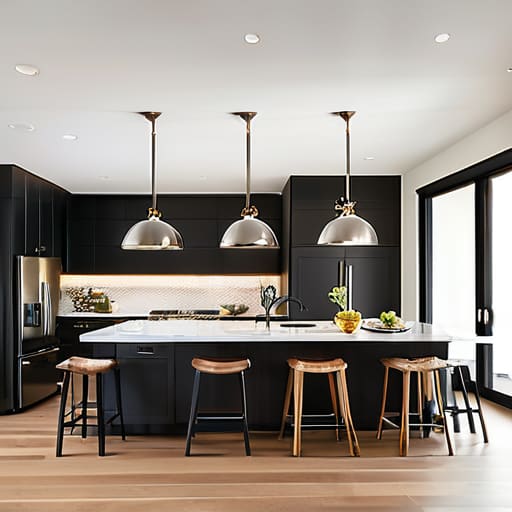
    When I’m walking into a potential flip, I’m not just looking at the color of the cabinets; I’m looking at the flow. You can have the most expensive marble in the world, but if the “work triangle” is broken, you’ve wasted your money. To see a real return, you need to focus on modern kitchen layout ideas that prioritize movement. I always push for an open concept that connects the prep area to the living space. Even in tighter properties, small kitchen space optimization—like using deep drawers instead of lower cabinets or installing a slim peninsula—can make a cramped room feel like a high-end chef’s suite.

    Don’t get distracted by every passing fad, either. While I love keeping an eye on kitchen design trends 2024, my goal is longevity, not just a quick trend cycle. I tend to stick to clean lines and functional zones. If you’re working with a tighter budget, don’t sweat the heavy demolition; sometimes, simply reconfiguring the island placement or improving the lighting can do more for your appraisal than a total gut job. Focus on the bones of the layout, and the equity will follow.

    Navigating the Real Cost of Kitchen Remodeling Without Breaking

    Look, I’ve seen too many investors go into a project with a “dream budget” only to end up staring at a half-finished floor because they underestimated the plumbing. The actual cost of kitchen remodeling isn’t just about the pretty things you see on Pinterest; it’s about what’s hiding behind the drywall. If you want to protect your margins, you have to prioritize function over fluff. I always tell my clients to allocate a contingency fund of at least 15%—because in this business, something always goes sideways once you pull up the old flooring.

    To keep your ROI high without draining your bank account, you need to be strategic about where you spend. Don’t blow your entire budget on high-end kitchen design trends 2024 that might look dated in three years. Instead, focus on the heavy hitters. Investing in high-quality cabinetry and solid countertops will do more for your resale value than a trendy, expensive faucet ever could. It’s about making smart, tactical choices that turn a messy renovation into a high-margin win.

    The High-ROI Checklist: Where to Put Your Money and Where to Hold It

    • Prioritize the “Work Triangle” over aesthetics; if the distance between the sink, stove, and fridge feels clunky, no amount of marble countertops will save the resale value.
    • Don’t go overboard with high-end appliances if you’re flipping; aim for reliable, mid-tier brands that look sleek in photos but won’t eat your entire profit margin.
    • Lighting is your secret weapon for making a small renovation feel expensive—swap out those dated recessed cans for layered task lighting and a statement pendant that actually has some character.
    • Avoid the “trend trap” by keeping your cabinetry neutral; I’ve seen too many investors lose money on navy blue or forest green cabinets that look dated within eighteen months.
    • Never underestimate the power of hardware; replacing cheap, builder-grade pulls with heavy, matte black or brushed brass handles is the fastest way to make a budget remodel look custom.

    The Bottom Line: Turning Kitchen Renos into Real Equity

    Stop chasing every single trend; focus on high-impact layouts and functional zones that actually make sense to a buyer, because a kitchen that works is a kitchen that sells.

    Always keep a “renovation buffer” in your budget for the inevitable surprises behind the drywall—if you don’t account for the hidden mess, you’re bleeding profit before you even install the backsplash.

    Prioritize quality over quantity by investing in durable, mid-range materials that look high-end but won’t eat your entire margin, ensuring your ROI stays in the green.

    The Heart of the Flip

    A kitchen remodel isn’t just about picking out pretty backsplash tiles; it’s about strategic demolition. You aren’t just fixing a room; you’re re-engineering the house’s ability to command a premium price.

    Gareth Trelawny

    The Bottom Line on Your Kitchen Strategy

    The Bottom Line on Your Kitchen Strategy.

    At the end of the day, a successful kitchen remodel isn’t about picking the flashiest backsplash or the most expensive marble slab; it’s about strategic execution. We’ve talked about how a smart layout can dictate the flow of a home and how keeping a tight grip on your budget prevents a renovation from turning into a financial sinkhole. Remember, every dollar you spend needs to be an investment in future equity, not just a personal preference. If you prioritize functional design and manage your costs with a disciplined eye, you aren’t just fixing a room—you are actively building a more valuable asset.

    I know it can feel overwhelming when you’re staring at outdated cabinetry and a floor plan that makes no sense, but don’t let the mess intimidate you. Every gutted kitchen I’ve walked into started as a headache, but they all ended as the primary driver of a property’s appreciation. Real estate isn’t about finding perfection; it’s about finding potential where others see chaos. Grab your laser measurer, stay focused on your ROI, and start turning those crumbling walls into the foundation of your wealth. You’ve got this.

    Frequently Asked Questions

    How do I decide between a full gut renovation and just updating the surfaces to keep my margins high?

    Look, I’ve been on both sides of this, and the answer always comes down to the bones. If the layout is functional and the plumbing is sound, don’t touch the studs—just swap the hardware, paint the cabinets, and slap in new quartz. That’s how you protect your margins. But if you’re staring at a cramped, 1970s galley that kills the flow, you have to gut it. You can’t build equity on a bad floor plan.

    Which specific high-end finishes are actually worth the investment, and which ones are just wasted money in a flip?

    Look, I’ve seen too many investors blow their margins on things buyers only look at for five seconds. Skip the gold-plated faucets and custom-carved cabinetry; they’re vanity projects that won’t move the needle. Instead, sink your capital into high-quality quartz countertops and solid hardware. People touch handles and lean on counters every single day. If it feels substantial and looks clean, it builds value. If it’s just “flashy,” it’s just wasted equity.

    How can I spot potential plumbing or electrical nightmares behind the cabinets before I commit to a layout change?

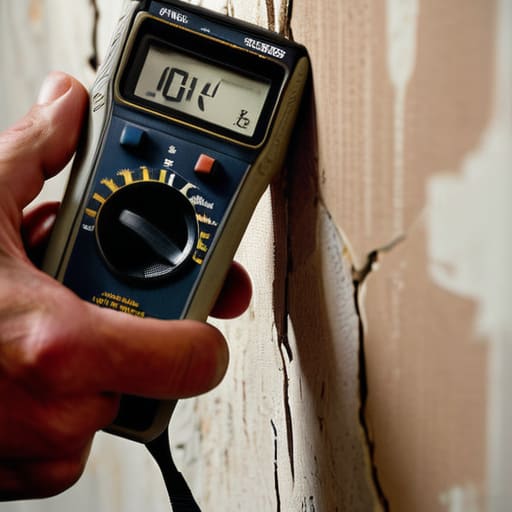
    Before you tear those cabinets off the wall, do a little detective work. First, check the age of your electrical panel; if it’s a rusted-out relic, a layout change means a massive rewire. Next, look for signs of moisture or “mystery” stains on the subfloor. If you can, use a thermal camera or a simple moisture meter to peek behind the backsplash. Don’t guess—if the plumbing stack is buried deep in a load-bearing wall, your “simple” relocation just became a budget killer.