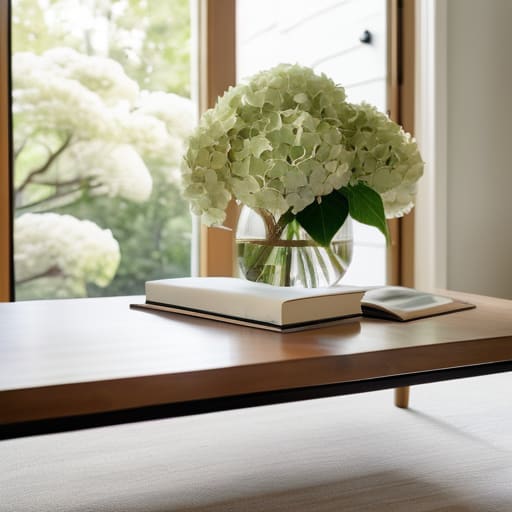
I remember standing in the middle of a dusty, gutted living room in East London, clutching my laser measurer and staring at a pile of discarded drywall. A client had just spent five figures on a high-end staging company, thinking they could mask the structural bones of the property with expensive velvet sofas and overpriced art. It was a total waste of capital. They were treating staging a house like a luxury fashion show rather than a strategic financial move. If you’re trying to build real equity, you don’t need a showroom; you need a way to show buyers how they’re going to actually live in the space without breaking your budget.
I’m not here to sell you on the idea that you need a designer’s full catalog to get a deal done. My goal is to give you the straight talk on how to maximize your ROI through smart, intentional placement. I’ll show you how to strip away the clutter and use design to highlight the potential that’s hiding behind those dated walls. We’re going to focus on the high-impact, low-cost tactics that turn a “fixer-upper” into a must-have asset.
Table of Contents
- Decluttering for Home Sales Clearing the Path to Profit
- Enhancing Natural Lighting to Reveal Hidden Potential
- Beyond the Surface: 5 Strategic Staging Moves to Maximize Your ROI
- The Bottom Line: Turning Presentation into Profit
- The Real Goal of Staging
- The Bottom Line on Staging for Profit
- Frequently Asked Questions
Decluttering for Home Sales Clearing the Path to Profit
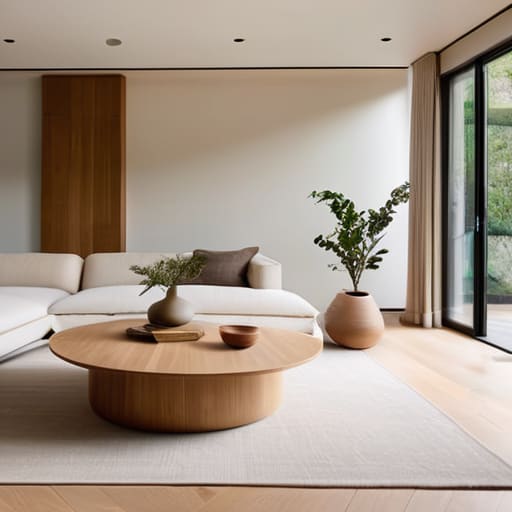
Before you even think about picking up a paintbrush or calling in professional home staging services, you need to get ruthless with your belongings. I’ve seen too many investors blow their margins because they tried to stage a house that was still overflowing with the previous owner’s junk. You aren’t just cleaning; you are decluttering for home sales to create a sense of scale. When every surface is covered in knick-knacks, rooms feel smaller and cramped. I want potential buyers to walk into a space and feel like they can breathe, not feel like they’re intruding on someone else’s cluttered life.
My rule of thumb? If it doesn’t serve a functional purpose or contribute to a clean, intentional aesthetic, it goes into a storage unit or the donation bin. By stripping the rooms down to their essentials, you’re actually enhancing natural lighting by removing the visual obstacles that block the sun. This creates that open, airy vibe that makes people start mentally moving their own furniture in. You have to clear the physical noise so the true potential of the layout can finally shine through.
Enhancing Natural Lighting to Reveal Hidden Potential

Once you’ve cleared the junk out of the way, the next thing I look at is how light moves through a room. Shadows are the enemy of a good flip; they make spaces feel cramped and, frankly, depressing. When I’m walking through a potential acquisition, I’m looking for ways of enhancing natural lighting to make those small, dark rooms feel expansive. If a room feels like a cave, don’t just reach for a lamp—think about the windows. I always recommend stripping away heavy, dated drapes and replacing them with sheer fabrics that let the sun actually do its job.
Lighting isn’t just about brightness, though; it’s about creating an emotional connection with buyers. You want them to walk into a room and feel an immediate sense of warmth and openness. If you’re dealing with a particularly dim space, consider swapping out old, amber-tinted bulbs for something that mimics daylight. It’s a small, low-cost tweak that can make a massive difference in how the square footage is perceived. When the light hits the right angles, the buyer isn’t just seeing a room; they’re seeing their future home.
Beyond the Surface: 5 Strategic Staging Moves to Maximize Your ROI
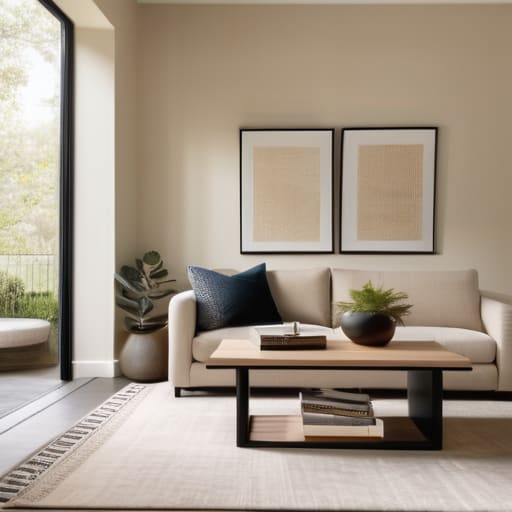
- Neutralize the palette to let the bones shine. I’ve seen too many sellers cling to their “personality” colors, but if you want a buyer to see themselves living there, you need to swap those bold accent walls for soft, sophisticated neutrals that act as a blank canvas.
- Focus on the “flow” rather than just the furniture. It’s not about how much stuff you can fit in a room; it’s about how the space moves. Arrange your pieces to create clear walkways and functional zones so buyers can intuitively sense the layout’s potential.
- Invest in high-impact, low-cost sensory details. A house shouldn’t just look good; it should feel intentional. Fresh, high-quality towels in the bathroom or a subtle, clean scent can make a renovated space feel premium without breaking your rehab budget.
- Highlight the architectural “wins” with strategic placement. If you’ve spent weeks fixing up original crown molding or a beautiful fireplace, don’t bury them behind a massive bookshelf. Position your furniture to frame these features, not hide them.
- Use “lifestyle staging” to tell a story, not just fill a room. Instead of a cluttered dining table, set a single, elegant place setting. You aren’t just selling a house; you’re selling the idea of a life lived in a beautiful, well-organized space.
The Bottom Line: Turning Presentation into Profit
Stop treating staging like a decoration project; treat it like an investment strategy designed to maximize your exit price.
Focus on the high-impact, low-cost wins—like light and space—to make sure buyers see the potential rather than the flaws.
Remember that every piece of clutter you remove is a way to let the property’s actual square footage and value breathe.
The Real Goal of Staging
Staging isn’t about making a house look pretty for a magazine spread; it’s about stripping away the visual noise so a buyer can actually see the equity hiding behind those dated walls.
Gareth Trelawny
The Bottom Line on Staging for Profit
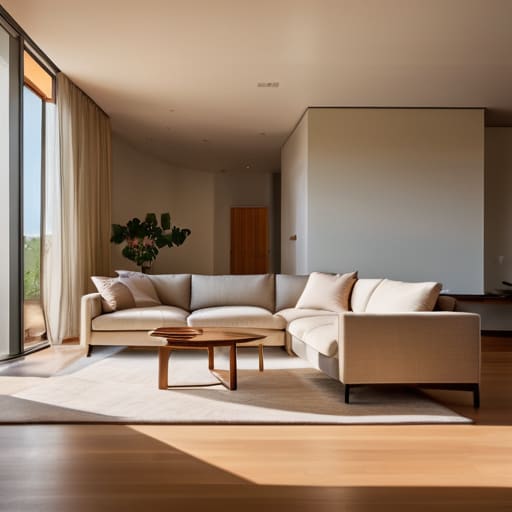
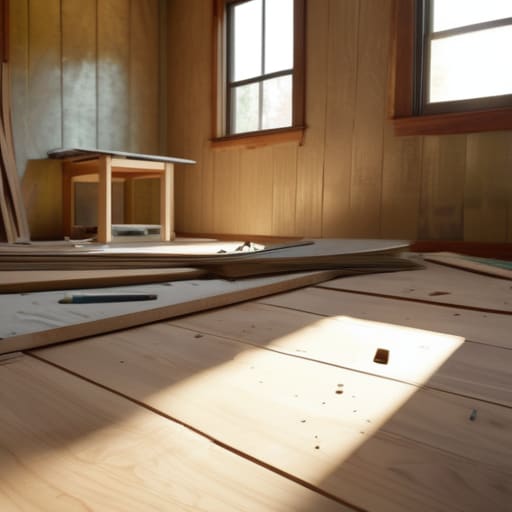
At the end of the day, staging isn’t about making a house look “pretty” for a magazine spread; it’s about strategic asset management. We’ve talked about how clearing out the clutter removes the visual noise that distracts buyers, and how maximizing natural light can make a cramped room feel like a premium space. When you combine these elements, you aren’t just decorating—you are removing the friction between a potential buyer and their decision to make an offer. Every intentional choice you make, from the way the light hits the floorboards to the amount of breathing room in the hallway, is designed to protect your margins and ensure that the equity you’ve worked so hard to build doesn’t walk out the door with a low-ball offer.
I know that when you’re staring at a renovation budget that’s bleeding red, spending extra on staging can feel like a luxury you can’t afford. But trust me, I’ve seen more deals fall through because of poor presentation than because of structural issues. Don’t view this as an extra expense; view it as your final tool for extraction. You’ve done the hard work of fixing the bones and the guts of the property. Now, it’s time to show the world why this house is worth every single cent of your asking price. Get in there, clear the path, and go get your profit.
Frequently Asked Questions
Is it actually worth spending money on professional staging if I'm on a tight budget for the renovation?
Look, if your budget is razor-thin, don’t go dropping thousands on a full-service staging firm. That’s a quick way to drain your contingency fund. Instead, think like an investor: focus on “micro-staging.” Grab a few key pieces from your thrift finds—a mid-century credenza here, a sculptural lamp there—to anchor the rooms. You aren’t buying luxury; you’re buying visual cues that help buyers see the lifestyle, not just the empty, echoing floorboards.
How do I figure out which pieces of my own furniture to keep and which ones are just cluttering up the sale?
Look at your furniture through the lens of square footage, not sentiment. If a piece is oversized, heavily patterned, or screams “my personality,” it’s working against you. I always tell my clients: if it doesn’t help a buyer visualize themselves living in the space, it’s just noise. Keep the clean, neutral staples that define a room’s function, and move the rest to storage. Don’t let your favorite velvet armchair shrink a living room.
At what point in the rehab process should I actually start the staging process to maximize my ROI?
Don’t even think about staging until the dust has settled and the heavy lifting is done. You want your painters, floor refinishers, and contractors out of the house before a single mid-century chair arrives. Staging is your final, high-impact move to bridge the gap between a “renovation” and a “home.” If you bring in furniture while there’s still drywall dust in the air, you’re just risking damage and wasting precious time.