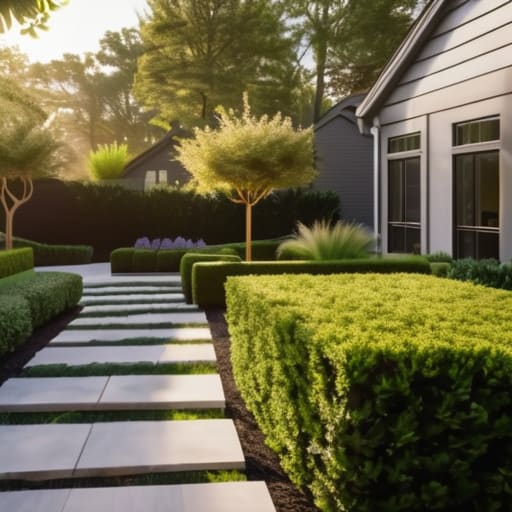
I remember standing in the mud of my first major flip, staring at a backyard that looked more like a graveyard for rusted lawn equipment than a potential asset. My contractor wanted to charge me five figures for a “designer garden” with imported stone and custom lighting, but my gut told me that was just a way to burn my margins. Most people think you need a massive budget to nail landscaping for profit, but they’re wrong. You don’t need a landscape architect; you need a strategic eye for what actually moves the needle during a sale.
In this guide, I’m cutting through the fluff and the expensive nonsense. I’m going to show you how to identify the high-impact, low-cost moves that turn a neglected patch of dirt into a massive equity win. We aren’t talking about planting pretty flowers; we are talking about intentional curb appeal and smart spatial design that makes a buyer fall in love before they even step through the front door. Let’s get to work.
Table of Contents
- Spotting High Roi Landscaping Features in Neglected Yards
- Maximizing Residential Landscaping Investment Through Curb Appeal Enhanceme
- My Five Non-Negotiables for Landscaping That Actually Moves the Needle
- The Bottom Line: Turning Greenery into Gains
- The Equity in the Earth
- The Bottom Line on Curb Appeal
- Frequently Asked Questions
Spotting High Roi Landscaping Features in Neglected Yards
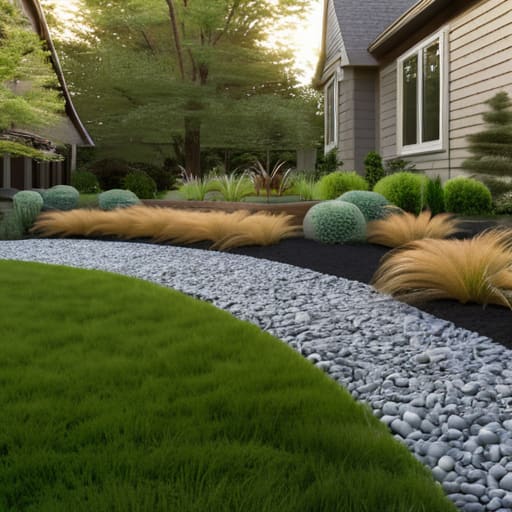
When I first walk onto a new job site, I’m not just looking at the foundation or the roofline; I’m staring at the dirt. A neglected yard is often just a goldmine in disguise. Most amateur flippers ignore the perimeter, but I’ve learned that a massive, overgrown thicket of invasive shrubs is actually an opportunity. If you can clear out the junk and replace it with structured, low-maintenance greenery, you’re looking at a massive curb appeal enhancement for a fraction of the cost of a kitchen remodel.
I always look for “bones”—things like existing hardscaping or mature trees that just need a little pruning and a fresh layer of mulch. It’s about finding high ROI landscaping features that don’t require a full-scale construction crew. Instead of blowing your budget on a custom stone patio, I look for ways to define spaces using simple, clean lines. My goal isn’t to create a botanical garden; it’s to create a sense of order that tells a buyer, “This house has been cared for.” That mental shift is where the real money is made.
Maximizing Residential Landscaping Investment Through Curb Appeal Enhanceme
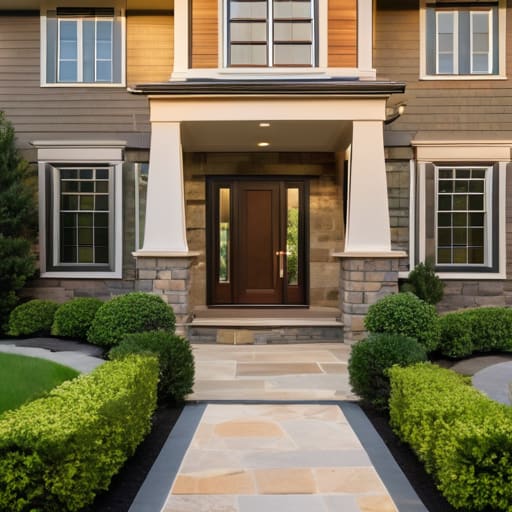
When I’m walking up to a property for a walkthrough, I’m not just looking at the siding or the roof; I’m looking at the “first impression” factor. You can have a stunning kitchen inside, but if the entrance looks like a jungle from a horror movie, buyers will mentally check out before they even hit the front door. This is where curb appeal enhancement becomes your most powerful tool. I focus on high-impact, low-cost fixes: defining the walkway with clean stone edges, adding fresh mulch to create instant contrast, and ensuring the entryway is framed by something intentional rather than something accidental.
Don’t get bogged down in expensive, complex garden layouts that require a full-time gardener to maintain. My goal is a strategic residential landscaping investment that looks expensive but stays manageable. I look for structural greenery—think hardy shrubs or a well-placed specimen tree—that provides year-round interest without a massive price tag. By prioritizing these foundational elements, you aren’t just planting flowers; you are engineering a visual hook that drives up the perceived value of the entire asset.
My Five Non-Negotiables for Landscaping That Actually Moves the Needle
- Stop overspending on exotic plants; instead, focus on hardy, low-maintenance perennials that look established from day one. Buyers want a lush look without wanting to become amateur gardeners on their weekends.
- Prioritize the “entry experience” by investing in clean, hardscaped pathways. If a buyer has to trek through mud or navigate uneven dirt to reach the front door, they’ve already mentally checked out of the showing.
- Don’t ignore the bones of the yard. I always look for a solid foundation of mulch and trimmed shrubs; it’s a low-cost way to hide poor soil quality and make the entire property look intentional rather than accidental.
- Use strategic lighting to sell the lifestyle. A few well-placed solar or low-voltage uplights on existing trees can make a tiny, neglected lot feel like a high-end private retreat during evening viewings.
- Focus on “instant gratification” greenery. If you’re flipping, don’t wait for seeds to sprout; buy mid-sized shrubs that fill gaps immediately. You’re selling the vision of a finished home, not a construction project.
The Bottom Line: Turning Greenery into Gains
Don’t sink your budget into high-maintenance floral displays; focus on structural hardscaping and hardy, low-maintenance plants that keep your holding costs down and your curb appeal high.
Always view landscaping through the lens of “perceived value”—a clean, defined edge on a garden bed costs almost nothing but makes a property feel significantly more expensive to a potential buyer.
Use your landscaping to fix the house’s flaws, not hide them; use strategic planting to draw the eye toward the renovated entryway rather than letting a messy yard distract from your interior wins.
The Equity in the Earth
Stop looking at a yard full of weeds as a headache; look at it as uncaptured equity waiting for a little strategic sweat and a lot of vision.
Gareth Trelawny
The Bottom Line on Curb Appeal
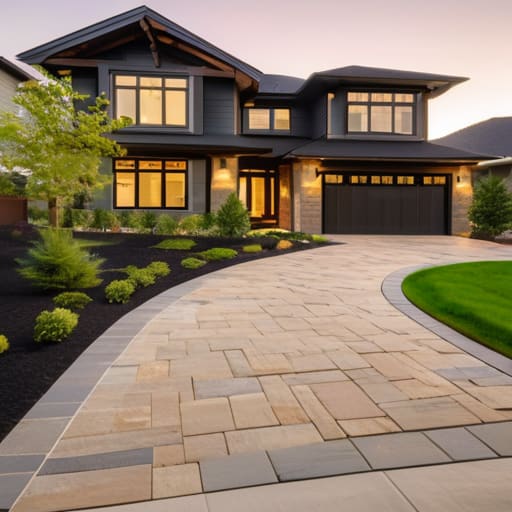
At the end of the day, landscaping isn’t just about making a yard look pretty for a weekend photoshoot; it’s a calculated move to protect your margins. We’ve talked about spotting those high-ROI features like clean hardscaping and strategic greenery, and how much weight a little bit of curb appeal carries when a buyer first pulls up to the driveway. If you focus your budget on high-impact, low-maintenance upgrades rather than getting lost in expensive, niche botanical projects, you’re going to see a much better return on your spent capital. Remember, every dollar you sink into the soil should be working toward increasing your final sale price, not just filling up a flower bed.
Real estate investing is rarely a clean, polished process, and sometimes that means getting your hands dirty to see the real value. Don’t let a patch of dead grass or a cracked walkway intimidate you—those are just opportunities in disguise. If you can train your eye to see the equity hidden beneath the weeds, you’ll find yourself winning in a market that others are too afraid to touch. Stop looking at what a property is right now and start seeing what it could become with a little bit of sweat equity and a sharp design eye. Now, go grab your tools and get to work.
Frequently Asked Questions
How do I know when I've crossed the line from "smart investment" into "throwing good money after bad" on a yard?
Listen, I’ve been there—staring at a retaining wall that needs more work than the house itself. You’ve crossed the line when your landscaping budget starts eating into your structural contingency fund. If you’re spending five figures on mature privacy hedges just to mask a drainage nightmare, stop. You aren’t investing; you’re decorating a sinking ship. If the fix doesn’t directly boost the appraisal or solve a fundamental site issue, walk away.
Are there specific low-maintenance plant species that give me that high-end look without requiring a full-time gardener?
Look, I don’t have time to babysit a garden when I’m managing contractors, and neither does your future buyer. If you want that high-end, curated look without the maintenance headache, go for structural plants. Think Boxwoods for clean lines, ornamental grasses for movement, or Agave if you’re in a warmer climate. They look expensive and intentional, but they’re tough as nails. Stick to perennials that thrive on neglect; it’s all about maximizing impact while minimizing upkeep.
How much of my renovation budget should I actually be carving out for landscaping versus the interior guts of the house?
Look, I get the urge to dump every cent into the kitchen remodel, but don’t let the “guts” blind you to the perimeter. I typically aim for 5% to 10% of my total renovation budget for landscaping. If the interior is a disaster, lean toward the lower end, but never let the yard look like a graveyard. You want buyers falling in love with the silhouette of the house before they even step inside.
