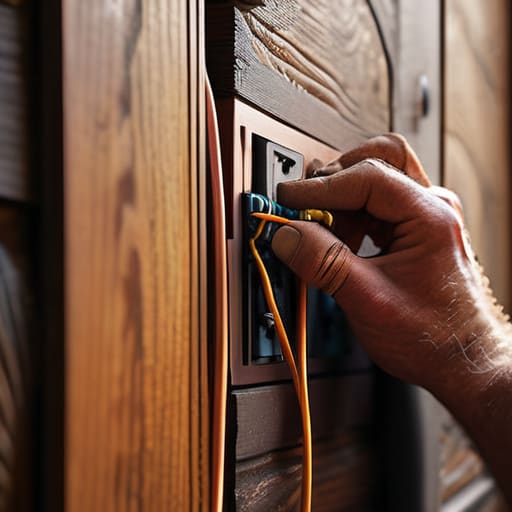
I’ll never forget the smell of scorched plastic and ozone that hit me when I opened the panel on my first real fixer-upper. I was standing in a kitchen that looked beautiful on the surface, but the moment I tried to plug in a high-end espresso machine, the lights flickered and the whole circuit groaned like it was about to die. That’s when I realized that all the mid-century modern charm in the world won’t save a property if the electrical rewiring is a ticking time bomb. Most people try to paper over these issues with fancy new outlets, but if you aren’t addressing the bones, you’re just masking a disaster that will tank your resale value.
I’m not here to give you a textbook lecture or some overpriced contractor’s sales pitch. My goal is to show you how to navigate the chaos of a full rewire without letting it bleed your renovation budget dry. I’m going to walk you through how to spot the red flags early, when to bite the bullet on a total overhaul, and how to ensure your investment is built on a solid, safe foundation. Let’s stop guessing and start building real equity.
Table of Contents
- Using a Home Electrical Inspection Checklist to Find Value
- Preventing Electrical Fires Before They Burn Your Equity
- Five Ways to Stop Electrical Gremlins From Eating Your Profits
- The Bottom Line: Protect Your Margins and Your Assets
- ## The Hidden Margin Killer
- Bottom Line: Don't Skimp on the Skeleton
- Frequently Asked Questions
Using a Home Electrical Inspection Checklist to Find Value
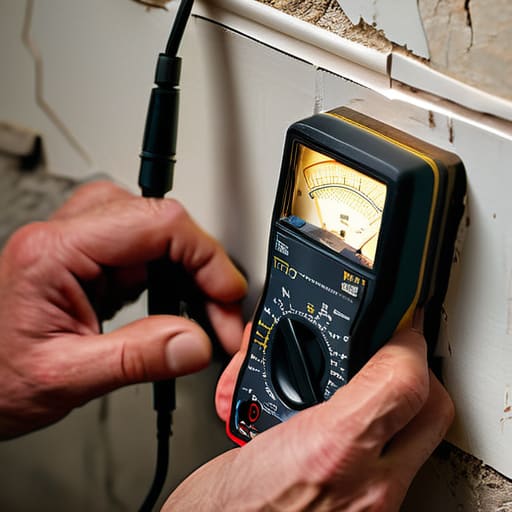
When I’m walking through a potential flip, I don’t just look at the crown molding or the layout; I’m hunting for the stuff hidden behind the drywall. I always keep a home electrical inspection checklist tucked in my bag because you can’t eyeball the integrity of a circuit. You need to be looking for the telltale signs of outdated electrical systems, like flickering lights, warm outlet covers, or those ancient two-prong plugs that scream “pre-1970s.” If you miss these red flags during your initial walkthrough, you aren’t just looking at a minor headache—you’re looking at a massive budget killer that will eat your projected profit margins alive.
I treat an inspection like a diagnostic tool for my ROI. If I see a rusted-out fuse box or a panel that’s clearly maxed out, I immediately start factoring in electrical panel replacement costs before I even make an offer. It’s about being proactive rather than reactive. By identifying these issues early, I can negotiate a lower purchase price or budget correctly for the overhaul, ensuring that once I flip the house, the new owners aren’t inheriting a ticking time bomb.
Preventing Electrical Fires Before They Burn Your Equity
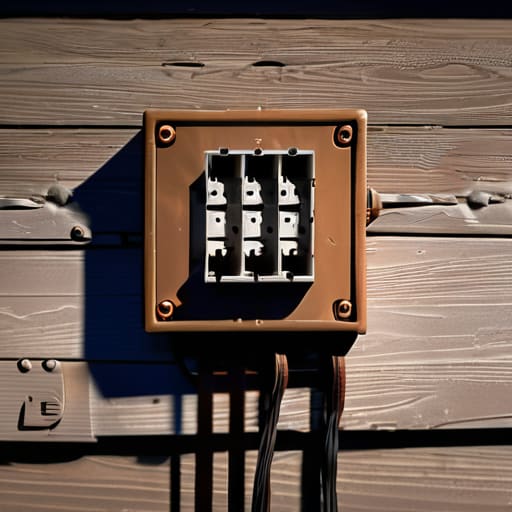
Look, I’ve walked into plenty of “dream fixer-uppers” only to find that the previous owner treated the electrical system like an afterthought. If you see flickering lights or outlets that feel warm to the touch, don’t just shrug it off as “character.” Those are classic signs of outdated electrical systems that could turn your investment into a total loss overnight. I’ve seen more equity go up in smoke from a faulty junction box than from a bad kitchen layout, and I am not about to let that happen on my watch.
When you’re evaluating a new property, you have to look past the fresh coat of paint and check the bones. If the house is still running on old-school two-prong outlets, you’re likely looking at a massive job to meet modern grounding and bonding requirements. It’s a headache, sure, but preventing electrical fires is non-negotiable if you want to protect your capital and your reputation. You aren’t just fixing wires; you’re securing the literal foundation of your profit margin.
Five Ways to Stop Electrical Gremlins From Eating Your Profits
- Stop playing guessing games with old breaker boxes; if you see a rusted-out panel or one that’s completely maxed out, budget for a full upgrade immediately so you aren’t hit with a massive surprise bill mid-reno.
- Don’t just patch up old outlets to look pretty; if the house has original two-prong outlets, you need to pull new wire through to get grounded, otherwise, your “modern” kitchen won’t even be able to run a high-end espresso machine without tripping a breaker.
- Map out your kitchen and bathroom circuits before you even touch a sledgehammer, because nothing kills a renovation timeline like realizing your new high-voltage appliances are fighting for the same overworked circuit.
- Treat your lighting plan like a strategic asset rather than an afterthought; while you’re ripping out the old junk, run lines for recessed lighting and smart switches now so you can command a premium price tag at resale.
- Always prioritize a licensed electrician for the heavy lifting, even if it feels like a hit to your initial margins, because one bad DIY connection can turn your entire investment into a smoking pile of ash and a legal nightmare.
The Bottom Line: Protect Your Margins and Your Assets
Never eyeball an electrical panel; use a professional inspection checklist early in your due diligence to ensure you aren’t inheriting a massive, unbudgeted rewiring project.
Treat electrical upgrades as a value-add, not just a cost; modernizing the system is one of the most effective ways to build long-term equity and pass a rigorous home inspection.
Prioritize safety over aesthetics; you can pick the trendiest mid-century light fixtures you want, but they won’t mean a thing if the underlying wiring is a fire hazard.
## The Hidden Margin Killer
“You can slap a fresh coat of paint and some mid-century hardware on a house all day long, but if you’re ignoring the outdated knob-and-tube wiring behind the drywall, you aren’t building equity—you’re just gambling with your investment.”
Gareth Trelawny
Bottom Line: Don't Skimp on the Skeleton
At the end of the day, electrical rewiring isn’t just another line item on your renovation budget—it’s the literal nervous system of the house. We’ve talked about using inspections to sniff out hidden issues and why you can’t afford to ignore fire hazards that could turn your entire investment into a pile of ash. If you try to hide outdated knob-and-tube or faulty panels behind a fresh coat of paint and some trendy light fixtures, you aren’t just being cheap; you’re being reckless with your capital. You have to ensure the foundation of the home is sound before you start obsessing over the aesthetic finishes, because true value is built on safety and compliance, not just pretty surfaces.
I know it’s tempting to cut corners when the quotes from electricians start rolling in, but trust me, the math always catches up to you. I’ve seen too many investors lose their shirts because they prioritized a designer kitchen over a functional electrical system. Real estate investing is a marathon of calculated risks, and choosing to do things right the first time is how you protect your margins and build lasting wealth. Stop looking for the easy way out and start looking for the way that actually builds solid, long-term equity. Get the wiring done, do it right, and then go build that empire.
Frequently Asked Questions
How do I figure out if I can just swap out old outlets and switches, or if I'm looking at a full-blown, budget-breaking rewire?
Look, I’ve been there—staring at a wall wondering if it’s a quick cosmetic fix or a total gut job. If you’ve got modern Romex wiring behind the walls and the panel is up to code, swapping out dated outlets and switches is an easy win for aesthetics. But if you see knob-and-tube, aluminum wiring, or a fuse box that looks like a relic, stop. That’s not a facelift; that’s a full-blown rewire.
At what point in the renovation timeline should I pull the trigger on electrical work so I'm not paying contractors to work around my other crews?
Timing is everything if you want to protect your margins. You need to pull the trigger on electrical work during the “demolition and rough-in” phase. Do not wait until the walls are up or the new floors are laid. You want your electricians in there right after the guts are exposed but before the drywall goes up. If you delay, you’re just paying premium rates for crews to move around each other in a cramped, inefficient mess.
How much of a dent is a complete electrical overhaul actually going to take out of my projected ROI on a flip?
Look, I’ll give it to you straight: a full overhaul is a heavy lift, and it’ll definitely bite into your initial margins. You might see a 3% to 5% dip in your projected ROI depending on the square footage. But here’s the thing—I’d rather take a hit on the upfront cost than have a buyer’s inspector flag a death trap during due diligence. Replacing the guts now builds the kind of equity that actually sticks.
