Blog

  • Maximizing Space in Small Rooms

    Maximizing Space in Small Rooms

    I was standing in a dusty, 450-square-foot studio in East London last October, clutching my laser measurer and staring at a layout that looked more like a storage unit than a living space. Most “experts” would have told me the unit was a lost cause or suggested spending a fortune on custom-built, built-in cabinetry that would eat up all my margins. But I’ve never been one for expensive, superficial fixes that don’t move the needle on ROI. I know firsthand that finding real small space solutions isn’t about buying more aesthetic organizers from a big-box retailer; it’s about aggressive spatial strategy and knowing exactly where to cut through the clutter to maximize every single inch of floor plan.

    I’m not here to sell you on trendy minimalism that leaves your life feeling empty and cold. Instead, I’m going to show you how to leverage smart design to turn cramped, undervalued footprints into high-yield assets. We are going to dive into the grit of layout hacks, multi-functional furniture, and the structural tweaks that actually increase your equity. Consider this your no-nonsense guide to turning tight square footage into serious profit.

    Table of Contents

    Maximizing Square Footage Through Smart Renovation
    Maximizing Square Footage Through Smart Renovation

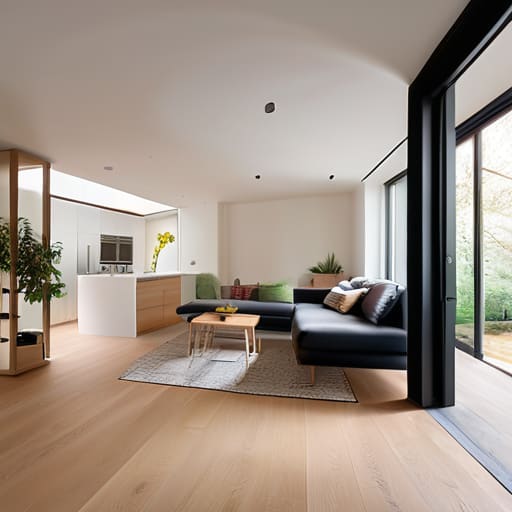
    When I’m walking through a cramped unit during a walkthrough, I’m not looking at the walls; I’m looking at the potential for flow. Most people see a tiny room and think “cramped,” but I see an opportunity for maximizing square footage through strategic structural changes. I’ve seen more value added by knocking down a single non-load-bearing wall to create an open-concept layout than by any expensive countertop upgrade. If you can erase the visual boundaries that trap the eye, you’ve already won half the battle.

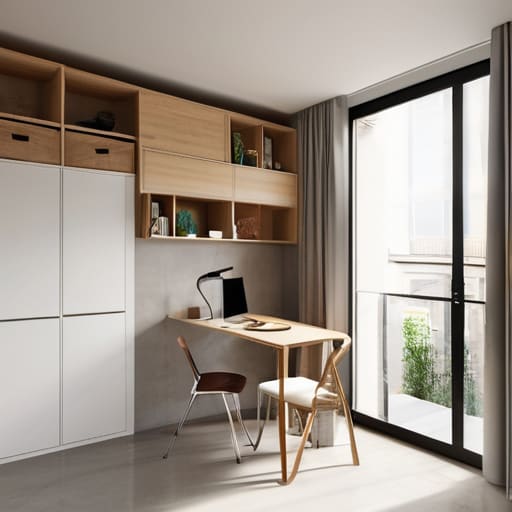
    Beyond the heavy lifting, the real profit is in the details. I always advise my clients to lean into minimalist interior design to keep the energy from feeling cluttered. Instead of bulky, traditional furniture that eats up floor space, I look for pieces with clean lines and multi-functional utility. Think about integrating hidden storage compartments directly into custom cabinetry or built-ins. If a piece of furniture isn’t working double duty—like a bench that doubles as a trunk or a desk that tucks away—it’s just wasted equity sitting in the middle of the room.

    Hidden Storage Compartments for High Yield Returns
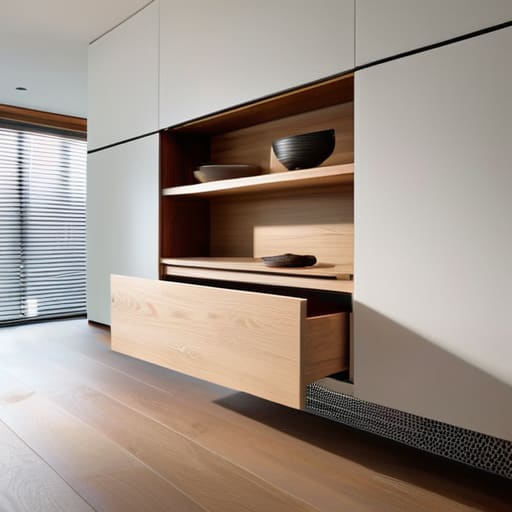
    Hidden Storage Compartments for High Yield Returns

    When I’m walking through a potential flip, I’m not just looking at the floor plan; I’m looking for the “dead zones”—those awkward corners or shallow alcoves that most buyers ignore. These are your goldmines. Instead of letting a weirdly shaped nook become a graveyard for clutter, I treat it as an opportunity to build value. Integrating hidden storage compartments into the very bones of a property—think custom cabinetry that sits flush with the wall or drawers built into the base of a staircase—is how you transform a cramped unit into a high-end residence.

    This isn’t about cluttering the room with more furniture; it’s about strategic integration. One of my favorite apartment living hacks is installing deep, pull-out drawers in the toe kicks of kitchen cabinets. It feels like magic to a tenant or buyer, and it adds a layer of luxury that justifies a higher asking price. By leaning into minimalist interior design principles, you ensure that the storage remains invisible to the naked eye. You aren’t just solving a storage problem; you are engineering a space that feels significantly larger and more expensive than its actual footprint.

    5 Ways to Stop Wasting Space and Start Building Equity

    • Kill the heavy-duty floor models; swap those bulky, oversized sofas for something with slim profiles and exposed legs to let the floor plan breathe.
    • Go vertical or go home—installing floor-to-ceiling shelving isn’t just an aesthetic choice, it’s a way to reclaim precious floor real estate.
    • Stop ignoring your doorways; installing floating shelves or slim cabinetry in those awkward transitional spaces can turn dead zones into functional storage.
    • Light is your best friend for perceived scale; ditch the heavy blackout curtains for sheer, light-filtering options that make a cramped room feel twice as large.
    • Invest in multi-purpose bones; I always look for pieces that work double duty, like a dining nook that doubles as a workspace, to ensure every square inch is pulling its weight.

    The Bottom Line: Making Small Spaces Pay Off

    Stop viewing limited square footage as a flaw; in today’s market, a highly efficient, well-designed small unit often commands a higher price per square foot than a sprawling, poorly utilized house.

    Prioritize multifunctional design over sheer volume—investing in custom built-ins or clever layout shifts creates more perceived value than simply adding more empty floor space.

    Always keep your ROI in mind; don’t get so caught up in the aesthetic of a small-space solution that you forget whether that specific renovation actually drives the property’s appraisal upward.

    The Profit in the Periphery

    “Don’t look at a cramped floor plan as a limitation; look at it as an opportunity to engineer efficiency. In this game, you aren’t just selling square footage—you’re selling the cleverness of the layout.”

    Gareth Trelawny

    Turning Constraints into Capital

    Turning Constraints into Capital through strategic design.

    At the end of the day, mastering small spaces isn’t about magic tricks; it’s about being strategic with every single inch you own. We’ve covered how to push walls to reclaim floor space, how to rethink layouts to eliminate dead zones, and how to integrate hidden storage that works for the resident rather than against them. When you stop looking at a cramped floor plan as a limitation and start seeing it as a puzzle, you change the math entirely. These aren’t just aesthetic upgrades; they are deliberate equity builders that turn a restrictive footprint into a highly functional, premium asset.

    Don’t let a tight square footage or a “tiny” label keep you on the sidelines of the real estate market. The most profitable deals often hide behind those seemingly unworkable, narrow layouts that other investors are too lazy to tackle. If you have the vision to see past the clutter and the patience to execute a smart, surgical renovation, you can find massive value where others only see a headache. Stop waiting for the perfect mansion to fall into your lap and start building your empire one clever, high-yield square foot at a time.

    Frequently Asked Questions

    How do I know if a small layout is actually worth the renovation cost, or if I'm just throwing good money after bad?

    Run the numbers before you pick up a sledgehammer. I always look at the “after repair value” (ARV) versus the cost of the structural changes. If opening up a wall to fix a cramped layout costs $15k but only bumps your appraisal by $5k, walk away. You aren’t just buying a floor plan; you’re buying potential margin. If the layout’s flaws are cosmetic, fix them. If they’re structural nightmares, leave them alone.

    Which specific storage upgrades actually add resale value versus what just looks like "clutter management"?

    Don’t waste your rehab budget on plastic bins or trendy floating shelves; that’s just clutter management, and buyers see right through it. If you want to see a return on investment, focus on built-ins. Custom floor-to-ceiling cabinetry in a small entryway or integrated pantry storage in a tight kitchen adds perceived value because it feels permanent. You’re selling the luxury of organization, not just a way to hide the mess.

    Are there certain architectural changes, like knocking down a non-load-bearing wall, that are too risky for a tight floor plan?

    Look, I’ve seen plenty of investors get tunnel vision trying to “open things up,” only to end up with a structural nightmare. Knocking down a non-load-bearing wall is usually a safe bet for flow, but don’t get reckless. If that wall is packed with HVAC ducts, electrical runs, or plumbing stacks, you’re trading a small room for a massive, budget-killing headache. Always verify what’s behind the drywall before you swing the sledgehammer.

  • Common Mistakes to Avoid During Property Renovation

    Common Mistakes to Avoid During Property Renovation

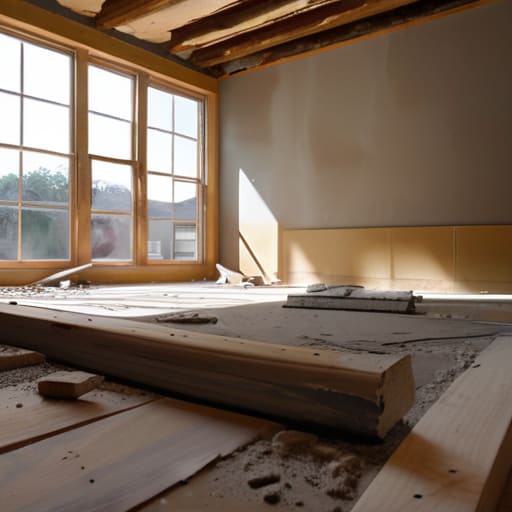
    I can still smell the damp, stagnant air of that first fixer-upper I picked up in my mid-twenties—a tiny bungalow that looked charming in photos but turned into a nightmare the moment I pulled back the peeling wallpaper. I stood there, covered in dust and staring at a structural crack that definitely wasn’t in the inspection report, realizing I’d just made a massive, expensive error. Most people think renovation mistakes are just about picking the wrong shade of “greige” for the living room, but if you’re trying to build actual wealth, the stakes are much higher than aesthetics. It’s about the invisible disasters—the plumbing, the wiring, and the structural bones—that can bleed your bank account dry before you even see a cent of profit.

    I’m not here to give you a polished, Pinterest-perfect version of reality. My goal is to pull back the curtain on the gritty, unglamorous side of flipping so you don’t get burned. I’m going to walk you through the specific, costly blunders I’ve seen sink entire portfolios and show you how to protect your margins like a pro. Consider this your no-nonsense guide to spotting the red flags before they turn your dream investment into a financial sinkhole.

    Table of Contents

    Navigating Home Remodeling Pitfalls Without Breaking the Bank

    When you’re staring at a gutted kitchen or a cracked foundation, it’s easy to let the panic set in. The biggest mistake I see new investors make isn’t the actual construction—it’s the lack of home improvement financial planning before the first sledgehammer swings. You can’t just eyeball a budget based on what you think a new subfloor costs. You need to build a buffer. I always tell my clients to assume every project will cost 15% more than the initial quote; that’s your “sanity fund” for when you inevitably find something unexpected behind those old walls.

    Beyond the math, you have to get serious about hiring reliable contractors rather than just chasing the lowest bid. I’ve seen too many people try to save a few thousand dollars on labor, only to spend ten times that amount fixing botched electrical work or crooked tiling. If you aren’t vetting their references and checking their previous job sites, you aren’t saving money—you’re just gambling with your margins. Real equity is built on quality craftsmanship, not on cutting corners to stay under an unrealistic budget.

    Smart Home Improvement Financial Planning for Real Growth

    Smart Home Improvement Financial Planning for Real Growth

    If you’re treating your renovation budget like a suggestion rather than a strict law, you’re already losing money. I’ve seen too many investors dive into a project with a “gut feeling” only to realize mid-demo that their contingency fund is non-existent. Effective home improvement financial planning isn’t just about having a spreadsheet; it’s about accounting for the invisible costs that always seem to crawl out from behind the drywall. You need to bake a minimum 15-20% buffer into your numbers to handle the inevitable. If you don’t, you aren’t investing; you’re gambling.

    Beyond the numbers, your most valuable asset is time. I can’t stress enough how vital renovation timeline management is to your actual ROI. Every week a property sits under construction is a week you’re bleeding holding costs—taxes, insurance, and interest. To keep your margins from evaporating, prioritize hiring reliable contractors who actually respect a schedule. It might cost more upfront to secure a pro who shows up on Monday, but it’s significantly cheaper than paying a budget crew for three months of delays and excuses.

    5 Hard Lessons I’ve Learned the Hard Way to Protect Your Margins

    • Stop over-improving for the neighborhood. I’ve seen too many investors go overboard with high-end marble countertops in a mid-range zip code, effectively capping their ROI. You need to renovate for the buyer you expect, not the house you dream of living in.
    • Never trust a “quick” estimate from a contractor without seeing the line items. If a quote looks too clean or too low, they’re either missing something massive or they’re going to hit you with a mountain of change orders mid-project. I always run my laser measurer and double-check the specs myself before signing anything.
    • Don’t treat your contingency fund like a suggestion. In this business, something will go wrong—a hidden termite issue, a plumbing nightmare behind a load-bearing wall, or a sudden spike in material costs. If you don’t have at least 15-20% of your budget set aside for the “unforeseen,” you aren’t investing; you’re gambling.
    • Avoid the “aesthetic-first” trap. It’s easy to get seduced by a trendy backsplash or a specific paint color, but if you ignore the bones—like outdated electrical or structural settling—you’re just putting expensive makeup on a broken face. Fix the foundation and the systems before you even think about the finishes.
    • Watch your timeline like a hawk. Time is literally money when you’re carrying a mortgage on a distressed property. Every week a renovation drags on is another week of interest, utilities, and lost opportunity cost eating away at your eventual profit. A delay isn’t just a nuisance; it’s a leak in your equity.

    The Bottom Line: Protecting Your Margins

    Never mistake a “cosmetic fix” for a structural solution; if you ignore the bones to save a buck today, you’ll pay triple in equity loss tomorrow.

    Treat your renovation budget like a business spreadsheet, not a wish list—always bake in a 15% contingency fund for the surprises hiding behind those old walls.

    Focus your capital on high-ROI upgrades that drive resale value, rather than chasing personal design whims that won’t move the needle for your next buyer.

    ## The Hard Truth About Margins

    “In this game, your profit isn’t just made when you sell; it’s made in the decisions you make while the sledgehammer is still in your hand. A single ‘aesthetic’ choice that ignores structural reality isn’t just a mistake—it’s a leak in your equity that you’ll never quite plug.”

    Gareth Trelawny

    Turning Lessons into Equity

    Turning Lessons into Equity through smart renovation.

    At the end of the day, avoiding renovation mistakes isn’t about being perfect; it’s about being prepared. We’ve talked about why you can’t ignore the structural realities of a property, why your budget needs a realistic buffer for those inevitable “surprises” behind the drywall, and how strategic financial planning is what actually separates a successful flip from a money pit. If you can master the art of calculated risk and keep your eyes on the long-term ROI rather than just the aesthetic trends, you’re already ahead of most amateur investors. Don’t let a lack of oversight turn your dream project into a drain on your capital.

    Building a real estate portfolio is a marathon, not a sprint, and every messy job site is just another classroom. There will be days when you’re staring at a plumbing disaster or a budget overrun that makes you want to throw in the towel, but remember why you started. You aren’t just fixing houses; you are building a foundation for your future. Every mistake you learn to navigate today is a step toward more stable, predictable wealth tomorrow. Keep your laser measurer handy, stay pragmatic, and keep turning those crumbling walls into solid equity.

    Frequently Asked Questions

    How do I know if a "fixer-upper" has structural issues that are too expensive to fix versus just cosmetic flaws?

    Look, I’ve been there—standing in a dusty living room, staring at a crack in the drywall and wondering if it’s just settling or if the whole foundation is shifting. Here’s my rule: cosmetic flaws are surface-level annoyances like peeling paint or outdated tile. Structural issues are the deal-breakers. If you see bowing walls, uneven floors, or a sagging roofline, grab your laser measurer and call a structural engineer immediately. Don’t let a foundation nightmare swallow your entire margin.

    At what point does an aesthetic upgrade stop adding real equity and start just being a sinkhole for my budget?

    The moment you stop upgrading functionality and start chasing “vibes,” you’re in the danger zone. If you’re swapping out perfectly good hardware for custom brass just because it looks better on Pinterest, you aren’t building equity—you’re just decorating. Real equity comes from structural integrity, updated systems, and layout optimizations. Once the ROI on a cosmetic change drops below the cost of the materials, you’ve officially moved from investing to expensive hobbyism.

    How can I vet contractors to ensure they aren't cutting corners that will bite me during the resale process?

    Don’t just take their word for it—verify everything. I always ask for a physical address and a list of recent references, then I actually call them. Ask if they finished on budget or if they cut corners on the “invisible” stuff like plumbing or electrical. I also demand a detailed, line-item contract. If a quote looks suspiciously low, they’re likely skimping on materials or labor, and that’s a red flag that will haunt your resale value.

  • How to Calculate Rental Property Cash Flow

    How to Calculate Rental Property Cash Flow

    I was standing in a gutted kitchen last Tuesday, dust coating my boots and the smell of old drywall filling my lungs, when I realized how much people overcomplicate this. Everyone wants to talk about high-end finishes and luxury amenities, but they completely lose sight of the actual math. You can install the most expensive marble countertops in the world, but if your renovation costs eat your margins, you aren’t building wealth—you’re just decorating a liability. Real rental property cash flow isn’t about how pretty the house looks in a staged photo; it’s about the unsexy math that happens between the mortgage payment and the maintenance fund.

    I’m not here to sell you on some “get rich quick” fantasy involving passive income while you sleep on a beach. I’ve spent too many years on job sites with a laser measurer in my hand to play those games. Instead, I’m going to show you how to identify the specific, high-margin repairs that actually drive your numbers up. We are going to strip away the fluff and focus on the strategic rehabs that turn a monthly deficit into a consistent, predictable stream of equity.

    Table of Contents

    Mastering Net Operating Income Calculation for Hidden Gains

    Mastering Net Operating Income Calculation for Hidden Gains

    If you want to stop guessing and start growing, you have to get comfortable with the math. Most rookies look at the rent check and think they’ve won, but that’s a rookie mistake. To find the real meat on the bone, you need to master your net operating income calculation. This isn’t just about subtracting your utility bills from the rent; it’s about seeing the granular truth of what the property actually produces before you even touch your debt service.

    When I’m walking through a potential rehab, I’m mentally auditing every line item. You have to account for the “silent killers”—the property management fees and the inevitable capital expenditures vs operating expenses debate. If you aren’t setting aside a percentage of every dollar for that future roof replacement or water heater blowout, you aren’t investing; you’re just gambling. Understanding this distinction is what separates a hobbyist from someone building a serious portfolio. Once you nail down your NOI, you’ll finally see which properties are true engines for wealth and which ones are just expensive headaches in disguise.

    How Vacancy Rate Impact on Cash Flow Destroys Equity

    How Vacancy Rate Impact on Cash Flow Destroys Equity

    Here is the reality most rookies ignore until it’s too late: an empty unit isn’t just a missed paycheck; it’s a leak in your entire financial foundation. When you’re calculating your potential returns, it’s easy to get caught up in the excitement of a new lease, but you have to account for the inevitable gaps. The vacancy rate impact on cash flow can be brutal because your fixed costs—the mortgage, taxes, and insurance—don’t take a vacation just because your tenant did. If you haven’t factored in a realistic vacancy buffer, you aren’t investing; you’re gambling.

    I’ve seen too many investors walk into a renovation with a perfect plan for their real estate investment ROI, only to watch it evaporate because they didn’t account for turnover costs. Every month a property sits idle, you’re still bleeding money on utilities and basic maintenance. You aren’t just losing rent; you’re losing the momentum needed to fund your next project. To build true wealth, you have to treat vacancy as a predictable expense, not a surprise disaster.

    Five Ways to Stop Bleeding Cash and Start Building Equity

    • Stop treating maintenance like an emergency and start treating it like a line item; setting aside a dedicated “rehab reserve” every single month prevents a broken water heater from nuking your entire year’s profit.
    • Don’t just chase the highest rent; chase the highest quality tenant by tightening your screening process, because a tenant who pays on time and treats the property like their own is worth way more than an extra $100 a month from someone who’s going to trash your floors.
    • Audit your utility splits ruthlessly, because if you’re footing the bill for water or trash in a single-family rental, you’re essentially handing your potential equity back to the utility company.
    • Invest in “smart” durability rather than cheap aesthetics; I’d rather spend a little more upfront on LVP flooring that can survive a spilled glass of red wine than replace cheap carpet every two years.
    • Automate your rent collection from day one, because chasing down checks is a massive time-sink that eats away at your actual hourly rate and messes up your cash flow projections.

    The Bottom Line: Turning Numbers into Net Worth

    Stop guessing and start measuring; if you aren’t obsessing over your Net Operating Income, you’re essentially flying blind through a renovation.

    Treat vacancy like a leak in your plumbing—it’s a silent killer of cash flow that can drain your equity faster than a bad contractor.

    Real wealth isn’t found in the polished finished product, but in the margin you create by managing the gap between your operating costs and your rental income.

    The Real Math of Real Estate

    “Stop obsessing over the gross rent check and start looking at what actually survives the renovation costs and the vacancy gaps; cash flow isn’t a vanity metric, it’s the only thing that keeps your portfolio from becoming a very expensive hobby.”

    Gareth Trelawny

    Turning Numbers into Real-World Equity

    Turning Numbers into Real-World Equity.

    At the end of the day, maximizing your rental property cash flow isn’t about luck; it’s about the granular details. You have to be obsessed with your Net Operating Income and ruthless about how vacancy rates can quietly bleed your margins dry. If you aren’t tracking every single expense and anticipating the gaps between tenants, you aren’t investing—you’re just gambling. Remember, the goal isn’t just to collect a check every month; it’s to ensure that every dollar flowing through your accounts is working toward building long-term equity rather than just covering the cracks in a poorly managed building.

    Look, I know the math can feel overwhelming when you’re staring at a spreadsheet instead of a floor plan, but don’t let the complexity paralyze you. Real estate is a game of patience and precision. Every time you tighten up your operations or fix a leak before it becomes a disaster, you are literally building your future wealth one brick at a time. Don’t be afraid of the mess or the steep learning curve. Grab your tools, trust your eye for potential, and start turning those numbers into the solid, tangible assets you deserve.

    Frequently Asked Questions

    How do I account for those unexpected "renovation surprises" when I'm trying to project my actual monthly cash flow?

    Look, if you’re projecting cash flow based on a perfect world, you’re going to lose money. I always build a “chaos buffer” into my monthly projections. Instead of just accounting for the big renovation hits, I bake a 10-15% contingency line item directly into my operating expenses. Treat those unexpected plumbing nightmares or structural surprises as a predictable expense rather than a shock. It’s better to have a slightly leaner monthly projection that actually holds up.

    At what point does a property stop being a cash-flow winner and start becoming a money pit due to maintenance?

    You know you’ve hit the wall when your maintenance costs stop being “preventative” and start being “reactive.” If you’re constantly chasing emergency plumber calls or replacing aging HVAC units every single season, your margins are evaporating. When the cost of keeping the lights on consistently eats more than 30-40% of your gross rent, you aren’t running an investment anymore—you’re just subsidizing a building. That’s when the equity stops growing and the money pit begins.

    Should I be prioritizing higher monthly rent if it means dealing with more frequent turnover and higher vacancy costs?

    Look, I get the temptation to chase that high monthly rent number, but don’t get blinded by the top line. In my experience, a higher rent isn’t a win if you’re constantly paying for deep cleans, painting, and marketing every few months. Frequent turnover is a silent equity killer. I’d much rather take a slightly lower rent from a stable, long-term tenant than bleed my margins dry chasing a premium that disappears into vacancy costs.

  • Maximizing Space in a Small Bathroom

    Maximizing Space in a Small Bathroom

    I was knee-deep in sawdust and lime mortar last Tuesday, staring at a 4×4 powder room in a Victorian fixer-upper that felt more like a broom closet than a functional space. Most “experts” will tell you that you need to tear down load-bearing walls or blow your entire budget on custom Italian marble to make a cramped layout work, but honestly? That’s just expensive nonsense. I’ve seen too many investors bleed cash trying to force a luxury spa aesthetic into a footprint that simply won’t allow it. If you’re hunting for small bathroom ideas that actually move the needle on your property value without draining your bank account, you need to stop looking at Pinterest trends and start looking at spatial efficiency.

    I’m not here to sell you on a dream; I’m here to give you a blueprint. In this guide, I’m stripping away the fluff to share the exact, high-impact strategies I use when I’m on a job site turning neglected, tiny baths into high-value assets. We’re going to talk about smart storage, lighting hacks, and layout tweaks that maximize every single square inch. My goal is to help you build real equity through strategic, no-nonsense renovations that work as hard as you do.

    Table of Contents

    Maximizing Small Bathroom Storage to Boost Asset Value

    Maximizing Small Bathroom Storage to Boost Asset Value

    When I’m walking through a property, I look past the outdated tile and focus on the floor plan. In a small bathroom, clutter is the ultimate value-killer. If a buyer sees piles of shampoo bottles and tangled hair dryers, they don’t see a sanctuary; they see a headache. To fight this, I always push for maximizing small bathroom storage through verticality rather than floor space. This is where floating vanity options become a total game-changer. By lifting the cabinetry off the floor, you create a sense of openness and “visual breathing room” that makes even a cramped powder room feel significantly larger.

    Don’t overlook the walls, either. I’m a huge advocate for integrating recessed shelving into the shower or installing high-quality mirrored medicine cabinets that blend seamlessly into the design. The goal isn’t just to hide the mess, but to create a streamlined, intentional look. When you eliminate the visual noise, you’re not just tidying up; you’re prepping the space to command a higher asking price by proving that even a tiny footprint can be efficient and high-end.

    Smart Small Bathroom Color Palettes for Instant Appeal

    Smart Small Bathroom Color Palettes for Instant Appeal

    When I’m walking into a property with a cramped, dark bathroom, my first instinct isn’t to reach for a sledgehammer—it’s to look at the light. Color is your most cost-effective tool for manipulating perception. If you want to make a tiny footprint feel expansive, stop reaching for heavy, moody tones. Instead, lean into light, airy neutrals like soft whites, pale greys, or even a very muted sage. These shades reflect light rather than absorbing it, which is essential when you’re working with limited square footage.

    However, don’t mistake “neutral” for “boring.” To keep the space from feeling clinical, I like to introduce texture through minimalist bathroom decor. Think matte black hardware against a crisp white tile or a light oak vanity to add warmth. If you’re looking to create a high-end, spa-like atmosphere that appeals to future buyers, consider using monochromatic small bathroom color palettes. By keeping the tile, walls, and fixtures within the same tonal family, you eliminate visual clutter, making the entire room feel significantly larger and much more expensive than it actually is.

    High-ROI Tweaks: 5 Ways to Level Up a Cramped Bathroom

    • Stop fighting the layout and start using the vertical space; install floating shelves or custom cabinetry that reaches toward the ceiling to draw the eye up and add much-needed storage without eating into your floor plan.
    • Swap out that bulky, dated vanity for a wall-mounted floating sink; it’s a classic industrial move that exposes more floor area, making the entire room feel significantly less claustrophobic.
    • Upgrade your lighting from a single, sad overhead bulb to layered sources like sleek sconces or dimmable recessed lights; good lighting is the cheapest way to make a budget renovation look like a high-end custom build.
    • Go big with your hardware; replacing generic, builder-grade faucets and pulls with matte black or brushed brass fixtures adds an instant sense of intentional design and “finished” quality that buyers crave.
    • Don’t overlook the mirror game; ditch the small, framed rectangle for a large, oversized mirror that spans the width of the vanity to bounce light around and trick the eye into seeing a much larger footprint.

    The Bottom Line: Turning Square Footage into Equity

    Stop viewing a small footprint as a limitation and start seeing it as a way to minimize renovation costs while maximizing per-square-foot value.

    Prioritize high-impact, functional upgrades—like clever storage and light-reflective palettes—over expensive, purely aesthetic features that don’t solve a spatial problem.

    Always design with the exit strategy in mind; every choice you make in a cramped bathroom should aim to make the space feel larger and more premium to the next buyer.

    ## The Investor’s Mindset on Square Footage

    “Stop looking at a cramped bathroom as a limitation; start seeing it as a high-yield opportunity. In this game, you aren’t just picking tile colors—you’re engineering efficiency to maximize every single square inch of equity.”

    Gareth Trelawny

    Turning Small Spaces into Big Wins

    Turning Small Spaces into Big Wins.

    At the end of the day, renovating a small bathroom isn’t about how much square footage you have to work with; it’s about how strategically you use every single inch. We’ve covered how to maximize your storage to prevent that cluttered, cheap look and how to leverage the right color palettes to make a cramped room feel airy and expensive. Remember, every decision you make—from the floating vanity to the tile choice—should be viewed through the lens of maximizing ROI. If a design element doesn’t add both utility and aesthetic value, it doesn’t belong in your renovation plan. Focus on the details that drive equity, and you’ll find that even the smallest powder room can become a standout feature in your property.

    I know that staring at a gutted, tiny bathroom can feel overwhelming, especially when you’re balancing a budget and a timeline. But don’t let a lack of space shake your confidence. Every crumbling wall and cramped layout is just an opportunity waiting for a sharp eye to see its true potential. Real estate investing is a marathon, not a sprint, and mastering these small-scale wins is exactly how you build the momentum needed for larger, more lucrative flips. Stop looking at the limitations and start looking at the profit potential. Grab your laser measurer, get to work, and let’s turn that wasted space into a high-value asset.

    Frequently Asked Questions

    Is it actually worth the extra cash to knock down a wall for an open-concept layout, or am I just blowing my budget for diminishing returns?

    Look, I’ve seen both sides of this on the job site. If you’re knocking down a wall to create a seamless flow between a cramped vanity and a larger area, do it—it increases the perceived square footage and buyer appeal. But if you’re gutting a structural wall just for the sake of “openness” and blowing your contingency fund on steel beams, stop. You’re trading actual equity for a trend that might not pay off.

    When I'm looking at a fixer-upper, how can I tell if a tiny bathroom is a quick cosmetic win or a structural nightmare waiting to drain my bank account?

    Before you dive in, grab that laser measurer and look at the walls. If the tiles are just dated and the vanity is a relic, you’re looking at a high-margin cosmetic win. But if you see cracks snaking through the grout or feel a weird slope in the floor, run. That’s not just “character”—that’s a plumbing or structural nightmare that will eat your renovation budget alive before you even pick out a faucet.

    Which specific high-end finishes should I prioritize to make a small space feel expensive without over-improving for the neighborhood?

    Focus on the “touchpoints”—the things people actually feel and see up close. Swap out builder-grade chrome for brushed gold or matte black hardware; it’s a low-cost way to signal luxury. I always prioritize high-quality, large-format tiles to minimize grout lines, which makes the floor feel expansive rather than cluttered. Finally, invest in a solid-surface vanity top. It feels substantial and expensive, but it won’t blow your budget like custom cabinetry would.

  • An Introduction to Wholesale Real Estate

    An Introduction to Wholesale Real Estate

    I was standing in a damp, unventilated basement last Tuesday, staring at a cracked foundation and a pile of moldy drywall, when I heard a “guru” on a podcast claiming you can make millions in wholesale real estate without ever actually touching a property or understanding a single structural flaw. It honestly makes my blood boil. There is so much garbage out there telling you that this is some kind of magic button for instant wealth, but let me tell you: if you don’t understand how a deal actually functions on the ground, you aren’t investing; you’re just gambling with other people’s money.

    I’m not here to sell you a dream or a get-rich-quick seminar. My goal is to pull back the curtain and show you the actual mechanics of how to find, vet, and flip contracts in the world of wholesale real estate using real-world grit. I’ll be sharing the exact, no-nonsense strategies I use to spot undervalued opportunities that others miss, focusing on how you can build a legitimate pipeline of deals without needing a massive bank account to start.

    Table of Contents

    Real Estate Wholesaling for Beginners Spotting Hidden Potential

    Real Estate Wholesaling for Beginners Spotting Hidden Potential

    When I first started out, I didn’t have a crew of contractors or a massive renovation budget. I just had my eyes and a decent set of notes. If you’re looking into real estate wholesaling for beginners, the secret isn’t in the math alone—it’s in the ability to look past the peeling wallpaper and the overgrown yard. You have to train yourself to see the structural integrity beneath the chaos. I always tell my clients that the best deals aren’t found in glossy brochures; they’re found in the neighborhoods where the houses look like they’ve been fighting a losing battle with time.

    Learning how to find distressed properties is really about developing a sense of intuition. I spend a lot of my time driving through older districts, looking for those specific tell-tale signs: boarded-up windows, sagging porches, or even just a mailbox that hasn’t been touched in months. It’s about identifying opportunity in the decay. You aren’t looking for a finished product; you’re looking for a canvas that someone else is too tired or too overwhelmed to paint. Once you spot that, the rest is just strategy.

    How to Find Distressed Properties Before the Competition

    How to Find Distressed Properties Before the Competition

    If you’re waiting for a “For Sale” sign to pop up on a lawn, you’ve already lost the race. The real meat in this business is found in the cracks of the neighborhood—the houses with overgrown lawns, boarded-up windows, or piles of mail accumulating in the box. To master how to find distressed properties, you have to get out of your chair and actually walk the streets. I’ve spent countless Saturday mornings driving through older suburbs, looking for those tell-tale signs of neglect that most people just drive past.

    Once you identify a target, you need to dig deeper than just a quick glance. I always recommend looking into public records or driving for dollars to identify owners who might be facing pre-foreclosure or probate. This is where the real work begins. You aren’t just looking for a house; you’re looking for a problem that needs solving. Whether it’s a tired landlord or an inherited property that’s become a burden, your goal is to find someone who is ready to move on. That’s how you secure the best deals before the rest of the market even knows they exist.

    My Playbook for Scoring the Best Wholesale Deals

    • Master the art of the “walk-through.” Don’t just look at the paint colors; look at the foundation, the roof, and the electrical panel. You need to see the structural reality of a house to know if the numbers actually work.
    • Build a rock-solid list of cash buyers before you even sign a contract. There is no point in finding a diamond in the rough if you don’t have the person ready to buy it the second you close.
    • Learn to love the “ugly” houses. Most people walk past a house with overgrown weeds and peeling siding without a second thought, but that’s exactly where the margin is hidden.
    • Get comfortable with the math. You need to be able to calculate an After Repair Value (ARV) in your head while standing in a dusty living room. If the math doesn’t scream profit, walk away.
    • Don’t be afraid to get your hands dirty with local networking. Whether it’s hitting up local REIA meetings or chatting with tired landlords, the best deals usually come from real relationships, not just an algorithm.

    The Bottom Line on Winning at Wholesale

    It’s not about finding the prettiest house on the block; it’s about finding the one with the most “math potential” where the numbers make sense for a flipper.

    Speed and grit beat a massive budget every single time—you need to be able to spot a deal and move on it before the polished investors even get their coffee.

    Success in wholesaling comes down to your ability to see past the peeling wallpaper and cracked foundation to the equity waiting underneath.

    ## The Reality of the Hustle

    “Wholesaling isn’t about magic tricks or finding a shortcut to wealth; it’s about having the eye to see the value in a wreck and the hustle to connect that vision to the right buyer before the paint even dries.”

    Gareth Trelawny

    Making Your Move

    Making Your Move with distressed properties.

    At the end of the day, wholesaling isn’t about luck or having a massive pile of cash sitting in a high-yield savings account. It’s about the grind: learning how to spot that one house on the block with the overgrown lawn and the peeling paint, and having the guts to reach out before anyone else does. We’ve covered how to identify those diamond-in-the-rough opportunities and how to beat the competition to the punch by finding distressed properties early. Remember, your success in this game relies on your ability to see the value where others only see a headache. It’s about connecting the dots between a crumbling structure and a lucrative contract that works for everyone involved.

    Don’t let the fear of a messy process keep you on the sidelines. Real estate is a physical, sometimes gritty business, and the most rewarding equity is often built from the ground up through sheer persistence. You don’t need to be a master renovator to start building your portfolio; you just need to be a master of finding the right deals. Stop waiting for the “perfect” market or a sign from the universe to tell you it’s time to start. Grab your notebook, get out into the field, and start turning those crumbling walls into the foundation of your wealth. The equity is out there waiting for you to claim it.

    Frequently Asked Questions

    How do I actually secure a contract on a property without having the full cash amount ready to close?

    This is where the “wholesale” part actually happens. You aren’t buying the house; you’re securing the right to assign the contract. You use an equitable interest agreement—basically, a contract that says you have the right to purchase the property at a specific price within a set timeframe. You put down a small, non-refundable earnest money deposit to show you’re serious, then you find a cash buyer to step in and close the deal for you.

    What are the biggest legal pitfalls I should watch out for when assigning a contract to a buyer?

    Look, I’ve seen too many people get tripped up by thinking wholesaling is just “easy money.” The biggest trap is failing to clearly disclose that you’re an investor, not the owner. If you don’t have a solid assignment clause in your contract, you’re essentially trying to sell something you don’t own—and that’s a fast track to a lawsuit. Always ensure your paperwork explicitly allows for assignment and never skip the fine print.

    How much time should I realistically set aside each week to hunt for deals versus actually managing the paperwork?

    If you’re just starting out, aim for a 70/30 split. Spend the bulk of your week hunting—driving neighborhoods, cold calling, or hitting up auctions. That’s where the gold is. If you aren’t finding deals, you aren’t growing. Once you land a contract, the paperwork takes over, but don’t let the admin trap you. Treat deal-hunting like your full-time job, or you’ll find yourself drowning in files with nothing to show for it.

  • Creating a Realistic House Flipping Budget

    Creating a Realistic House Flipping Budget

    I still remember standing in the middle of a gutted ranch in East Austin, the smell of damp drywall and old dust thick in the air, staring at a stack of invoices that looked more like a horror novel than a renovation plan. I had my laser measurer gripped so tight in my hand I thought it might snap, realizing that my initial house flipping budget was about as accurate as a weather forecast in a hurricane. Most gurus will tell you to just “factor in a contingency,” but that’s a lazy way of saying they don’t actually know where your money is going to bleed out.

    I’m not here to sell you some polished, theoretical spreadsheet that falls apart the second a subfloor turns out to be rotten. Instead, I’m going to show you how to build a battle-tested budget that accounts for the real-world chaos of a job site. We’re going to talk about where to aggressively allocate your cash to maximize ROI and, more importantly, where to hold back so you don’t end up house poor before the paint is even dry.

    Table of Contents

    A Brutal Property Renovation Breakdown for Real Results

    A Brutal Property Renovation Breakdown for Real Results

    Look, if you want to see actual money at the end of a project, you have to stop guessing and start auditing every single nail and floorboard. I’ve seen too many rookies walk into a demo phase with a “vibe” and a prayer, only to realize halfway through that they’ve bled out their entire margin. A real property renovation breakdown isn’t just a list of materials; it’s a granular autopsy of what that house actually needs to reach its maximum potential. You need to categorize your expenses into the “non-negotiables”—the plumbing, the electrical, the structural stuff that keeps the inspector from laughing you out of the room—and the “aesthetic upgrades” that actually drive your after repair value calculation.

    Don’t let the small stuff slip through the cracks, either. Those “minor” cosmetic fixes like hardware, lighting fixtures, and fresh paint can eat your lunch if you aren’t tracking them. I always tell my clients that if you don’t account for the unexpected, you aren’t investing; you’re gambling. You have to balance your desire for high-end finishes with the cold, hard reality of your fix and flip profit margins. If a custom marble countertop is going to tank your ROI, swap it for a high-quality quartz and put that cash toward something that actually moves the needle on the final sale price.

    Calculating Your After Repair Value Calculation With Precision

    Calculating Your After Repair Value Calculation With Precision

    Calculating your ARV isn’t about guesswork or wishful thinking; it’s about cold, hard data. I’ve seen too many rookies walk into a deal thinking they’ve found a goldmine, only to realize they’ve overshot the market ceiling. To get this right, you need to look at recent sales—not just anything, but comparable properties that have undergone similar high-end renovations within a half-mile radius. If you’re aiming for a mid-century modern aesthetic, don’t compare your projected value to a house with dated linoleum and beige carpet. You need to find the ceiling of the neighborhood so you know exactly where your profit margin will cap out.

    Precision here is what separates a successful flip from a financial sinkhole. If your after repair value calculation is off by even 5%, it can completely wipe out your intended fix and flip profit margins. I always run three different scenarios: a conservative, a realistic, and an aggressive estimate. This helps me understand my risk if the market shifts mid-renovation. Remember, you aren’t just buying a house; you’re buying a future mathematical equation. If the numbers don’t scream potential, walk away.

    Where Most Flips Bleed Cash (and How to Stop It)

    • Build a “Oh Sh*t” fund that actually works. I don’t care what your contractor promises; once you rip up those old subfloors, you’re going to find something nasty hiding underneath. Always set aside a 15% contingency buffer specifically for the things you can’t see behind the drywall.
    • Stop obsessing over high-end finishes. You aren’t designing your forever home; you’re designing for a buyer’s psychological sweet spot. Spend your money on the “touch points”—solid hardware, clean countertops, and great lighting—and save your cash by skipping the designer marble that won’t add a cent to your ROI.
    • Get three quotes, not one. I’ve seen too many rookies take the first estimate they get just to get the job started. A cheap quote often hides a lack of experience, while a massive quote might just be a contractor who doesn’t want the headache. Compare them side-by-side to find the real market rate.
    • Watch your holding costs like a hawk. Every month that house sits empty, you’re bleeding money through taxes, insurance, utilities, and interest. A slow renovation is a slow death for your profit margins, so keep the timeline tight and the crew moving.
    • Don’t let “scope creep” eat your equity. It’s easy to get carried away thinking, “Oh, while we’re at it, let’s just redo the whole backyard.” Stop. If it wasn’t in the original budget and it doesn’t directly increase the After Repair Value, leave it alone and get to the closing table.

    The Bottom Line: Don't Leave Your Equity to Chance

    Stop guessing and start measuring; use a laser measurer and hard data to ensure your material costs don’t bleed your profit margins dry.

    Always build a “messy renovation” buffer into your budget to cover the inevitable surprises hiding behind old drywall.

    Your ARV isn’t a wish list—it’s a reality check that dictates exactly how much you can afford to sink into the rehab.

    The Golden Rule of the Rehab

    “A budget isn’t just a spreadsheet of numbers; it’s your survival guide. If you don’t account for the hidden rot behind those drywall sheets, you aren’t investing—you’re just gambling with your own equity.”

    Gareth Trelawny

    The Bottom Line on Your First Flip

    The Bottom Line on Your First Flip.

    At the end of the day, a successful flip isn’t about luck; it’s about the math you do before you even pick up a sledgehammer. You’ve looked at the renovation breakdown, accounted for the hidden costs that always seem to pop up behind old drywall, and you’ve pinned down a realistic ARV. Don’t let the sheer scale of the numbers intimidate you. If you stay disciplined with your renovation budget and refuse to chase aesthetic trends that don’t add value, you’re already ahead of 90% of the amateurs out there. Remember, every dollar you spend needs to be a calculated move toward equity, not just a way to make a house look pretty for a weekend.
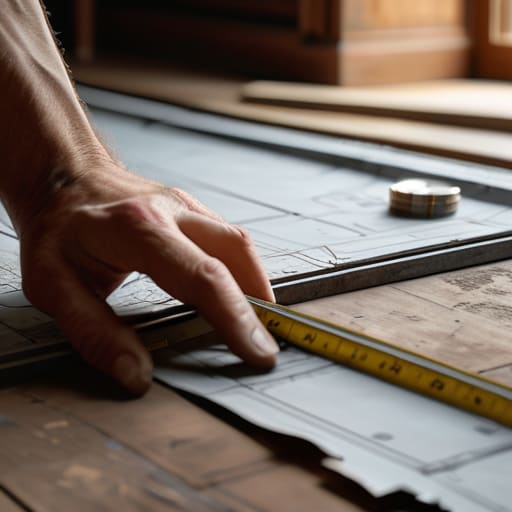
    I know it sounds daunting—staring at a spreadsheet while your bank account feels exposed—but this is exactly how wealth is built. You aren’t just buying old lumber and outdated plumbing; you are buying the opportunity to create something from nothing. There will be days when the dust is thick and the unexpected repairs feel like they’re draining your soul, but keep your eyes on the long-term goal. Once that first profitable exit hits your account, you’ll realize that those crumbling walls were actually the foundation of your future. Now, grab your laser measurer and get to work.

    Frequently Asked Questions

    How much of a contingency fund should I actually set aside for those "hidden" disasters once I tear into the walls?

    Look, if you’re planning on tearing into old walls, you have to assume something ugly is hiding behind them. I never touch a project without a 15% to 20% contingency fund. If it’s a standard cosmetic refresh, 10% might cut it, but if you’re dealing with a total gut job or an older home, aim higher. That extra cushion is the difference between a profitable flip and a personal financial disaster.

    Should I prioritize high-end finishes to boost my resale value, or keep things basic to protect my profit margins?

    Look, I’ve seen too many investors go broke trying to turn a fixer-upper into a luxury showroom. Don’t fall into that trap. Your goal isn’t to build your dream home; it’s to maximize your margin. Stick to high-quality, durable basics that appeal to the widest buyer pool. A clean, modern kitchen with solid hardware beats a marble waterfall island every single time when you’re trying to protect your equity.

    How do I distinguish between a necessary structural repair and an aesthetic upgrade that won't actually move the needle on my ARV?

    Here’s the rule of thumb I live by: if it keeps the house standing or keeps the water out, it’s a structural necessity. I’m talking foundation, roof, or electrical. You can’t skip these, but they won’t necessarily spike your ARV—they just protect your investment. Aesthetic upgrades, like quartz countertops or mid-century lighting, are what actually move the needle. Don’t overspend on “pretty” if the bones are rotting; fix the bones first, then sell the dream.

  • Improving the Exterior Look of a Home

    Improving the Exterior Look of a Home

    I remember standing on a cracked concrete driveway last October, staring at a listing that looked like a total disaster on paper. The overgrown weeds were choking out the front door, and the peeling paint made the whole structure look tired and defeated. Most “experts” would have told you that you needed a five-figure landscaping budget and a custom stone entryway to fix the problem, but they’re selling you a dream that eats your margins. In reality, curb appeal isn’t about how much money you can throw at a house; it’s about identifying the high-impact, low-cost pivots that stop a buyer in their tracks.

    I’m not here to give you a Pinterest board of expensive, impractical trends that won’t actually move the needle on your ROI. Instead, I’m going to show you how to strategically target the neglect that’s currently suppressing your property’s value. We are going to talk about the grit and the practicalities of making a house look intentional and well-maintained without breaking the bank. My goal is to help you turn that initial visual friction into instant equity through smart, decisive upgrades.

    Table of Contents

    Mastering First Impression Home Aesthetics for Maximum Profit

    Mastering First Impression Home Aesthetics for Maximum Profit

    When I’m walking up to a potential flip, I’m not just looking at the structure; I’m reading the story the exterior tells. If the entryway looks tired, buyers subconsciously assume the plumbing and electrical are just as neglected. To maximize your margins, you need to focus on first impression home aesthetics that signal quality. This isn’t about a full-scale overhaul; it’s about strategic, high-impact moves. For instance, I always look at the front door first. You don’t need a custom mahogany slab to make a statement—simply leaning into current front door color trends, like a deep navy or a muted sage, can act as a visual anchor that pulls the whole facade together.

    Beyond the door, don’t underestimate the power of greenery. I’m a huge advocate for low maintenance garden design because, let’s be real, most buyers aren’t looking to spend their weekends weeding. Think hardy perennials and clean mulch lines that suggest order and care. If you have a little extra room in the budget, adding some subtle outdoor lighting design can make the property look expensive even during twilight showings. It’s about creating an atmosphere of stability that makes a buyer feel like they’ve already found home.

    Smart Exterior Home Renovation Ideas for the Savvy Investor

    Smart Exterior Home Renovation Ideas for the Savvy Investor

    When you’re looking at a property through an investor’s lens, you aren’t just looking at flowers; you’re looking at ROI. I always tell my clients to focus on high-impact, low-cost exterior home renovation ideas that scream “well-maintained” the moment a buyer pulls up to the curb. For me, that starts with the entryway. You don’t need a full structural overhaul to change the vibe; sometimes, just leaning into current front door color trends—think a moody navy or a sophisticated sage—can act as a visual anchor that pulls the whole facade together.

    Beyond the hardware, don’t overlook the power of strategic landscaping for home value. I’m not talking about a botanical garden that requires a full-time gardener; I’m talking about a low maintenance garden design that looks intentional and clean. Think hardy perennials, fresh mulch, and crisp edging. If you want to take it a step further without breaking the bank, a simple outdoor lighting design using solar-powered path lights can make a property feel safe and high-end during evening showings. It’s about making the house look like an asset, not a liability.

    Five High-ROI Moves to Stop the Scroll and Start the Bidding War

    • Stop ignoring the entryway; a fresh coat of high-contrast paint on the front door and updated hardware can act as a psychological magnet for potential buyers.
    • Don’t dump money into complex landscaping if the basics are failing—clean up the edges, throw down fresh mulch, and prune back anything that looks like it hasn’t seen shears in a decade.
    • Lighting isn’t just for safety; swapping out those dated, plastic porch lights for something with a clean, industrial edge instantly signals that the home has been well-maintained.
    • Clean your windows until they shine; it sounds basic, but removing the grime and oxidation makes the whole structure look more expensive and well-kept from the curb.
    • Tackle the driveway and walkways—if they’re stained or cracked, a deep power wash or a strategic patch job can make a tired property look brand new without a full repave.

    The Bottom Line on Curb Appeal

    The Bottom Line on Curb Appeal.

    Stop overspending on high-end finishes that don’t move the needle; focus your budget on high-impact, visible upgrades like a fresh front door or clean landscaping that scream “well-maintained” to a buyer.

    Treat the exterior like a sales pitch—if the first thing a potential buyer sees is a cracked walkway or overgrown weeds, they’ve already mentally devalued the entire property before they even step inside.

    Always run the numbers on your exterior repairs to ensure you aren’t just spending money, but actually building equity; every dollar spent on curb appeal should be a strategic move to widen your profit margins.

    The Margin is in the Details

    “Don’t mistake curb appeal for just picking out a pretty front door; it’s about strategic sweat equity that stops a buyer in their tracks before they even see the floor plan.”

    Gareth Trelawny

    The Bottom Line on Curb Appeal

    At the end of the day, curb appeal isn’t about spending a fortune on high-end landscaping or custom masonry; it’s about strategic execution. We’ve covered how a fresh coat of paint, a manicured lawn, and updated lighting can completely shift a buyer’s perception from “this is a headache” to “this is my future home.” Remember, every dollar you sink into the exterior needs to serve a purpose: increasing perceived value and minimizing friction during the initial walkthrough. If you focus on the high-impact, low-cost wins we discussed, you aren’t just fixing up a house—you are protecting your margins and ensuring your renovation pays for itself.

    Real estate investing is rarely a clean, easy process, and the exterior of a property will often be the messiest part of the job. But that’s exactly where the opportunity lies. While other investors are scared off by peeling siding or overgrown bushes, you’re seeing the equity hiding underneath. Don’t let the dust and the dirt intimidate you. Use your eye for detail, trust your gut, and remember that every crumbling wall is just a stepping stone toward building that portfolio you’ve been dreaming of. Now, grab your laser measurer and get to work.

    Frequently Asked Questions

    At what point does spending more on landscaping become a case of diminishing returns for my ROI?

    Look, I’ve seen it happen: you start with a fresh layer of mulch and end up installing a $15,000 Japanese maple that does nothing for your margins. You hit diminishing returns the moment your landscaping costs exceed the perceived “wow factor” for a buyer. Stop chasing perfection. Once the lawn is green, the edges are crisp, and the entryway looks intentional, put your money back into the kitchen. Curb appeal gets them through the door; the interior closes the deal.

    Which exterior upgrades actually move the needle on appraisal value versus what just looks good for photos?

    Look, there’s a massive difference between “Instagrammable” and “appraisal-ready.” A trendy, oversized front door looks great in a listing photo, but it won’t move the needle like a fresh roof or updated siding will. If you want to see real equity growth, focus on the structural bones and high-impact essentials: windows, garage doors, and landscaping. Don’t waste your margins on boutique lighting if the foundation or roof is screaming for attention. Invest in what appraisers actually check.

    How do I balance high-end aesthetic upgrades with a tight renovation budget when I'm trying to protect my margins?

    Look, I get it. It’s easy to get carried away with high-end finishes, but if you overspend on the “wow” factor, you’re just eating your own profit. My rule is simple: spend big on the things people touch and see immediately—like a heavy, designer front door or matte black hardware—and save on the stuff that’s hidden. Use high-impact, mid-range materials and let smart lighting do the heavy lifting. Don’t buy luxury; buy perceived value.

  • Explaining the Brrrr Method for Investors

    Explaining the Brrrr Method for Investors

    I was standing in a kitchen that smelled like thirty years of damp drywall and regret, clutching my laser measurer like a lifeline, when it finally clicked. Most gurus online talk about the brrrr method as if it’s some sterile, mathematical equation you can solve on a spreadsheet while sipping a latte. They make it sound like a clean, automated wealth machine, but they conveniently leave out the part where you’re covered in dust, arguing with a plumber at 7:00 AM, and praying the appraisal comes in high enough to make the math work. It isn’t a magic trick; it’s a gritty, hands-on process of turning a disaster into a high-performing asset.

    I’m not here to sell you on a get-rich-quick fantasy or some complex algorithm. My goal is to strip away the fluff and show you how I actually use the brrrr method to build a portfolio from the ground up. I’m going to walk you through the real-world mechanics—from identifying undervalued shells to the crucial moment of refinancing—so you can stop dreaming about equity and start actually building it.

    Table of Contents

    The Art of Forced Equity Creation

    The Art of Forced Equity Creation.

    This is where the real magic happens—and where most people get intimidated. Forced equity creation isn’t about luck; it’s about seeing the value that’s currently hidden under layers of peeling wallpaper and outdated linoleum. When I walk into a property, I’m not just looking at a kitchen; I’m looking at a way to instantly jump the property’s value. My goal is to execute renovations that move the needle on the after repair value calculation without blowing my entire budget on aesthetics that don’t actually add worth. You have to be surgical about it.

    If you spend $20k on a high-end marble backsplash that only adds $5k in value, you haven’t built equity—you’ve just made an expensive mistake. I focus on the heavy hitters: updated flooring, fresh neutral paint, and functional kitchen upgrades. You want to create enough spread between your total investment and the new appraisal so that your cash-out refinance strategies actually work. It’s about being strategic with every dollar you pull from your bank account to ensure that when you go to the bank, the numbers tell a story of massive, undeniable growth.

    Calculating Your After Repair Value Accurately

    Calculating Your After Repair Value Accurately.

    Here is where most rookies trip up and lose their shirts. You can’t just walk into a dilapidated bungalow, look at the peeling paint, and “feel” like it’ll be worth six figures once you’re done. That’s how you end up stuck with a money pit instead of a portfolio piece. A proper after repair value calculation requires you to look past the current wreckage and study the comps—the houses that have actually sold in the last six months within a half-mile radius. I’m talking about properties that look exactly like what your finished product will look like, not what it looks like now.

    Don’t rely on Zillow’s automated estimates; they’re notoriously optimistic and don’t account for the specific finishes that drive value in a competitive market. I always pull the raw data myself to ensure my margins are airtight. If your math is off by even 5%, it can completely derail your cash-out refinance strategies later on. You need to know exactly how much value you’re adding so that when you go to the bank, you aren’t praying for a loan—you’re presenting a proven asset.

    Don't Get Burned: 5 Rules for Staying Profitable

    • Don’t get cute with your renovation budget. I’ve seen too many investors blow their margins because they didn’t account for the “hidden” stuff—the mold behind the drywall or the outdated wiring that only shows up once you start swinging a hammer. Always leave a 15% contingency fund; it’s not a suggestion, it’s survival.
    • Focus your sweat equity on the high-ROI zones. I’m not talking about high-end custom cabinetry that won’t move the needle. I’m talking about kitchens and bathrooms. If you want to force equity, you make the spaces where people spend their time look modern, clean, and functional.
    • Your exit strategy needs to be airtight before you even pick up a sledgehammer. Are you refinancing to hold as a rental, or are you prepping for a quick flip? Knowing your end game dictates whether you invest in long-term durability or quick-fix aesthetic upgrades.

    • Nail your lender relationship early. The “Refinance” part of BRRRR is where most people trip up. If your lender isn’t comfortable with the type of property you’re flipping or the specific way you’re calculating value, you’ll find yourself stuck with a house you can’t pull cash out of.
    • Stop chasing “pretty” and start chasing “profitable.” It’s easy to get carried away picking out mid-century modern light fixtures for your own taste, but if those fixtures don’t help you hit your target After Repair Value (ARV), they’re just expensive distractions. Every dollar you spend must have a clear path to increasing the home’s appraised value.

    The Bottom Line on BRRRR

    The Bottom Line on BRRRR strategy.

    Don’t get blinded by the renovation process; your entire profit margin lives or dies by how accurately you nail that After Repair Value (ARV) before you even swing a hammer.

    Forced equity is your real engine for growth—you aren’t just fixing a house, you’re strategically manufacturing value that the market will pay for.

    The goal isn’t just to finish a flip; it’s to recycle your capital so you can move on to the next project without being stuck with all your cash tied up in a single property.

    The Real Truth About BRRRR

    “The BRRRR method isn’t some magic trick for getting rich overnight; it’s about having the grit to see value where everyone else just sees a mess, and the discipline to turn that sweat equity into a scalable machine.”

    Gareth Trelawny

    The Bottom Line on BRRRR

    At the end of the day, mastering the BRRRR method isn’t about chasing a get-rich-quick scheme; it’s about the disciplined execution of a proven cycle. We’ve talked about the necessity of forced equity—that sweet spot where your sweat equity turns a disaster into a dream—and the absolute non-negotiable requirement of an accurate After Repair Value. If your math is off, or if you underestimate the cost of those inevitable renovation surprises, the whole house of cards can come tumbling down during the refinance stage. You have to be precise, you have to be prepared, and you have to know your numbers before you ever pick up a sledgehammer.
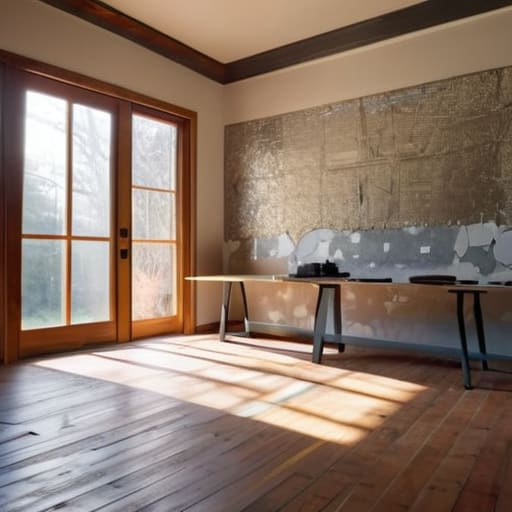
    Look, I know the idea of managing a renovation while juggling bank appraisals and refinancing paperwork feels overwhelming. There will be days when you’re standing in a dusty kitchen, staring at a plumbing disaster, wondering why you didn’t just stick to a 9-to-5. But that is exactly where the wealth is built. Real estate isn’t for the faint of heart, but for those willing to embrace the mess, it is the most reliable vehicle for building lasting equity. Stop waiting for the perfect market or a massive windfall. Find a fixer-upper, do the work, and start building your empire one brick at a time.

    Frequently Asked Questions

    How much of a cushion should I actually keep in my bank account to handle those inevitable renovation surprises?

    Look, if you’re planning a renovation with zero margin for error, you’re not investing—you’re gambling. I never step onto a job site without a 15% to 20% contingency fund sitting in liquid cash. Whether it’s a hidden mold issue or an electrical panel that’s seen better decades, those surprises will happen. Don’t let a plumbing disaster eat your entire profit margin. Build that cushion into your math from day one.

    Is it better to go for a massive overhaul to maximize value, or should I stick to smaller, high-impact cosmetic fixes?

    Look, I’ve seen people blow their entire budget on a gut renovation only to realize they overbuilt for the neighborhood. Don’t do that. My rule of thumb? Aim for high-impact cosmetic fixes that drive the most “wow” factor per dollar spent. Focus on kitchens, bathrooms, and fresh paint. Unless the bones are actually rotting, a massive overhaul usually eats your margins. You want to maximize equity, not just spend money for the sake of it.

    How do I know if I’m actually hitting my target equity once the refinance process begins?

    You’ll know you’ve hit the mark when the appraisal numbers actually align with your math—not your hopes. I always keep a close eye on the debt service coverage ratio during the refinance. If your new mortgage payment is comfortably covered by the rental income and you’ve successfully pulled out enough capital to cover your initial investment, you’ve won. If the bank’s valuation comes in low, it’s a signal you over-improved or miscalculated your ARV.

  • Best Practices for Tiling Surfaces

    Best Practices for Tiling Surfaces

    I still remember the exact moment I realized that most “expert” advice in the renovation world is just a way to pad a contractor’s invoice. I was standing in a cramped, dimly lit bathroom of a fixer-upper I’d just picked up, staring at a crooked, cracked backsplash that looked like it had been laid by someone in a blindfold. I had spent hours scouring the internet for professional tiling tips, only to find endless, fluff-filled articles suggesting I needed a thousand-dollar specialized kit just to handle a basic subway tile. It was infuriating. People act like tiling is some mystical art form reserved for the elite, when in reality, it’s just about smart preparation and not cutting corners when nobody is watching.

    I’m not here to sell you on expensive gadgets or complicated theories that don’t work in a real-world job site. Instead, I’m going to give you the straight talk on how to execute a flawless finish without draining your renovation budget. We’re going to dive into the gritty, practical side of things—from leveling your subfloor to mastering your grout lines—so you can turn a mediocre bathroom into a high-equity asset. If you want the truth about what actually makes a tile job look expensive versus what just wastes your time, you’re in the right place.

    Table of Contents

    Subfloor Preparation for Tile Building on a Solid Foundation

    Subfloor Preparation for Tile Building on a Solid Foundation

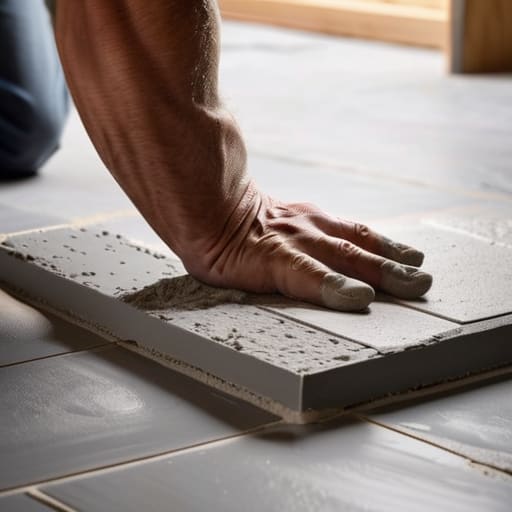
    Look, I’ve seen more beautiful, expensive tile jobs ruined by a lazy subfloor than I care to admit. You can buy the most stunning marble slabs on the market, but if your base is uneven or bouncy, you’re essentially throwing money down the drain. Proper subfloor preparation for tile isn’t just about making things look pretty; it’s about structural integrity. If you’re working over plywood, you need to ensure it’s rock-solid and securely fastened to the joists. Any flex in that floor is going to telegraph through your grout lines and eventually crack your tiles.

    Before you even think about opening a bag of thin-set, grab your laser measurer and check for level. If you have dips or high spots, use a self-leveling underlayment to flatten the field. This is the single most important step for preventing lippage during tiling, which is that annoying, uneven lip where one tile sits higher than its neighbor. Trust me, when a potential buyer runs their foot over a lip in a high-end renovation, they don’t see “character”—they see a lack of professional craftsmanship.

    Choosing the Right Tile Adhesive for Long Term Value

    Choosing the Right Tile Adhesive for Long Term Value

    Look, I’ve seen too many beautiful, high-end renovations fall apart because someone tried to cut corners on the thin-set. If you’re looking at a heavy porcelain slab or a natural stone, you can’t just grab the cheapest bucket on the shelf and hope for the best. Choosing the right tile adhesive is about more than just sticking things to the floor; it’s about ensuring that your investment doesn’t start popping loose six months after the closing date. If you’re working with large-format tiles, you need a high-performance, polymer-modified mortar that can handle the weight and the slight shifts in the structure.

    One of the biggest tiling mistakes to avoid is using an adhesive that doesn’t match your tile’s absorption rate. If you use a standard mortar for a highly absorbent stone, the tile will suck the moisture right out of the bond, leaving you with a hollow, crunchy mess underfoot. I always tell my clients: don’t skimp here. A premium adhesive might cost a few extra bucks upfront, but it’s a small price to pay for preventing lippage during tiling and ensuring those floors stay rock-solid for the next twenty years.

    The Details That Separate a Flip from a Fail: 5 Tiling Essentials

    • Stop obsessing over the pattern and start focusing on the layout. I’ve seen too many rookies start in a corner only to realize they’ve left themselves with a tiny, ugly sliver of tile against the far wall. Find your centerline first and dry-lay your tiles to ensure your cuts are balanced and intentional.
    • Don’t skimp on the grout quality. If you’re looking to build long-term equity, you want a grout that actually resists staining and cracking. I always lean toward high-performance, pre-mixed or polymer-modified grouts because I don’t have time to come back to a property six months later to scrub out discoloration.
    • Check your leveling constantly. A single tile sitting a millimeter higher than its neighbor—what the pros call “lippage”—is a massive red flag for any savvy buyer. Use a leveling clip system; it’s a small upfront investment that saves you from a botched job and a much lower appraisal.
    • Respect the drying time. I know it’s tempting to rush into grouting because you want to see the finished product, but if that adhesive hasn’t fully cured, you’re asking for disaster. Patience in the curing phase is what prevents tiles from shifting and ruining your margins.
    • Plan your grout lines with the end goal in mind. If you’re working with large-format tiles, keep those grout lines minimal to create that sleek, seamless look that sells. But if you’re using handmade or textured tiles, give them some breathing room so the natural imperfections don’t look like mistakes.

    The Bottom Line: Don't Cut Corners on the Foundation

    Never skip the subfloor prep; a level base is the difference between a high-end finish and a cracked, money-losing disaster.

    Invest in high-quality adhesive because cheap glue is a shortcut that will eventually cost you double in repairs and lost equity.

    Treat every tile installation as a long-term asset play—if the prep work isn’t professional, the ROI won’t be either.

    ## The Real Cost of Cutting Corners

    “If you try to save a few hundred bucks by rushing the layout or skimping on the thinset, you aren’t actually saving money—you’re just pre-ordering a massive repair bill that’ll eat your entire profit margin on the flip.”

    Gareth Trelawny

    The Bottom Line on Better Tiling

    The Bottom Line on Better Tiling.

    At the end of the day, tiling isn’t just about picking out a pretty pattern at the showroom; it’s about the grit you put in before the first piece even touches the floor. If you skimp on the subfloor prep or grab the cheapest adhesive just to save a few bucks on the budget, you aren’t saving money—you’re just scheduling a future disaster. I’ve seen too many investors lose their margins because they tried to cut corners on the technical stuff. Remember, the goal is to create a finish that looks high-end and, more importantly, stays that way long after the paint has dried. Invest in the prep, and the profit will follow.

    I know that staring at a bare, dusty room can feel overwhelming, especially when you’re midway through a renovation and things are getting messy. But don’t let the dust intimidate you. Every perfectly leveled tile and every clean grout line is a step toward increasing your property’s value and building that generational wealth we’re all after. It’s about seeing the vision through the chaos. Take your time, measure twice, and don’t be afraid to get your hands dirty. You aren’t just laying tile; you are building equity, one square foot at a time.

    Frequently Asked Questions

    How do I figure out if I should go with a standard grout or an epoxy grout to avoid staining issues down the line?

    Look, if you’re renovating a high-traffic area like a kitchen backsplash or a shower floor, just bite the bullet and go with epoxy. Standard grout is basically a sponge; it’ll soak up every drop of grease or soap scum until it looks filthy, and then you’re stuck scrubbing for hours. Epoxy is more expensive and a total pain to apply, but it’s non-porous. It stays clean, which means less maintenance and better long-term value.

    What’s the best way to choose a tile pattern that actually makes a small, cramped bathroom feel more expensive?

    Stop thinking about what looks “pretty” and start thinking about visual lines. If you want to trick the eye into seeing space, go with a large-format tile and minimal grout lines; it reduces visual clutter and makes the floor feel continuous. If you’re feeling bold, a vertical stack pattern can draw the eye upward, making low ceilings feel much higher. Just remember: keep the grout color close to the tile to avoid a choppy, cramped look.

    When am I actually going to see a return on investment from high-end tile versus just using something budget-friendly?

    Look, if you’re flipping a budget rental, don’t waste the capital on hand-painted Moroccan cement tiles. You won’t see that money back. But if you’re targeting the mid-to-high-end market, that’s where the ROI lives. High-end tile in high-impact zones—like a primary ensuite or a kitchen backsplash—creates that “wow” factor in listing photos. It signals quality and tells buyers the house hasn’t been skimped on, allowing you to push your asking price higher.

  • Finishing Window Frames With Trim

    Finishing Window Frames With Trim

    I was standing in a dusty, gutted living room in a mid-century ranch last October, staring at a set of water-damaged, peeling casings, when my contractor suggested we pull the whole window assembly to “do it right.” I nearly laughed in his face. Most people think you need to spend thousands on custom-milled millwork to make a renovation look high-end, but that is a massive waste of capital that eats directly into your margins. The truth is, you don’t need a custom budget to fix bad window trim; you just need to know which specific profiles actually add value and which ones are just expensive filler.

    I’m not here to sell you on a Pinterest-perfect fantasy that leaves your bank account empty. Instead, I’m going to give you the straightforward, boots-on-the-ground truth about selecting, installing, and finishing trim that maximizes your ROI. We’re going to talk about how to spot the difference between a cheap fix and a strategic upgrade, ensuring every dollar you spend on those frames is actually building equity rather than just burning cash.

    Table of Contents

    Choosing Window Trim Material Types That Last

    Choosing Window Trim Material Types That Last

    When you’re staring down a renovation budget, it’s tempting to grab the cheapest MDF you can find at the big-box store. But if you’re looking to build real equity, you need to think about longevity. For high-traffic areas or rooms prone to moisture, I always lean toward solid wood or high-quality polyurethane. Wood gives you that authentic, substantial feel that buyers can actually sense when they walk through a room, but it requires a bit more love in terms of sanding and painting.

    If you’re aiming for a sleeker, more streamlined look, exploring different window trim material types is essential to matching your overall design intent. For instance, if I’m working on a mid-century modern rehab, I might opt for thinner, more precise profiles that don’t scream “builder grade.” You don’t want to pick a material that warps or peels in two years; that’s just throwing your profit margin down the drain. Instead, focus on selecting architectural window detailing that complements the structural integrity of the house, ensuring the finish stays crisp long after the closing papers are signed.

    Finding Value in Decorative Window Frame Profiles

    Finding Value in Decorative Window Frame Profiles

    When you’re walking through a neglected property, the bones tell you a lot, but the details tell you the profit margin. I always tell my clients to look closely at the existing architectural window detailing. If you’re dealing with a house that has character—think Craftsman or Victorian—ripping out heavy, ornate profiles to install basic, flat stock is a rookie mistake that kills your resale value. You want to find a profile that respects the home’s era while feeling intentional. Sometimes, all it takes is a bit of sanding and a fresh coat of paint to make a vintage profile look high-end rather than dated.

    On the flip side, if you’re flipping a mid-century minimalist space, you want to lean into clean, sharp lines. In these cases, I look for modern window trim design ideas that emphasize geometry over fluff. A slim, flat casing can instantly elevate a room from “old fixer-upper” to “curated contemporary.” The goal isn’t just to cover the gap between the wall and the frame; it’s about using those shapes to frame the view like a piece of art. That’s how you turn a standard renovation into a high-value asset.

    My Pro Tips for Getting Window Trim Right the First Time

    • Don’t skimp on the quality of your caulk; if you leave gaps between the trim and the wall, the whole room looks amateur, and you’ll be back fixing it in six months.
    • Always measure your window openings twice before ordering any custom profiles—nothing kills my profit margin faster than a piece of expensive millwork that’s a quarter-inch too short.
    • Think about the paint job, not just the wood; if you’re working with a tight budget, choose a smooth MDF trim that takes paint beautifully so you can save on material costs without sacrificing the look.
    • Use the trim to hide your mistakes, specifically where the drywall meets the window casing, so you don’t have to spend extra hours on perfect plasterwork.
    • Stick to classic, timeless profiles rather than anything too trendy; I want these flips to look high-end for years, not like they were stuck in a specific design fad from three years ago.

    The Bottom Line on Window Trim

    Don’t overspend on high-end exotic woods; focus on durable, moisture-resistant materials like primed MDF or composite that can handle the wear and tear of a new homeowner.

    Prioritize profile over prestige—a clean, modern trim profile can make a dated room feel instantly renovated without the cost of custom millwork.

    Treat trim as the finishing touch that seals the deal; it’s the bridge between your paint job and your walls, so don’t skimp on the quality if you want that “finished” look that drives equity.

    The Small Detail That Protects Your Margin

    “When you’re staring down a renovation budget, it’s easy to want to skip the window trim to save a few bucks, but don’t. It’s one of those small, inexpensive details that bridges the gap between a house that looks ‘rehabbed’ and a home that looks high-end. If you leave the old, beat-up casing in place, you’re essentially leaving equity on the table.”

    Gareth Trelawny

    The Bottom Line on Trim and ROI

    The Bottom Line on Trim and ROI.

    At the end of the day, window trim isn’t just a finishing touch; it’s a strategic decision that bridges the gap between a “renovated house” and a “designer home.” We’ve covered how picking the right material—whether it’s durable MDF or high-end wood—can prevent future maintenance headaches, and how selecting a profile that complements your architectural style can significantly boost perceived value. Don’t let yourself get distracted by the big-ticket items like kitchen islands and forget that it is often these small, structural details that catch a buyer’s eye during a walkthrough. If you invest the time to get the trim right, you aren’t just covering up gaps; you are solidifying the equity you’ve worked so hard to build.

    I know that when you’re staring at a gutted room with dust in your lungs, it’s easy to feel overwhelmed by the minutiae. But remember, every successful flip is just a series of smart, calculated choices stacked on top of one another. You don’t need a perfect, untouched house to start building wealth; you just need the grit to fix the parts that are broken. Treat every piece of molding and every corner bead as an opportunity to transform a liability into an asset. Keep your eyes on the prize, keep your laser measurer handy, and go turn those crumbling walls into real profit.

    Frequently Asked Questions

    How do I figure out if the existing trim is worth saving or if it’s faster to just rip it all out?

    Look, I’ve been there—staring at a wall wondering if I’m about to waste a weekend or save a fortune. If the trim is solid wood and has a profile that isn’t totally dated, save it. It adds character that new MDF just can’t mimic. But if it’s water-damaged, crumbling, or made of cheap, flimsy material, don’t fight the battle. Rip it out. Your time is better spent on things that actually drive equity.

    Is it worth spending more on high-end casing if I'm planning to flip the house in under a year?

    If you’re flipping in under a year, don’t go overboard on custom-milled, high-end casing. You’ll eat your margins before you even hit the closing table. Instead, aim for the “sweet spot”: high-quality, pre-primed MDF with a substantial profile. It looks expensive in listing photos and handles the rigors of a renovation better than cheap pine, but it won’t drain the equity you’re trying to build. Keep it clean, keep it classy, but keep it profitable.

    What's the best way to handle trim installation if the walls in this old fixer-upper are completely unlevel?

    Look, I’ve been in plenty of houses where the walls look like they’re leaning mid-collapse. If the walls are unlevel, do not try to force the trim to follow those crooked lines—you’ll end up with massive, ugly gaps. Instead, use a slightly wider profile to mask the wonkiness and rely on high-quality caulk and wood filler to bridge the seams. It’s all about making the eye believe the line is straight.