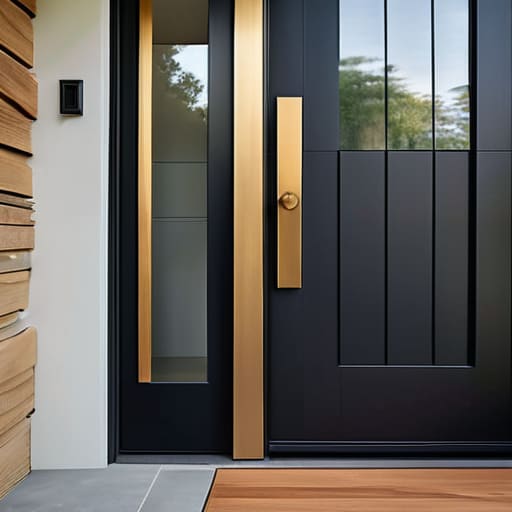
I remember standing on the porch of my first real flip, staring at a door so warped and sun-bleached it looked like it belonged in a horror movie. I had a budget that was already stretched thin from unexpected plumbing issues, and the contractor I’d called was trying to upsell me on a custom, hand-carved mahogany masterpiece that would have eaten my entire profit margin before I even finished the kitchen. That’s when it hit me: most people think a front door replacement has to be this massive, expensive ordeal to make an impact, but they’re missing the point. You don’t need a custom build from a boutique artisan to command attention; you just need something that looks intentional and holds its value.
I’m not here to sell you on luxury trends that won’t actually move the needle on your ROI. Instead, I’m going to give you the straight talk on how to approach a front door replacement without bleeding cash. I’ll show you how to spot high-impact materials, avoid the common installation traps that lead to drafts and drafts, and choose a style that actually builds equity. Let’s get to work.
Table of Contents
A Front Door Material Comparison for the Savvy Investor
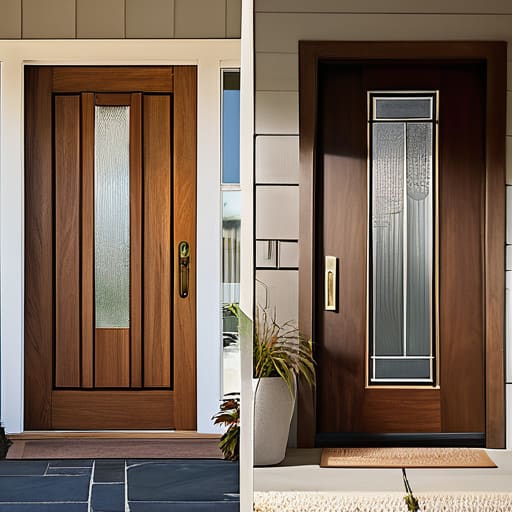
When I’m walking through a property, I’m not just looking at the aesthetics; I’m looking at the ROI. A quick front door material comparison is essential because the wrong choice can eat your margins. If you’re flipping a budget-friendly starter home, fiberglass is usually my go-to. It mimics the look of wood without the maintenance nightmare, and it’s incredibly durable. However, if you’re hunting for a high-end mid-century modern gem, nothing beats a solid wood door for that authentic, premium feel. Just be prepared to factor in the higher upfront cost.
For the more pragmatic investor focusing on long-term holds or energy-conscious buyers, I always suggest looking into energy efficient entry doors. Steel is a powerhouse here—it’s incredibly secure and holds up well against the elements, though it can feel a bit “cold” if you don’t style it right. Regardless of what you pick, don’t skimp on the security features for new front doors. A buyer wants to feel safe the moment they step onto the porch, and a flimsy installation can kill a deal faster than a cracked foundation.
Modern Entryway Design Trends That Command Higher Rents
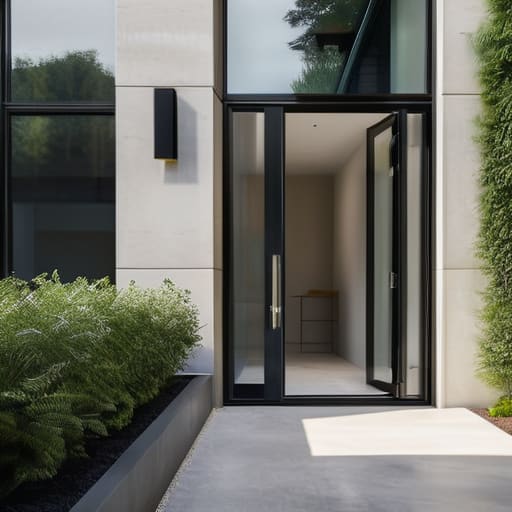
If you’re looking to attract high-quality tenants or buyers, you need to stop thinking about a door as just a way to get inside. In today’s market, modern entryway design trends lean heavily toward clean lines and high-contrast aesthetics. I’ve found that a matte black steel frame paired with large glass panes does more than just look expensive; it creates a sense of “architectural intent” that justifies a higher rental premium. When people walk up to a property, they should feel like they’re stepping into a curated space, not a dated rental unit.
Beyond the look, don’t ignore the functional upgrades that actually move the needle on your ROI. I always prioritize installing energy efficient entry doors because they allow me to market the property as a low-utility-cost home, which is a massive selling point for long-term renters. While you’re at it, ensure the hardware feels substantial. Swapping out flimsy, builder-grade handles for something heavy and tactile makes the whole entryway feel secure and premium. It’s these small, strategic details that turn a basic renovation into a high-performing asset.
Five Pro Moves to Maximize Your ROI During a Door Swap
- Don’t skimp on the hardware; I’ve seen too many investors drop thousands on a custom oak door only to ruin the aesthetic with cheap, flimsy brass handles that feel like plastic. Invest in heavy, high-quality matte black or brushed nickel hardware to give that tactile sense of luxury the moment a potential buyer touches the handle.
- Pay attention to the threshold and the sweep. There is nothing that kills a “high-end” vibe faster than a drafty entryway or a door that scrapes against the floor; make sure your installation includes a tight seal to prove to buyers that the house isn’t just pretty, but actually well-built.
- Match your door’s energy to the architectural bones of the property. If I’m flipping a mid-century bungalow, I’m looking for something with clean lines and perhaps a touch of glass; putting a heavy, ornate Victorian door on a minimalist home is a rookie mistake that creates visual friction rather than value.
- Lighting is your silent partner in curb appeal. When you’re replacing the door, use that opportunity to upgrade the sconces or overhead lighting to something that frames the new entrance; a well-lit doorway makes the property look safe and inviting during those crucial evening showings.
- Think about the “smart” factor for long-term rental plays. If you’re aiming for a high-end rental rather than a quick flip, installing a sleek, integrated smart lock can be a massive selling point for tech-savvy tenants who value convenience and security from day one.
The Bottom Line: Making the Door Work for Your ROI
Don’t get distracted by flashy, high-maintenance materials; pick a door that balances aesthetic appeal with durability so you aren’t dealing with warping or rot three months after a tenant moves in.
Treat the entryway as your primary marketing tool—a modern, high-contrast door is often the most cost-effective way to make a dated property look “renovated” in listing photos.
Always budget for the hardware and lighting alongside the door itself, because a premium door paired with cheap, dated handles will instantly kill the high-end vibe you’re trying to build.
The Investor's Edge
Stop thinking about a front door as just an entryway; start seeing it as the most cost-effective marketing tool in your renovation arsenal. You can spend fifty thousand on a kitchen remodel, but if a buyer pulls up to a peeling, dated door, they’ve already decided the house isn’t worth the hype.
Gareth Trelawny
The Bottom Line on Entryway ROI
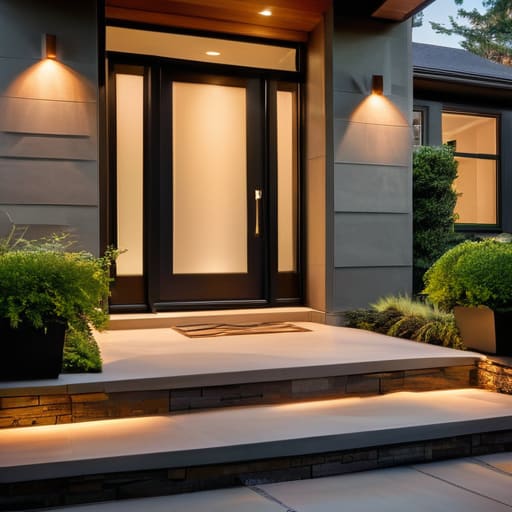
At the end of the day, replacing a front door isn’t just about aesthetics; it’s a calculated move to maximize your margins. Whether you decide to go with the durability of fiberglass or the high-end prestige of solid wood, you have to weigh that initial outlay against the long-term value it adds to the property. We’ve looked at how the right materials and current design trends can significantly boost your curb appeal and, more importantly, drive up your rental rates or resale price. Don’t let a weathered, peeling entrance be the reason a potential buyer or tenant walks away before they even see your interior work. It is one of the smartest high-impact plays in your renovation toolkit.
I know that when you’re staring at a crumbling entryway and a mounting list of repairs, it can feel overwhelming. But remember, every major portfolio I’ve built started with these exact kinds of tactical decisions. You aren’t just swapping out hardware and wood; you are building equity, one strategic upgrade at a time. Don’t be afraid to get your hands dirty and make the changes that turn a neglected house into a high-performing asset. Focus on the details, trust your eye for potential, and keep pushing toward that goal of generational wealth. You’ve got this.
Frequently Asked Questions
How do I know if I can just refinish the existing door or if a full replacement is actually necessary for the ROI?
Look, I’ve been there—staring at a door wondering if I’m throwing money down the drain. Here’s my rule of thumb: if the wood is just faded or scratched, refinish it. It’s a cheap win. But if you see soft spots, rot at the base, or the frame is warped so it won’t latch? Walk away from the sander. That’s a structural failure. In those cases, a full replacement isn’t an expense; it’s a necessary investment in equity.
What’s the realistic timeline for a door installation, and how much does that downtime actually impact my renovation schedule?
Look, don’t let a door installation stall your entire job site. A standard swap usually takes one day, but if you’re doing a full frame replacement, budget forty-eight hours. The real killer isn’t the install time; it’s the lead time on ordering. If you don’t order that custom mid-century piece weeks in advance, your whole renovation schedule will bleed out waiting for a delivery. Plan ahead so your crew isn’t standing around twiddling their thumbs.
Are there specific security features I should prioritize to satisfy both insurance requirements and high-end tenant expectations?
If you’re targeting high-end tenants, don’t just settle for a standard deadbolt. They expect peace of mind. I always prioritize smart locks with keypad entry—it’s a massive selling point for renters who hate fumbling for keys. Pair that with a reinforced strike plate and a heavy-duty door frame. From an insurance standpoint, showing you’ve upgraded to high-grade hardware makes you look like a responsible landlord and can actually help lower your premiums.
