
I was standing in a gutted Victorian kitchen last Tuesday, covered in drywall dust and clutching my laser measurer, when I realized how much the industry lies to you. Most people think you need a master’s degree or a six-figure seminar to master real estate investment education, but that’s just expensive noise designed to separate you from your savings. I’ve seen too many aspiring investors get paralyzed by complex spreadsheets and theoretical jargon when, in reality, the most important lessons aren’t found in a textbook—they’re found in the structural integrity of a foundation and the true cost of a plumbing overhaul.
I’m not here to sell you a dream or a polished, academic theory. My promise to you is simple: I’m going to strip away the fluff and give you the boots-on-the-ground knowledge I’ve gained from years of turning neglected properties into profitable assets. We are going to focus on the practical side of real estate investment education, focusing on how to spot actual value, manage a renovation without losing your mind, and build genuine equity one brick at a time.
Table of Contents
Mastering Real Estate Financial Analysis Skills

Look, you can have the best eye for mid-century teak or a killer vision for an open-concept kitchen, but if you can’t make the math work, you don’t have a business—you have an expensive hobby. Mastering real estate financial analysis skills is what separates the professionals from the people who end up underwater on their first loan. I learned this the hard way early on; I used to get so caught up in the aesthetic of a renovation that I’d overlook a massive deficit in the projected cap rate. You need to be able to look at a spreadsheet and see the truth behind the drywall.
This means getting comfortable with cash flow projections, ROI calculations, and understanding how much “buffer” you actually need for those inevitable plumbing disasters. Whether you are looking into flipping houses for beginners or scaling up to larger assets, the numbers are your only North Star. Don’t just guess based on a gut feeling. You need to know exactly how much every square foot is going to cost you and, more importantly, how much it’s going to earn you once the dust settles.
Flipping Houses for Beginners Spotting Gold in Rubble
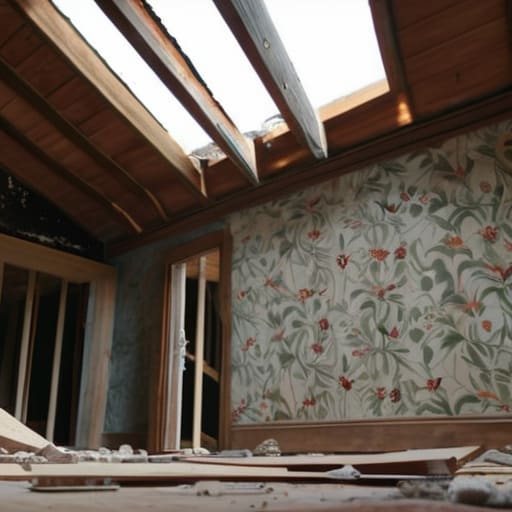
When you’re standing in a house that smells like damp drywall and regret, most people see a money pit. I see an opportunity. The secret to flipping houses for beginners isn’t about having a magic wand; it’s about learning to see past the ugly shag carpet and the outdated kitchen to find the structural bones. I always tell my clients to look for the “bones” first—the layout, the foundation, and the roof. If the skeleton is solid, the cosmetic stuff is just a puzzle you can solve with sweat equity and a bit of grit.
Don’t get distracted by the surface-level chaos. While some people might dive into expensive rental property investment courses to learn about long-term holds, a flip requires a different kind of vision. You need to identify which repairs will actually drive the highest ROI and which are just vanity projects. I keep my laser measurer handy for a reason; you need to know exactly how much space you’re working with before you commit a single cent to a contractor. It’s about being ruthlessly pragmatic with your budget so you can turn that rubble into actual profit.
Beyond the Books: What You Actually Need to Know to Win
- Stop obsessing over theory and start learning the math of a renovation. You need to know exactly how much a subfloor repair or a new electrical panel will eat into your margins before you ever sign a contract.
- Build your own personal “brain trust” of local pros. Real estate education isn’t just reading textbooks; it’s knowing which plumber won’t ghost you and which contractor actually respects a timeline.
- Learn to read a blueprint like it’s your native language. If you can’t look at a set of floor plans and visualize where the load-bearing walls are, you’re just gambling, not investing.
- Master the art of the “walk-through.” Don’t just look at the pretty kitchen; learn to spot the red flags in the foundation and the water damage hidden behind fresh paint that others will miss.
- Understand local zoning and building codes inside out. There is nothing more expensive than a beautiful renovation that gets flagged by the city because you didn’t know the local setback requirements.
The Bottom Line: Turning Vision into Equity
Stop looking for perfection and start looking for potential; the real money is made in the gap between a property’s current state and what it could be with the right design and structural fixes.
Master your numbers before you swing a hammer, because a beautiful renovation won’t save a deal if your financial analysis was flawed from the start.
Treat every renovation as a strategic move toward wealth, not just a home improvement project—focus on the upgrades that actually drive market value and maximize your ROI.
## Knowledge is the Best Tool in Your Belt
“You can buy all the high-end finishes in the world, but if you don’t understand the math behind the renovation, you’re just decorating a sinking ship. Real estate education isn’t about memorizing textbook theories; it’s about learning how to see the equity hidden behind a layer of peeling wallpaper and a bad floor plan.”
Gareth Trelawny
From Theory to Trowels

Look, we’ve covered a lot of ground, from the nitty-gritty of financial analysis to the actual art of spotting a diamond in the rough. Real estate investment education isn’t just about memorizing formulas or reading textbooks; it’s about building the intuition to see what a house could be, rather than what it currently is. You need to master the numbers so you don’t get blindsided by a bad foundation, but you also need the grit to handle the chaos of a job site. If you can bridge that gap between strategic planning and hands-on execution, you’re already miles ahead of the average investor who is too afraid to get their boots dirty.
At the end of the day, the biggest risk isn’t a bad renovation or a market dip—it’s staying on the sidelines because you’re waiting for the “perfect” moment. Perfection doesn’t exist in this business, but opportunity is everywhere if you know where to look. Stop waiting for a massive windfall to fall into your lap and start treating every cracked tile and outdated layout as a stepping stone toward your future. Grab your tools, trust your research, and go turn that rubble into solid, generational wealth. I’ll see you on the job site.
Frequently Asked Questions
How much of my own cash do I actually need to have on hand before I can start my first renovation project?
Look, I’ll give it to you straight: don’t go into your first flip with zero cushion. While you can leverage hard money or private lenders to cover the purchase and rehab, you absolutely need liquidity for the “oh crap” moments. I always recommend having at least 10-15% of your total project budget in cash. Whether it’s a plumbing disaster or a contractor walking off the job, that cash is your lifeline.
What are the red flags I should look for during a walkthrough that tell me a house is a money pit rather than a gold mine?
Look, there’s a massive difference between “cosmetic character” and a structural nightmare. If I see fresh paint hiding massive water stains on the ceiling, my alarm bells go off immediately. Watch out for uneven floors, cracks in the foundation, or the smell of mold—those aren’t just quick fixes; they’re budget killers. If the electrical panel looks like a bird’s nest of tangled wires, walk away. Don’t let a pretty kitchen blind you to a failing foundation.
How do I balance my design vision with the hard math of a renovation budget to ensure I don't eat up all my potential profit?
Listen, I get it. My interior design brain wants the custom walnut cabinetry, but my investor brain knows that’s a profit killer. The trick is to treat your design as a hierarchy. Invest heavily in the “high-touch” areas—the kitchen and primary bath—where buyers actually feel the value. For everything else? Stick to the math. If a design choice doesn’t directly increase your ROI or the resale speed, leave it in the showroom.
