I was kneeling on a dusty subfloor in a fixer-upper outside of Portland last Tuesday, staring at a set of oak planks that looked more like a crime scene than a premium feature. Most “experts” would have told me the only solution was a full, expensive sand and refinish, but I’ve learned that’s often just a way to drain your renovation budget. People treat hardwood floor care like it’s some mystical, high-maintenance ritual involving specialized chemicals that cost more than the wood itself. Honestly? That’s a total myth designed to keep you spending money you should be earmarking for your next down payment.
I’m not here to sell you on a lifestyle of constant polishing or expensive, boutique cleaners. My goal is to give you the straight truth on how to maintain your surfaces without losing your mind or your profit margins. I’m going to walk you through the practical, no-nonsense methods I use on my own job sites to keep floors looking pristine and high-value. We’re going to focus on smart, efficient maintenance that protects your equity and keeps your investment looking like a million bucks.
Table of Contents
- Preventing Scratches on Wood Floors to Save Your Investment
- Mastering Hardwood Floor Moisture Control to Avoid Structural Decay
- Five Pro Moves to Keep Your Floors From Eating Your Profits
- The Bottom Line: Protecting Your ROI
- ## The Real Cost of Neglect
- Protecting the Equity Beneath Your Feet
- Frequently Asked Questions
Preventing Scratches on Wood Floors to Save Your Investment
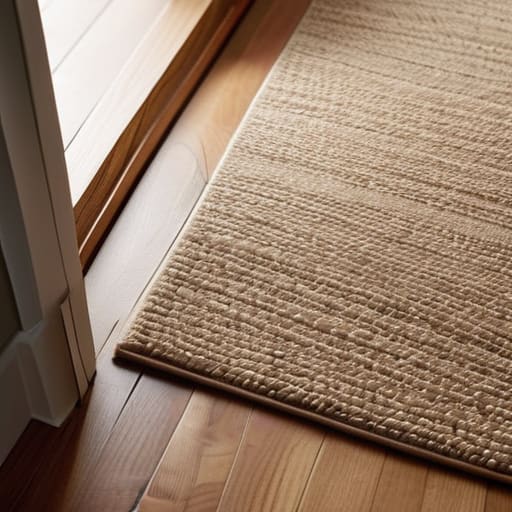
When I’m scouting a new fixer-upper, I’m not just looking at the layout; I’m looking at the condition of the surfaces. Nothing kills your ROI faster than a floor that looks like it’s been through a war zone. To avoid the headache of a full hardwood floor refinishing process, you have to be proactive about preventing scratches on wood floors before they even happen. It starts with the small stuff—think felt pads on every single piece of furniture legs and high-quality mats at every entrance to catch grit and sand. Those tiny particles act like sandpaper under your feet, and once they bite into the grain, you’re playing defense.
I also tell my clients to watch their pets and their footwear. If you’re walking around in heavy boots or letting a dog with long claws roam free, you’re essentially sabotaging your own equity. It’s about creating a barrier between the chaos of daily life and that pristine finish. Think of it as a defensive strategy for your assets. If you manage the friction points, you’ll spend much less time worrying about repairs and more time focusing on your next big acquisition.
Mastering Hardwood Floor Moisture Control to Avoid Structural Decay
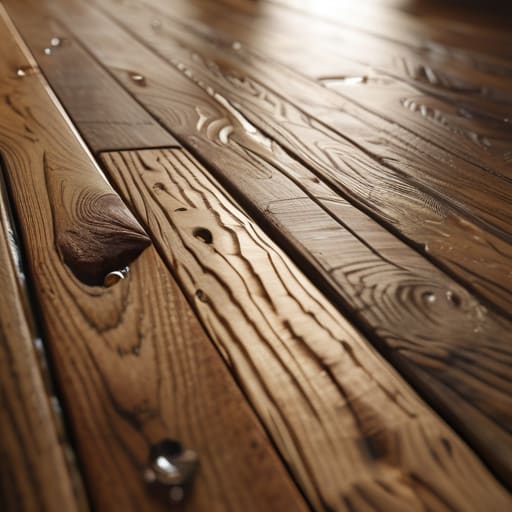
If you want to talk about the real profit killers in a renovation, we need to talk about water. I’ve walked into enough “fixer-uppers” where the owner thought a little spill wasn’t a big deal, only to find the subfloor warped and the planks buckling. Proper hardwood floor moisture control isn’t just about avoiding a flood; it’s about managing the invisible humidity levels in a room. If you’re dealing with an older home, I always recommend keeping a close eye on your HVAC system to ensure the air doesn’t get too dry in the winter or too heavy in the summer.
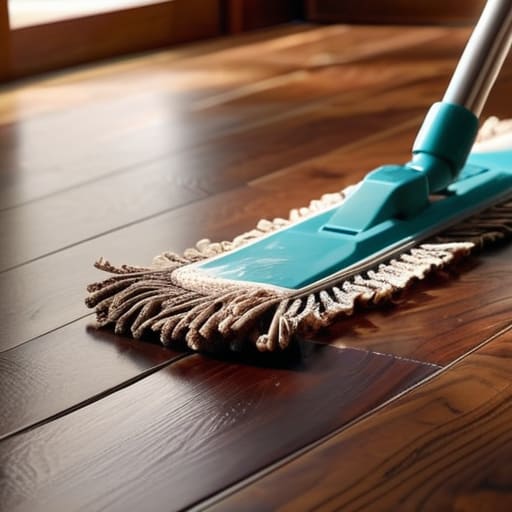
When it comes to day-to-day cleaning, please, stop using a soaking wet mop. I see it all the time on job sites—people trying to be thorough, but they’re actually soaking the wood fibers. Instead, use a slightly damp microfiber cloth and stick to the best cleaners for hardwood that are specifically formulated to evaporate quickly. If moisture seeps into the seams, you aren’t just looking at a surface issue; you’re looking at a massive expense involving the entire hardwood floor refinishing process or, even worse, a total replacement.
Five Pro Moves to Keep Your Floors From Eating Your Profits
- Ditch the heavy-duty cleaners; most of those “all-purpose” supermarket sprays are actually just adding a film of gunk that makes your floors look dull and cheap. Stick to a pH-neutral cleaner that actually respects the finish.
- Get serious about rug placement in high-traffic zones. I always tell my clients that a stylish jute runner isn’t just a design choice—it’s a tactical barrier against the grit and sand that acts like sandpaper on your wood.
- Stop using steam mops like they’re your best friend. I’ve seen too many beautiful old oaks warped because someone thought a blast of steam was a quick fix, but that moisture gets deep into the grain and ruins the structural integrity.
- Check your furniture feet every single season. I keep a small bag of felt pads in my kit because nothing kills the vibe of a high-end renovation faster than a heavy mid-century sideboard dragging across the floor and leaving deep gouges.
- Treat your floors like a living asset by staying on top of the refinishing schedule. Don’t wait until the wood is raw and grey to take action; a light buff and recoat every few years is much cheaper than a full-blown sand and finish.
The Bottom Line: Protecting Your ROI
Treat your floors like the asset they are; small, proactive steps like using felt pads and managing humidity prevent the massive, equity-draining repairs that kill your profit margins.
Don’t panic over surface-level wear, but stay hyper-vigilant about moisture—water damage isn’t just a cosmetic issue, it’s a structural threat to your investment.
Consistent, low-effort maintenance is always cheaper than a full sand and refinish, so build these small habits into your routine to keep your property’s value climbing.
## The Real Cost of Neglect
“In this business, people obsess over the kitchen backsplash or the marble countertops, but they forget that the floors are the literal foundation of a room’s value. A beautiful renovation can be completely undermined by neglected wood, so don’t just slap on a coat of wax and walk away—treat your flooring like the high-yield asset it actually is.”
Gareth Trelawny
Protecting the Equity Beneath Your Feet
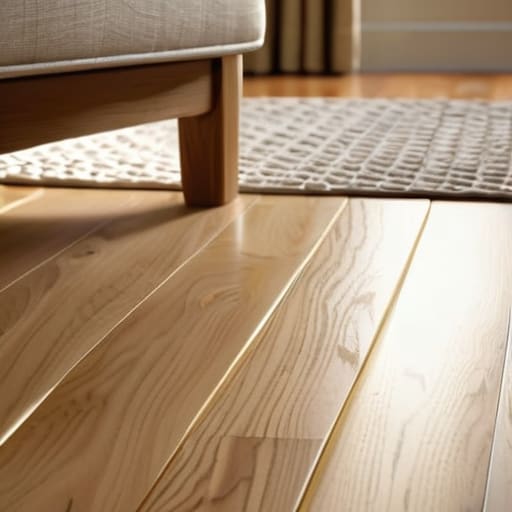
At the end of the day, maintaining hardwood floors isn’t just about aesthetics; it’s about protecting your bottom line. We’ve covered how to stop those aggressive scratches before they dent your resale value and why controlling moisture is the difference between a beautiful feature and a costly structural nightmare. If you stay on top of the little things—like using felt pads on furniture and keeping your humidity levels steady—you won’t find yourself staring at a massive, unexpected bill for a full sand and refinish. Treat your floors like the high-value assets they are, and they’ll reward you when it’s time to exit the deal.
I know that when you’re in the middle of a renovation, it feels like everything is constantly breaking or needing attention. It can be exhausting. But remember, the goal isn’t perfection; it’s strategic preservation. Every bit of effort you put into maintaining the integrity of your materials is a direct deposit into your future equity. Don’t let the small details intimidate you. Grab your cleaning supplies, keep a sharp eye on those moisture levels, and keep building. You aren’t just cleaning a floor; you are building a legacy, one solid room at a time.
Frequently Asked Questions
Is it actually worth paying for a professional refinishing, or can I get away with a DIY sand and seal to save on my renovation budget?
Look, I’ll be blunt: if you’re looking to maximize your ROI, skip the DIY sand and seal. I’ve seen too many rookies turn a beautiful asset into a sanding disaster by burning through the wood or leaving uneven patches. Unless you have a professional-grade drum sander and the patience of a saint, pay the pros. It’s better to spend the cash now than to lose your equity to a botched job that requires a total redo.
How do I tell the difference between superficial surface scratches and deep damage that actually threatens the floor's structural integrity?
Here’s the trick: run your fingernail across the mark. If it just catches the surface, you’re looking at a cosmetic fix—maybe some touch-up wax or a light buffing. But if your nail drops into a groove or, worse, if you see the wood fibers splintering or the boards shifting, you’ve got a structural issue. Deep gouges or uneven gaps mean the integrity is compromised, and that’s when you stop DIYing and start calling in the pros.
Which specific cleaning products are safe to use if I want to maintain the finish without stripping away the value of the wood?
Look, don’t get seduced by those flashy, scented “floor polishes” at the grocery store; they just build up a waxy film that’s a nightmare to strip later. Stick to a pH-neutral cleaner specifically formulated for hardwood. I usually grab something like Bona or a similar professional-grade spray. It cleans without leaving a residue or eating through your finish. Keep it simple: spray, lightly mop, and let the wood breathe.
