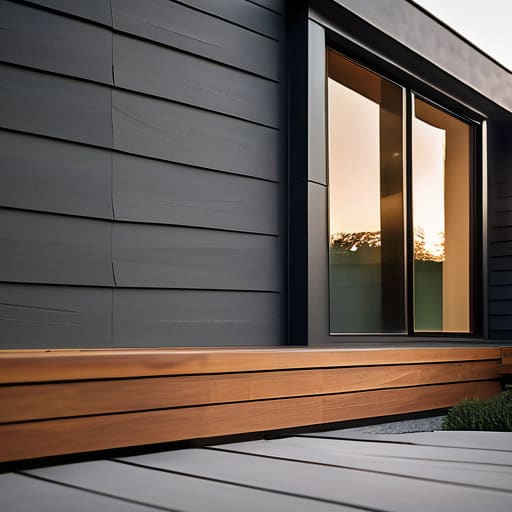
I still remember standing in the pouring rain outside a mid-century fixer-up in Portland, my laser measurer slipping from my hands because I was too busy staring in horror at the state of the house. The previous owner had tried to “patch” the damage with cheap, mismatched boards, but the real issue was the failing exterior siding that had allowed moisture to seep deep into the structural sheathing. It wasn’t just an eyesore; it was a financial hemorrhage waiting to happen. Most people see a house with peeling paint and think they just need a fresh coat, but if you aren’t looking at what’s underneath, you’re essentially just painting over a ticking time bomb.
I’m not here to sell you on expensive, high-end architectural cladding that eats your entire renovation budget for breakfast. My goal is to show you how to select materials that actually protect your investment while maximizing your curb appeal. I’m going to walk you through the gritty reality of choosing the right stuff, from durability to ROI, so you can stop wasting money on cosmetic fixes and start building real equity that lasts.
Table of Contents
- Finding Value in Durable Home Exterior Materials
- Weather Resistant Siding Options for Long Term Gains
- Don't Leave Money on the Table: My Rules for Siding That Actually Scales
- Bottom Line: Don't Let Your Siding Sink Your Margins
- The Margin is in the Shell
- Don't Let Your Curb Appeal Crumble
- Frequently Asked Questions
Finding Value in Durable Home Exterior Materials
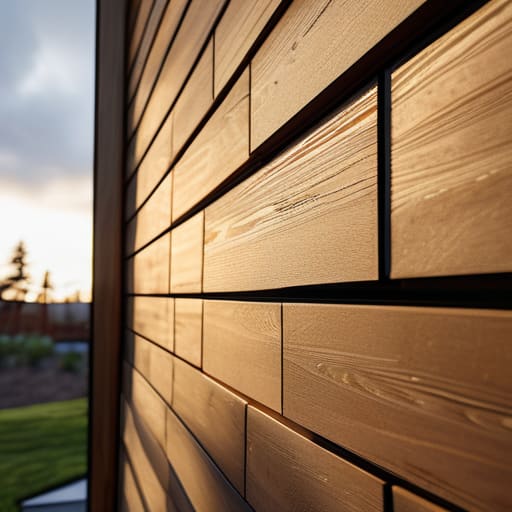
When I’m walking a new property, I’m not just looking at the paint color; I’m looking at what’s underneath. If you’re hunting for a flip, you need to prioritize durable home exterior materials that won’t require a second rehab in three years. I’ve seen too many amateur investors get blinded by a cheap, trendy facade only to realize they’ve ignored a fundamental structural vulnerability. You want materials that stand up to the elements without eating your entire profit margin through constant upkeep.
Selecting the right finish is a balancing act between upfront siding installation costs and long-term value. I tend to lean toward fiber cement or high-quality engineered wood because they offer a massive boost to curb appeal home improvement while actually lasting. If you go too cheap, you’re just trading a renovation headache today for a massive liability tomorrow. My rule of thumb is simple: invest a little more now in materials that won’t rot, warp, or fade, so you can walk away from the deal knowing your equity is actually protected.
Weather Resistant Siding Options for Long Term Gains
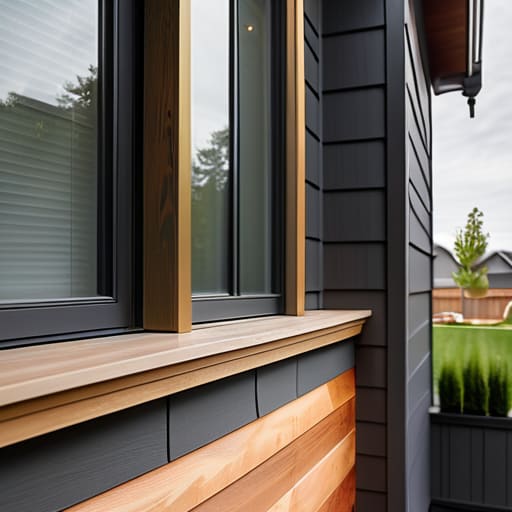
When I’m scouting a new fixer-upper, I’m not just looking at the paint color; I’m looking at what’s underneath. If you want to protect your margins, you need to prioritize weather resistant siding options that won’t require a crew back on your property in three years. Fiber cement is my go-to for most flips. It mimics the look of wood without the nightmare of rot or termite damage, and while the siding installation costs might be higher upfront than vinyl, the longevity is what actually builds your equity.
If you’re hunting for a quick win with high impact, don’t overlook high-quality engineered wood. It provides that sought-after organic aesthetic that buyers crave, but you have to ensure it’s rated for your specific climate. My rule of thumb is simple: always weigh the siding material lifespan against your projected hold time. If you’re planning a long-term rental, investing in low maintenance house cladding is a non-negotiable move. It saves you from endless repair calls and keeps your cash flow from being swallowed by upkeep.
Don't Leave Money on the Table: My Rules for Siding That Actually Scales
- Stop chasing the cheapest material on the market; if you’re installing low-grade vinyl that cracks in three years, you aren’t saving money, you’re just scheduling your next headache and eating into your profit margins.
- Look past the surface and check the sheathing; there is no point in slapping on beautiful fiber cement if there is active rot hiding underneath, so always inspect the bones before you buy the boards.
- Prioritize curb appeal with high-contrast textures, like pairing a smooth stone veneer with a clean horizontal lap siding, because that’s what makes a buyer stop scrolling and start making offers.
- Match your siding to the local climate rather than your personal aesthetic, because choosing a material that can’t handle the local humidity or freeze-thaw cycles is a fast track to a failed inspection.
- Use your laser measurer to minimize waste during the ordering phase; precision in your measurements means fewer scraps in the dumpster and more money staying in your renovation budget.
Bottom Line: Don't Let Your Siding Sink Your Margins
Stop chasing cheap, temporary fixes; invest in high-quality, weather-resistant materials that actually protect your structural integrity and keep your maintenance costs from eating your profit.
View your exterior as a strategic asset rather than just a facelift—the right siding choice is one of the fastest ways to boost curb appeal and command a higher resale price.
Always prioritize durability over aesthetics when selecting materials, because a beautiful house with rotting subfloors is just a money pit, not an investment.
The Margin is in the Shell
Stop looking at siding as just a cosmetic facelift; it’s your property’s first line of defense. If you cheap out on the exterior to save a few bucks today, you’re just inviting moisture and rot to eat your profit margins alive tomorrow.
Gareth Trelawny
Don't Let Your Curb Appeal Crumble
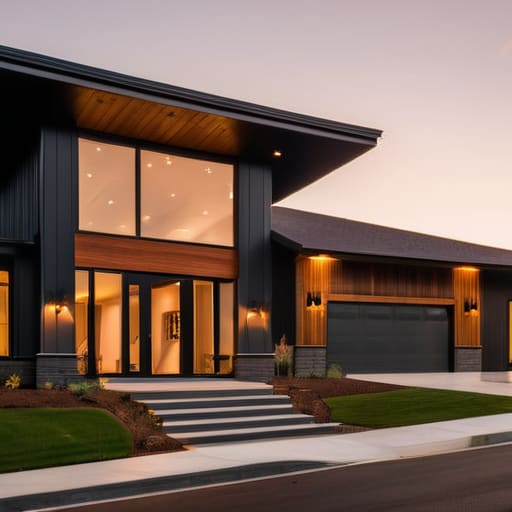
At the end of the day, choosing the right siding isn’t just about picking a color from a swatch book; it’s a strategic decision that impacts your bottom line. We’ve covered how to spot materials that actually hold their value and why investing in weather-resistant options is the difference between a quick flip and a maintenance nightmare. Whether you opt for the classic look of fiber cement or the low-maintenance durability of high-end vinyl, remember that your goal is to protect the skeleton of the house while maximizing that initial visual impact. Don’t let a cheap, flimsy exterior eat your margins when you’re trying to build serious equity.
Real estate investing is rarely about the easy wins; it’s about seeing the potential in the grit and the grime that everyone else walks past. A house with rotting siding might look like a disaster to a casual observer, but to us, it’s just a series of calculated opportunities waiting to be unlocked. Don’t get intimidated by the mess of a renovation or the complexity of material choices. Stay pragmatic, keep your eyes on the long-term ROI, and remember that every crumbling wall you fix is another step toward building your legacy. Now, grab your laser measurer and let’s get to work.
Frequently Asked Questions
How do I tell if the siding just needs a deep clean or if I'm looking at a full, expensive replacement?
Before you pull the trigger on a massive replacement budget, grab a pressure washer and some mild detergent. If the grime washes away and reveals intact, flexible material, you’ve just saved yourself thousands. But if you see warping, cracks, or boards that feel soft and spongy to the touch, stop right there. That’s not dirt; that’s rot. Don’t waste money cleaning up structural failure—that’s a signal to rip it out and start fresh.
Which siding materials offer the best "bang for my buck" when I'm trying to maximize resale value on a tight flip budget?
If you’re working with a tight margin, don’t get distracted by high-end cedar shakes that’ll eat your entire profit. For a quick flip, high-quality fiber cement is your best friend. It gives that premium, substantial look buyers crave and handles the elements better than cheap vinyl, but it won’t blow your budget like natural wood. It’s the sweet spot: looks expensive, stays durable, and keeps your ROI from tanking.
Is it worth investing in high-end fiber cement if my goal is a quick turnaround, or should I stick to something faster to install?
If you’re hunting for a quick turnaround, high-end fiber cement might actually trip you up. It’s a fantastic, durable material that builds serious equity, but the installation is labor-intensive and slow. If your margins depend on a lightning-fast flip, stick to high-quality vinyl or engineered wood that you can slap on and get to market. Don’t let a slow install eat your profit; choose the material that matches your exit strategy.
