I remember standing in the middle of a muddy, overgrown lot in East Austin last summer, clutching my laser measurer and staring at a literal jungle of invasive weeds and cracked concrete. Most people would have seen a nightmare that required a six-figure budget to fix, but I saw something else entirely. They want you to believe that professional landscaping design is only for the mansions in the hills, something that requires a team of specialists and a mountain of cash. That is a total lie. In reality, the most profitable transformations happen when you stop looking at the chaos and start seeing the structural potential hidden beneath the debris.
I’m not here to sell you on some overpriced, high-maintenance garden fantasy that’s going to drain your bank account and your weekends. Instead, I’m going to show you how to use strategic, low-maintenance greenery and hardscaping to create instant curb appeal that actually moves the needle on your property value. We are going to focus on high-impact, budget-conscious moves that turn a neglected yard into a tangible asset. Let’s get to work.
Table of Contents
- Mastering Hardscape vs Softscape for Maximum Equity
- Applying Landscape Architecture Principles to Crumbling Lots
- Five High-ROI Landscaping Moves to Boost Your Property’s Bottom Line
- The Bottom Line: Turning Dirt Into Dollars
- The ROI of Curb Appeal
- Turning Dirt into Dollars
- Frequently Asked Questions
Mastering Hardscape vs Softscape for Maximum Equity
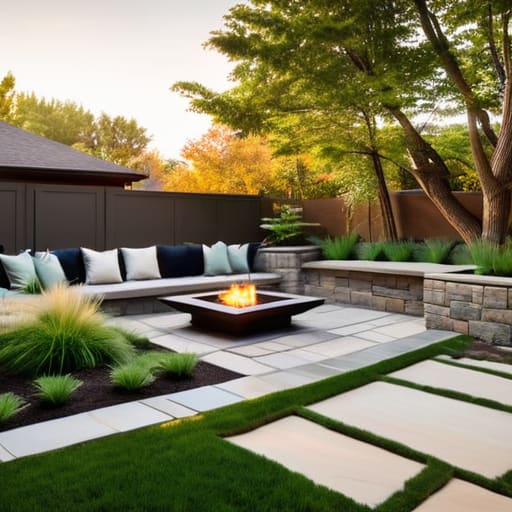
When you’re looking at a property’s potential, you have to stop seeing a yard as just “grass and dirt” and start seeing it as an extension of the home’s square footage. This is where understanding hardscape vs softscape becomes your biggest lever for ROI. Hardscaping—think pavers, retaining walls, or a sleek stone fire pit—is your foundation. It’s the structural element that creates functional outdoor living spaces, and because it’s permanent, it adds immediate, tangible value to the appraisal. I always prioritize high-quality stone or concrete work early in a rehab because it provides the “bones” that make a property feel premium.
Once the structure is set, you layer in the softscape to soften those industrial edges. This is where you use greenery to create mood and texture. However, if you’re flipping, don’t get lost in complex, high-maintenance botanical projects. I lean heavily into low maintenance garden ideas—perennials and hardy shrubs that look lush but won’t die the moment a buyer forgets to water them. You want a yard that looks intentional and expensive, but doesn’t require a full-time gardener to stay that way.
Applying Landscape Architecture Principles to Crumbling Lots
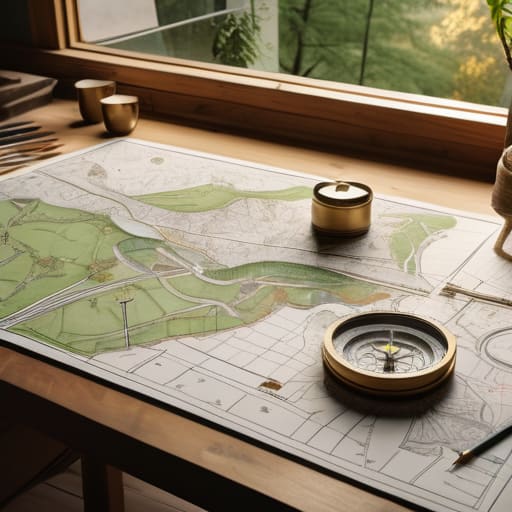
When you’re staring at a lot that looks more like a jungle than a yard, don’t just start throwing mulch at the problem. You need to step back and look at the site through the lens of landscape architecture principles. I’m talking about analyzing the topography, sun exposure, and drainage before you even touch a shovel. If you ignore the slope of the land, you’re just inviting a muddy mess that will eat into your margins during the next heavy rain. I always start by mapping out the “bones” of the property—identifying where the natural flow of movement should be.
Once you have a structural plan, focus on creating functional outdoor living spaces that justify your renovation budget. I’m not interested in just planting flowers; I want to create zones that buyers can actually see themselves using, like a dedicated patio area for dining or a defined fire pit nook. The goal isn’t just to make it look pretty; it’s to engineer a layout that makes the property feel significantly larger and more expensive than its footprint suggests. Strategic zoning is how you turn a chaotic patch of dirt into a high-value asset.
Five High-ROI Landscaping Moves to Boost Your Property’s Bottom Line
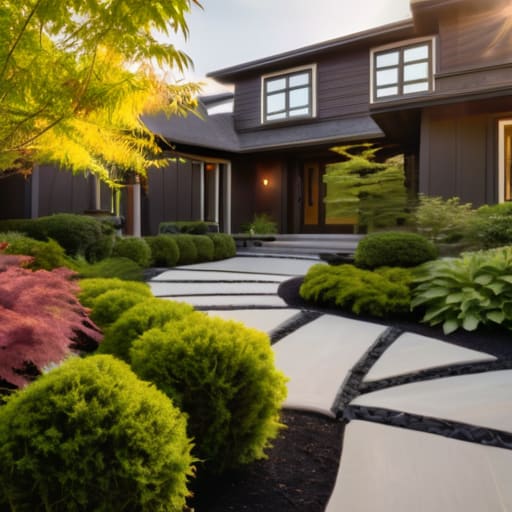
- Prioritize curb appeal with a “front-door focus”—invest in clean lines, fresh mulch, and symmetrical plantings that draw the eye immediately to the entryway.
- Don’t overspend on exotic species; stick to hardy, low-maintenance perennials that look intentional rather than high-maintenance, as buyers want beauty without the weekend chore list.
- Use strategic lighting to extend the “viewing hours” of your property; well-placed path lights and uplighting on key architectural features make a home feel premium even during evening showings.
- Create functional “outdoor rooms” by defining clear zones for dining or lounging, effectively tricking the buyer into seeing the backyard as additional square footage.
- Tackle the “eye-sore” factor by aggressively pruning overgrown limbs and clearing out dead brush; nothing kills a renovation’s perceived value faster than a yard that looks neglected and unmanaged.
The Bottom Line: Turning Dirt Into Dollars
Stop viewing a messy yard as a liability; treat it as an unoptimized asset where strategic hardscaping can provide the structural value that softscaping alone can’t reach.
Prioritize architectural flow over mere decoration by using landscape principles to direct a buyer’s eye toward the home’s best features, rather than letting an overgrown lot hide them.
Focus your renovation budget on high-impact, low-maintenance greenery and clean lines to ensure you’re building long-term equity rather than just creating a temporary aesthetic fix.
The ROI of Curb Appeal
Don’t view landscaping as just a way to make a house look pretty; view it as the first line of your renovation strategy. A well-placed stone path or a strategic tree isn’t just decor—it’s a high-margin investment that signals to a buyer that the property has been cared for from the curb to the kitchen.
Gareth Trelawny
Turning Dirt into Dollars
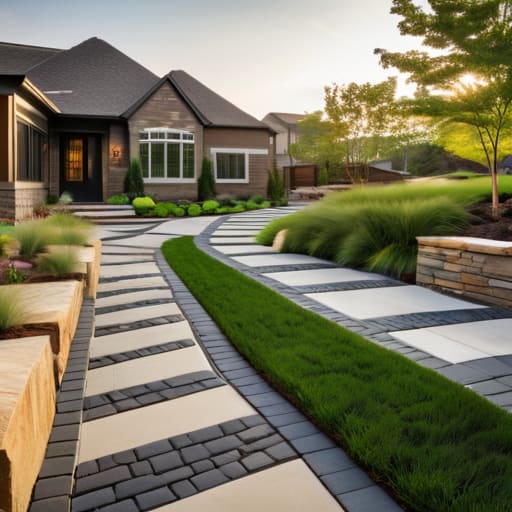
At the end of the day, landscaping isn’t just about making a property look pretty for the neighbors; it’s a calculated investment in your bottom line. By understanding the balance between structural hardscaping and lush softscaping, and applying actual architectural principles to even the most neglected lots, you aren’t just planting flowers—you are engineering value. Don’t get distracted by expensive, high-maintenance trends that won’t move the needle. Focus on the fundamentals: clean lines, intentional drainage, and a layout that guides a potential buyer’s eye toward the house. When you treat your yard with the same strategic precision as your kitchen remodel, the equity will follow.
I know it can feel overwhelming when you’re standing in the middle of a muddy, overgrown mess, looking at a pile of rocks and wondering if you’ve bitten off more than you can chew. But remember, every high-value asset I’ve ever flipped started as something broken and unappealing. The magic happens when you stop seeing a dirt lot and start seeing potential. Don’t let a lack of green space intimidate you; let it motivate you to build something better. Grab your tools, get your hands dirty, and start turning those crumbling edges into solid profit.
Frequently Asked Questions
How do I figure out if a massive tree is a beautiful asset or a liability that’s going to tank my renovation budget?
Look, don’t let a massive canopy blind you to the math. I always check two things first: the root system and the proximity to the foundation. If those roots are encroaching on your plumbing or lifting the slab, that “majestic” oak is actually a ticking financial time bomb. Use a laser measurer to check clearance, but more importantly, call an arborist. I’d rather pay for a professional inspection now than a massive structural repair later.
At what point does spending more on high-end hardscaping stop being a smart investment and start becoming "over-improvement"?
It’s a fine line between “high-end” and “wasted capital.” You hit the over-improvement wall the moment your hardscaping costs exceed the value premium it adds to the neighborhood comps. If you’re installing Italian travertine in a working-class suburb, you aren’t building equity; you’re just subsidizing your own hobby. Keep your materials consistent with the local market. Aim for “premium but practical”—invest in clean lines and durability, not luxury status symbols that won’t see a return.
If I'm working with a tight flip timeline, which landscaping elements actually provide the fastest ROI versus just looking pretty?
When you’re racing the clock on a flip, forget the expensive perennial gardens; they’re a time sink. Focus on high-impact, low-maintenance wins. I always prioritize fresh mulch, clean edge lines, and a few hardy, mature shrubs to mask any structural eyesores. If you have the budget, a clean gravel pathway or a simple stone retaining wall adds instant perceived value. You want “instant curb appeal” that doesn’t require a gardener to keep it looking sharp for the open house.
