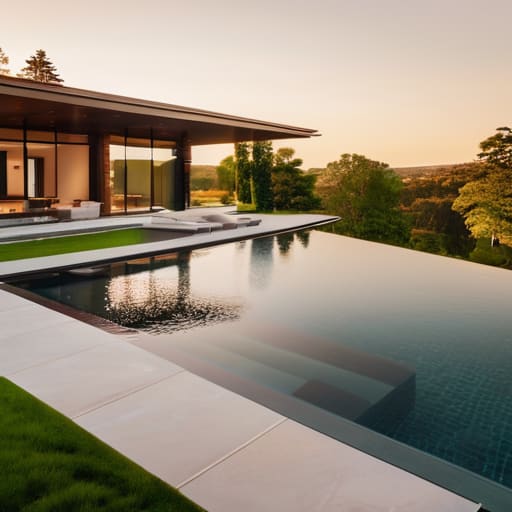
I was standing in a kitchen last Tuesday, staring at a cracked subfloor and a dated, mustard-yellow backsplash, when a client asked me if we should spend thirty grand on a high-end marble countertop to “increase the appeal.” I almost laughed. People get so caught up in the flashy, expensive nonsense that they completely ignore the actual property value drivers that move the needle. They think a luxury appliance package is a magic wand, but they’re missing the forest for the trees. In this business, if you chase every shiny trend without understanding the underlying mechanics, you aren’t investing; you’re just expensive hobbyist.
I’m not here to sell you on the latest Pinterest aesthetic or some overpriced renovation myth. My goal is to strip away the fluff and show you how to identify the structural and functional upgrades that actually build real equity. I’m going to walk you through the gritty, unglamorous reality of what makes a house worth more, from the bones of the building to the strategic layout of a room. If you’re ready to stop guessing and start building wealth through smart, calculated rehabs, let’s get to work.
Table of Contents
Maximizing Your Home Renovation Roi With a Sharp Eye
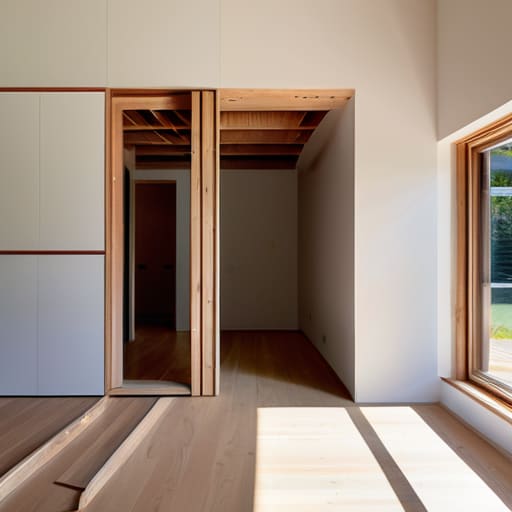
When I’m walking through a potential fixer-upper, I’m not looking at the outdated wallpaper or the cracked tiles; I’m looking at the layout. To truly maximize your home renovation ROI, you have to prioritize the bones over the fluff. A kitchen remodel is a classic move, but if the floor plan is cramped and dark, a shiny new backsplash won’t save you. I always look for ways to open up sightlines and improve flow. That’s where the real money is made—in the spaces that make a house feel expansive and intentional rather than cluttered.
I also tend to lean heavily into functional upgrades that buyers actually care about in today’s climate. While everyone wants a spa-like bathroom, I’ve found that energy efficient home upgrades—like updated insulation or high-end HVAC systems—offer a much more pragmatic way to increase residential property worth. It’s about playing the long game. You aren’t just decorating for a quick flip; you are strategically adding value that stands up to scrutiny during a home inspection. Focus on the stuff that works, and the aesthetics will follow.
Decoding Neighborhood Desirability Factors for Long Term Gains
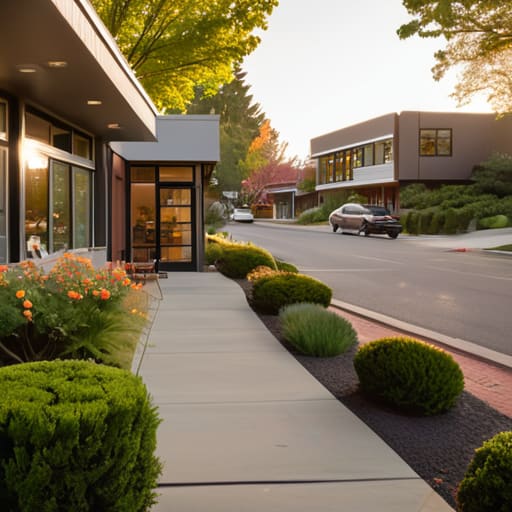
When I’m scouting a new fixer-upper, I’m not just looking at the floor plan; I’m looking at the street. You can put a stunning mid-century modern kitchen into a house, but if the neighborhood is stagnant, you’re just spinning your wheels. To see true real estate market appreciation, you have to look at the macro level. Is there a new coffee shop popping up two blocks away? Is the local school district seeing an influx of investment? These are the subtle neighborhood desirability factors that dictate whether your equity grows or stays flat.
I always tell my clients: don’t get blinded by a pretty backsplash if the location is a dead end. I look for areas with “path of progress” energy—places where the infrastructure is catching up to the potential. Sometimes, that means betting on a slightly gritty area that is on the verge of a revitalization. It’s about finding that sweet spot where your efforts in increasing residential property worth are amplified by the natural momentum of the community around you. If the neighborhood is moving up, your investment is riding that wave.
5 High-Impact Moves to Drive Your Equity Up
- Focus on the “Unsexy” Essentials First. Before you go picking out expensive backsplash tile, make sure the roof, HVAC, and electrical are solid. Buyers will forgive a dated kitchen, but they won’t forgive a foundation that’s shifting or a furnace that dies in mid-January.
- Master the Art of the Layout. Sometimes the best way to add value isn’t by adding square footage, but by reclaiming it. Knocking down a non-load-bearing wall to create an open-concept flow can make a cramped 1,200-square-foot house feel like a much more valuable asset.
- Curb Appeal is Your First Impression. You only get one shot at that first walkthrough. A fresh coat of paint on the front door, manicured landscaping, and decent lighting can trick a buyer’s brain into seeing a “home” rather than just another listing.
- Don’t Over-Improve for the Neighborhood. I’ve seen too many investors go overboard with high-end marble in a mid-range zip code. You need to know your ceiling; if the houses on the block are modest, your renovation should be smart and modern, but not so luxury that you can’t recoup the costs.
- Prioritize the Kitchen and Primary Bath. If you have a limited budget, dump it here. These are the two rooms that drive emotional decisions and, more importantly, the rooms that justify the highest price jumps during a resale.
The Bottom Line: Turning Potential into Profit
Stop chasing vanity upgrades; focus your budget on the high-impact structural and functional improvements that actually move the needle on appraisal values.
Real wealth is built by looking past the ugly wallpaper and spotting the “bones” of a property that allow for strategic, equity-building renovations.
Location isn’t just a zip code—it’s about identifying the specific neighborhood micro-trends that turn a risky flip into a long-term, appreciating asset.
## The Real Math of Equity
“Stop obsessing over trendy backsplash tiles and start looking at the bones; real value isn’t found in what’s pretty, it’s found in the structural potential that most people are too intimidated to touch.”
Gareth Trelawny
The Bottom Line on Building Equity
At the end of the day, driving up property value isn’t about chasing every fleeting design trend or slapping a fresh coat of paint on a sinking ship. It’s about the intersection of strategic renovation and location intelligence. We’ve looked at how high-impact upgrades can maximize your ROI, and how understanding the nuances of neighborhood desirability ensures your investment actually holds its ground. If you can master the balance between fixing what’s broken and investing in what the market actually wants, you aren’t just fixing a house—you are engineering a profitable asset.
I know it can feel overwhelming when you’re staring at a stack of contractor quotes or a neighborhood that looks a little rough around the edges. But remember, the biggest gains aren’t found in the pristine, move-in-ready suburbs; they are hidden behind the cracked drywall and the outdated layouts of properties others are too afraid to touch. You don’t need luck to build a real estate portfolio; you just need the grit to see the potential where everyone else sees a mess. Stop waiting for the perfect market and start looking for the perfect bones.
Frequently Asked Questions
How do I know if I'm over-improving for the neighborhood and killing my potential profit margins?
Look, this is where most rookies bleed cash. You have to stop treating every flip like your personal dream home. Before you drop five figures on custom marble or designer lighting, look at the comps. If the highest-selling house on the block has laminate counters, your quartz waterfall island isn’t an asset—it’s a liability. You aren’t building a palace; you’re building a product. Match the quality to the neighborhood’s ceiling, or you’ll just be subsidizing your buyer’s lifestyle with your own profit.
At what point does a renovation stop being an investment and start becoming a money pit?
You know you’ve crossed the line when you’re chasing perfection instead of profit. It’s easy to get seduced by high-end finishes, but if your renovation costs start outstripping the projected After Repair Value (ARV), you’re no longer investing—you’re just subsidizing a hobby. Stop once you’ve addressed the “bones” and the high-impact aesthetic wins. If you’re debating between marble vs. quartz just to satisfy your own taste, you’re officially in the money pit.
Which specific structural upgrades actually move the needle on equity versus just being cosmetic fixes?
Look, I love a fresh coat of paint as much as the next designer, but if you want to see real equity movement, you have to look past the surface. Cosmetic fixes are for staging; structural upgrades are for building wealth. Focus on the “bones”—roof integrity, updated electrical, and HVAC systems. These aren’t “sexy” for Instagram, but they eliminate the big-ticket fears for buyers. Fix the foundation and the systems, and you’re securing actual value.
