
I still remember the smell of damp drywall and old sawdust from my first solo flip—a cramped, single-story bungalow that everyone else called a “tear-down.” While the gurus on social media were busy preaching about waiting for the perfect market cycle or riding the wave of interest rate shifts, I was standing in a kitchen with peeling linoleum, realizing that waiting is a losing game. If you want to build real wealth, you can’t just hope for the market to hand you a profit; you have to manufacture it. That’s the raw reality of forced appreciation. It isn’t some magical financial algorithm; it’s the sweat equity you pour into a property to make it worth more than what you paid for it.
I’m not here to sell you on some overnight success fantasy or complicated spreadsheets that don’t account for a broken HVAC system. Instead, I’m going to show you how to identify the bones of a house that are worth saving and how to execute renovations that actually move the needle on your ROI. We are going to talk about strategic rehabs, smart design choices, and the grit required to turn a crumbling asset into a goldmine.
Table of Contents
Manufacturing Equity Through Grit and Smart Renovation
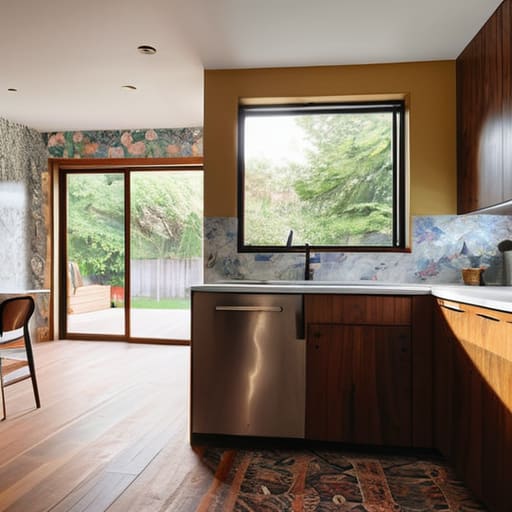
When I walk into a distressed property, I’m not looking at the peeling wallpaper or the outdated linoleum; I’m looking for the structural potential that everyone else is too intimidated to touch. Most people think wealth in this game is just about waiting for a neighborhood to gentrify, but that’s passive and slow. I prefer a more aggressive approach to equity building through remodeling. By identifying high-impact upgrades—like opening up a cramped kitchen or updating a dated electrical system—you aren’t just fixing a house; you are actively engineering value that didn’t exist when you signed the closing papers.
The secret lies in knowing the difference between capital improvements vs repairs. If you’re just patching a hole in the drywall, you’re spending money to maintain the status quo. But if you’re installing a high-end backsplash or upgrading the flooring to something durable and modern, you are maximizing property ROI. You have to be surgical with your budget. I don’t waste a dime on cosmetic fluff that won’t move the needle; I invest in the bones and the finishes that make a buyer—or a tenant—instantly fall in love.
Maximizing Property Roi Beyond the Curb Appeal
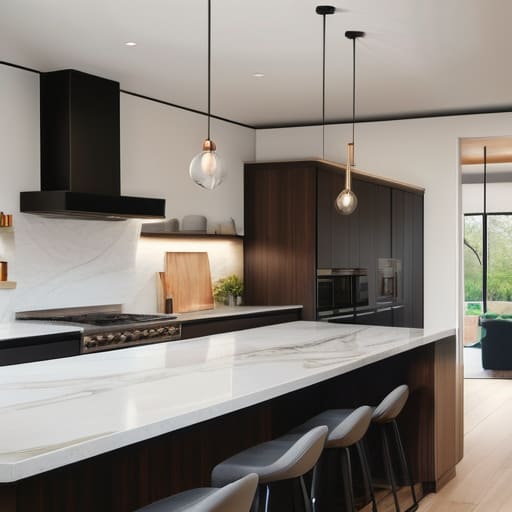
Look, everyone knows how to slap on a fresh coat of paint and some trendy hardware to boost curb appeal, but if you want to truly move the needle on your margins, you have to look deeper. You need to distinguish between simple maintenance and strategic capital improvements vs repairs. Fixing a leaky faucet is a necessity, but it won’t skyrocket your valuation. If you want to see real movement in your numbers, you have to invest in the systems that people actually feel every day—think updated electrical, high-efficiency HVAC, or a complete kitchen reconfiguration. These are the moves that drive home renovation value long after the initial “wow factor” of a new front door has faded.
I always tell my clients that the goal isn’t just to make a house look pretty; it’s about maximizing property ROI through functional upgrades. If I’m looking at a rental play, I’m focusing on durability and layout changes that allow for increasing rental yield by attracting higher-quality tenants. It’s about being surgical with your budget. Don’t just throw money at a property; invest it where it creates the most friction-less living for the next owner or occupant.
My Five Non-Negotiables for Manufacturing Value
- Focus on the “unsexy” bones first. You can slap on some trendy backsplash later, but if the electrical is shot or the floor plan is a labyrinth, you’re just putting expensive makeup on a corpse. Fix the structural issues that buyers fear, and you’ve already won half the battle.
- Stop obsessing over high-end finishes and start looking at floor plan optimization. Sometimes the biggest jump in value isn’t a marble countertop; it’s knocking down a single non-load-bearing wall to turn a cramped galley kitchen into an open-concept space that actually breathes.
- Master the art of the “strategic upgrade.” I don’t waste money on custom-built cabinetry when high-quality semi-custom options do the job. I put my money where it shows—think updated lighting fixtures and clean, modern hardware—rather than over-improving for a neighborhood that won’t pay the premium.
- Don’t ignore the “invisible” equity in utility. Adding a third bedroom or upgrading a basement into a functional living space is often much cheaper than buying a larger lot, but it adds massive value to your appraisal. It’s about increasing the usable square footage without the massive price tag of a new build.
- Always run the numbers on the “exit” before you swing the first hammer. Before I commit to a heavy renovation, I need to know exactly what the ceiling is for the neighborhood. There is no point in manufacturing $50k in equity if the local market cap prevents you from ever realizing it.
The Bottom Line for Your Next Flip
Stop looking for “turnkey” properties if you want real margins; the real money is hidden behind the ugly wallpaper and outdated layouts that scare off the average buyer.
Focus your budget on structural integrity and high-impact functional upgrades rather than chasing every passing design trend that won’t hold its value.
Equity isn’t something you wait for in a bull market—it’s something you physically build by making smart, calculated improvements that force the property value upward.
The Real Secret to Wealth
“Stop praying for the market to spike and start looking for the houses that need a little sweat equity. You can’t control interest rates, but you can absolutely control the value of a property by tearing down a bad layout and building something people actually want to live in.”
Gareth Trelawny
The Bottom Line on Building Real Equity
At the end of the day, forced appreciation isn’t some magic trick or a stroke of luck; it’s the result of calculated decisions and a willingness to get your hands dirty. We’ve talked about why you can’t just rely on market trends to lift your property value. You have to be the one driving that growth by fixing the structural bones, optimizing the layout, and making those high-impact interior upgrades that actually move the needle. It’s about moving past the superficial “lipstick on a pig” approach and focusing on strategic, value-adding renovations that transform a liability into a high-performing asset. When you control the renovation, you control the equity.
I know it can feel overwhelming when you’re staring at a gutted kitchen or a floor plan that makes no sense, but that’s exactly where the opportunity lives. The most profitable deals aren’t found in pristine, turnkey homes; they are found in the properties everyone else is too afraid to touch. Don’t let the mess intimidate you. If you have the vision to see past the peeling wallpaper and the grit to manage the chaos, you can build a legacy that lasts. Stop waiting for the perfect market conditions to fall into your lap and start manufacturing your own wealth one renovation at a time.
Frequently Asked Questions
How do I know when I’ve hit the ceiling on a renovation and am just throwing money down a hole?
You hit the ceiling the moment your renovation costs start eating your projected profit margin. I always run a “stop-loss” number before I even pick up a sledgehammer. If you’re debating whether a high-end marble backsplash is worth an extra $4k when the neighborhood comps only support quartz, stop. You aren’t adding value anymore; you’re just over-improving. If the math doesn’t move the needle on the final sale price, walk away.
Is it better to focus on cosmetic upgrades like paint and flooring, or should I be looking at structural changes like knocking down walls?
Look, if you want a quick win, paint and flooring are your best friends—they’re low risk and high impact. But if you’re serious about manufacturing real equity, you have to be willing to pick up a sledgehammer. Knocking down a non-load-bearing wall to create an open floor plan changes the entire DNA of a house. Cosmetic fixes polish a property, but structural changes redefine its value. Aim for the bones.
How do I calculate whether the cost of a specific renovation will actually result in a high enough increase in the property's appraisal value?
You can’t just guess based on a feeling; you need to run the numbers against local comps. Look for recently sold properties within a half-mile radius that feature the exact upgrades you’re planning. If a kitchen remodel costs you $40k, but the highest-priced neighbor with a similar kitchen only fetched a $25k premium, you’re burning cash. Always aim for a 2:1 ratio—for every dollar you sink into the renovation, you want at least two dollars in added appraisal value.
