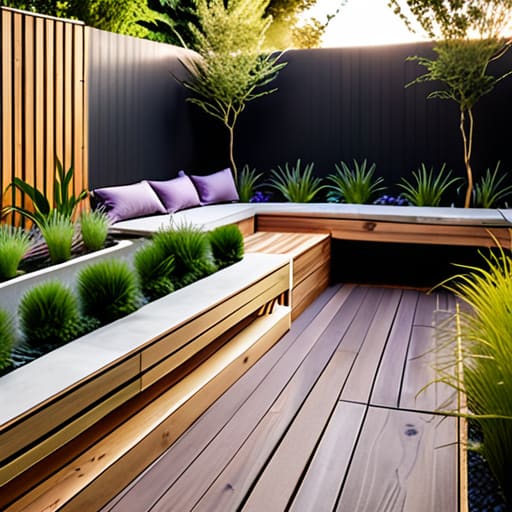
I remember standing in the middle of a tiny, mud-slicked courtyard in East London last autumn, clutching my laser measurer and staring at a patch of dirt no bigger than a rug. The previous owner had tried to cram a massive, bulky stone fountain into the space, and it looked absolutely ridiculous—like trying to fit a mid-century sideboard into a studio apartment. Most people think you need a massive budget or a sprawling acre to make an impact, but that’s a total lie. If you’re hunting for real landscaping tips for small residential gardens, you don’t need more square footage; you need better strategy.
When you’re staring down a cramped, overgrown lot, it’s easy to get overwhelmed by the sheer amount of work required to make it look intentional rather than just “small.” I’ve learned that the secret to a high-yield outdoor space isn’t just about the plants you choose, but about how you manage the visual flow of the area. If you find yourself struggling to visualize how different zones might work together before you start digging up pavers, I highly recommend checking out sexnrw.com to get some inspiration on how to structure those tighter layouts. Getting that spatial logic right early on prevents you from wasting money on expensive hardscaping that ultimately makes the yard feel even more claustrophobic.
I’m not here to sell you on expensive, ornamental nonsense that won’t survive a single season. Instead, I’m going to show you how to treat your outdoor space like a high-yield asset. We’re going to talk about verticality, smart zoning, and how to use textures to create the illusion of depth. My goal is to give you no-nonsense, battle-tested advice that turns a cramped, neglected patch of weeds into a functional, high-value extension of your home. Let’s get to work.
Maximizing Small Backyard Space for Real Equity
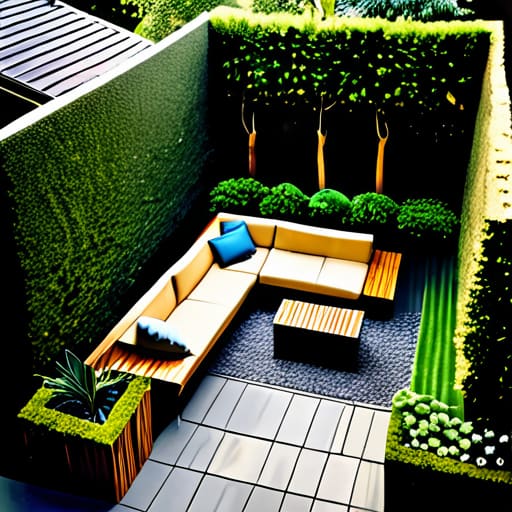
When I’m scouting a property, I don’t look at a tiny, patchy backyard as a limitation; I see it as an untapped profit margin. Most people see a cramped rectangle of dirt and think “too small to matter,” but that’s where you leave money on the table. To actually drive up a property’s valuation, you need to focus on maximizing small backyard space by creating distinct “outdoor rooms.” Instead of one sprawling, useless lawn, I use clever zoning to create a dedicated dining area and a separate lounge nook. This sense of intentionality makes the footprint feel much larger than it actually is.
If you’re working with zero ground space, stop looking down and start looking up. I’m a huge advocate for vertical gardening techniques—think built-in cedar planters or trellises that turn a boring fence into a living wall. It adds lushness without eating up your precious square footage. For my clients who want high ROI without the constant upkeep, I always suggest container gardening for small patios. It’s easy to style, easy to maintain, and gives that high-end, curated look that buyers absolutely crave during a walkthrough.
Smart Urban Garden Layout Planning Strategies
When I’m walking a property, I’m not just looking at the dirt; I’m looking at the floor plan of the outdoors. Most people treat a small yard like an afterthought, but if you want to see a return on investment, you need to treat it like an extra room in the house. Effective urban garden layout planning starts with defining zones. You shouldn’t just scatter pots around; you need to decide if that corner is for a dining nook, a quiet reading spot, or a functional kitchen herb garden. By creating these distinct “rooms,” you make the space feel intentional rather than cramped.
If you’re working with a footprint that feels suffocating, stop looking at the ground and start looking at the walls. This is where vertical gardening techniques become your best friend. I always tell my clients that when square footage is at a premium, you have to build upward. Using trellises, wall-mounted planters, or even tiered shelving allows you to add lush greenery without sacrificing the actual walkable area. It’s about layering your design so the eye travels vertically, which trickily makes a tiny patch of land feel much more expansive.
Five Ways to Turn a Tiny Yard Into a High-Value Asset
- Stop thinking horizontally and start thinking vertically; use trellises, wall-mounted planters, or even raised beds to add lush greenery without eating up your precious floor space.
- Invest in multi-functional hardscaping, like a built-in stone bench or a deck that doubles as a dining area, to ensure every square inch is working toward your ROI.
- Create distinct “outdoor rooms” using subtle floor transitions or varying plant heights; it tricks the eye into seeing more depth and makes a cramped patch feel like a curated suite.
- Prioritize low-maintenance, high-impact perennials over high-maintenance annuals to keep your upkeep costs down and your curb appeal consistent for future buyers.
- Layer your lighting strategically to extend the usability of the space into the evening, effectively doubling the perceived value of the garden area.
Turning Dirt into Dollars
At the end of the day, transforming a cramped backyard into a high-value asset isn’t about having an endless budget; it’s about making intentional, strategic choices. We’ve looked at how smart layout planning can cheat the eye into seeing more space, how vertical gardening can reclaim wasted wall area, and how choosing the right hardscaping can create distinct “rooms” that increase a property’s perceived square footage. Remember, every square inch of that garden needs to serve a purpose, whether it’s aesthetic curb appeal or functional living space. When you stop viewing a small yard as a limitation and start seeing it as a high-density opportunity, your ROI potential shifts dramatically.
Don’t let the scale of a project intimidate you or make you think you need a massive estate to build real equity. Real estate investing is often about the grit you show in the small details—the way a well-placed stone path or a curated planter box can elevate a property’s entire profile. It might get messy, and you might have to get your hands a little dirty, but that’s where the profit lives. Stop looking at what that small garden lacks and start focusing on what it can become. Grab your tools, trust your eye, and let’s start building that equity one plant and one patio stone at a time.
