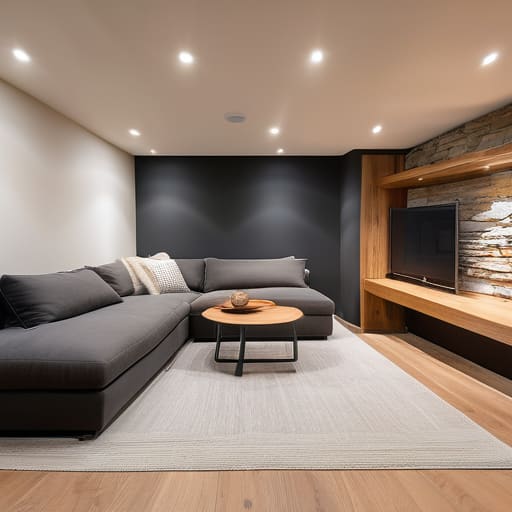
I still remember the first time I stepped into a “fixer-upper” that turned out to be a nightmare; the air was thick with the scent of damp concrete and old laundry, and the owner was convinced they needed a $50,000 custom home theater to make it worth it. Let me tell you something: most people treat basement finishing like it’s some high-end luxury boutique project, throwing money at expensive finishes that offer zero return on investment. They get blinded by the shiny stuff and completely ignore the structural fundamentals that actually drive property value.
I’m not here to sell you on a Pinterest-perfect fantasy that leaves your bank account bleeding. Instead, I’m going to show you how to approach basement finishing as a strategic business move. I’ll walk you through the gritty, unglamorous reality of managing a sub-floor renovation, from waterproofing to smart layout planning, so you can stop seeing a dark storage room and start seeing untapped equity. We’re going to focus on high-impact, cost-effective decisions that turn dead space into real capital.
Table of Contents
- Mastering Basement Remodeling Costs Without Breaking the Bank
- Designing High Value Finished Basement Floor Plans
- Five Ways to Stop Wasting Money and Start Building Value
- The Bottom Line: Turning Square Footage into Equity
- ## The Equity in the Concrete
- Turning Concrete Into Capital: The Final Blueprint
- Frequently Asked Questions
Mastering Basement Remodeling Costs Without Breaking the Bank
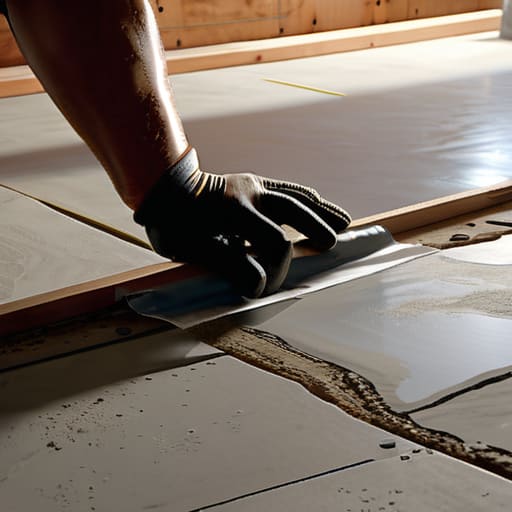
Look, I’ve seen too many investors sink their entire profit margin into a basement because they didn’t respect the math. If you want to keep your basement remodeling costs from spiraling, you have to prioritize the “bones” before you even think about picking out a velvet sofa. My rule of thumb? Never skip the heavy lifting. If you ignore basement moisture control early on, you aren’t just wasting money; you’re literally throwing your equity into a puddle of mold. Fix the seal, stabilize the humidity, and make sure your foundation is rock solid before a single sheet of drywall touches a stud.
Once the shell is secure, it’s time to get strategic with your layout. I always tell my clients to look at their finished basement floor plans through the lens of resale value rather than just personal whim. Don’t go overboard with custom millwork if a clean, minimalist finish will do the job. Instead, invest your capital where it actually moves the needle—like ensuring you meet all egress window requirements to turn a dark cellar into a legal, livable suite. That’s how you turn a liability into a high-yield asset.
Designing High Value Finished Basement Floor Plans
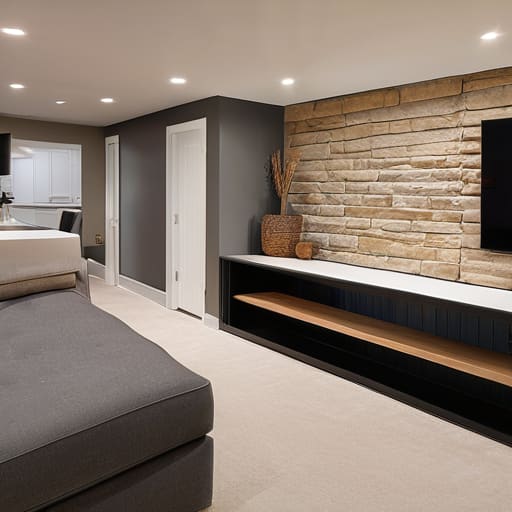
When you’re sitting down with your blueprints, stop thinking about what you want and start thinking about what a buyer will pay for. I’ve seen too many investors waste money on sprawling, open-concept layouts that end up feeling like a cold, cavernous warehouse. Instead, focus on creating defined zones. A smart set of finished basement floor plans should prioritize a functional mix: a cozy media area, perhaps a small home office, and a dedicated guest suite. If you can tuck a bedroom into a corner, make sure you aren’t cutting corners on safety—always verify your local egress window requirements before the framing even begins.
Layout is only half the battle; you also have to fight the “basement vibe.” Nothing kills a high-end feel faster than a dim, claustrophobic room. I always tell my clients to treat basement lighting ideas as a structural necessity rather than an afterthought. Layer your light with recessed cans for general brightness and some strategic sconces to add warmth. If you nail the lighting and the flow, you aren’t just finishing a room—you’re effectively adding a whole new floor to the home’s value proposition.
Five Ways to Stop Wasting Money and Start Building Value
- Don’t go overboard with high-end finishes; if you’re finishing a basement to increase resale value, focus on durable, mid-range materials that look intentional but won’t tank your ROI.
- Prioritize the “wet” areas—if your budget allows for one big splurge, make it a sleek, modern bathroom or a small wet bar, because functional amenities are what actually drive up the appraisal.
- Light is your best friend and your biggest enemy; if you’re dealing with a windowless cave, invest heavily in layered lighting—recessed cans for general brightness and sconces for mood—to prevent that claustrophobic basement feel.
- Plan for the “unseen” headaches like moisture and egress; I’ve seen too many investors lose their shirts because they ignored a damp foundation or skipped a legal exit, turning a potential asset into a liability.
- Think about lifestyle, not just square footage; instead of just adding more “room,” create a purpose—whether it’s a dedicated home gym or a media lounge—because buyers pay more for a finished space that has a clear job to do.
The Bottom Line: Turning Square Footage into Equity
Stop thinking about a basement as a storage unit; treat it as a high-yield addition that needs to compete with the rest of your house’s living space.
Prioritize high-impact, functional zones like a dedicated home office or a guest suite over niche, expensive luxuries that might not offer a full return on investment.
Always keep a buffer in your renovation budget for the inevitable surprises behind the drywall—it’s better to plan for the mess than to go broke fixing it.
## The Equity in the Concrete
“Stop looking at a dark, unfinished basement as just a storage unit for old holiday decorations; start seeing it for what it actually is: the most undervalued square footage in your entire investment portfolio.”
Gareth Trelawny
Turning Concrete Into Capital: The Final Blueprint
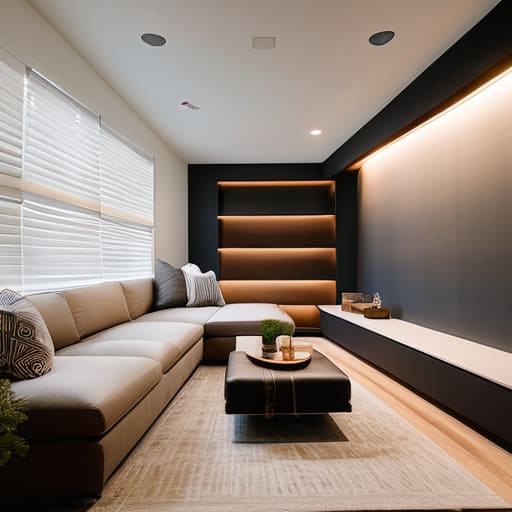
At the end of the day, finishing a basement isn’t just about slapping some drywall over cold concrete; it’s a strategic play to maximize your square footage. We’ve walked through the math of keeping your renovation costs under control and the importance of designing a floor plan that actually serves a purpose—whether that’s a high-end home office or a rental suite. Remember, every dollar you spend needs to be a calculated investment rather than a vanity expense. If you focus on high-impact areas and avoid the trap of over-improving for your neighborhood, you aren’t just finishing a room—you are locking in equity that will serve you for years to come.
I know the prospect of a dusty, cramped basement can feel overwhelming, but don’t let the mess intimidate you. Every fixer-upper I’ve ever touched looked like a disaster zone before it became a goldmine. The difference between a homeowner and an investor is the ability to see past the cobwebs and the damp corners to the profit potential hiding underneath. Stop looking at that dark, unfinished space as a liability and start seeing it as your next big win. Grab your laser measurer, get a solid plan in place, and go build that wealth.
Frequently Asked Questions
How do I know if my basement is actually structurally sound enough to support a finished floor, or am I just throwing money into a damp hole?
Before you even think about picking out flooring, you need to check your foundation. Grab a flashlight and head down there. Look for horizontal cracks in the walls or significant bowing—that’s a red flag that says “stop” and “call an engineer.” If the floor feels spongy or you see white, powdery efflorescence on the concrete, you’ve got a moisture problem that’ll rot your new investment. Don’t build on a shaky foundation; fix the bones first.
Is it worth it to invest in high-end egress windows and lighting, or should I just stick to the bare essentials to protect my margins?
Look, if you’re chasing margins, don’t skimp on the egress windows. You can’t call a space a “legal bedroom” without them, and in this market, bedroom count is king for resale value. As for lighting? Skip the expensive designer fixtures, but don’t settle for a single dim bulb. Layer in some decent recessed lighting. It stops the space from feeling like a cave, and a bright basement sells a hell of a lot faster.
What are the biggest red flags I should look for during a walkthrough that tell me a basement renovation is going to be a money pit rather than an equity builder?
If you see efflorescence—that white, powdery residue on the walls—or smell a heavy, musty scent, run. That’s not just “old house smell”; it’s a sign of moisture intrusion that will eat your margins alive. Check for cracks in the foundation and signs of previous water damage. If the waterproofing isn’t sorted first, you aren’t building equity; you’re just putting expensive drywall over a ticking time bomb. Don’t ignore the dampness.
