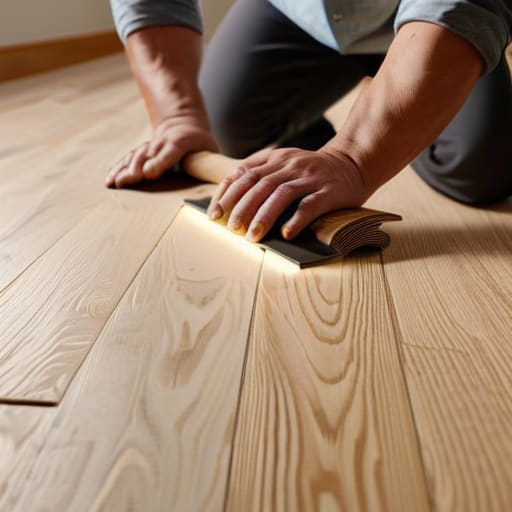
I was standing in the middle of a gutted ranch-style fixer-upper last Tuesday, the smell of damp subflooring and old sawdust thick in the air, when I realized I was staring at a total profit killer. Most people see a dated, stained carpet and think they can just steam it or lay a cheap rug over the mess, but they’re dead wrong. If you want to actually see a return on your investment, you have to stop treating flooring replacement like an optional cosmetic tweak and start seeing it as a foundational equity builder. I’ve seen too many rookie investors bleed cash by choosing materials that look great in a showroom but crumble under the reality of a rental or a high-traffic flip.
I’m not here to sell you on some high-end, boutique designer trends that will eat your margins alive. Instead, I’m going to give you the straight truth on which materials actually hold up and which ones are just expensive distractions. I’ll show you how to navigate the chaos of a job site to pick flooring that maximizes your resale value without breaking your bank account. Let’s get to work.
Table of Contents
- Navigating Flooring Installation Costs Without Breaking the Bank
- Selecting Home Renovation Flooring Options That Command Premium Rents
- My Non-Negotiable Rules for Flooring That Actually Pays Off
- The Bottom Line on Flooring ROI
- The Margin is in the Materials
- Making the Call on Your Next Floor
- Frequently Asked Questions
Navigating Flooring Installation Costs Without Breaking the Bank
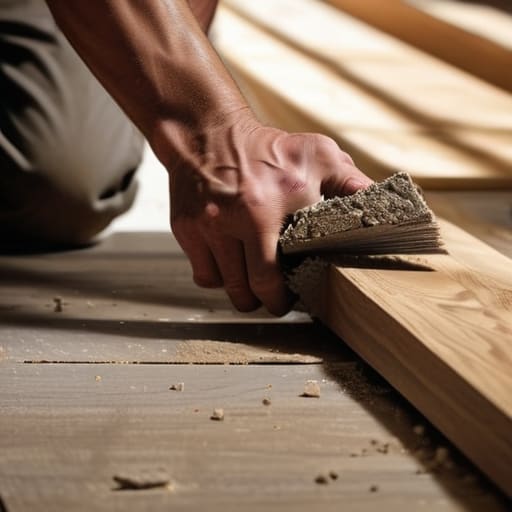
When you’re looking at a spreadsheet of potential renovation expenses, it’s easy to get paralyzed by the numbers. I’ve seen investors blow their entire profit margin because they chased a luxury aesthetic without calculating the true flooring installation costs. You have to look past the price per square foot and account for the hidden killers—specifically, the labor and the prep work. If your joists are uneven or the old adhesive is caked on, your subfloor preparation for new floors is going to eat your budget alive before you even unbox a single plank.
My rule of thumb? Don’t buy for the look; buy for the math. If you’re flipping a rental or a high-turnover property, you need to prioritize the flooring material lifespan over everything else. I rarely touch cheap laminate that’s going to buckle in six months. Instead, I lean toward waterproof flooring solutions like high-grade LVP. It’s durable, it’s easy to install, and most importantly, it won’t force you back into a costly rehab two years down the line. Focus on materials that offer the best ROI, not just the lowest upfront sticker price.
Selecting Home Renovation Flooring Options That Command Premium Rents
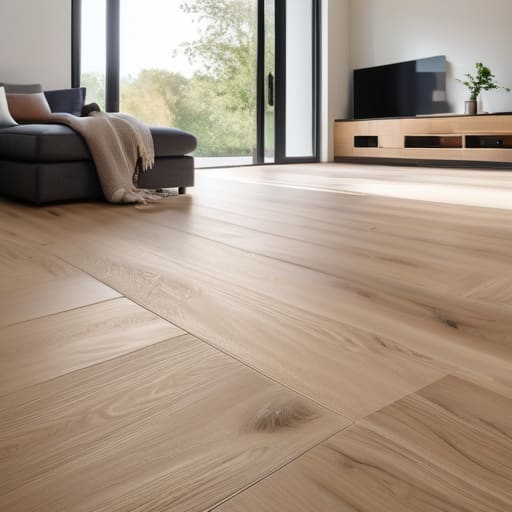
If you’re looking to maximize your ROI, you have to stop thinking like a homeowner and start thinking like a landlord. When I’m scouting a new flip or a rental, I’m not looking for what I personally like; I’m looking for what won’t result in a maintenance call six months after a tenant moves in. This is where choosing the right home renovation flooring options becomes a strategic play rather than a design choice.
For high-end rentals, I almost always lean toward luxury vinyl plank (LVP). It’s easily the best flooring for high traffic areas because it can take a beating from pets, spilled wine, and heavy foot traffic without losing its luster. If you’re aiming for a premium price point, don’t skimp on the quality—invest in waterproof flooring solutions that mimic the look of hardwood. It gives your tenants that high-end aesthetic they crave while ensuring the flooring material lifespan actually justifies your initial investment. You want something that looks expensive but is functionally indestructible.
My Non-Negotiable Rules for Flooring That Actually Pays Off
- Stop chasing trends with trendy patterned tiles; stick to neutral, high-quality tones like light oak or slate grey that appeal to the widest possible pool of buyers or renters.
- Always factor in a 10% waste buffer for your materials, because nothing kills my profit margins faster than running short on planks halfway through a job and paying a premium for emergency shipping.
- Don’t skimp on the underlayment—if you’re installing LVP, a solid subfloor and high-quality padding are what prevent those annoying squeaks and gaps that make a house feel “cheap” during a walkthrough.
- Prioritize durability over everything else; if you’re flipping a rental, skip the delicate hardwoods and go for high-grade luxury vinyl plank that can survive a spilled glass of wine or a heavy pet.
- Check your subfloor before you even order the new stuff—I’ve seen too many investors blow their budget by trying to lay expensive flooring over uneven, rotting plywood that should have been replaced weeks ago.
The Bottom Line on Flooring ROI
Stop chasing trends; stick to durable, neutral materials like LVP that can withstand heavy foot traffic and won’t look dated by the time you’re ready to sell.
Always buffer your budget for the “hidden” costs, because once you rip up that old carpet, you’re almost guaranteed to find subfloor issues that need fixing before the new stuff goes down.
View flooring as a tool for equity, not just an aesthetic choice—if a material doesn’t actively increase your property value or decrease your maintenance headaches, it’s a waste of capital.
The Margin is in the Materials
Don’t treat flooring like an afterthought or a way to save a buck; if you pick cheap, flimsy materials just to get the job done, you’re essentially throwing your profit margin straight into the landfill.
Gareth Trelawny
Making the Call on Your Next Floor
At the end of the day, flooring isn’t just about picking a color from a swatch book; it’s a calculated move in your investment strategy. You’ve looked at the numbers, weighed the installation costs against your budget, and identified the specific materials that will actually make a tenant stop scrolling and start applying. Remember, the goal isn’t to create a museum-quality masterpiece that eats your entire profit margin. It’s about finding that sweet spot between durability and aesthetics. Don’t get paralyzed by choice—pick a high-quality, hard-wearing option that looks expensive but stays within your projected ROI, and then get the installers in there so you can move on to the next task.
Renovating is messy, loud, and occasionally frustrating, but that’s exactly where the money is made. While everyone else is looking at a house and seeing outdated carpet and scratched hardwoods, you’re seeing the hidden equity waiting to be unlocked. Every square foot of new flooring you lay down is a brick in the foundation of your financial future. Stop overthinking the perfect shade of grey and start building your portfolio. Get your laser measurer out, grab your contractor, and start turning those crumbling surfaces into solid assets.
Frequently Asked Questions
How do I know if my subfloor is actually worth saving or if I'm just throwing money into a structural nightmare?
Look, I’ve seen too many investors get blinded by a pretty tile sample only to realize their foundation is a disaster. Grab your laser measurer and check for level. If you find soft spots, water staining, or significant bowing, stop right there. That’s not a “minor fix”; that’s a structural nightmare. Don’t patch over rot to save a buck today if it means losing your entire margin to a subfloor failure tomorrow.
Which flooring materials actually hold up to heavy foot traffic without looking trashed after six months?
If you’re looking for durability that won’t tank your margins, skip the cheap laminate. It looks trashed the second a heavy boot hits it. I swear by Luxury Vinyl Plank (LVP) for my rentals; it’s waterproof, scratch-resistant, and handles heavy foot traffic like a champ. If you have a higher budget, engineered hardwood is the gold standard. It gives you that premium feel while standing up to real life, ensuring your equity stays intact.
Is it better to go with a high-end hardwood that costs more upfront, or a durable LVP that protects my margins?
Look, if you’re playing the long game for a high-end rental or a luxury flip, hardwood is the gold standard for equity. But if you’re looking to protect your margins and minimize headache, go with high-quality LVP. It’s virtually indestructible, waterproof, and much easier on the budget. For most of my mid-range rehabs, I choose LVP—it keeps the tenants happy and prevents the costly floor replacements that eat my profits alive.
