
I still remember the smell of damp drywall and old cigarette smoke from my first solo project—a tiny, neglected bungalow that most people wouldn’t have looked at twice. While everyone else was chasing “turnkey” properties and fighting over polished condos in overpriced zip codes, I was standing in a dark hallway, clicking my laser measurer and seeing something they couldn’t: pure potential. The truth is, most people fail at finding undervalued real estate because they’re looking for a finished product, when the real money is actually hidden behind peeling wallpaper and outdated floor plans.
I’m not here to sell you on some “get rich quick” algorithm or a magical way to bypass the hard work. What I am going to do is show you how to develop the eye for value that separates the hobbyists from the actual investors. I’ll walk you through the gritty, unglamorous reality of spotting a house with good bones and calculating whether a renovation is a goldmine or a money pit. If you’re ready to stop chasing the hype and start building real equity, let’s get to work.
Table of Contents
Mastering Distressed Property Acquisition Without a Fortune
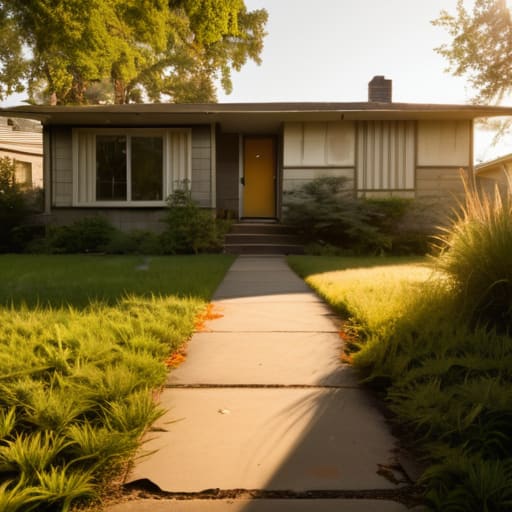
Most people think you need a mountain of cash to play in this game, but that’s exactly how the big players keep the margins for themselves. If you’re waiting for a polished listing to hit the MLS, you’ve already lost the race. To actually make money, you have to get comfortable with the grit. I focus heavily on off-market property sourcing because that’s where the real deals live—the ones tucked away in probate filings, behind overgrown lawns, or in the hands of tired landlords who just want out.
It’s not about having a massive bank account; it’s about mastering the art of distressed property acquisition. You’re looking for the house that everyone else is driving past because the siding is peeling and the porch is sagging. While others see a disaster, I’m looking at the structural integrity and the property appreciation potential once the cosmetic mess is cleared away. You have to train your eyes to see past the grime and focus on the math. If the numbers work and the bones are solid, the mess is just an opportunity in disguise.
Sourcing Off Market Property Secrets the Big Banks Miss

If you’re waiting for a shiny listing to pop up on Zillow with a “price reduced” tag, you’ve already lost the race. By the time a property hits the public market, the institutional investors and the big banks have already sniffed out the margin. To actually make money, you have to master off-market property sourcing before the competition even knows the house is for sale. I’ve found that the best deals aren’t found behind a computer screen; they’re found by walking the streets of neighborhoods that are just starting to see a shift.
I spend a lot of my time looking for the “invisible” signs of distress—overgrown lawns, boarded-up windows, or even just a mailbox that hasn’t been touched in weeks. This is where you apply real real estate investment fundamentals. You aren’t just looking for a house; you’re looking for a motivated seller who might be overwhelmed by the upkeep. Building relationships with local wholesalers and even driving for dollars is how you uncover those gems. It’s more grunt work than most people want to do, but that’s exactly why the margins stay so high for those of us willing to put in the legwork.
My Playbook for Spotting Gold in the Grime
- Look for “cosmetic nightmares” rather than structural disasters. A house with hideous 1970s shag carpet and peeling wallpaper is a goldmine; a house with a cracked foundation is a money pit. I hunt for the stuff that looks scary to the average buyer but only requires a weekend of sweat equity and some fresh paint to fix.
- Follow the “ugly” houses in the best neighborhoods. Most people want move-in ready, which means they bid up the prices of polished homes. I look for the house on the corner with the overgrown lawn and the outdated exterior. That’s where the margin is hiding.
- Become a regular at local probate auctions and estate sales. When families are dealing with an inherited property, they often aren’t looking to stage a masterpiece; they just want the asset liquidated. That’s where you find motivated sellers who care more about a quick close than squeezing every last cent out of the sale.
- Master the art of the “drive-by” audit. You can tell a lot about a property’s potential just by looking at the roofline and the window casings from the street. If the bones look straight but the curb appeal is non-existent, grab your laser measurer and get closer.
- Don’t ignore the “tired” rental markets. Look for areas where long-term landlords are finally ready to exit. These properties often haven’t seen an update in twenty years, meaning you can implement a high-impact, minimalist renovation that instantly jumps the property value.
The Bottom Line on Finding Your Next Flip
Stop competing with the big players on the MLS; the real equity is hidden in the off-market deals you find by actually talking to people in the neighborhood.
Don’t let a messy interior scare you off, but don’t ignore the bones—you can fix a bad kitchen, but you can’t fix a bad foundation without blowing your entire budget.
Success in this game isn’t about how much capital you start with, it’s about your ability to see the potential in a wreck that everyone else is too afraid to touch.
The Vision Over the Veneer
Stop looking for the house that’s ready for a photoshoot and start looking for the one that makes you wince. The real money isn’t sitting in the pristine living rooms; it’s buried under layers of outdated wallpaper and bad decisions. If you can see past the mess to the equity underneath, you’ve already won.
Gareth Trelawny
The Bottom Line on Finding Your First Win

Look, finding undervalued real estate isn’t about luck or having a massive inheritance waiting in a bank account. It’s about the legwork. We’ve talked about how you can master distressed acquisitions without breaking the bank and how to dig into those off-market secrets that the big institutional investors are too lazy to look for. It comes down to recognizing that a house with peeling paint and a dated layout isn’t a disaster—it’s an opportunity in disguise. If you can combine a sharp eye for structural potential with the ability to find deals outside the standard MLS loop, you are already ahead of ninety percent of the people playing this game.
At the end of the day, the math only works if you have the stomach for the process. There will be days when a renovation feels like it’s falling apart around you, but remember that equity is built in the mess. Don’t let the fear of a little dust or a complicated permit process keep you on the sidelines. Real estate isn’t just about bricks and mortar; it’s about the grit you show when things get unpolished. Grab your measuring tape, get out there, and start turning those crumbling walls into the foundation of your future.
Frequently Asked Questions
How do I tell the difference between a house with "good bones" and one that's a money pit with structural issues I can't fix?
Look, I’ve seen it all: a gorgeous mid-century facade hiding a foundation that’s basically a suggestion. To tell the difference, follow the lines. Check the door frames and window casings—if they’re skewed or cracked, you’re looking at foundation shifts that’ll eat your profit alive. I always look for straight vertical lines and a dry basement. If the “bones” require moving load-bearing walls or fixing massive structural rot, walk away. You want cosmetic messes, not structural nightmares.
What’s the best way to approach a motivated seller without sounding like a predatory wholesaler?
Look, if you walk in there with a script and a predatory vibe, you’ve already lost. I don’t approach people as “deals”; I approach them as neighbors with a problem I can solve. Instead of lowballing them immediately, lead with empathy. Ask about the property’s history or why they’re looking to move. You aren’t just hunting for equity; you’re offering a way out of a headache. Be human, be transparent, and lead with value.
How much of a buffer should I actually build into my renovation budget to account for those inevitable "hidden" surprises behind the drywall?
Look, if you’re budgeting with a 5% cushion, you’re dreaming. In my experience, anything less than 15% is just asking for a heartbreak. When you start tearing down drywall and realize the electrical is a fire hazard or the subfloor is rotting, that “small” surprise becomes a massive equity drain. I always aim for 20% if the property is a true fixer-upper. It’s not pessimism; it’s the only way to keep your profit margins from evaporating.
