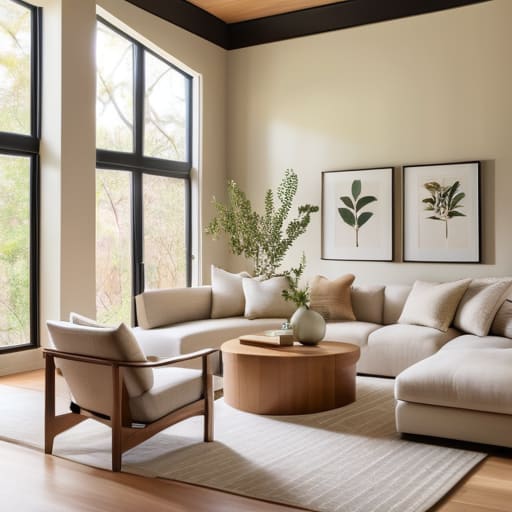
I remember standing in the middle of a dusty, gutted ranch house three years ago, staring at a pile of discarded drywall and wondering if I’d finally bitten off more than I could chew. My hands were covered in plaster dust, and the air smelled like stale sawdust and broken promises. I had just finished the heavy lifting—the plumbing, the electrical, the structural stuff—but the house still felt cold, hollow, and frankly, unlovable. That’s when I realized that while the renovation builds the bones, property staging is what actually breathes life into the investment. It’s the bridge between a construction site and a home someone is willing to write a life-changing check for.
I’m not here to sell you on the idea that you need to spend a fortune on rented velvet sofas to make a sale. We don’t have time for fluff or overpriced rental packages that eat your margins. Instead, I’m going to show you how to use strategic placement and smart design to highlight the equity you’ve worked so hard to build. I’ll give you the no-nonsense blueprint for staging that focuses on maximizing ROI without draining your renovation budget.
Table of Contents
- Maximizing Property Value Beyond the Fresh Coat of Paint
- Visual Appeal in Real Estate Selling the Dream Not the Dust
- My Field-Tested Rules for Staging That Actually Moves the Needle
- The Bottom Line: Turning Aesthetics into Equity
- The ROI of Perception
- The Bottom Line on Staging
- Frequently Asked Questions
Maximizing Property Value Beyond the Fresh Coat of Paint
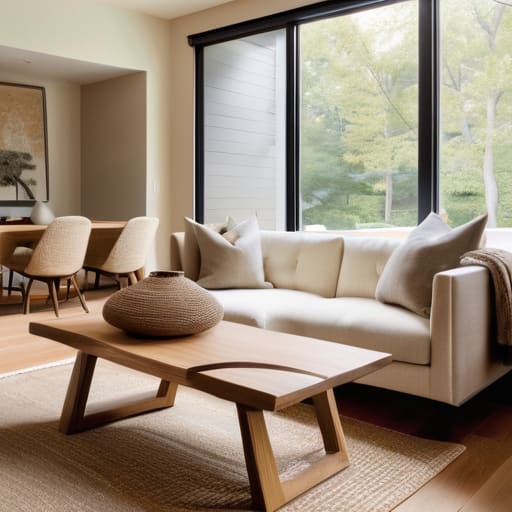
Look, a fresh coat of “Agreeable Gray” is a great baseline, but if you want to actually move the needle on your ROI, you have to go deeper. I’ve seen too many investors stop at the surface level, thinking a new color palette is a magic wand. Real maximizing property value happens when you address the flow and functionality of a space. It’s about creating a lifestyle that a buyer can mentally step into. If a room feels cavernous and cold, a new paint color won’t save it; you need to define the purpose of that space so the buyer doesn’t have to do the heavy lifting themselves.
This is where strategic decluttering for home sales becomes your best friend. I’m not just talking about hiding the mail; I’m talking about stripping a room down to its bones so the architecture can actually breathe. When I’m walking a job site, I’m looking for those awkward corners that kill a room’s vibe. By using purposeful furniture placement—not just filling space for the sake of it—you turn a cramped breakfast nook into a high-value dining area. You aren’t just selling four walls; you’re selling the potential for a better life.
Visual Appeal in Real Estate Selling the Dream Not the Dust
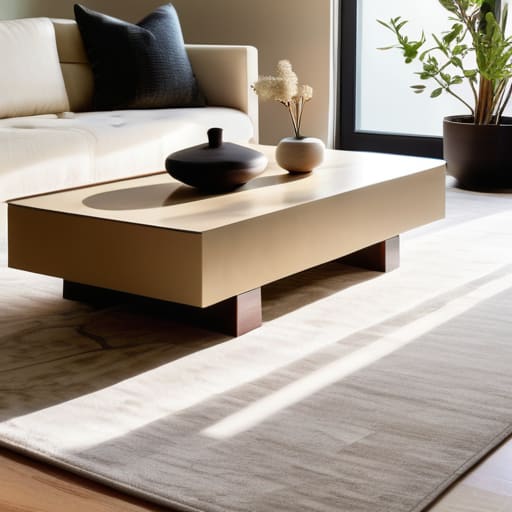
When you walk into a house that’s been sitting on the market, you aren’t just seeing old carpet and outdated trim; you’re seeing a failure to communicate potential. Most people make the mistake of trying to sell the physical structure, but you aren’t selling drywall and joists—you’re selling a lifestyle. This is where visual appeal in real estate becomes your most powerful tool for closing a deal. If a buyer can’t mentally place their sofa in your living room because the space is choked with your old junk, they’ve already mentally checked out.
I’ve seen too many investors lose money simply because they skipped the basics of decluttering for home sales. You might think you’re saving money by leaving the “stuff” behind, but all you’re doing is creating mental friction. I always tell my clients that if a room feels cramped or chaotic, the buyer sees a headache, not a home. You have to strip away the noise so they can actually see the bones of the house. Don’t let the dust hide the equity you worked so hard to build.
My Field-Tested Rules for Staging That Actually Moves the Needle
- Scale back the clutter to show off the floor plan. I’ve seen too many investors try to hide a small room with too much furniture, but all they’re doing is making the space feel cramped and claustrophobic. You want buyers to see the square footage, not your collection of knick-knacks.
- Focus on “lifestyle vignettes” rather than just decorating. Instead of just putting a chair in a corner, set up a reading nook with a small side table and a lamp. You aren’t just selling a room; you’re selling the idea of how easy it will be to live in that house.
- Use lighting to eliminate those creepy, dark corners. A well-placed floor lamp or a bright, warm bulb can make a dingy corner feel like an intentional architectural feature. If a room feels dark, buyers subconsciously think it feels small and depressing.
- Neutralize the palette to create a blank canvas. I’m a fan of bold colors in my own home, but when I’m staging a flip, I stick to sophisticated neutrals. You want the buyer to imagine their own art on the walls, not feel like they’re trespassing in your personal living room.
- Invest in high-impact, low-cost textiles. Swapping out old, worn-out curtains for clean, floor-to-ceiling linens can instantly elevate a room from “cheap rental” to “designer renovation.” It’s one of the fastest ways to add perceived value without touching the drywall.
The Bottom Line: Turning Aesthetics into Equity
Staging is a strategic investment, not a decorative luxury; if it doesn’t help a buyer visualize living in the space, it’s just wasted money.
Focus on high-impact, low-cost visual cues that highlight the home’s bones rather than trying to mask structural flaws with expensive decor.
Your goal is to bridge the gap between a “fixer-upper” and a “dream home” by using design to prove the property’s future value before the buyer even walks through the door.
The ROI of Perception
Staging isn’t about making a house look pretty for a magazine spread; it’s about removing the friction between a buyer’s imagination and the actual floor plan so they can see the equity instead of the empty space.
Gareth Trelawny
The Bottom Line on Staging
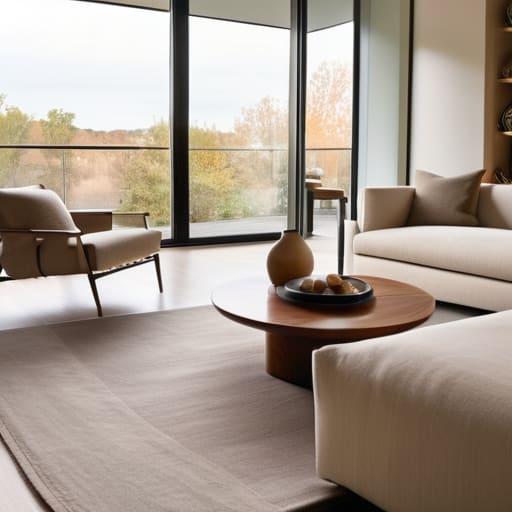
At the end of the day, staging isn’t some frivolous luxury or a way to mask a bad layout; it’s a calculated move to protect your margins. We’ve talked about how it’s more than just aesthetic upgrades and how you need to sell the lifestyle rather than the literal dust settling in the corners. When you combine smart spatial planning with strategic furniture placement, you aren’t just decorating—you are demonstrating value. Every well-placed piece of furniture is a tool designed to help a buyer mentally move in, effectively reducing their hesitation and minimizing your time on the market.
Building a real estate portfolio is a marathon, not a sprint, and these small, tactical decisions are what separate the amateurs from the pros. It’s easy to get overwhelmed by the chaos of a renovation, but remember that your goal is to bridge the gap between a construction site and a home. Don’t just aim to sell a house; aim to sell the vision of what life could look like inside those walls. If you can master the art of the presentation, you’ll find that turning a crumbling fixer-upper into solid, liquid equity becomes a lot more predictable. Now, grab your laser measurer and get to work.
Frequently Asked Questions
How do I know when to stop spending on staging so I don't eat into my actual renovation margins?
Stop treating staging like an open checkbook. I use a simple rule: staging should enhance the architecture, not mask a lack of it. Once you’ve highlighted the key selling points—like that mid-century fireplace or the natural light in the kitchen—you’re done. If you’re buying high-end art just to fill a void, you’re bleeding margin. Aim for “aspirational but attainable.” If the decor doesn’t directly justify a higher asking price, leave it in the warehouse.
Is it worth investing in high-end staging for a budget fixer-upper, or am I just overcomplicating a simple flip?
Look, I get the hesitation. When you’re working with tight margins on a budget flip, every dollar counts. But here’s the reality: high-end staging isn’t about being “extra”; it’s about psychological positioning. If you’re selling a fixer-upper, you aren’t just selling four walls; you’re selling the lifestyle the buyer wants to have once the dust settles. If the staging helps a buyer bypass the “work” and see the “win,” it’s an investment, not an expense.
Can I get away with DIY staging using my own mid-century finds, or will that make the property look too cluttered for a quick sale?
You can definitely use your MCM finds, but don’t let your passion turn into a cluttered mess. A few high-impact pieces—like a sleek teak sideboard or a statement lounge chair—can anchor a room and scream “quality.” But remember, you’re selling a lifestyle, not your personal collection. If you overdo it, buyers see your clutter instead of their future home. Keep it curated, keep it intentional, and let the pieces breathe.
