I was standing in a kitchen that smelled of damp drywall and old grease, clutching my laser measurer like a lifeline, when I realized most of the advice out there is total garbage. Everyone wants to sell you a shiny, polished version of property management, but they skip the part where you’re dealing with a midnight call about a burst pipe or a tenant who treats your hardwood floors like a treadmill. If you’re looking for a generic, textbook landlord guide that promises passive income with zero effort, you can close this tab right now. Real estate isn’t a magic money tree; it’s a gritty, hands-on business that requires a thick skin and a very practical mindset.
I’m not here to sugarcoat the chaos or sell you on some “get rich quick” fantasy. Instead, I’m giving you the straight talk on how to manage your assets without losing your mind—or your shirt. This is a no-nonsense landlord guide built on the lessons I learned while actually getting my hands dirty on job sites. I’ll show you how to vet the right people, maintain your properties with a designer’s eye for longevity, and ultimately, turn those monthly rent checks into real equity.
Table of Contents
- Mastering Rental Property Management Tips for Long Term Gains
- Essential Property Inspection Checklist for Every Renovation
- The Real-World Rules for Keeping Your Tenants (and Your Sanity)
- The Bottom Line: Turning Sweat Equity into Real Wealth
- The Real Cost of Being a Landlord
- The Bottom Line
- Frequently Asked Questions
Mastering Rental Property Management Tips for Long Term Gains

Once you’ve secured the keys to a fixer-upper and finished the heavy lifting, the game shifts from construction to curation. Managing a rental isn’t just about collecting checks; it’s about protecting the asset you worked so hard to rehab. I always tell my clients that a solid property inspection checklist is your best friend. Don’t wait for a tenant to call you about a leaking faucet that’s actually rotting out your new subfloor. I do a walkthrough every six months—not to be a nuisance, but because preventative maintenance is significantly cheaper than an emergency repair at 2 AM.
You also need to get serious about the administrative side of things. Navigating security deposit regulations can feel like a minefield if you aren’t paying attention to your local laws, so keep your books impeccable. I treat my tenants with respect, but I keep the boundaries crystal clear from day one. Effective landlord tenant relationship management means being professional and responsive, which ultimately leads to longer leases and less turnover. At the end of the day, my goal is to keep the property running like a well-oiled machine so the equity keeps growing.
Essential Property Inspection Checklist for Every Renovation
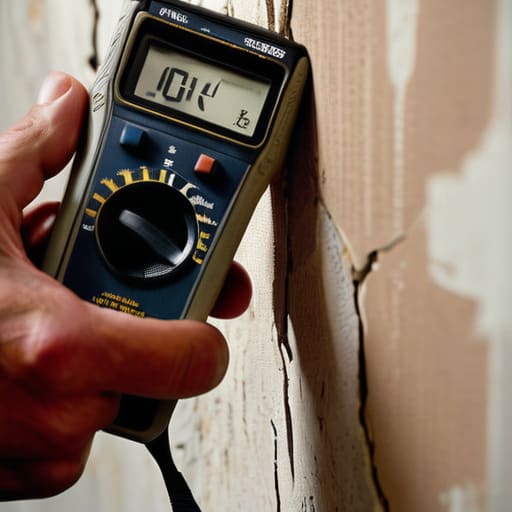
Before you even think about swinging a sledgehammer or picking out paint swatches, you need to get on your knees and look at what’s actually happening under the surface. I never walk into a potential flip without my laser measurer and a very specific property inspection checklist tucked in my bag. You aren’t just looking for cosmetic flaws; you’re hunting for the “deal-killers”—the outdated electrical panels, the slow leaks behind the drywall, or the foundation cracks that look small but could cost you your entire profit margin.
Don’t let a fresh coat of beige paint fool you into thinking a house is sound. I’ve seen too many rookies get blinded by “good bones” only to realize later that the plumbing is a ticking time bomb. You have to be brutally honest with yourself during the walkthrough. If the inspection reveals structural issues that will eat up your budget, walk away. It’s better to lose a potential deal than to bleed cash on a renovation that never actually turns a profit.
The Real-World Rules for Keeping Your Tenants (and Your Sanity)
- Vet your tenants like you’re hiring a business partner, not just renting a room. A quick credit check and a deep dive into their rental history will save you more money than any fancy security deposit ever could.
- Don’t skimp on the “boring” stuff like professional lease agreements. I’ve seen too many investors try to wing it with a handshake, only to end up in a legal nightmare when a tenant decides they don’t actually have to leave.
- Build a “go-to” list of contractors before you actually need them. When a pipe bursts at 2 AM, you don’t want to be scrolling through Yelp; you want a plumber who knows your property and won’t charge you an arm and a leg for an emergency call.
- Treat maintenance like an investment, not an expense. If a tenant reports a small leak, fix it immediately. If you ignore the small stuff to save a few bucks today, you’ll be paying for a full mold remediation and a structural repair tomorrow.
- Set up a dedicated system for rent collection and communication. I use automated tools for everything—it keeps things professional, creates a paper trail, and stops you from having to play debt collector with your own tenants.
The Bottom Line: Turning Sweat Equity into Real Wealth
Stop looking for perfection; look for potential. The best margins are hidden behind peeling wallpaper and outdated layouts that scare off the casual buyer.
Your inspection checklist isn’t just a formality—it’s your financial defense. Catching a foundation issue or outdated wiring early is the difference between a profitable flip and a money pit.
Manage your properties like an asset, not a hobby. Consistent maintenance and smart, durable design choices are what transform a one-time renovation into a long-term, cash-flowing machine.
The Real Cost of Being a Landlord
“A landlord guide shouldn’t just be a list of rules; it needs to be a survival manual. If you aren’t prepared to treat every cracked tile and leaky faucet as a test of your resolve, you aren’t investing in real estate—you’re just collecting headaches.”
Gareth Trelawny
The Bottom Line
Look, being a successful landlord isn’t about finding some magical, perfect property that requires zero effort. It’s about the systems you put in place. We’ve covered how to manage your rentals without losing your mind, and more importantly, how to use a rigorous inspection checklist to catch those expensive structural headaches before they turn into equity-killing disasters. If you can master the balance between smart property management and strategic, hands-on renovation, you aren’t just collecting rent checks—you are actively building a scalable machine that works for you.
At the end of the day, don’t let the fear of a leaky pipe or a cracked foundation keep you on the sidelines. The most profitable opportunities are usually hidden behind a layer of dust and a bit of chaos. It’s going to get messy, and there will be days when you’d rather be anywhere else, but that’s exactly where the profit lives. Keep your eyes sharp, your laser measurer handy, and remember that every crumbling wall is just an opportunity in disguise. Now, stop overthinking it and go find your first project.
Frequently Asked Questions
How do I decide if a property's renovation costs are actually going to yield a decent ROI or if I'm just throwing good money after bad?
Stop looking at the renovation cost in a vacuum; you have to look at the After Repair Value (ARV). Before I even pick up my laser measurer, I run the numbers against local comps. If the rehab eats up more than 70% of the projected equity, I walk. You aren’t just fixing a kitchen; you’re buying a specific dollar amount of appreciation. If the math doesn’t force the margin, it’s just an expensive hobby.
At what point does a "quick fix" become a liability that's going to haunt me during my next inspection?
Look, I’ve seen it a hundred times: someone slaps a fresh coat of paint over a water stain to save a few hundred bucks. That’s not a quick fix; that’s a ticking time bomb. The moment you use aesthetics to mask a structural or systemic issue—like a leaky pipe, faulty wiring, or foundation cracks—you’ve crossed the line. You aren’t saving money; you’re just deferring a much more expensive disaster that will haunt your next inspection.
How much should I be setting aside for those inevitable, messy repairs that pop up six months after a tenant moves in?
Look, if you aren’t budgeting for the “oops” moments, you aren’t really investing; you’re just gambling. I always tell my clients to set aside 10% to 15% of their monthly rental income into a dedicated maintenance reserve. It sounds steep until a tenant calls at 2 AM because a pipe burst or a water heater gave up the ghost. Treat that fund as untouchable. It’s not a luxury; it’s the buffer that keeps your equity from bleeding out.
