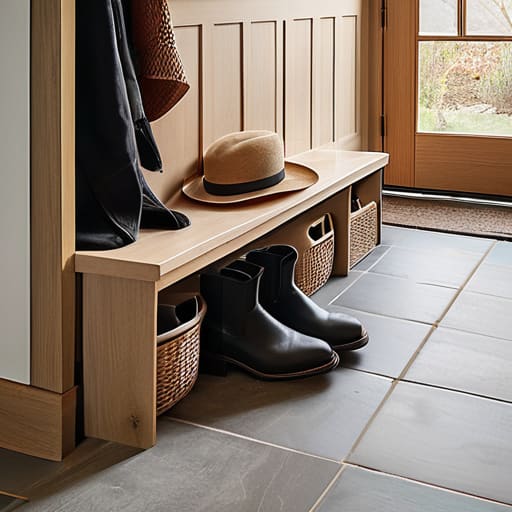
I was standing in the entryway of a fixer-upper last Tuesday, staring at a pile of damp boots and tangled leashes that had effectively claimed the hallway as their own territory. Most interior design magazines will try to sell you on a “luxury mudroom” that looks like a museum piece—all white lacquer and delicate velvet benches that would be ruined by a single muddy shovel. But let’s be real: if your mudroom design doesn’t prioritize durability and actual flow, it isn’t a functional space; it’s just an expensive way to hide your mess for ten minutes.
I’m not here to give you a Pinterest board of pretty, impractical ideas that will fall apart the moment a real family moves in. Instead, I’m going to show you how to build a high-utility zone that survives the daily grind while actually increasing your property’s resale value. We’re going to talk about smart storage, rugged materials, and strategic layouts that turn a chaotic entryway into a seamless transition. I want you to stop treating your entryways like an afterthought and start viewing them as a strategic asset for your home.
Table of Contents
- Custom Built in Cabinetry Investing in High Yield Organization
- Waterproof Entryway Materials to Protect Your Hard Earned Assets
- Five Strategic Moves to Maximize Your Mudroom’s ROI
- The Bottom Line: Making Every Square Inch Count
- ## The ROI of a Functional Entryway
- Turning Entryways into Equity
- Frequently Asked Questions
Custom Built in Cabinetry Investing in High Yield Organization
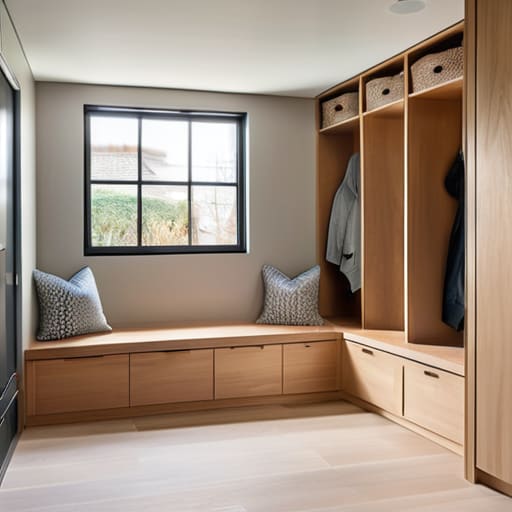
If you’re looking to maximize your ROI, stop thinking about standalone furniture and start thinking about architecture. When I’m evaluating a fixer-upper, I look for how much “dead space” is wasted in the entryway. Installing custom built-in cabinetry isn’t just a luxury; it’s a strategic move to reclaim square footage that would otherwise be lost to clutter. By integrating storage directly into the walls, you create a seamless look that appeals to high-end buyers who value efficiency over bulkiness.
Don’t just build a row of cubbies and call it a day. To truly turn this area into a family command center, you need to design for the actual chaos of daily life. I always recommend incorporating dedicated zones for mail, charging stations, and even a small nook for school schedules. If you’re working with a tight footprint, a smart small mudroom layout that utilizes vertical height will do more for your property value than any expensive piece of freestanding furniture ever could. It’s about making the space work harder for the homeowner.
Waterproof Entryway Materials to Protect Your Hard Earned Assets
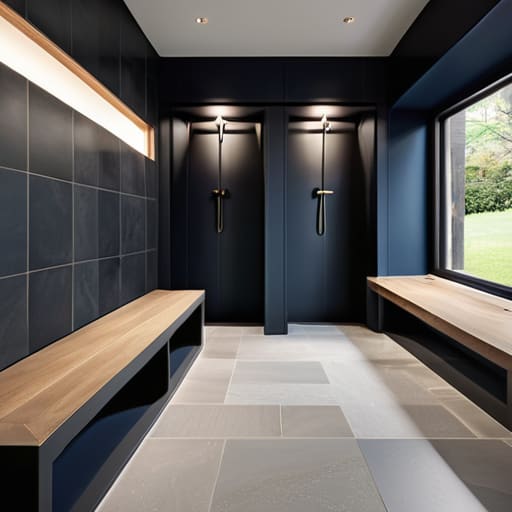
If you’re serious about building equity, you have to stop thinking about aesthetics alone and start thinking about durability. A beautiful entryway means nothing if a single rainy afternoon turns your flooring into a warped, rotting mess. When I’m scouting a fixer-upper, I look straight at the transition zones. You need to prioritize waterproof entryway materials like luxury vinyl plank (LVP) or high-grade porcelain tile. These aren’t just about looks; they are about preventing moisture from seeping into the subfloor and devaluing the entire property.
Don’t make the mistake of installing expensive hardwood in a high-traffic zone where wet boots and dog paws are a daily reality. I always tell my clients that a smart material choice is a defensive play for your investment. If you’re working with a cramped, small mudroom layout, stick to large-format tiles to minimize grout lines where dirt and water tend to settle. By choosing materials that can withstand heavy-duty use, you’re ensuring that your renovation efforts actually last long enough to see a return on your investment.
Five Strategic Moves to Maximize Your Mudroom’s ROI
- Stop overthinking the aesthetics and focus on the “drop zone.” You need a designated spot for keys, mail, and phones that doesn’t end up as a pile of junk on your kitchen island. If the flow is broken here, the whole house feels cluttered.
- Don’t skimp on lighting. A dark, dingy entryway makes a house feel small and uninviting. Install bright, layered lighting—think recessed cans for utility and maybe a sleek industrial sconce—to make that first impression pop during showings.
- Think about the “boots and mud” reality. If you’re installing bench seating, make sure there is actual clearance underneath for heavy-duty boot trays. A beautiful bench is useless if it’s just a place for wet shoes to rot your flooring.
- Scale your storage to the actual occupants. I’ve seen too many flips with massive, adult-sized cubbies that look ridiculous in a family home. Design for versatility—adjustable shelving is your best friend when you’re trying to appeal to the widest range of buyers.
- Invest in high-traffic hardware. This is a high-use zone; cheap handles and flimsy hooks will strip or loosen within six months. Buy heavy-duty, tactile hardware that feels substantial—it’s a small detail that signals quality to a potential buyer.
The Bottom Line: Making Every Square Inch Count
Stop viewing the mudroom as an afterthought; treat it as a strategic zone that protects your flooring and boosts your resale value.
Prioritize durability over cheap aesthetics by selecting materials that can actually handle heavy foot traffic and moisture without looking trashed in six months.
Focus your budget on high-impact, functional built-ins that solve real storage problems rather than wasting money on purely decorative, non-functional trim.
## The ROI of a Functional Entryway
“Stop looking at a mudroom as just a place to drop your boots; look at it as the first line of defense for your flooring and the highest-leverage way to prove to a buyer that this house is actually managed with intention.”
Gareth Trelawny
Turning Entryways into Equity
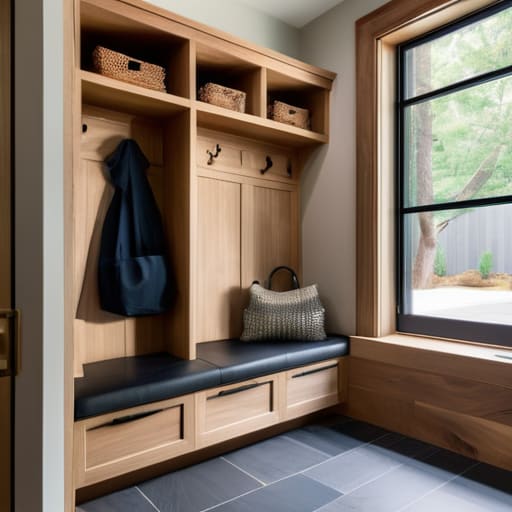
At the end of the day, a mudroom shouldn’t just be a place to dump your boots; it needs to be a strategic component of your property’s overall value. We’ve talked about why custom built-ins are worth the upfront investment and why choosing the right waterproof materials is non-negotiable if you want to avoid a maintenance nightmare down the road. When you stop viewing the entryway as an afterthought and start treating it as a functional asset, you’re no longer just decorating—you’re protecting your margins and ensuring the home stands up to the daily grind of real life.
Don’t let the mess of a renovation or the complexity of a floor plan intimidate you. Every high-performing property I’ve flipped started with a series of small, smart decisions like these. It’s about seeing the potential in a cluttered corner and having the discipline to execute a design that works as hard as you do. Remember, building wealth isn’t always about the flashy kitchen remodel; sometimes, it’s about mastering the details that turn a standard house into a high-value home. Now, grab your laser measurer and get to work.
Frequently Asked Questions
How much should I actually budget for custom built-ins versus just buying some heavy-duty shelving from a big-box store?
Look, if you’re just trying to survive a weekend, go to the big-box store. You’ll spend a few hundred on heavy-duty shelving, but it looks cheap and won’t survive a real renovation. For custom built-ins, expect to shell out anywhere from $2,000 to $5,000+ depending on the finish. It’s a bigger upfront hit, but that’s where the equity lives. Custom work signals quality to buyers; plastic bins and metal racks just signal “temporary.”
If I'm flipping this house, is a high-end mudroom renovation actually going to see a return on investment, or is it just a vanity project?
Look, if you’re just picking out expensive marble tiles to satisfy your own aesthetic, it’s a vanity project. Period. But if you’re designing a functional, durable mudroom that solves a buyer’s daily chaos, it’s an investment. In a flip, you aren’t selling a dream; you’re selling a solution. A smart, organized entryway signals to a buyer that the rest of the house is just as well-maintained. That’s how you build equity, not just decor.
What are the best flooring options that look high-end but won't be ruined by wet boots and salt during the winter months?
If you’re looking for that high-end aesthetic without the anxiety of salt damage, skip the natural hardwood. It’s a beautiful trap in a high-traffic entryway. Instead, go with luxury vinyl plank (LVP) or high-quality porcelain tile. A large-format porcelain tile can mimic stone perfectly and is virtually indestructible against slush and grit. If you want the warmth of wood, a high-grade LVP gives you that designer look while standing up to the winter chaos.
