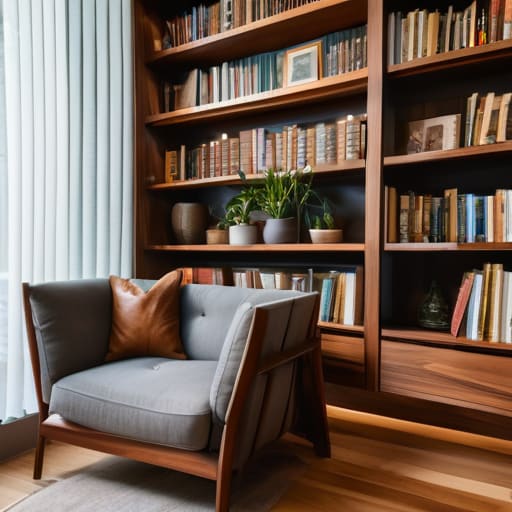
I was standing in the middle of a dusty, gutted living room in a Victorian fixer-upper last Tuesday, staring at a massive, awkward alcove that looked more like a mistake than a feature. Most “design gurus” would tell you that installing custom built in shelving requires a massive budget and a team of high-end carpenters to be worth the investment. They want you to believe that if you aren’t spending five figures on bespoke cabinetry, you’re just wasting your time. Honestly? That’s a complete load of nonsense designed to keep people from seeing the actual profit potential hiding in plain sight.
I’m not here to sell you on expensive, superficial trends that won’t move the needle on your ROI. Instead, I’m going to show you how to use built in shelving as a strategic tool to maximize square footage and create that “intentional” feel that buyers crave. I’ll walk you through the high-impact, low-cost ways to execute this properly, focusing on smart design and strategic rehabs rather than mindless spending. Let’s stop looking at empty nooks as wasted space and start seeing them as pure, unadulterated equity.
Table of Contents
- Floor to Ceiling Shelving Ideas for Maximum Impact
- Modern Built in Unit Styles to Elevate Property Value
- Pro Tips for Maximizing ROI with Custom Shelving
- The Bottom Line: Making Built-Ins Work for Your ROI
- The ROI of Intentional Design
- Final Thoughts on Maximizing Your ROI
- Frequently Asked Questions
Floor to Ceiling Shelving Ideas for Maximum Impact
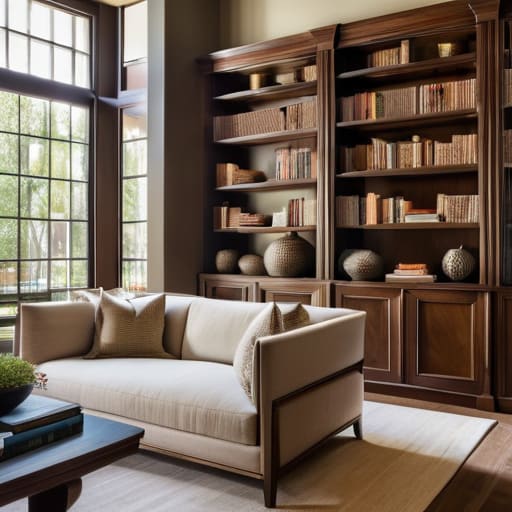
If you really want to change the energy of a room, stop thinking about furniture that sits on the floor and start thinking about structures that reach the ceiling. When I’m walking through a fixer-upper with high ceilings, my first instinct is to utilize that vertical real estate. Floor to ceiling shelving ideas aren’t just about extra storage; they are about creating a sense of permanence. A massive, floor-to-ceiling unit draws the eye upward, making even a modest living room feel grander and more architecturally significant.
For those of you working with tighter budgets, the material choice is where you win or lose your margins. I usually weigh wood vs MDF for shelving depending on the client’s end goal. If I’m aiming for a high-end, custom look that screams luxury, I’ll push for real wood. However, if we are flipping a property and need to maximize the ROI without breaking the bank, a high-quality MDF with a professional paint finish can look absolutely seamless. It’s all about creating that intentional, high-end look that makes a buyer feel like the home was custom-designed just for them.
Modern Built in Unit Styles to Elevate Property Value
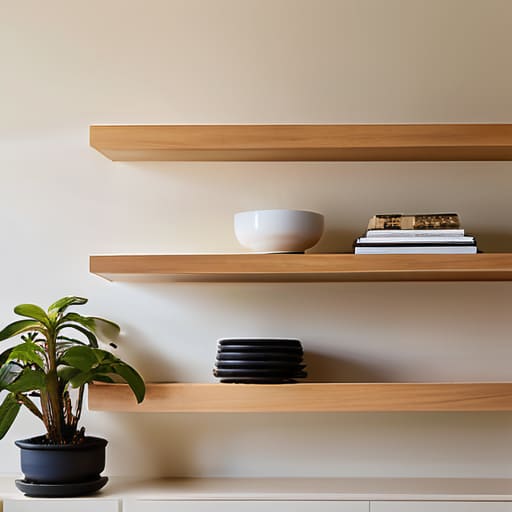
When you’re looking at modern built-in unit styles, you want to move away from that heavy, dated look and lean into something that feels intentional. I’m a huge fan of the “floating” look—think thick, chunky shelves mounted directly to the wall without the bulky base cabinets. It creates an airy, high-end feel that works perfectly when you’re maximizing small space storage in a tight living area. If you want to go more premium, consider integrating subtle LED strip lighting into the recesses. It’s a small detail, but it makes the entire unit look like a high-end architectural feature rather than just some extra storage.
Another direction that’s killing it in the current market is the home library aesthetic. We’re seeing a huge demand for moody, sophisticated spaces where floor-to-ceiling units act as a focal point. When you’re deciding on materials, you’ll likely face the wood vs MDF for shelving debate. While real hardwood is stunning, I often recommend high-quality MDF with a professional paint finish for my flips. It’s more cost-effective, resists warping, and gives you that perfectly smooth, minimalist industrial finish that buyers are currently obsessed with.
Pro Tips for Maximizing ROI with Custom Shelving
- Don’t go overboard with the decor; when you’re prepping a house for sale, use the shelves to showcase lifestyle, not clutter. A few high-end books and a single ceramic piece are better than a crowded shelf that makes a room feel small.
- Always account for outlet placement before you start building. There is nothing more amateur than a beautiful custom unit that completely hides a wall outlet, forcing buyers to hunt for a plug or deal with ugly extension cords.
- Use lighting to your advantage. Adding even a simple, battery-operated LED strip or a discreet puck light to a built-in unit makes the whole room feel more expensive and intentional, which is exactly what you want when driving up an appraisal.
- Focus on the “visual weight.” If you’re working with a tiny studio or a cramped hallway, opt for thinner, floating-style built-ins. Heavy, chunky cabinetry can swallow a small room and actually make the square footage feel even more limited.
- Always measure twice—or better yet, use my laser measurer. If your built-ins are off by even half an inch, they’ll look like a DIY mistake rather than a professional installation, and nothing kills a buyer’s confidence faster than sloppy craftsmanship.
The Bottom Line: Making Built-Ins Work for Your ROI
Don’t just build for looks; build for utility. A shelf that looks pretty but can’t hold a heavy stack of coffee table books is a wasted investment in a flip.
Focus on scale to create the illusion of luxury. Floor-to-ceiling units make even a modest room feel custom-designed, which is exactly what buyers are looking for when they want that “high-end” feel.
Keep your design language consistent with the rest of the renovation. If you’re going for a minimalist industrial vibe, don’t clutter your built-ins with ornate molding that clashes with the property’s new identity.
The ROI of Intentional Design
“When I’m walking through a fixer-upper, I’m not just looking at the floor plan; I’m looking for those awkward, dead spaces that most buyers will ignore. A well-placed set of built-in shelves turns a useless corner into a high-value feature, making a home feel custom-built rather than just thrown together.”
Gareth Trelawny
Final Thoughts on Maximizing Your ROI
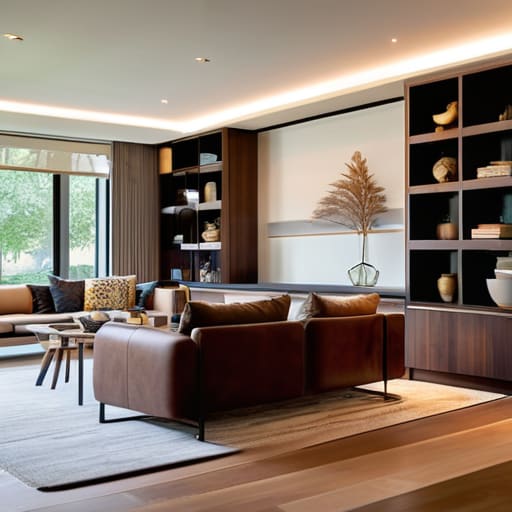
At the end of the day, built-in shelving isn’t just about finding a place to stash your books or decor; it’s a strategic move to make a property feel custom and high-end. Whether you’re going for that floor-to-ceiling statement piece to draw the eye upward or installing sleek, modern units that scream sophistication, you are essentially selling a lifestyle. By choosing styles that align with current market trends and focusing on clean, functional lines, you’re ensuring that every dollar spent on carpentry translates directly into increased equity and buyer interest. Don’t just fill a void in a room—use these nooks to prove the house was designed with intention.
I know that staring at a bare, awkward alcove can feel like just another headache on a long renovation checklist, but I promise you, the payoff is worth the dust. Real estate investing is about seeing what others miss, and a well-placed built-in is often the missing piece of the puzzle that turns a house into a home. Stop looking at empty spaces as wasted square footage and start seeing them as opportunities to build wealth. Grab your measuring tape, get a plan in place, and let’s turn those empty walls into your next big win.
Frequently Asked Questions
How do I decide between custom cabinetry and cheaper, modular built-ins when I'm trying to protect my margins on a flip?
Look, if you’re protecting your margins, don’t get fancy for the sake of it. Custom cabinetry is a luxury play; use it only if you’re targeting a high-end buyer who expects bespoke finishes. For most flips, I lean on high-quality modular units. If you choose the right modular pieces and add some custom trim or a solid stone top, you can trick the eye into seeing high-end custom work without the custom price tag.
Are there specific materials I should avoid to ensure the shelving doesn't look dated or "cheap" in a few years?
Steer clear of anything that looks like “instant gratification” renovation. Avoid those flimsy, particle-board kits or anything with a high-gloss, fake-wood laminate finish; they peel and look dated within a year. Also, skip the overly ornate, chunky crown molding if you’re aiming for a modern flip. If it feels lightweight or looks like it was glued together in a weekend, don’t use it. Stick to solid wood or high-quality MDF that can take a real finish.
How much actual ROI can I realistically expect to see from adding built-in shelving versus just leaving the walls bare?
Look, I’ll give it to you straight: you aren’t going to see a massive jump in the appraisal just because you added some wood and screws. However, the real ROI isn’t just in the math; it’s in the perceived value. Built-ins make a space feel “finished” and intentional. In a competitive market, a buyer seeing a custom library or a sleek media unit will often choose your house over the bare-walled one next door.
