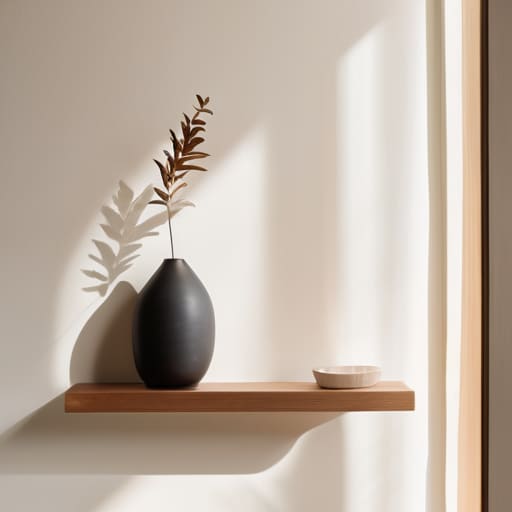
I was standing in the middle of a dusty, gutted living room last Tuesday, staring at a massive expanse of cracked plaster, when I realized how much money people waste on “designer” nonsense. Most people think they need to drop thousands on mass-produced, high-end gallery sets to make a space look finished, but that’s a total lie. In my experience, overpriced wall decor often does more harm than good by making a renovated space feel sterile and uninspired. If you’re just buying whatever is trending on Pinterest to fill a void, you aren’t designing; you’re just cluttering up your equity.
I’m not here to give you a list of expensive boutiques or tell you to follow every passing fad. Instead, I’m going to show you how to use strategic, intentional pieces to signal to buyers that this house is a high-value asset. We’re going to talk about finding that perfect balance between character and cleanliness, ensuring every piece you hang actually serves a purpose. My goal is to help you use decor to bridge the gap between a construction zone and a curated home, without draining the profit margins you worked so hard to build.
Table of Contents
Modern Living Room Wall Art That Signals Sophistication
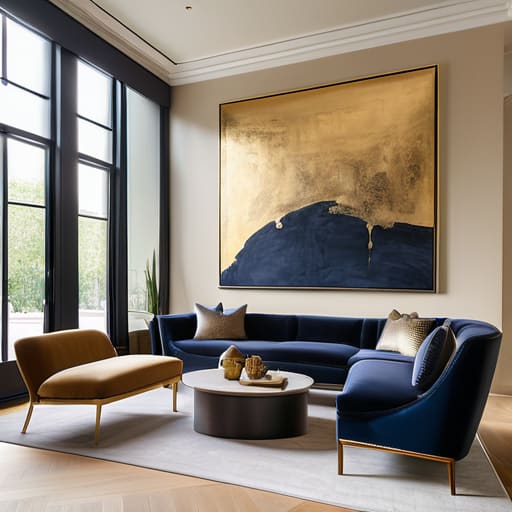
When I’m walking through a property I’ve just acquired, the living room is usually where I decide if the “bones” can actually support a premium asking price. If you want to move beyond the basic “builder grade” look, you have to stop thinking about art as an afterthought and start seeing it as a tool for value. For high-end flips, I lean heavily into modern living room wall art that feels intentional rather than cluttered. Think oversized, abstract canvases or large-scale photography that commands the room. You aren’t just filling a void; you are creating a focal point that makes a buyer feel like they’ve stepped into a curated space rather than a generic house.
If a massive canvas isn’t in the budget for a specific rehab, don’t panic. You can still achieve a high-end feel by playing with texture and dimension in wall decor. I’ve found that incorporating sculptural elements—like metal wall hangings or even textured plaster panels—adds a layer of sophistication that flat prints simply can’t touch. It signals to potential buyers that every inch of the home was considered with an eye for quality.
Creating Texture and Dimension in Wall Decor for Impact
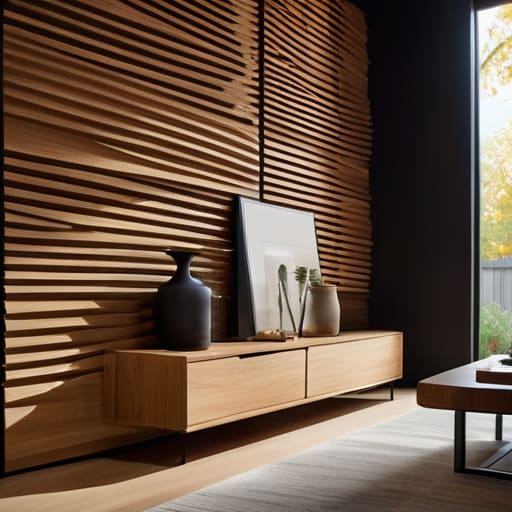
If you’ve been following my recent projects, you know I’m not a fan of “flat” rooms. A space that relies solely on paint and framed prints often feels clinical, almost like a showroom rather than a home. To really drive up the perceived value of a property, you need to master texture and dimension in wall decor. I’m talking about moving beyond the two-dimensional. Think about incorporating wood slat panels, woven tapestries, or even sculptural metal pieces that cast subtle shadows when the light hits them. These elements break up the monotony of a large, empty expanse and give the eye something to actually grip onto.
When I’m walking through a house during a walkthrough, I’m constantly looking for ways to use interior design wall accents to mask architectural flaws or highlight a feature wall. Instead of just slapping a single large canvas on a plain surface, try layering. You might pair a heavy, textured piece with a slim floating shelf to create depth. This approach is one of my favorite minimalist wall styling ideas because it adds visual interest without the clutter that can make a small space feel cramped. It’s about being strategic, not just decorative.
Five Rules for Decorating Walls That Actually Move the Needle
- Scale is everything. I see so many investors make the mistake of hanging tiny, precious-looking frames in a massive living room. It makes the space feel disjointed and cheap. If you’re working with high ceilings, go big or go home; you need pieces that command the room to prove the square footage has value.
- Stop treating walls like a gallery of your personal life. When I’m staging a flip, I’m not looking for sentimental family photos; I’m looking for aspirational art. Choose abstract prints or landscapes that allow a potential buyer to project their own life onto the walls without feeling like an intruder in your living room.
- Use lighting to do the heavy lifting. A beautiful piece of wall decor is wasted if it’s sitting in a dark corner. I always budget for some directional picture lights or even strategically placed sconces. It’s a small expense that signals to a buyer that you’ve thought about the “mood” of the home, not just the layout.
- Mind the eye level. It sounds basic, but you’d be surprised how many people hang art too high, right up against the ceiling line. Keep your focal points at eye level—roughly 57 to 60 inches from the floor. If the art is floating too high, the whole room feels unbalanced and ungrounded.
- Mix your mediums to avoid the “showroom” look. If everything on your walls is a flat canvas, the room feels sterile. I like to mix in some sculptural elements—maybe a wooden slat feature or a metal wall installation. Adding that physical depth makes the renovation feel custom rather than something pulled straight from a big-box catalog.
The Bottom Line: Decorating for ROI
Stop thinking about wall decor as just “pretty pictures” and start seeing it as a tool to define the room’s value; the right piece tells a buyer exactly what kind of lifestyle they’re purchasing.
Avoid the trap of over-accessorizing; in a renovation, less is almost always more, especially when you’re trying to maintain that clean, high-end industrial aesthetic that maximizes perceived space.
Focus on scale and impact—one large, intentional statement piece will do more to drive up your perceived equity than a cluttered gallery wall of cheap, mismatched frames.
The Equity in the Details
“Wall decor isn’t just about filling empty space; it’s about directing a buyer’s eye to the value you’ve built. If you leave the walls blank, you’re leaving money on the table by failing to sell the vision of the finished home.”
Gareth Trelawny
The Bottom Line on Wall Decor
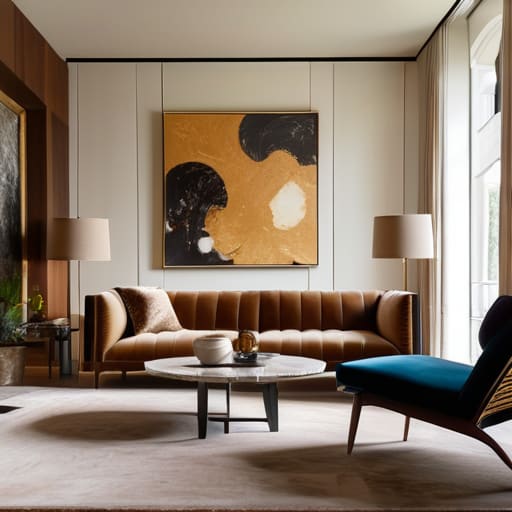
At the end of the day, wall decor isn’t just about filling empty space or making a room look “pretty” for a weekend open house. It is a strategic tool in your renovation arsenal. Whether you are using high-end art to signal sophistication in a living room or layering textures to add depth to a narrow hallway, every piece you hang should serve a purpose. Remember, you aren’t just decorating; you are curating an experience that justifies your asking price. When you choose pieces that add dimension and character, you move the needle from a basic house to a high-value asset that buyers can actually see themselves living in.
I know that staring at a room full of bare, freshly painted drywall can feel overwhelming, especially when you’re deep in the middle of a messy rehab. But don’t let the scale of the project intimidate you. Start small, trust your eye for potential, and remember that the goal is to build equity, one room at a time. Every smart design choice you make today is a brick in the foundation of your generational wealth. Stop looking at those empty walls as a chore and start seeing them as unrealized profit waiting to be unlocked. Now, grab your laser measurer and get to work.
Frequently Asked Questions
How do I decide between high-end statement pieces and budget-friendly decor when I'm trying to maximize my ROI on a flip?
Here’s my rule of thumb: spend your money where eyes naturally land. In the living room or primary suite, go for one high-end statement piece—like a large-scale abstract or a sculptural element. It anchors the room and signals quality. For everything else, don’t break the bank. Use budget-friendly frames or minimalist pieces to fill the gaps. You want the house to feel curated, not expensive, without bleeding your margins dry.
Are there specific types of wall decor that tend to date a property too quickly in a competitive market?
If you’re looking to flip, avoid anything too “niche” or hyper-trendy. I see it all the time: heavy, ornate Victorian-style frames or those overly whimsical, “live-laugh-love” style decals. They scream a specific personality that might not resonate with a buyer. Similarly, stay away from overly bright, neon-colored geometric prints. They’re a flash in the pan. Stick to neutral tones and timeless silhouettes; you want the decor to enhance the space, not distract from the equity you’re building.
When am I dealing with uneven or damaged walls, is it better to cover them with large-scale art or invest in fixing the drywall first?
Look, I’ve been on enough job sites to know the temptation of a “quick fix,” but don’t try to mask structural flaws with a massive canvas. If the wall is bowed or the drywall is crumbling, large-scale art will actually highlight the unevenness, making the room look amateurish. Fix the substrate first. Invest the time in patching and sanding; you can’t build high-end equity on a shaky foundation, even if that foundation is just a wall.
