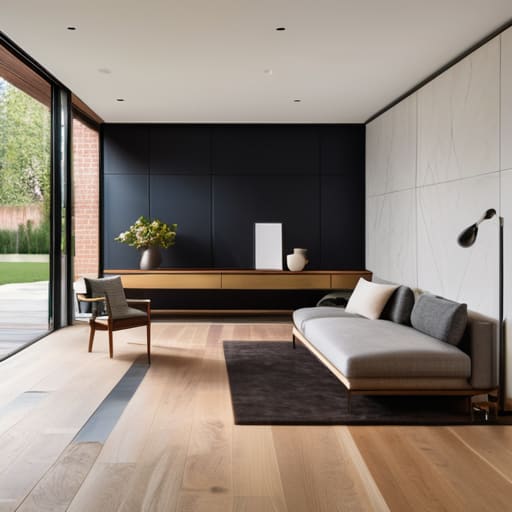
I was standing in a kitchen last Tuesday, knee-deep in sawdust and the unmistakable, metallic scent of old plumbing, staring at a subfloor that looked more like a sponge than structural timber. Most people would have seen a disaster and walked away, but I just reached into my bag for my laser measurer and started calculating. That’s the thing about property renovation; the industry loves to sell you this polished, Pinterest-perfect dream where everything snaps into place with a single coat of paint. But let’s be real—the actual work is messy, loud, and occasionally smells like a basement that hasn’t breathed since 1974.
I’m not here to give you a superficial checklist or tell you that a new backsplash is a magic wand for ROI. I’m going to show you how to look past the grime to find the actual value hidden behind those crumbling walls. We’re going to talk about the gritty, unglamorous side of flipping and investing, focusing on the strategic decisions that turn a chaotic job site into a high-yield asset. If you’re ready to stop chasing aesthetics and start building generational wealth, let’s get to work.
Table of Contents
Spotting Structural Home Improvements That Build Real Wealth
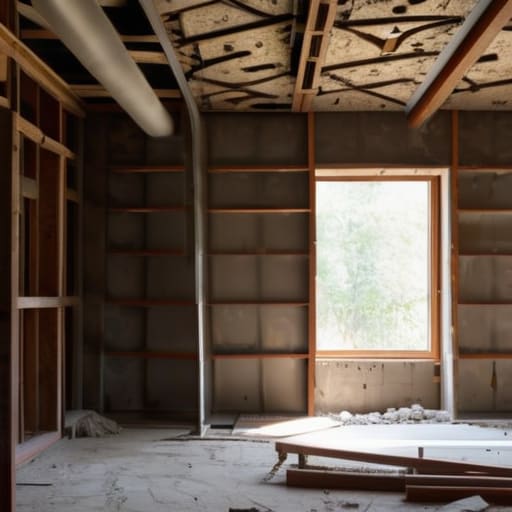
When you’re walking through a potential fixer-upper, you have to train your eyes to look past the ugly wallpaper and see the skeleton of the house. I’ve learned the hard way that flashy cosmetic fixes are fine, but if you want to build a real portfolio, you need to focus on structural home improvements that actually move the needle. I’m talking about things like reinforcing a foundation or updating a dated electrical system. These aren’t the “fun” parts of the job, and they certainly won’t look great on an Instagram reel, but they are the absolute bedrock of increasing property market value.
Don’t get distracted by the superficial stuff too early. I see so many novice investors blow their entire renovation budget planning on high-end fixtures before they’ve even checked if the floor joists are rotting. If you want a high real estate ROI, you have to prioritize the bones. A beautifully tiled backsplash won’t save a house with a sagging roof, but a solid, sound structure gives you the leverage to command a premium price when it’s time to sell.
Modernizing Old Houses Without Losing Their Soul
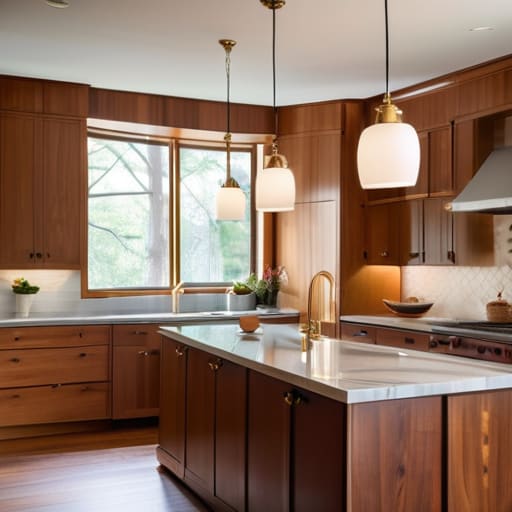
When I walk into a house built in the fifties or sixties, I’m not looking to strip it down to a sterile, white box. That’s the fastest way to kill the character that actually drives a buyer’s emotional connection. Instead, I focus on modernizing old houses by blending original architectural bones with updated functionality. Think about it: you can keep those gorgeous original crown moldings or a built-in breakfast nook, but you swap out the outdated, heavy cabinetry for something cleaner and more streamlined. It’s about finding that sweet spot where history meets convenience.
I see a lot of investors blow their entire renovation budget planning on trendy, superficial fixes that age poorly. If you want a real return, look at the kitchen. Instead of following every fleeting fad, I lean into timeless kitchen remodeling trends—like high-quality quartz countertops paired with hardware that nods to the home’s era. You aren’t just slapping on a new coat of paint; you’re upgrading the lifestyle within the space. This approach ensures you aren’t just chasing a quick flip, but actually increasing property market value through thoughtful, intentional design.
My Non-Negotiable Rules for Maximizing ROI
- Focus on the “unsexy” stuff first. I know, nobody wants to talk about updated electrical or plumbing, but you can’t sell a designer kitchen if the house feels unsafe. Fix the bones so you can sleep at night and your buyers don’t walk away during inspection.
- Don’t over-improve for the neighborhood. I’ve seen too many investors drop fifty grand on a high-end marble backsplash in a zip code where people just want decent quartz. Know your ceiling, or you’ll end up eating your own profits.
- Prioritize lighting like your life depends on it. A dark, cramped room feels small and depressing, no matter how much you spend on paint. Swapping out dated boob lights for recessed lighting or sleek pendants can make a space feel twice as large for a fraction of the cost.
- Keep your cosmetic changes strategic. I love a good thrifted mid-century piece, but when it comes to the big stuff like flooring or cabinetry, stick to neutral, timeless palettes. You want the buyer to see their own life in the space, not my personal design quirks.
- Always, always budget for the “oops” factor. I keep my laser measurer handy for precision, but even the best plans hit a snag when you tear down a wall and find unexpected rot. If you don’t have a 15% contingency fund tucked away, you aren’t investing—you’re gambling.
My Golden Rules for Maximizing Your ROI
Focus your budget on the bones; structural integrity and updated systems are what actually build long-term equity, while trendy finishes are just the icing on the cake.
Respect the history of the home, but don’t be afraid to rip out the dated junk that makes a space feel claustrophobic and unlivable.
Always leave yourself a buffer—both in your budget and your timeline—because a “simple” renovation never stays simple once you open up the walls.
The Real Value of a Messy Job Site
Stop looking at a renovation as a list of problems to fix; start seeing it as a roadmap to equity. A cracked foundation or outdated wiring isn’t a dealbreaker—it’s just the price of admission for turning a neglected house into a high-performing asset.
Gareth Trelawny
Turning Vision into Value
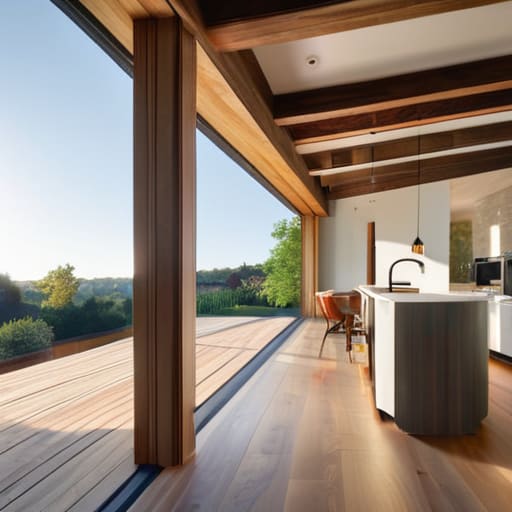
At the end of the day, successful renovation isn’t about slapping a fresh coat of paint on a disaster and hoping for the best. It’s about the strategic balance between smart structural investments and preserving the character that makes a house feel like a home. We’ve covered how to identify those high-yield structural upgrades that actually move the needle on your ROI, and how to modernize outdated layouts without stripping away the history that buyers crave. If you can master the art of seeing past the dated wallpaper and the cracked foundation, you aren’t just fixing a house; you are engineering equity.
I know the process can feel overwhelming when you’re standing in the middle of a dust-filled living room, staring at a budget that feels too tight. But remember, every single renovation expert started exactly where you are right now. The grit it takes to navigate a messy job site is exactly what separates the hobbyists from the serious investors. Don’t let the chaos intimidate you. Keep your eyes on the long-term goal, trust your eye for design, and stay patient through the heavy lifting. This is how you build a legacy, one calculated renovation at a time.
Frequently Asked Questions
How do I figure out if a renovation is actually adding equity or if I'm just throwing good money after bad?
Look, I’ve been there—staring at a quote for a custom backsplash and wondering if I’m just funding a contractor’s vacation. To avoid that trap, you have to run the math before you swing a hammer. Compare the renovation cost against the projected “After Repair Value” (ARV). If a $20k kitchen remodel only bumps the house value by $15k, walk away. Focus on high-ROI essentials like systems and layouts, not just expensive aesthetics.
When should I stop the "aesthetic" upgrades and focus strictly on the heavy-duty structural stuff?
Look, I get the temptation to pick out backsplash tiles early, but you have to respect the hierarchy of a rehab. Stop the aesthetic upgrades the second your budget starts encroaching on the “unseen” essentials. If you haven’t cleared the electrical, plumbing, or foundation issues, those trendy light fixtures won’t save your ROI. Aesthetics are the cherry on top, but structural integrity is the cake. Fix the bones first, or you’re just painting a sinking ship.
How do I manage a renovation budget without getting blindsided by those inevitable "hidden" costs once the walls come down?
The golden rule? Always bake a 15-20% contingency buffer into your budget before you even pick up a sledgehammer. I call it the “chaos fund.” You haven’t lived until you’ve opened a wall to find outdated wiring or a plumbing nightmare. Don’t treat that buffer as extra profit; treat it as a necessity. If you don’t account for the surprises, those “hidden” costs will eat your equity alive before the paint even dries.
