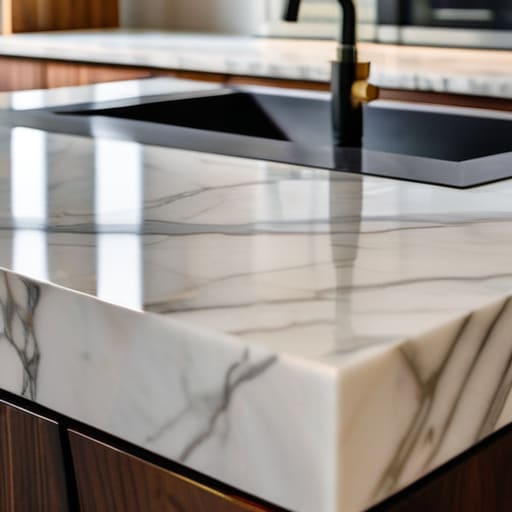
I was standing in a dusty kitchen last Tuesday, staring at a client’s proposal for high-end, exotic quartzite that cost more than my first car. The designer was talking about “unparalleled veining” and “luxury status,” but all I could see was a massive hole in the project’s ROI. Look, I’ve spent enough years on job sites to know that most people get completely blinded by the shiny allure of expensive countertop materials that offer nothing but a headache. You don’t need to blow your entire renovation budget on a slab of stone just to impress a buyer who won’t even notice the difference once the staging furniture is gone.
I’m not here to sell you on a dream or push some overpriced trend that’ll be dated by next season. My goal is to give you the unfiltered truth about which surfaces actually stand up to daily life and, more importantly, which ones actually drive up your property value. We’re going to break down the real-world pros and cons of the most common countertop materials so you can stop guessing and start building equity with every dollar you spend.
Table of Contents
- Natural vs Engineered Stone Surfaces the Investors Choice
- A Kitchen Countertop Durability Comparison for Long Term Gains
- Five Rules for Picking Surfaces That Actually Move the Needle
- The Bottom Line: Picking Surfaces That Pay Off
- ## The Investor's Bottom Line
- Making the Final Call
- Frequently Asked Questions
Natural vs Engineered Stone Surfaces the Investors Choice
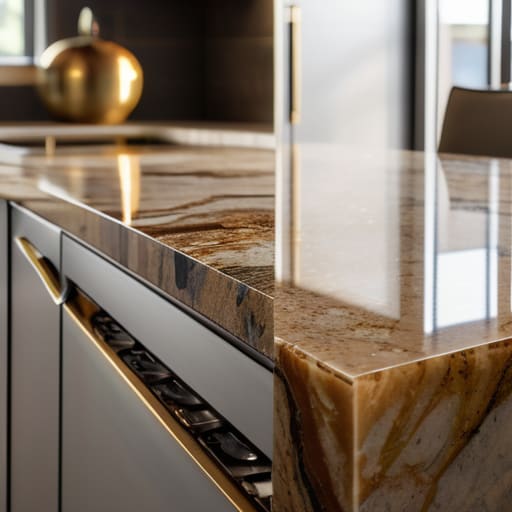
When you’re staring down a renovation budget, the debate between natural and engineered stone is usually where the real tension starts. I’ve seen too many rookies fall in love with a slab of exotic granite only to realize they’ve just bought themselves a lifelong commitment to sealing and scrubbing. Natural stone has that undeniable, one-of-a-kind soul that buyers crave, but if you’re looking for the best countertop for high traffic kitchens, you have to weigh that beauty against the reality of daily wear.
On the flip side, quartz and other engineered surfaces are the workhorses of the modern flip. They offer a level of consistency that natural stone just can’t match, which is huge when you’re trying to maintain a specific aesthetic across multiple units. In my experience, the natural vs engineered stone surfaces debate usually comes down to your exit strategy. If you want a low-maintenance sell, engineered stone is a safer bet. It’s predictable, incredibly tough, and doesn’t require the constant upkeep that can drive a buyer away during a walkthrough.
A Kitchen Countertop Durability Comparison for Long Term Gains
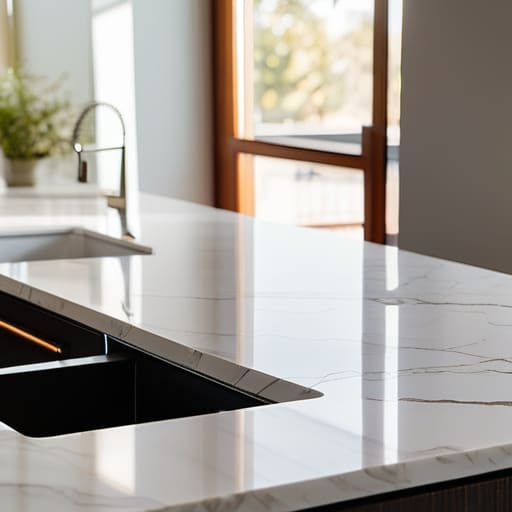
When you’re looking at a kitchen countertop durability comparison, you have to stop thinking like a homeowner and start thinking like an investor. If I’m flipping a house, I’m not just looking for what looks pretty in a staged photo; I’m looking for what won’t need replacing in three years. For rental properties or high-turnover flips, you need the best countertop for high traffic kitchens, which usually means leaning heavily into quartz. It’s non-porous, meaning it won’t stain the moment a tenant spills red wine, and it requires almost zero upkeep.
On the other hand, if you’re targeting a luxury buyer for a high-end renovation, granite might still hold that prestige, but you have to factor in the sealing requirements. I’ve seen too many investors get burned by choosing “cheap” stone that ends up looking dingy because it wasn’t maintained. If you want to maximize your ROI, focus on low maintenance countertop options that offer a premium look without the constant headache of repairs. At the end of the day, your goal is to build equity, not to spend your weekends scrubbing stains out of faux-marble.
Five Rules for Picking Surfaces That Actually Move the Needle
- Don’t fall in love with the “wow” factor of high-maintenance slabs; if a buyer has to baby a countertop to prevent staining, you’ve just built a liability, not an asset.
- Stick to neutral, timeless tones like greys, whites, or soft creams to ensure your kitchen doesn’t look dated the second the next design trend hits.
- Always calculate your cost-per-square-foot against the projected ROI—spending an extra $2,000 on premium quartz only makes sense if it adds $4,000 to your exit price.
- Prioritize seamless edges and clean lines; in a flip, visual continuity is what makes a space feel expensive without actually being overpriced.
- Check your samples under actual site lighting, not just in a showroom, because a countertop that looks stunning under LEDs can look muddy and cheap in a north-facing kitchen.
The Bottom Line: Picking Surfaces That Pay Off
Stop chasing trends that expire in two years; prioritize materials like quartz or high-grade granite that offer a timeless look and actually withstand the wear and tear of daily life.
Always calculate the “value-add” vs. the “cost-to-install”—if a luxury slab eats up your entire profit margin without significantly bumping the appraisal, it’s a bad investment.
Think like a buyer, not just a decorator; you want surfaces that look expensive in photos but are durable enough to convince a serious homeowner that the house is built to last.
## The Investor's Bottom Line
“Don’t fall in love with a slab just because it looks expensive in a showroom; if that countertop can’t handle a heavy cast iron skillet or a spilled glass of red wine without staining, it’s not an asset—it’s a liability waiting to eat into your margins.”
Gareth Trelawny
Making the Final Call
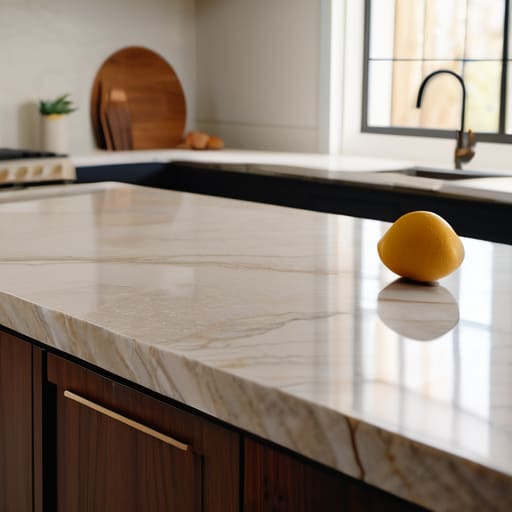
At the end of the day, picking a countertop isn’t just about what looks pretty in a staged photo; it’s a calculated move for your bottom line. You’ve weighed the high-end allure of natural stone against the sheer, unyielding practicality of engineered surfaces, and you’ve looked at how much abuse these materials can actually take before they start looking like a liability. My advice? Stop chasing every fleeting design trend and focus on the sweet spot between aesthetic appeal and long-term durability. If you choose a surface that can survive a busy family kitchen without cracking or staining, you aren’t just buying a countertop—you are protecting your investment margins.
Renovation is messy, exhausting, and sometimes incredibly frustrating, but that’s exactly why the reward is so worth it. Every smart decision you make, from the plumbing to the slab of quartz on the island, is a brick in the foundation of your financial future. Don’t let the technical details overwhelm you; just keep your eye on the goal and remember that every dollar spent wisely on quality materials is a dollar that builds equity. Now, stop overthinking the samples, grab your laser measurer, and go turn that vision into a profitable reality.
Frequently Asked Questions
How do I balance a high-end look with a tight renovation budget without making the kitchen look cheap?
Focus on the “high-impact zones.” Don’t blow your entire budget on a slab of rare quartzite if it means you have to settle for budget-grade hardware. Instead, invest in a mid-range quartz that looks high-end and pair it with premium, heavy-duty faucets and pulls. It’s the tactile details—the weight of the handles and the seamlessness of the edges—that signal quality to a buyer, not just the price tag on the stone.
Which countertop materials are actually the easiest to maintain for a rental property versus a flip?
If you’re flipping, go with quartz. It looks high-end, it’s virtually indestructible, and it requires zero sealing, which means you can move on to the next job without worrying about a tenant ruining the finish. For rentals, though, I lean toward high-quality laminate or solid surface. They’re cheap to replace if someone actually manages to gouge them, and they keep your overhead low while still looking clean and functional for a tenant.
At what point does spending more on premium stone stop adding actual ROI to my property value?
Look, there’s a ceiling to how much a buyer will pay for your taste. Once you move past high-quality quartz or a decent granite into the realm of rare, exotic slabs that require specialized sealing and custom fabrication, you’re essentially buying a hobby, not an investment. If the cost increase of the stone exceeds the projected bump in your sale price, you’re just bleeding equity. Stick to the “sweet spot” materials that look expensive but remain practical.
