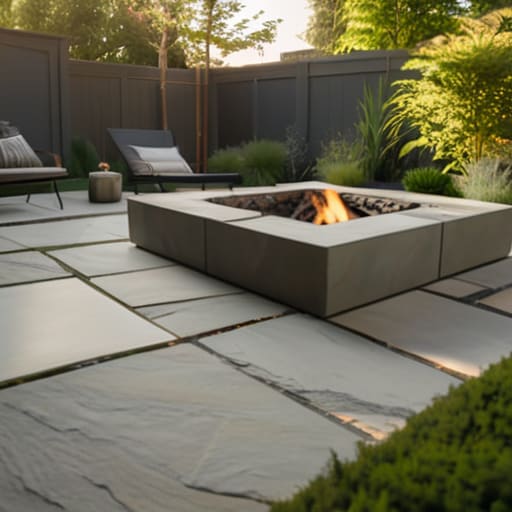
I was standing in the mud of a fixer-upper in East London last July, staring at a backyard that was essentially a swamp of cracked concrete and overgrown weeds. The previous owner had clearly thought a patch of cheap, uneven slabs was enough, but all it really did was drain the property’s potential and make the entire outdoor space look neglected. Most people think you need a massive landscaping budget to fix a mess like that, but they’re wrong. You don’t need a miracle; you just need to stop viewing patio paving as a luxury add-on and start seeing it for what it actually is: a high-impact tool for building equity.
I’m not here to sell you on expensive, designer stone that’ll crack in two years or give you some fluff-filled guide on “outdoor living aesthetics.” I’m going to show you the pragmatic reality of selecting materials that actually last and how to execute a layout that maximizes your square footage. We’re going to talk about the grit, the drainage, and the strategic choices that turn a muddy eyesore into a profitable asset. Let’s get to work.
Table of Contents
Finding Value in Natural Stone Patio Ideas
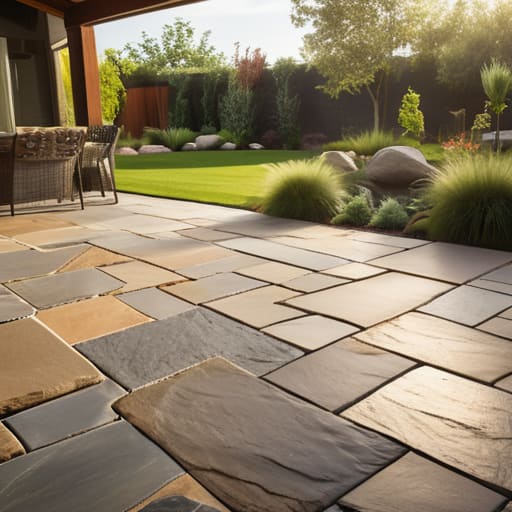
When I’m walking a property, I’m not just looking at the current layout; I’m looking at the bones. If a backyard is nothing but a patchy, muddy mess, I see an immediate opportunity to inject value. One of my favorite ways to do this is by leaning into natural stone patio ideas. Unlike cheap, stamped concrete that starts looking dated the second it cracks, real stone—think slate, flagstone, or travertine—adds a sense of permanence and high-end character that buyers crave. It signals that the home has been cared for with quality materials, not just the cheapest options available.
The real magic happens when you align your material choice with the local climate. I always tell my clients to prioritize weather-resistant patio stones if they’re dealing with heavy freeze-thaw cycles. You don’t want to spend your entire profit margin on a renovation that starts crumbling after two winters. While the initial outlay might be higher than some synthetic alternatives, investing in durable outdoor surface materials is a strategic move. It’s about playing the long game: you’re trading a slightly higher upfront cost for a massive boost in curb appeal and long-term equity.
Navigating Real World Paving Installation Costs
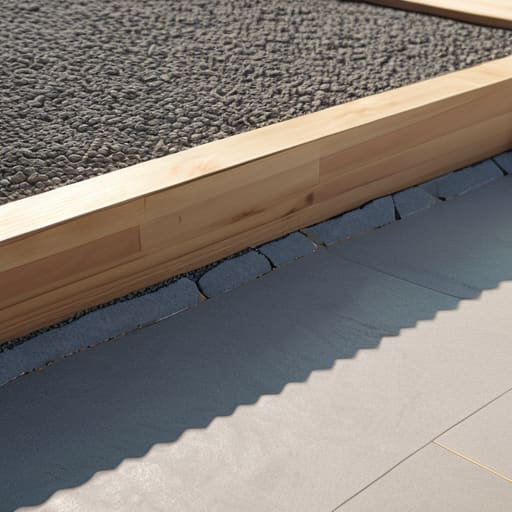
Let’s get real: the biggest mistake I see rookie investors make is underestimating the budget for groundworks. You can’t just slap some stones on top of a patch of dirt and call it a day. When you’re looking at paving installation costs, you aren’t just paying for the pretty surface you see in the catalog; you’re paying for the excavation, the sub-base, and the drainage. If you skimp on the foundation to save a few hundred bucks, you’ll be dealing with shifting slabs and trip hazards within two seasons, which is a nightmare for any resale inspection.
I always tell my clients to view hardscaping as a structural investment rather than just a cosmetic one. If you’re hunting for high-ROI upgrades, prioritize weather-resistant patio stones that can handle heavy rain and freeze-thaw cycles without cracking. While the upfront cost for premium materials might sting, choosing durable, high-quality components means you won’t be back on that job site in three years doing repairs. In this business, doing it right the first time is the only way to ensure that your renovation actually builds equity instead of draining it.
Don't Waste Your Budget: 5 Pro Tips for High-ROI Patio Paving
- Prioritize drainage from day one; I’ve seen too many beautiful stone layouts ruined by standing water, which is a fast track to sinking pavers and a massive headache during your next inspection.
- Stick to a cohesive color palette that complements the existing house exterior, because if your new patio looks like a mismatched afterthought, you aren’t adding value—you’re just creating visual clutter.
- Invest in a solid sub-base rather than skimping on the cheap stuff; a cheap foundation leads to shifting and cracking, and nothing kills your profit margins like having to tear out and redo a job six months later.
- Scale your pattern to the property size to avoid making the backyard look tiny; using oversized pavers can actually make a cramped space feel much more expansive and high-end.
- Plan for “lifestyle flow” by ensuring the paving leads naturally from your back door to your main seating area, because a patio that’s hard to access is just an expensive way to grow weeds.
The Bottom Line: Turning Paving into Profit
Don’t chase trends; invest in materials like natural stone that offer a high ROI and won’t look dated by the time you’re ready to flip.
Always budget a 15% contingency buffer for your paving project to cover the inevitable sub-base issues that surface once you start digging.
Prioritize seamless indoor-outdoor flow in your design to expand the perceived square footage of the home, which is a massive selling point for modern buyers.
## The Equity in the Exterior
“Most amateur investors focus entirely on the kitchen backsplash, but they’re missing the forest for the trees. A cheap, muddy backyard is a massive red flag to a buyer; a well-executed stone patio, however, is an immediate signal of quality that turns an outdoor liability into a high-value living space.”
Gareth Trelawny
The Bottom Line on Paving for Profit
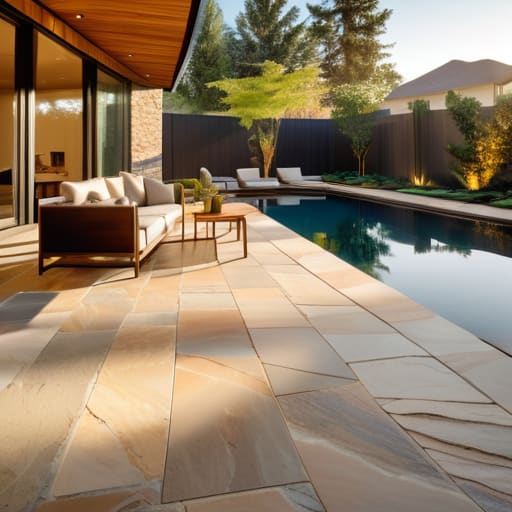
At the end of the day, patio paving isn’t just about picking out a pretty pattern to satisfy your aesthetic cravings; it’s a calculated move to increase your property’s footprint. We’ve looked at how natural stone can provide that high-end, organic feel that buyers crave, and we’ve been honest about the fact that installation costs can bite if you aren’t prepared. Whether you’re opting for the timeless durability of flagstone or the structured look of modern pavers, the goal remains the same: stop treating your backyard like an afterthought and start treating it like an extension of your home’s living square footage.
I know that staring at a muddy, uneven yard can feel overwhelming, especially when you’re trying to balance a renovation budget. But remember, every major investor I know started by identifying small, manageable ways to add value. Don’t let the complexity of a job site intimidate you into inaction. If you can look past the dirt and see the potential for a solid, paved entertaining space, you are already ahead of the game. Take the leap, do the math, and start turning that wasted outdoor space into real, tangible equity.
Frequently Asked Questions
How do I choose between pavers and natural stone if I'm on a tight renovation budget?
If you’re sweating your margins, go with pavers. They’re predictable, easier to install, and won’t blow your budget with unexpected stone breakage or specialized masonry costs. Natural stone looks incredible, but the price tag—and the labor—can quickly eat your projected profit. My rule of thumb? Use pavers for the bulk of the area to keep costs controlled, then maybe splurge on a small natural stone accent to give it that high-end, designer feel.
What are the biggest red flags to look for when inspecting an old, existing patio before I start a new project?
Before you swing a sledgehammer, look for the “silent equity killers.” First, check for significant settling or sloping; if the ground has shifted, a simple overlay won’t save you—you’ll need to rip it out and fix the base. Watch out for deep cracks in the substrate and excessive weed growth between stones, which signals a failed drainage system. If you see standing water after a rain, walk away or budget for a total overhaul.
How much of a return on investment (ROI) can I actually expect to see from a high-end paving upgrade?
Let’s talk numbers, because at the end of the day, we’re here to build equity, not just a pretty backyard. For a high-end paving upgrade, you’re realistically looking at a 60% to 80% ROI. It’s rarely a dollar-for-dollar windfall, but here’s the secret: you aren’t just paying for stone; you’re paying for perceived value. A premium patio expands your usable square footage, making the entire property feel more expensive to a buyer.
