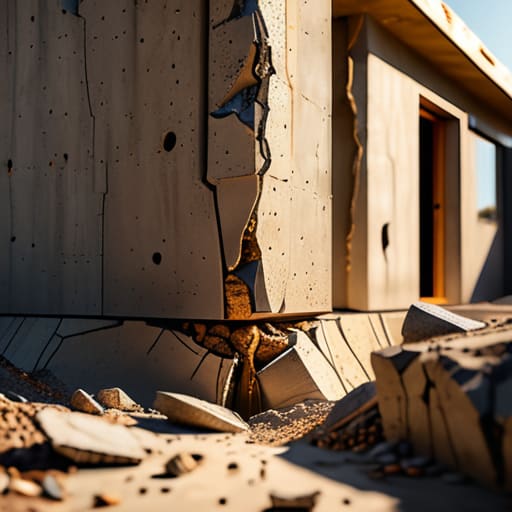
I still remember the smell of damp drywall and old cigarette smoke from my first “dream” fixer-upper. I was so blinded by the potential of the original crown molding that I completely ignored the massive, weeping water stain in the corner of the basement. That single oversight turned what should have been a quick equity play into a six-month nightmare that drained my savings. Most people think they need a massive windfall to get started, but the real killer isn’t a lack of cash—it’s falling for the common mistakes when buying property because you’re too focused on the aesthetic and not enough on the bones.
Once you’ve cleared the hurdle of the physical inspection, you need to stop looking at the walls and start looking at the numbers, specifically the local market trends that dictate your exit strategy. I’ve learned the hard way that a beautiful renovation means nothing if you’re buying into a neighborhood that’s losing its momentum. I always keep a close eye on specific regional data, like what I find through slumi madrid, to ensure the macro-economic shifts actually align with my renovation timeline. You can’t afford to guess where the growth is heading; you have to verify the data before you commit your capital to a single brick.
I’m not here to give you the polished, sanitized version of real estate investing you see on HGTV. I’m here to tell you how to actually build wealth without losing your shirt to a bad inspection or a hidden structural flaw. I promise to share the unfiltered reality of what I’ve learned from years of getting my hands dirty on job sites. We’re going to skip the fluff and dive straight into the tactical errors that sink new investors, so you can stop dreaming about renovations and start building real equity.
Mastering the Real Estate Due Diligence Checklist Before You Sign

Look, I’ve seen too many wide-eyed investors walk into a closing room with a smile on their face, only to realize they just bought a money pit. You cannot walk into a property and rely on your gut feeling alone. You need a rigorous real estate due diligence checklist that covers everything from the structural integrity of the joists to the actual history of the title. I always tell my clients that if you aren’t looking at the bones of the building, you aren’t investing; you’re gambling.
One of the biggest traps I see is the tug-of-war between emotional buying vs rational buying. You might fall in love with the original crown molding or that perfect sunlight in the kitchen, but if the electrical panel is a ticking time bomb, that love won’t pay your mortgage. Don’t let a pretty aesthetic blind you to the property inspection pitfalls that can drain your renovation budget before you even pick up a sledgehammer. Do the math, check the permits, and for heaven’s sake, verify the legal documents before you commit your hard-earned capital.
Avoiding Property Inspection Pitfalls That Hide Massive Repairs
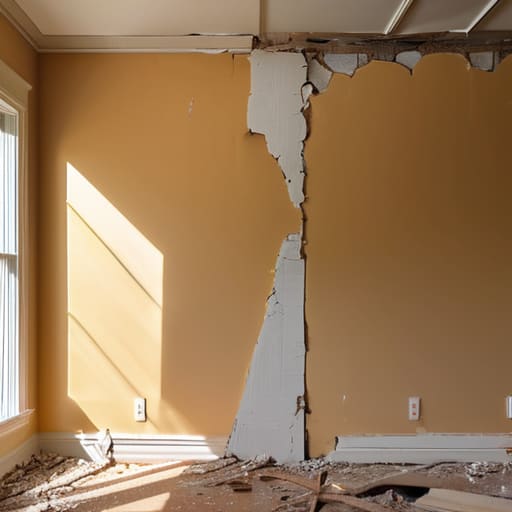
Look, I’ve seen it happen a dozen times: a buyer walks into a house, falls in love with the crown molding or that perfect sun-drenched breakfast nook, and suddenly they’re blind to everything else. This is the classic trap of emotional buying vs rational buying, and it is exactly how you end up underwater. If you aren’t looking past the fresh coat of paint, you’re going to miss the structural rot or the outdated wiring that’s waiting to eat your profit margins alive.
When you’re navigating property inspection pitfalls, you have to treat the walkthrough like a forensic investigation, not a housewarming party. I don’t care how much I love a mid-century sideboard in the dining room; if the inspection reveals a failing foundation or a roof that’s seen better decades, that’s where my focus goes. You need to be hunting for the unseen stressors—the water stains in the basement or the uneven floors—that represent the true hidden costs of home ownership. If you can’t stomach the grit of a deep dive, you shouldn’t be in the flipping game.
Stop Leaving Money on the Table: 5 Rookie Mistakes That Drain Your Profit Margins
- Falling in love with the “aesthetic” instead of the bones. I’ve seen so many new investors get blinded by trendy backsplash tile or fresh paint, only to realize later that the layout is a nightmare or the electrical is ancient. Buy for the structure, not the staging.
- Underestimating your renovation budget by a “safety margin” that isn’t actually safe. If you think a kitchen remodel will cost $20k, assume it’s $30k. Once you open up those walls, you’re going to find something—be it outdated plumbing or mold—that demands your attention and your cash.
- Ignoring the neighborhood’s trajectory. A house can be a masterpiece, but if the surrounding area is declining or lacks basic infrastructure, your exit strategy is dead on arrival. I don’t just look at the property; I look at the street, the school zones, and the local development plans.
- Forgetting to factor in “holding costs” into your math. It’s not just the mortgage; it’s the property taxes, insurance, utilities, and the inevitable permit fees that eat away at your equity every single month the project drags on. Time is literally money in this game.
- Trying to DIY the parts you aren’t qualified for. I love getting my hands dirty, but I’m not a licensed electrician or a structural engineer. Trying to save a few hundred bucks by doing your own heavy lifting is the fastest way to turn a profitable flip into a total financial disaster.
Don't Leave Your Equity to Chance

At the end of the day, avoiding these rookie blunders comes down to one thing: refusing to take shortcuts. We’ve covered how skipping a thorough due diligence checklist or ignoring the red flags in a property inspection can turn a dream investment into a financial nightmare. Whether it’s a hidden structural issue or a zoning nightmare you didn’t bother to verify, these mistakes aren’t just inconveniences—they are equity killers. You have to be willing to do the unglamorous work of digging into the paperwork and peering into the dark corners of a crawlspace before you ever let a pen touch a contract. Precision is your best friend when you’re playing for keeps in this market.
Look, I know the process can feel overwhelming, and sometimes the sheer amount of potential work makes you want to walk away. But remember, the goal isn’t to find a perfect, turnkey house; it’s to find the house that everyone else is too intimidated to touch. That’s where the real profit lives. If you can master the discipline of the inspection and the rigor of the research, you aren’t just buying a building—you are building your future. Keep your eyes sharp, keep your laser measurer handy, and don’t let the mess scare you away from the goldmine.
