
I was standing in a drafty, half-finished kitchen last Tuesday, dust coating my boots and the smell of damp drywall heavy in the air, when I realized something. Most people looking for property investment locations are chasing the same shiny, overpriced zip codes that everyone else on Instagram is screaming about. They’re fighting over the “perfect” neighborhoods where the entry price is already sky-high and the margins are razor-thin. Honestly? That’s not investing; that’s just expensive gambling. I’ve learned the hard way that the real wealth isn’t sitting in the manicured suburbs; it’s hidden in the grit of the neighborhoods everyone else is too afraid to walk through.
I’m not here to give you a polished, theoretical lecture on market trends or some academic breakdown of demographic shifts. I’m going to show you how I actually scout for value, focusing on the unpolished pockets where smart renovations can turn a crumbling structure into a massive equity win. I promise to give you the raw, unvarnished truth about where to put your money so you can stop dreaming about a portfolio and actually start building real wealth.
Table of Contents
- Spotting Urban Regeneration Projects Before They Go Mainstream
- Reading Demographic Shifts and Housing Demand Like a Pro
- My Tactical Checklist for Scouting High-Potential Zip Codes
- My Cheat Sheet for Picking Winning Locations
- ## Location is About Potential, Not Perfection
- Making Your Move
- Frequently Asked Questions
Spotting Urban Regeneration Projects Before They Go Mainstream
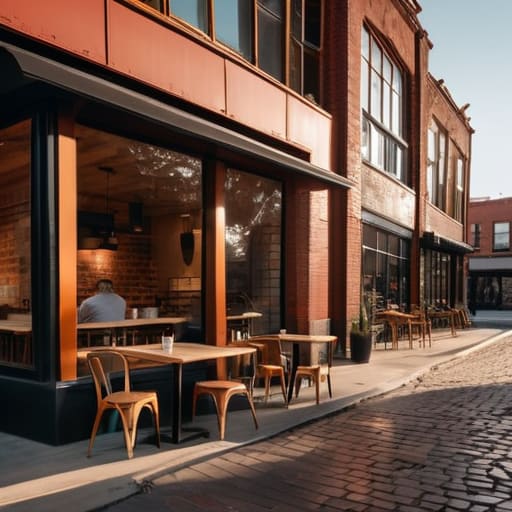
If you’re waiting for the news to report that a neighborhood is “up and coming,” you’ve already missed the boat. By then, the entry price is too high and the easy equity has been scooped up. To find the real winners, you have to look for the subtle precursors of urban regeneration projects before the cranes even show up. I always keep my eyes peeled for the “coffee shop indicator”—when a gritty, neglected block suddenly sees a high-end roastery or a boutique gym moving in, the tide is turning. These are the signals that the area is being primed for a massive influx of new residents.
I also obsess over the infrastructure development impact. I don’t just look at where people live now; I look at where the city is planning to pour money. A new light rail station or a revitalized waterfront isn’t just a convenience; it’s a catalyst for real estate capital appreciation. I’ve seen entire zip codes transform simply because a transit line finally connected a quiet pocket to the downtown core. You have to be willing to look at the cracked sidewalks and the boarded-up storefronts and see the blueprint of what they’re going to become.
Reading Demographic Shifts and Housing Demand Like a Pro
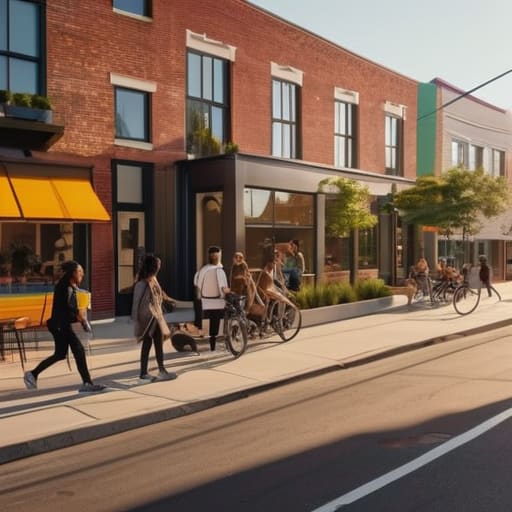
You can’t just look at a map and hope for the best; you have to look at the people. I spend a lot of time watching how neighborhoods actually breathe. Are young professionals moving in? Is there a sudden influx of young families looking for more square footage? Understanding demographic shifts and housing demand is the difference between a property that sits vacant and one that generates steady cash flow. When I’m scouting a new area, I’m not just looking at the houses; I’m looking at the coffee shops, the new daycare centers, and even the local gym memberships. These are the real-world indicators that a neighborhood is evolving.
Once you spot those patterns, you can start projecting your long-term gains. If a demographic is moving in but the housing stock is outdated or poorly maintained, that is your signal to strike. This is where you find the sweet spot for rental yield optimization. By targeting areas where demand is outstripping supply, you aren’t just gambling on a trend; you are positioning yourself to capture significant real estate capital appreciation as the area matures. It requires patience, but the math doesn’t lie.
My Tactical Checklist for Scouting High-Potential Zip Codes
- Stop looking at where the party is now and start looking at where the infrastructure is heading. I always check municipal planning portals for upcoming transit expansions or new commercial zoning; a new light rail station is basically a blueprint for future equity.
- Follow the coffee shops and the boutique gyms. It sounds cliché, but these businesses are the ultimate leading indicators of a neighborhood’s shifting demographic. When a high-end, independent cafe opens in a gritty area, the gentrification engine has already started humming.
- Scrutinize the “renovation gap” in a local area. I look for streets where the houses are structurally sound but aesthetically stuck in 1974. That gap between a house’s potential and its current curb appeal is exactly where I find my best margins.
- Don’t ignore the school district’s “momentum.” I’m not just looking at the highest-rated schools, but at the districts where funding is increasing and enrollment is rising. Families move for stability, and stability drives long-term rental demand and resale value.
- Walk the perimeter of the “danger zones.” I like to find the edge of a high-value neighborhood—the literal boundary where the polished streets meet the neglected ones. Buying just one block away from the “prime” area allows you to capture the appreciation at a much lower entry price.
My Cheat Sheet for Picking Winning Locations
Don’t chase the hype; look for the “missing middle”—neighborhoods with decent bones and proximity to transit that haven’t been priced up by developers yet.
Follow the lifestyle shifts, not just the spreadsheets; when you see coffee shops and co-working spaces moving into a zip code, the demographic shift is already in motion.
Always prioritize infrastructure over aesthetics; a crumbling street with a planned light rail extension is a much better bet than a polished suburb with zero growth potential.
## Location is About Potential, Not Perfection
“Stop looking for the neighborhoods where everyone is already fighting over the scraps. If you want to build real equity, you have to look for the places that feel a little broken right now—the ones where the bones are solid, the grit is real, and the transformation is just one smart renovation away.”
Gareth Trelawny
Making Your Move

At the end of the day, finding the right location isn’t about chasing the trends that everyone on Instagram is already talking about. It’s about doing the grunt work—tracking urban regeneration, watching where the young professionals are moving, and understanding the underlying demographics before the big developers swoop in. You have to look past the peeling paint and the cracked sidewalks to see the structural potential of a neighborhood. If you can master the art of spotting these shifts early, you aren’t just buying property; you are securing a strategic advantage that most investors will miss until it’s far too late.
I know it feels overwhelming when you’re staring at a map of crumbling neighborhoods and wondering if you’ve got the stomach for it. But remember, every massive portfolio I’ve built started with a single, slightly messy decision to bet on a place others ignored. Don’t wait for the “perfect” market to land in your lap, because by then, the equity has already been captured. Grab your tape measure, get out into the streets, and start looking for the hidden potential in the chaos. It’s time to stop spectating and start building your legacy, one renovation at a time.
Frequently Asked Questions
How do I distinguish between a neighborhood that's actually regenerating and one that's just seeing a temporary spike in gentrification?
Look for the “anchor” indicators. A temporary spike is usually just a few trendy coffee shops and a pop-up gallery—that’s a bubble. Real regeneration is deeper; it’s when you see infrastructure investment, like new transit lines or improved schools, and long-term commercial tenants moving in. I always check if the local businesses are serving the existing community or just catering to outsiders. If the bones of the neighborhood are strengthening, the equity will follow.
When I'm looking at a specific area, what are the red flags that tell me a "fixer-upper" is actually a money pit I should walk away from?
Look, there’s a massive difference between a house with character and a house that’s actively trying to bankrupt you. If I walk into a property and see sagging floor joists, massive foundation cracks, or the unmistakable smell of persistent mold, I’m out. Those aren’t just “cosmetic fixes”; those are structural nightmares that eat your profit margins alive. If the bones are rotten, no amount of mid-century modern staging will save your ROI. Walk away.
How much should I be factoring local infrastructure projects, like new transit lines, into my initial property search?
Listen, if you aren’t looking at transit maps, you’re leaving money on the table. I factor infrastructure into my search immediately. A new light rail or subway extension is a massive equity catalyst. I don’t just look at where the tracks are now; I look at where the construction is breaking ground. That “unreachable” neighborhood suddenly becomes prime real estate once the commute drops by twenty minutes. It’s the easiest way to force appreciation.
