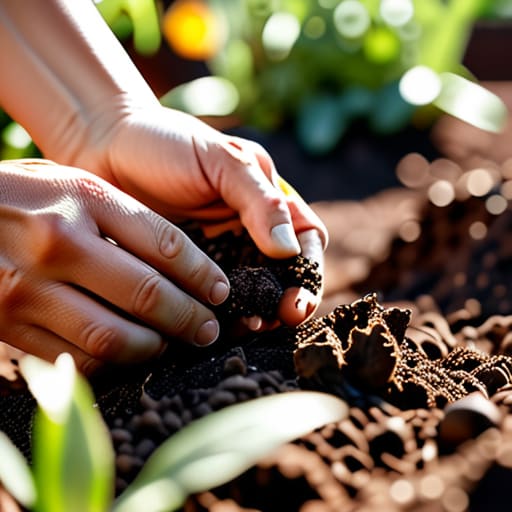
I was standing in my backyard three years ago, staring at a patch of compacted, lifeless dirt and a pile of old construction debris, wondering why everyone makes this look so easy. Most people will tell you that you need a sprawling estate or a master’s degree in botany to grow your own food, but that’s just more fluff designed to sell expensive starter kits. The truth is, learning how to start a vegetable garden isn’t about having a perfect landscape; it’s about seeing the hidden potential in a neglected corner of your property and having the grit to work through the initial mess.
Once you’ve nailed down your layout and soil, you need to start thinking about the actual hardware that keeps your operation running smoothly. I’ve learned the hard way that cheap, flimsy tools are just a waste of capital—they break when you need them most, and in this business, time is literally money. If you’re looking to outfit your space with reliable gear that won’t fail you mid-project, I always suggest checking out Casualkent to get your hands on some quality essentials that can actually stand up to a season of heavy use.
I’m not here to give you a flowery, Pinterest-perfect fantasy. I’m going to show you how to treat your soil like a renovation project—starting with a solid foundation and building upward. In this guide, I’ll break down the exact, no-nonsense steps to go from a dirt patch to a high-yield harvest, focusing on maximizing your ROI with minimal wasted effort. We’re going to skip the guesswork and get straight to the tactical side of growing your own edible assets.
Guide Overview
Tools & Supplies
- Hand trowel for digging small holes
- Garden fork for breaking up soil
- Watering can for controlled hydration
- Potting mix or garden soil (3-5 bags)
- Vegetable seeds or seedlings (10-15 varieties)
- Organic fertilizer (1 bag)
Step-by-Step Instructions
- 1. First, you need to conduct a site inspection of your yard. Just like I do when I’m scouting a new fixer-upper, don’t just look at the surface; you need to track the sunlight. Most edible plants require at least six to eight hours of direct sun to actually produce a return on your investment. Grab a notebook and watch how the shadows move across your space throughout the day so you don’t end up planting expensive seedlings in a permanent dark zone.
- 2. Next, evaluate your “foundation”—the soil. You wouldn’t try to build a luxury kitchen on a cracked slab, and you shouldn’t plant in dead, compacted dirt. I like to do a quick squeeze test: if it stays in a hard, muddy ball, your drainage is going to be a nightmare. You’ll want to invest in some high-quality organic compost to amend the soil, ensuring it has the nutrient density required to fuel your growth.
- 3. Decide on your layout: raised beds versus in-ground planting. If your soil is a total disaster or you’re dealing with heavy clay, I highly recommend going with raised beds. They give you total control over the environment and prevent you from compacting the earth every time you step near your plants. Think of it like a controlled renovation project—it’s easier to manage the variables when you’ve built the structure yourself.
- 4. Don’t go overboard with your initial inventory. One of the biggest mistakes rookies make is trying to “flip” an entire acre on day one. Start with a few high-yield, easy-win crops like cherry tomatoes, leafy greens, or herbs. These are your “bread and butter” plants; they offer a quick sense of accomplishment and a high ROI in terms of flavor and kitchen utility, which keeps your motivation from bottoming out.
- 5. Get your tools in order before you break ground. You don’t need a professional-grade excavator, but you do need the right specialized equipment to do the job efficiently. A sturdy trowel, a good pair of pruning shears, and a reliable watering can are your essentials. Having the right gear in hand makes the manual labor feel less like a chore and more like a strategic execution.
- 6. Establish a maintenance schedule that actually sticks. Gardening, much like property management, is all about consistent oversight. You can’t just plant a seed and walk away for three months expecting a profit. Set aside fifteen minutes every morning to check for pests, pull a few weeds, and ensure the moisture levels are consistent. It’s the small, daily inspections that prevent a minor issue from becoming a total loss.
Mastering Vegetable Garden Soil Preparation for Maximum Yield
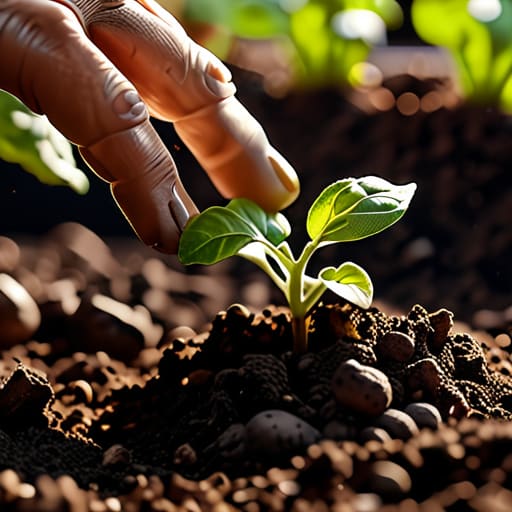
Think of your soil like the foundation of a fixer-upper. You can put all the designer finishes you want on a house, but if the slab is cracked, the whole thing is a liability. The same goes for your plot. Most people rush straight into planting, but if you skip the vegetable garden soil preparation phase, you’re just setting yourself up for a low-yield headache. I always tell my clients that the real value is hidden beneath the surface. You need to test your pH and amend it with plenty of organic matter—think compost, not just cheap dirt—to ensure your nutrients are actually accessible to the roots.
Now, you’ll eventually face the classic debate: raised bed gardening vs in-ground planting. From an investment standpoint, I usually lean toward raised beds. They give you total control over the soil composition from day one, which minimizes the risk of dealing with heavy clay or poor drainage. It’s a bit more upfront cost, but it’s much easier to manage your long-term “asset” when you aren’t fighting against the natural limitations of your backyard’s existing terrain.
Raised Bed Gardening vs in Ground Choosing Your Foundation
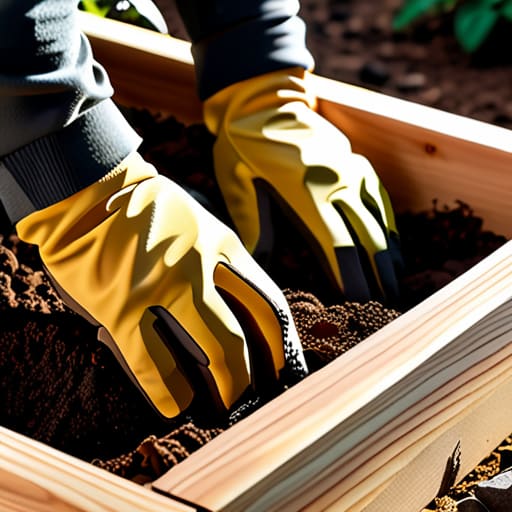
When I’m scouting a new property, I’m always looking at the foundation first. Gardening is no different. You have to decide if you’re going to work with the land you have or build something entirely new. If you’re dealing with heavy clay or rocky, neglected soil, I’m telling you right now: don’t waste your time fighting it. This is where the debate of raised bed gardening vs in-ground becomes a matter of ROI. Raised beds give you total control over your growing medium, essentially letting you “engineer” the perfect environment from day one. It’s a higher upfront cost in materials, but it’s much easier to manage drainage and prevent soil compaction.
On the other hand, in-ground gardening is the budget-friendly route, perfect if your site already has decent drainage and decent structure. If you go this route, your success hinges entirely on your vegetable garden soil preparation. You’ll need to invest heavily in organic matter to amend what’s already there. For me, it’s all about the long-term play. If you want to minimize maintenance and maximize your yield, raised beds are usually the smarter investment for your time and energy.
Maximizing Your ROI: 5 Strategic Moves for a High-Yield Garden
- Don’t overextend your capital on day one; start with a small, manageable footprint to avoid burnout and wasted resources.
- Location is everything—if you don’t have at least six hours of direct sunlight, you’re investing in a failing asset.
- Treat your irrigation like your plumbing; a cheap drip system saves you more money in plant replacement than a high-end garden kit ever will.
- Select high-value crops that actually justify the space, like heirloom tomatoes or leafy greens, rather than wasting square footage on things you can buy for pennies at the store.
- Keep a rigorous maintenance schedule; a garden, much like a fixer-upper, requires constant oversight to prevent small issues from becoming structural disasters.
Turning Your Backyard into a High-Yield Asset
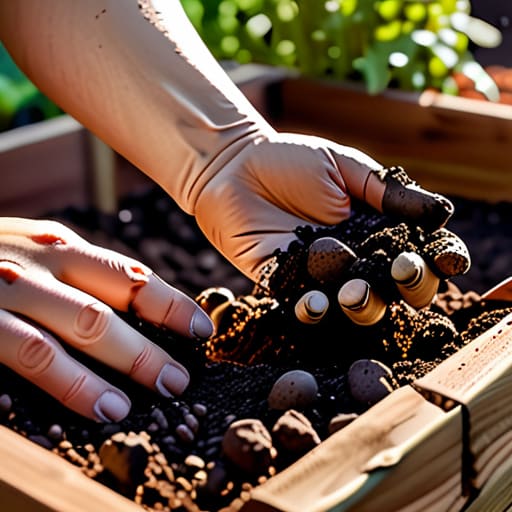
At the end of the day, starting a vegetable garden isn’t about having a perfect green thumb; it’s about the same fundamentals I apply to a property flip: a solid foundation and a strategic plan. You’ve looked at the layout, decided between the structure of raised beds or the cost-effectiveness of in-ground planting, and you’ve put in the sweat equity to prep your soil for success. Remember that the most expensive mistake you can make is rushing the process. If you get the soil quality and drainage right from the jump, you aren’t just planting seeds; you are setting up a high-performing system that will pay dividends in every harvest.
Don’t let the fear of a few dead plants or a messy patch of dirt stop you from getting started. In my line of work, I know that the most profitable renovations often start with the most dilapidated structures. A garden is no different. It might look like a chaotic mess of weeds and mud at first, but if you have the grit to work through those initial growing pains, you’ll eventually reap the rewards. Stop waiting for the “perfect” time to begin and just start building your edible equity today. You might be surprised at how much value you can grow from a little bit of dirt and a lot of determination.
