
I still remember standing in a damp, half-finished basement in East London, clutching my laser measurer while a lawyer explained why my entire renovation timeline was dead in the water because I’d misread a single clause in the local rental property laws. It was a gut punch. Most “gurus” will tell you that real estate is all about finding the perfect mid-century sideboard or a house with great bones, but they conveniently skip over the part where a single legal oversight can evaporate your entire profit margin before you’ve even hung a single piece of art.
I’m not here to feed you fluff or academic theories that only work in a textbook. I want to give you the grit and the reality of what it actually takes to protect your investment. I’m going to break down the essential rental property laws you need to master, stripping away the legal jargon so you can focus on what actually matters: building real, tangible equity. Consider this your no-nonsense roadmap to navigating the red tape without losing your mind—or your shirt.
Table of Contents
- Securing Your Equity via Residential Lease Agreement Requirements
- Navigating Habitability Standards for Rentals Without Breaking the Bank
- Five Legal Traps That Could Sink Your ROI
- The Bottom Line: Protecting Your Investment
- The Real Cost of Cutting Corners
- Don't Let the Red Tape Stop the Rehab
- Frequently Asked Questions
Securing Your Equity via Residential Lease Agreement Requirements

Look, I’ve seen too many investors lose their shirts not because the renovation failed, but because their paperwork was a mess. When you’re pouring your hard-earned capital into a property, your lease is your first line of defense. You can’t just pull a template off Google and call it a day. You need to nail those residential lease agreement requirements from the jump to ensure you aren’t accidentally signing away your rights or, worse, violating local statutes.
I always tell my clients to treat their lease like a blueprint—it has to be precise. This means being crystal clear on things like security deposit regulations so there’s no ambiguity when a tenant moves out. If you aren’t explicit about how much you’re holding and under what conditions it gets returned, you’re just inviting a headache that could eat into your margins. I’ve spent enough time on job sites to know that a solid foundation is everything, and in this business, that foundation is built on a contract that protects your equity as fiercely as you do.
Navigating Habitability Standards for Rentals Without Breaking the Bank
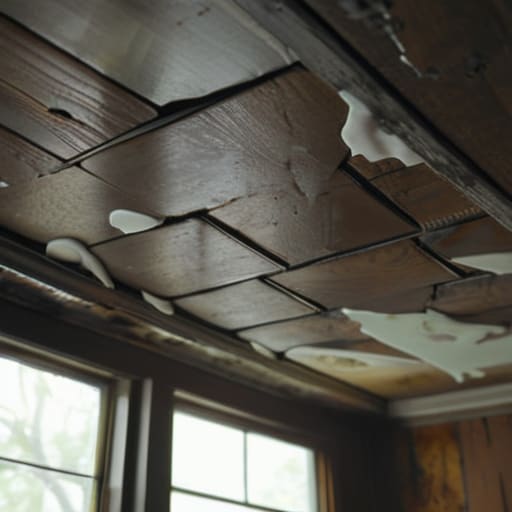
Here’s the reality: I love a good renovation project, but there is a massive difference between a “charming fixer-upper” and a property that fails to meet basic habitability standards for rentals. You can’t just slap some fresh paint over mold or ignore a leaky roof to save on your initial rehab budget. If the unit isn’t safe, functional, and sanitary, you aren’t just risking a lawsuit; you’re jeopardizing the very equity you worked so hard to build.
I always tell my clients to view these standards as a non-negotiable baseline rather than an optional expense. It’s much cheaper to invest in quality plumbing and reliable heating during the renovation phase than it is to deal with an emergency repair call at 2 AM or a legal battle over unlivable conditions. Before you even think about signing a tenant, make sure your property checks every box for safety. Don’t let a “budget” renovation turn into a legal nightmare that drains your bank account.
Five Legal Traps That Could Sink Your ROI
- Get your security deposit rules down to a science; if you don’t follow your state’s specific timeline for returning funds or providing itemized deductions, you’re essentially handing that cash right back to the tenant—plus potentially paying their legal fees.
- Don’t play favorites with your entry rights; even if you own the building, you can’t just barge in to check on a new backsplash whenever you want, so make sure your lease clearly outlines exactly how much notice you’re giving before stepping foot on the property.
- Keep a paper trail for every single repair, no matter how small, because if a tenant ever claims a maintenance issue was neglected, your digital or physical log is the only thing standing between you and a massive liability claim.
- Stop relying on “handshake” agreements for anything; if it isn’t written into the formal lease, it basically doesn’t exist in the eyes of a judge, so make sure every pet policy or parking rule is explicitly documented.
- Watch your fair housing compliance like a hawk, because even a well-meaning comment during a walkthrough can be twisted into a discrimination claim that costs you way more than the equity you’re trying to build.
The Bottom Line: Protecting Your Investment
Treat your lease like a shield, not just a formality; a rock-solid agreement is what stands between your hard-earned equity and a legal nightmare.
Don’t cut corners on habitability to save a few bucks upfront, because a single code violation can wipe out your entire renovation profit margin.
Stay ahead of the local curve by knowing your specific municipality’s rules, so you can focus on the design and the ROI instead of playing catch-up with a city inspector.
The Real Cost of Cutting Corners
Look, I’m all about maximizing your ROI, but don’t mistake a legal oversight for a way to save money. A single compliance mistake can wipe out all the sweat equity you just poured into a renovation faster than a bad foundation can crack a wall.
Gareth Trelawny
Don't Let the Red Tape Stop the Rehab

Look, I know that staring down a mountain of local statutes and habitability requirements feels a lot less exciting than picking out new backsplash tile or knocking down a load-bearing wall. But if you want to build a portfolio that actually lasts, you can’t afford to be sloppy with the paperwork. We’ve covered how a rock-solid lease agreement acts as your first line of defense and why meeting basic habitability standards isn’t just a legal chore—it’s how you protect your investment from costly litigation. If you get the legal foundation right from day one, you aren’t just a landlord; you’re a professional asset manager who knows how to mitigate risk while maximizing returns.
At the end of the day, real estate investing is about more than just aesthetics and quick flips; it’s about playing the long game. There will be days when a surprise inspection or a complex zoning law makes you want to throw your laser measurer across the room, but don’t let that stop you. Every legal hurdle you clear is just another step toward building that generational wealth we’re all chasing. Stay pragmatic, keep your eyes on the fine print, and remember that the most profitable renovations are the ones built on a solid, compliant foundation. Now, get back out there and go find your next goldmine.
Frequently Asked Questions
How do I handle security deposits without getting tangled up in local escrow laws?
Look, I’ve seen too many investors lose their shirt because they treated security deposits like a personal slush fund. Don’t make that mistake. Every state has its own rules about where that money lives—usually in a separate, interest-bearing escrow account. My rule of thumb? Treat that deposit like it’s radioactive. Keep it isolated, document every cent, and never, ever touch it for repairs until the tenant is officially out and the math is settled.
What are the legal risks of doing a DIY renovation on a property I'm planning to rent out?
Look, I love a good DIY project as much as the next person, but when you’re flipping a rental, “winging it” is a massive liability. If you cut corners on electrical or plumbing and a tenant gets hurt, you aren’t just looking at a repair bill—you’re looking at a lawsuit that could wipe out all your hard-earned equity. If it’s not code-compliant, it’s not a renovation; it’s a ticking time bomb for your investment.
At what point does a minor repair cross the line into a legal habitability violation?
It’s a fine line, but here’s the rule of thumb: if the issue affects a tenant’s basic safety, health, or access to essentials—think broken locks, no heat, or a leaking roof—you’ve crossed into violation territory. A squeaky door is just a nuisance; a door that won’t latch is a legal liability. Don’t gamble with your equity by ignoring the “big three”: water, heat, and structural integrity. Fix the essentials first, then worry about the aesthetics.
