
I was standing in a drafty living room of a mid-century ranch last October, watching a single bead of condensation crawl down a pane of cracked, single-pane glass, when I realized the owner was literally throwing money out the window. They had spent thousands on high-end staging and custom light fixtures, yet the house felt cold, damp, and uninviting because they were terrified of the cost of window replacement. Most contractors will try to sell you on some overpriced, high-tech smart glass that you simply don’t need for a flip, but ignoring the thermal envelope of your property is a rookie mistake that will absolutely tank your ROI.
I’m not here to give you a sales pitch for the most expensive frames on the market; I’m here to show you how to make smart, strategic choices. In this guide, I’m breaking down exactly how to approach window replacement so you can stop the energy leaks and start building real equity. We’re going to talk about finding that sweet spot between durability and cost-effectiveness, ensuring every dollar you spend on a renovation actually shows up in your final sale price.
Table of Contents
Decoding the Window Replacement Roi for Your Next Flip

When I’m walking through a potential flip, I’m not just looking at the aesthetic; I’m running a mental spreadsheet on every single opening. You have to look past the grime and see the math. One of the biggest mistakes I see rookie investors make is getting paralyzed by the initial cost of window replacement per window. They see a high upfront number and decide to patch the old ones instead. That’s a trap. If you’re aiming for a high-end resale, those outdated, single-pane units are nothing more than a red flag to buyers that the house is an energy hog.
To maximize your window replacement ROI, you need to understand what actually moves the needle for a modern buyer. It’s not just about looks; it’s about performance. I always push for low-e glass coatings benefits because they significantly improve home insulation, making the property much more attractive in a competitive market. When deciding between vinyl vs wood window frames, I weigh the durability and maintenance against my budget. Wood offers that premium, high-end feel that justifies a higher asking price, but vinyl can be a strategic play for a quicker, more budget-conscious turnaround.
Cracking the Code on Cost of Window Replacement Per Window
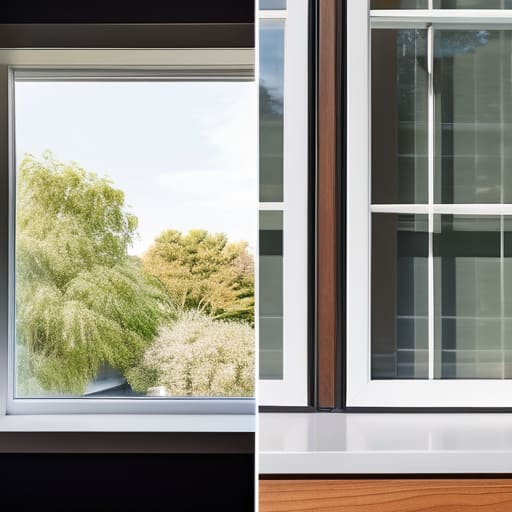
When you’re staring at a spreadsheet for a new acquisition, you can’t afford to guess on your line items. The cost of window replacement per window fluctuates wildly depending on whether you’re slapping in basic vinyl units or investing in custom-sized timber frames. If you’re flipping a mid-range suburban home, vinyl is your best friend for protecting your margins, but if you’ve stumbled upon a high-end mid-century gem, you’ll need to budget for wood to maintain that architectural integrity.
Don’t just look at the sticker price, though; look at the specs. I always tell my clients to prioritize low-e glass coatings benefits because they pay for themselves in energy efficiency long after the closing date. While you’re vetting quotes, make sure you understand the technical side—specifically how u-factor and r-value explained can actually dictate how much a buyer is willing to pay for the home’s climate control. If the windows are efficient, the house feels premium. If they’re cheap, drafty single-pane glass, you’re just leaving money on the table.
Stop Guessing and Start Strategizing: 5 Pro Tips for Window Upgrades
- Don’t go overboard with custom frames unless the house is a high-end luxury flip; stick to high-quality vinyl or composite windows that look expensive but keep your material costs from spiraling out of control.
- Always check the thermal ratings before you sign the contract—if you’re selling in a climate with harsh winters or scorching summers, energy efficiency isn’t just a luxury, it’s a major selling point that justifies your asking price.
- Scope out the trim and casing while you’re at it; there’s nothing worse than installing beautiful new glass only to realize the surrounding woodwork is rotted or looks cheap, which instantly kills your curb appeal.
- Never underestimate the “curb appeal factor”—if the window layout is awkward, sometimes a strategic replacement can actually change the visual proportions of the entire facade, making a dated house look modern and intentional.
- Get at least three quotes from local contractors rather than relying on a single big-box retailer; you need to know exactly what’s being included in the labor, because a cheap window installation that leaks in two years will wipe out every cent of equity you worked so hard to build.
The Bottom Line on Windows
Stop viewing windows as just glass and frames; see them as a strategic tool to boost curb appeal and command a higher asking price.
Don’t get caught in a budget trap by over-specifying; pick high-quality, energy-efficient materials that offer the best bang for your buck without bleeding your renovation margins dry.
Always factor in the “hidden” costs of installation and trim, because a cheap window is a total loss if the labor turns into a headache on your job site.
The Hidden Margin Killer
“Stop looking at windows as just another line item on your rehab budget; if you leave those old, drafty frames in a house, you aren’t just losing curb appeal—you’re bleeding potential equity every time a buyer walks through the door.”
Gareth Trelawny
The Bottom Line on Your Windows
At the end of the day, window replacement isn’t just about swapping out old, foggy glass for something that looks better in listing photos. It’s a calculated move to protect your margins and boost your property’s long-term value. We’ve looked at the math behind the ROI and broken down what you should actually expect to pay per unit so you don’t get blindsided by a contractor’s quote. Remember, the goal is to find that sweet spot where the aesthetic upgrade meets functional efficiency. If you overspend on high-end custom frames for a budget flip, you’re just burning equity; if you cheap out on low-quality vinyl, you’re inviting future headaches that will kill your reputation.
Building a real estate portfolio is a marathon of a thousand small, strategic decisions, and getting the details right on something as fundamental as windows is what separates the amateurs from the pros. Don’t let the messy parts of a renovation intimidate you or make you second-guess your vision. Every crumbling wall and outdated fixture is just an opportunity waiting to be unlocked. Keep your eyes on the numbers, trust your gut when you’re on-site, and never stop hunting for that hidden potential. You have the tools and the plan; now it’s time to go out there and turn that vision into solid equity.
Frequently Asked Questions
Should I go for high-end custom frames to wow buyers, or is standard vinyl enough to protect my margins?
Look, I get the temptation to go high-end to wow buyers, but don’t let vanity kill your profit. Unless you’re flipping luxury estates, custom frames are a margin killer. Stick to high-quality, standard vinyl. It’s durable, looks clean, and most importantly, it checks the “modern and energy-efficient” box without draining your rehab budget. In this game, we’re looking for perceived value, not a showroom display. Protect your equity; keep it smart and standard.
How do I know if I'm looking at a simple seal failure or if the entire window unit needs a full replacement?
Look, don’t get tunnel vision on a single foggy pane. If you see condensation trapped between the glass layers that won’t wipe away, that’s a failed seal. If it’s just a minor fog, you might get away with a glass swap to save your margins. But if the frame is rotting, the sash won’t slide, or the wood is soft to the touch? Pull the trigger on a full replacement. Don’t patch a sinking ship.
When I'm calculating my rehab budget, how much extra should I set aside for unexpected structural issues found during the install?
Listen, if you aren’t budgeting for the “unknown,” you aren’t investing; you’re gambling. When I’m stripping old trim and realize the framing is actually rotted through, it can wreck a week’s schedule instantly. I always bake a 15% contingency buffer specifically for structural surprises during window installs. It sounds high, but it’s much better to have that cash sitting in your account than staring at a gaping hole in your margins.
