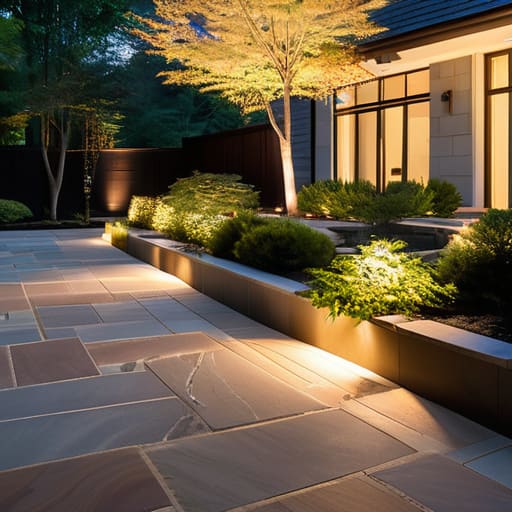
I was standing in the driveway of a mid-century fixer I picked up last spring, staring at a yard that looked like a black hole the second the sun dipped below the horizon. Most people think you need to drop five figures on a professional designer to make a property look decent after dark, but that’s just a way to bleed your renovation budget dry. I’ve seen too many investors fall for the trap of over-complicated, high-maintenance setups that look more like a cheap Vegas casino than a high-end estate. The truth is, strategic landscape lighting isn’t about blinding your neighbors with expensive floodlights; it’s about using light to define edges and create depth where there was none.
I’m not here to sell you on some luxury lifestyle fantasy or a list of overpriced gadgets you’ll be digging up in six months. My goal is to show you how to use light as a tool to increase your property’s perceived value without draining your equity. I’m going to walk you through the exact, no-nonsense ways I select fixtures and placement to make a neglected yard look intentional and expensive. We’re going to focus on smart, durable solutions that turn a dark, uninviting perimeter into a massive curb appeal win.
Table of Contents
- Mastering Low Voltage Landscape Lighting Systems for Maximum Roi
- Strategic Pathway Lighting Design Ideas to Boost Curb Appeal
- Five Lighting Plays to Protect Your Margin and Boost Appeal
- The Bottom Line: Lighting for Profit and Protection
- Lighting as an Equity Play
- The Bottom Line on Lighting Your Way to Equity
- Frequently Asked Questions
Mastering Low Voltage Landscape Lighting Systems for Maximum Roi
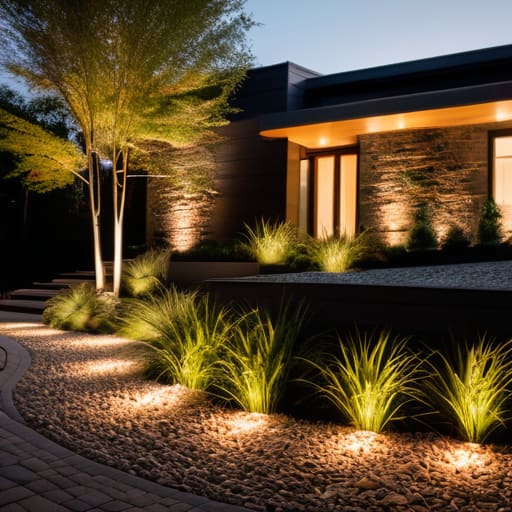
When I’m walking a new property, I’m not just looking at the layout; I’m looking at how much it’s going to cost to make it look expensive. If you want to maximize your ROI without draining your renovation budget, you need to stop thinking about high-maintenance electrical overhauls and start looking at low voltage landscape lighting systems. These are a game-changer for flippers because they are safer, easier to install, and significantly cheaper to run. I always push for energy efficient outdoor LED lighting because it’s a low-cost upgrade that signals to a potential buyer that the home has been meticulously maintained.
Don’t just scatter lights randomly like you’re decorating a Christmas tree; that’s a rookie mistake that kills your resale value. You have to be strategic. I use uplighting techniques for trees to create immediate architectural depth, making even a small yard feel like a sprawling estate. Combine that with some subtle hardscape lighting solutions along your walkways, and you’ve transformed a dark, intimidating perimeter into a high-end, inviting feature. It’s about creating an atmosphere of luxury that justifies a higher asking price.
Strategic Pathway Lighting Design Ideas to Boost Curb Appeal
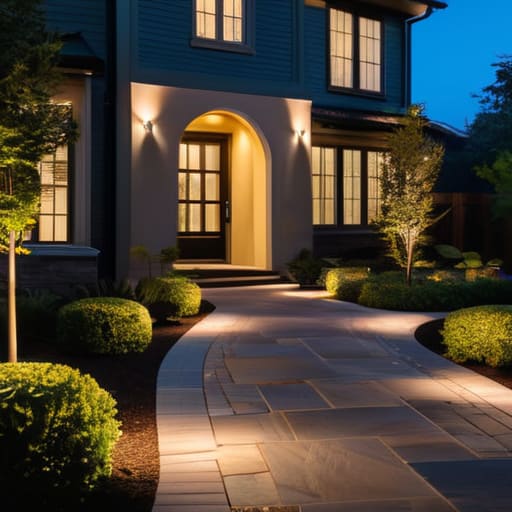
When I’m walking a new property at dusk, the first thing I look for isn’t the kitchen backsplash—it’s how the entrance feels. If the walkway is a black hole, you’ve already lost the buyer. I always suggest focusing on pathway lighting design ideas that prioritize function without looking like a runway. Instead of lining a path with a dozen identical, cheap solar stakes, try grouping small, low-profile fixtures to create a soft glow that guides the eye toward the front door. It’s about creating a sense of arrival, not a stadium effect.
I’m a huge proponent of using energy efficient outdoor LED lighting because, let’s be real, nobody wants to deal with a massive electric bill on a rental or a flip. For a more high-end, custom feel, I like to integrate hardscape lighting solutions directly into the masonry. If you have stone steps or a retaining wall, tucking small lights into the edges adds incredible depth and safety. It’s a subtle touch that makes a standard yard feel like a curated, intentional estate.
Five Lighting Plays to Protect Your Margin and Boost Appeal
- Focus on “layering” your light rather than just blasting the yard with one massive floodlight; you want a mix of uplighting for trees and soft ground lights to create depth that makes a small lot feel massive.
- Stick to warm color temperatures—anything too blue or “daylight” white looks cheap and clinical, like a parking lot, which is the fastest way to tank your perceived property value.
- Prioritize accentuating architectural features like stone facades or columns; if the lighting highlights the house’s best bones, buyers will see the value before they even step through the front door.
- Don’t overlook the “safety” ROI; well-lit entryways and stairs aren’t just about aesthetics, they reduce liability and make the property feel secure, which is a huge selling point for high-end buyers.
- Use smart timers or photocells to ensure your lighting actually works when it matters; there’s nothing more unprofessional than a high-end renovation that looks dark and neglected because the lights never kicked on.
The Bottom Line: Lighting for Profit and Protection
Stop viewing landscape lighting as a luxury decoration; treat it as a strategic tool to increase curb appeal and perceived property value during a sale.
Prioritize low-voltage systems to keep your overhead low and your maintenance easy, ensuring your ROI isn’t eaten up by high electricity bills or complex wiring repairs.
Focus your budget on high-impact zones like pathways and entryways to solve functional safety issues while simultaneously creating that “high-end estate” look that attracts premium buyers.
Lighting as an Equity Play
Most people see landscape lighting as a decorative luxury, but I see it as a strategic tool; a well-lit perimeter doesn’t just make a property look expensive, it signals to every potential buyer that the house is well-maintained and secure from the moment they pull into the driveway.
Gareth Trelawny
The Bottom Line on Lighting Your Way to Equity
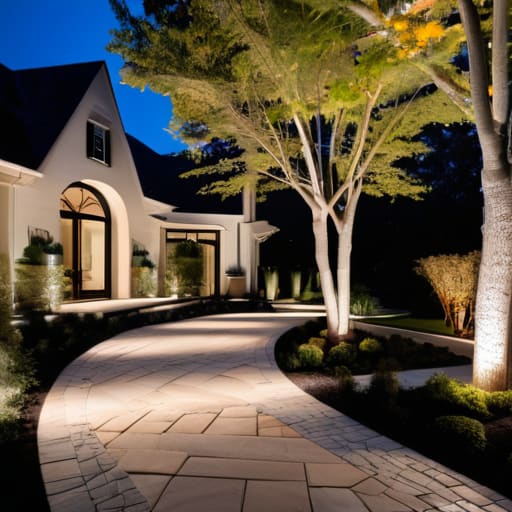
At the end of the day, landscape lighting isn’t just about making sure you don’t trip over a rogue garden gnome after sunset. It’s a calculated move to protect your investment and maximize your property’s perceived value. By mastering low-voltage systems that are easy to maintain and implementing strategic pathway lighting that guides the eye, you are essentially staging the exterior of your home just as carefully as you would a living room. Don’t overlook these details; a well-lit perimeter provides both the security buyers crave and the high-end aesthetic that justifies a premium asking price.
Real estate investing is often about seeing what others miss, and that includes the potential hiding in the shadows of an unlit yard. It might feel like just another line item on your renovation budget, but these small, intentional upgrades are exactly how you turn a standard house into a standout asset. Stop looking at your yard as a maintenance headache and start seeing it as a blank canvas for increasing your equity. Get out there, grab your laser measurer, and start planning a layout that makes your property shine long after the sun goes down.
Frequently Asked Questions
Is it actually worth the upfront cost of a professional installation, or can I just DIY a low-voltage setup myself to save on the renovation budget?
Look, if you’re trying to squeeze every cent of profit out of a flip, DIYing a low-voltage setup is tempting. For a simple, small-scale project, you can definitely hack it together. But if you want a cohesive, high-end look that doesn’t look like a string of Christmas lights, hire a pro. I’ve seen too many “budget” DIY jobs result in messy wiring and dead zones that actually tank your curb appeal.
How do I balance high-end aesthetic lighting with security features without making the property look like a brightly lit commercial parking lot?
The trick is to stop thinking about “floodlights” and start thinking about “layers.” If you blast a property with high-intensity security lights, you kill the mood and make it look like a gas station. Instead, use low-profile, motion-activated lights tucked into the landscaping. You get the security coverage you need, but the light feels intentional and high-end. Aim for soft, directional glow rather than overwhelming brightness. Keep it subtle; the goal is safety, not a spotlight.
When I'm looking at a fixer-upper, what are the specific red flags in an existing outdoor lighting setup that signal I'll need a total overhaul?
When I walk a property, I’m looking for signs of neglect that translate to massive electrical headaches. If I see frayed, brittle wires or mismatched, cheap plastic fixtures half-buried in the dirt, I know the system is shot. Watch out for flickering lights or “ghosting”—where bulbs dim and brighten on their own—which usually signals a failing transformer or a corroded underground connection. If the layout looks haphazard and doesn’t follow the home’s architecture, factor a total overhaul into your budget immediately.
