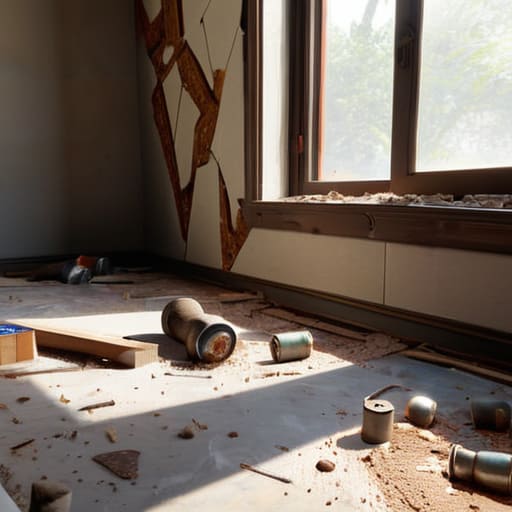
I still remember the smell of damp drywall and old sawdust hitting me as I stepped into my first “diamond in the rough” back in my early twenties. I had my laser measurer in hand, feeling like a total pro, only to realize three days later that I’d completely miscalculated the cost of the structural repairs needed behind a beautiful, but deceptive, accent wall. That gut-wrenching moment of seeing my projected profit margin evaporate was my first real lesson in how easily property flipping mistakes can turn a dream investment into a financial sinkhole. It wasn’t about the design; it was about the hidden realities beneath the surface.
I’m not here to sell you some polished, Instagram-ready fantasy of effortless wealth. I’m here to give you the gritty, unvarnished truth about what actually goes wrong when the sledgehammer hits the floor. I’m going to walk you through the specific, costly blunders I’ve made and seen others make, so you can learn to spot the red flags before they sink your bank account. We’re going to focus on building real equity, one smart, calculated renovation at a time.
Table of Contents
- The Danger of Underestimating Renovation Costs
- Avoiding Fatal Property Flipping Financing Errors
- Stop Bleeding Cash: 5 Blunders That’ll Eat Your Profit Margin
- The Bottom Line: How to Protect Your Profit
- The Real Cost of Cutting Corners
- Don't Let the Dust Settle on Your Potential
- Frequently Asked Questions
The Danger of Underestimating Renovation Costs

I’ve seen it happen more times than I care to admit: a flipper walks into a property, sees a few scuffed floors and outdated cabinets, and thinks they’ve hit the jackpot. They build their entire budget around a “light refresh,” only to peel back a layer of wallpaper and find a literal disaster lurking behind the drywall. Underestimating renovation costs is the fastest way to watch your projected profit evaporate before you’ve even picked out your backsplash tile. When you’re working with tight margins, a single unexpected plumbing issue or a faulty electrical panel isn’t just an inconvenience—it’s a direct hit to your bottom line.
You have to account for the “unknown unknowns.” I always tell my clients to build a contingency fund that’s at least 15% of the total budget, because something always goes sideways once the sledgehammers come out. If you don’t buffer for these surprises, you’ll find yourself scrambling for more capital mid-project, which leads to those dreaded property flipping financing errors that can tank your entire deal. If you want to protect your fix and flip profit margins, you have to treat your budget like a survival guide, not a suggestion.
Avoiding Fatal Property Flipping Financing Errors
If you think the hardest part of a flip is the demolition, you haven’t seen a budget bleed out due to bad lending. One of the most common property flipping financing errors I see is people relying solely on high-interest hard money loans without a “Plan B” for the holding costs. If your renovation hits a snag—and let’s be real, they always do—those monthly interest payments start eating your lunch. You might have a great eye for design, but if you haven’t accounted for the cost of capital during delays, you’re essentially working for the bank instead of yourself.
To protect your fix and flip profit margins, you need to build a financial buffer that accounts for more than just materials and labor. I always tell my clients to secure a line of credit before they even sign the closing papers on a new property. This isn’t just about having extra cash; it’s about ensuring that a delay in inspections or a supply chain hiccup doesn’t turn a profitable project into a personal debt trap. You need to be as precise with your spreadsheets as you are with your laser measurer.
Stop Bleeding Cash: 5 Blunders That’ll Eat Your Profit Margin
- Stop falling in love with the “vision” and start looking at the bones. I’ve seen so many rookies buy a house because they love the original crown molding, only to realize the foundation is cracked and the electrical is a death trap. If the structural integrity isn’t there, your “dream flip” is just an expensive way to go broke.
- Don’t try to be your own general contractor unless you actually have the time and the temperament for it. I love getting my hands dirty, but managing six different subcontractors while trying to stay on schedule is a full-time job. If you mismanage the timeline, you’re just paying interest on a loan while your profit evaporates.
- Avoid the “over-improvement” trap. Just because you can afford a high-end chef’s kitchen doesn’t mean the neighborhood can support it. You need to know the ceiling price of your area. If you spend $50k on a kitchen in a neighborhood where the top-tier homes only feature mid-range finishes, you aren’t building equity—you’re just gifting money to your contractor.
- Stop skimping on the “invisible” stuff. It’s tempting to spend your entire budget on trendy backsplash tiles and matte black fixtures because they look great in photos, but if you ignore the HVAC, the plumbing, or the insulation, the inspection report will kill your deal during the sale. Buyers can see a pretty paint job, but they can also smell a bad inspection.
- Never, ever skip the detailed walkthrough with a professional before you sign the contract. I always keep my laser measurer handy, but even I can’t see a slow leak behind a fresh layer of drywall. You need to know exactly what you’re getting into before you commit your capital, or you’ll be fixing mistakes instead of building wealth.
The Bottom Line: How to Protect Your Profit
Build a “chaos buffer” into your budget; if you aren’t accounting for the inevitable surprises behind a drywall, you aren’t investing, you’re gambling.
Treat your financing like a foundation—if your debt structure is shaky or your interest rates are miscalculated, even a perfect renovation won’t save your ROI.
Focus on the math, not the aesthetics; a designer kitchen is great, but it shouldn’t come at the expense of the structural integrity or the actual margin you need to build real equity.
The Real Cost of Cutting Corners
“The biggest mistake I see isn’t a lack of capital; it’s the arrogance of thinking you can outsmart a structural issue with a fresh coat of paint and a prayer. You can’t hide bad bones with mid-century modern decor, and if you try, the equity you’re working so hard to build will evaporate the moment the inspector shows up.”
Gareth Trelawny
Don't Let the Dust Settle on Your Potential
Look, flipping houses isn’t some glamorous TV montage; it’s a grind of managing tight margins and unpredictable contractors. If you walk away from this list, remember that the biggest killers of profit aren’t the cracked tiles or the outdated electrical—they are the unseen financial leaks. Whether you’re getting blindsided by a renovation budget that balloons overnight or you’ve miscalculated your exit strategy by relying on shaky financing, these mistakes are avoidable if you stay disciplined. You have to respect the numbers as much as you respect the design. If you can master the math behind the aesthetics, you’re already ahead of most of the hobbyists out there.
At the end of the day, I want you to stop looking at a dilapidated house as a headache and start seeing it for what it actually is: a puzzle waiting to be solved. Every crumbling wall is just an opportunity to build something better and, more importantly, to build your own financial freedom. It’s going to get messy, and there will be days when you’re covered in drywall dust wondering why you didn’t just keep your day job. But when that closing check hits and you see the equity you’ve carved out of nothing, you’ll realize that the sweat was worth the equity. Now, grab your laser measurer and get to work.
Frequently Asked Questions
How do I know when a renovation is actually "finished" versus when I'm just throwing good money after bad to chase a higher ROI?
You have to know when to walk away from the sledgehammer. I always tell my clients: stop chasing perfection and start chasing the ceiling. Once your upgrades hit the “comparable” mark for the neighborhood, you’re done. If you’re debating between high-end marble and standard quartz just to squeeze out an extra $2k in profit, you’ve already lost. If the math doesn’t show a clear margin increase, put the tools down.
What are the red flags I should look for during a walkthrough that signal a structural nightmare rather than just a cosmetic fix?
When you’re walking a property, don’t get distracted by ugly wallpaper; look at the bones. If you see stair-step cracks in the brickwork or large, diagonal fissures above door frames, that’s not a cosmetic fix—it’s a foundation screaming for help. Check the basement for dampness or bowing walls, and if the floors feel uneven under your boots, walk away. A fresh coat of paint won’t fix a sinking slab, and those repairs will eat your entire margin.
How much of a contingency buffer should I realistically set aside for those inevitable "hidden" costs that pop up once the walls are actually opened?
Look, if you’re planning on a 10% contingency, you’re playing a dangerous game. In my experience, especially with older fixer-uppers, that’s barely enough to cover a surprise plumbing leak or some funky wiring. I always tell my clients to pad the budget with at least 20%. It sounds painful upfront, but that buffer is the difference between a profitable flip and a total financial sinkhole when you inevitably find something nasty behind the drywall.
