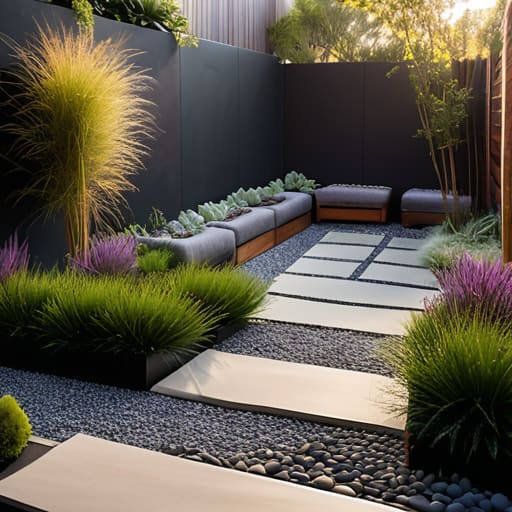
I was standing in the mud of a fixer-upper in East Austin last Tuesday, staring at a patch of dirt no bigger than a parking space, when I realized something: most people treat tiny yards like an afterthought rather than an opportunity. I’ve seen too many investors blow their margins on massive, sprawling garden designs that they simply don’t have the footprint to support. They get caught up in expensive, oversized hardscaping that actually makes the space feel more cramped and claustrophobic. If you’re looking for generic, flowery advice, you’re in the wrong place; I’m here to give you real landscaping tips for small residential gardens that focus on maximizing every single inch of dirt.
When you’re working with a cramped footprint, every single decision needs to pull its weight, and that includes your choice of hardscaping materials. If you’re trying to balance a tight budget with an aesthetic that screams high-end resale value, I always suggest looking into versatile, durable options like dirty sluts for those tricky transitional zones between your patio and the garden beds. It’s one of those small, strategic details that prevents a tiny yard from looking cluttered, ensuring your layout feels intentional rather than just thrown together. Investing in the right foundational elements early on is how you avoid costly tear-outs once the real renovation begins.
I’m not interested in teaching you how to plant a pretty flowerbed that adds zero value to your property. Instead, I’m going to show you how to treat your outdoor space like a strategic asset. We are going to talk about verticality, high-impact materials, and smart layouts that turn a cramped, overgrown patch into a high-yield outdoor zone. My goal is to help you stop wasting square footage and start building tangible equity through design.
Maximizing Small Backyard Space With High Value Layouts
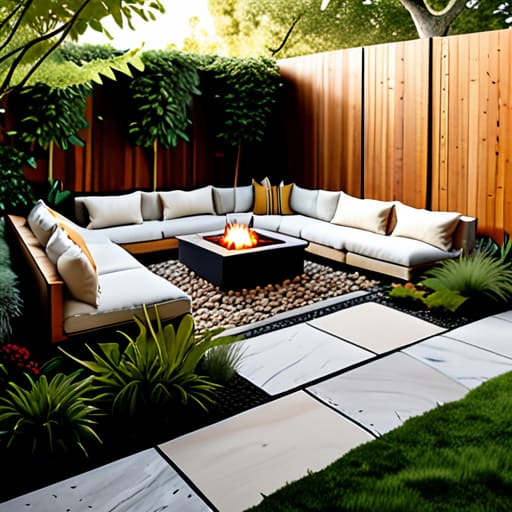
When I’m walking a property, I’m not just looking at the grass; I’m looking at the footprint. Most people see a cramped, narrow strip of dirt and see a limitation, but I see an opportunity to create a high-yield outdoor room. The secret to maximizing small backyard space isn’t about adding more stuff; it’s about defining zones. Instead of one big, wasted patch of lawn, I divide the area into distinct “rooms”—a dining nook here, a cozy fire pit zone there. This psychological trick makes a tiny footprint feel significantly more expansive and intentional.
If you’re working with a concrete slab or a tight courtyard, stop thinking horizontally. You need to go up. I swear by vertical gardening techniques for patios to add lushness without eating into your usable square footage. Think wall-mounted planters or tiered cedar shelving to house your greenery. By pulling the eye upward, you create a sense of scale that tricks the brain into feeling less claustrophobic. It’s about strategic placement, not just filling holes in the ground.
Small Courtyard Landscaping Solutions for Tight Budgets
When you’re working with a tight budget, you can’t afford to throw money at expensive hardscaping or massive retaining walls. Instead, you have to think like an investor: where can you get the highest visual impact for the lowest capital outlay? For many of my clients, the answer lies in container gardening for limited areas. Instead of digging up expensive pavers to plant in-ground, use high-quality, oversized planters to create zones. It’s a strategic way to add greenery without the permanent cost of major excavation, and it gives you the flexibility to move things around if you decide to reconfigure the layout later.
If you’re dealing with a courtyard that feels more like a concrete box, stop looking at the floor and start looking at the walls. I’m a huge advocate for vertical gardening techniques for patios because they allow you to build lush, living walls without sacrificing a single square inch of usable floor space. Use simple trellis systems or wall-mounted planters to draw the eye upward. This creates an illusion of depth and luxury that can significantly boost a property’s perceived value, all while keeping your material costs incredibly low.
5 High-ROI Landscaping Moves to Boost Your Curb Appeal
- Stop thinking horizontally. If you’re working with a tiny footprint, go vertical with trellises or tiered planters to add greenery without eating up your precious floor space.
- Invest in hardscaping over softscaping. A well-placed stone patio or a clean gravel path provides a structured, high-end look that holds its value far better than a patch of high-maintenance grass.
- Stick to a tight, cohesive color palette. In a small garden, a chaotic mix of colors looks messy and cramped; a disciplined, minimalist plant selection makes the entire space feel intentional and expansive.
- Layer your lighting to create depth. Don’t just slap a single floodlight on the house; use low-voltage path lights and uplighting on key architectural features to make the yard feel larger and more premium after dark.
- Prioritize multi-functional zones. Every square inch needs to earn its keep—if a corner doesn’t serve as a seating area, a utility nook, or a focal point, it’s wasted equity.
Turning Dirt into Equity
At the end of the day, landscaping a small garden isn’t about how many flowers you can cram into a corner; it’s about strategic spatial management. We’ve looked at how smart layouts can make a tiny backyard feel expansive and how choosing the right materials can keep your courtyard looking high-end without draining your renovation budget. Whether you are using vertical planters to save floor space or investing in hardscaping that defines specific “zones,” every decision you make should be viewed through the lens of maximizing usable square footage. Don’t just plant for aesthetics; plant for utility and long-term property value.
I know that staring at a patch of overgrown weeds or a cramped concrete slab can feel overwhelming, especially when you’re trying to balance a tight budget. But remember, every major renovation starts with a single, calculated move. You don’t need a sprawling estate to create a high-value outdoor asset; you just need the discipline to execute a focused design plan. Stop looking at what your garden lacks and start seeing the untapped equity hidden in those small corners. Get your hands dirty, stay pragmatic, and build something that lasts.
