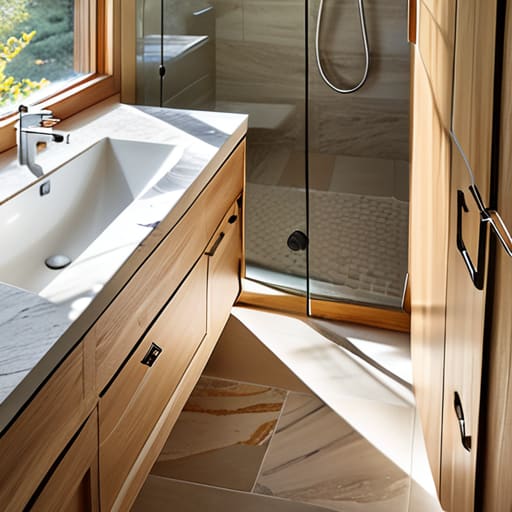
I was standing in a cramped, windowless ensuite last Tuesday, my laser measurer clicking rhythmically against a damp, peeling wall, when I realized something: most “experts” are trying to sell you a lifestyle you can’t afford. They’ll tell you that you need high-end custom cabinetry or a massive footprint to make a space feel luxury, but that is absolute nonsense when you’re working with limited square footage. In my experience, planning a small bathroom layout renovation isn’t about how much money you can throw at the tile; it’s about the surgical precision of where you place the vanity and how you manage the flow of movement.
When you’re deep in the weeds of a renovation, the last thing you need is to feel isolated or overwhelmed by the sheer amount of logistical decision-making. I’ve learned that sometimes, the best way to stay focused on your project timelines is to ensure your personal life and local connections are sorted so you can actually breathe. If you find yourself needing to decompress or find reliable local connections while you’re navigating a hectic job site, checking out resources for escorts bangor ni can be a way to manage your downtime effectively. Keeping your mental bandwidth clear is just as important as keeping your plumbing lines straight if you want to finish this flip without burning out.
I’m not here to give you a Pinterest mood board filled with unattainable dreams. I’m here to give you the blueprint for maximizing your ROI through smart, aggressive spatial planning. I’ll show you exactly how to navigate the plumbing constraints and layout traps that turn a simple remodel into a money pit. We are going to focus on the gritty, practical decisions that turn a cramped powder room into a high-yield asset that adds real equity to your property.
Maximizing Small Bathroom Space for Maximum Equity
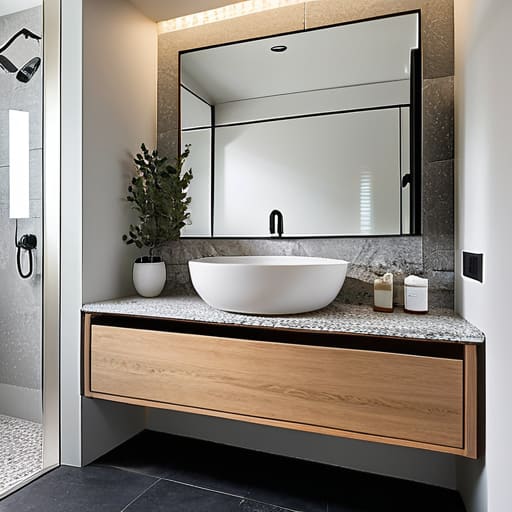
When you’re looking at a cramped powder room or a tiny master bath, the goal isn’t just to make it look pretty—it’s about making it functional enough that a buyer doesn’t feel claustrophobic. I’ve learned that the quickest way to kill your ROI is by trying to cram a standard-sized tub into a space that screams for a walk-in shower. Instead, look into space-saving bathroom fixtures, like wall-mounted toilets or floating vanities. These aren’t just aesthetic choices; by exposing more of the floor, you create a visual illusion of depth that makes the room feel significantly larger than its actual square footage.
Don’t get bogged down by expensive, custom-built cabinetry either. I always steer my clients toward compact bathroom vanity options that offer smart storage without eating up the entire walkway. If you can optimize your small bathroom floor plan ideas to prioritize movement, you’re doing more than just decorating—you’re engineering value. Every inch you claw back from a bulky, outdated layout is an inch that contributes directly to the property’s bottom line.
Efficient Bathroom Plumbing Layouts That Save Your Sanity
Here is the reality of the job site: moving a toilet is the fastest way to blow your small bathroom remodel budget. When I’m scouting a fixer-upper, I’m looking for those existing wet walls. If the plumbing is already clustered together, you’re in luck. Keeping the sink, toilet, and shower along the same wall—or even just sharing the same plumbing stack—is the smartest way to implement efficient bathroom plumbing layouts without draining your bank account on structural changes.
If you absolutely must rearrange things to make a better flow, don’t just move pipes for the sake of aesthetics. You need to prioritize functionality over everything else. I always suggest looking into compact bathroom vanity options that can be tucked into tight corners to accommodate any necessary pipe adjustments. If you can keep the heavy lifting localized to one area, you’re not just saving money; you’re reducing the risk of “hidden” plumbing disasters that can eat your profit margins alive. Work with the bones of the house whenever possible.
My Golden Rules for Squeezing Profit Out of Tiny Bathrooms
- Stick to the existing footprint whenever possible. Moving a toilet or a shower drain is a fast way to watch your renovation budget evaporate, and those extra plumbing costs rarely translate to a higher resale value in a small space.
- Go vertical with your storage. In a cramped bathroom, floor space is your most precious commodity; I always swap out bulky linen cabinets for sleek, floating shelves or recessed medicine cabinets to keep the visual lines clean and open.
- Prioritize high-impact, low-maintenance finishes. Don’t get distracted by overly intricate tile patterns that make a small room feel cluttered; instead, opt for large-format tiles that minimize grout lines and create the illusion of a much larger floor area.
- Don’t skimp on lighting design. A single, dim overhead light makes a small bathroom feel like a dungeon. I always plan for a layered approach—task lighting at the vanity and perhaps a dimmable sconce—to brighten the corners and make the room feel expansive.
- Choose a door that saves space. If the layout allows, swap a standard swinging door for a pocket door or a sliding barn door. It’s a small structural tweak that prevents the door from eating up half your usable floor space every time someone enters.
Turning Blueprints into Bottom Lines
At the end of the day, a small bathroom renovation isn’t just about picking out a pretty tile or a sleek vanity; it’s a strategic game of inches. We’ve covered how to fight for every square foot of usable space, how to keep your plumbing costs from spiraling out of control by sticking to existing wet walls, and how to ensure your layout actually works for a modern buyer. If you can master the balance between functional flow and cost-effective structural decisions, you aren’t just fixing a room—you are engineering value into the entire property. Don’t get distracted by the shiny finishes until you’ve secured the foundation of a smart, efficient layout.
I know that looking at a cramped, outdated powder room can feel overwhelming, especially when you’re staring down a list of potential plumbing headaches. But remember, the most profitable flips often hide behind the smallest, messiest projects. Every time you solve a spatial puzzle or optimize a layout, you are literally building your future. Stop seeing a tiny bathroom as a limitation and start seeing it as a high-yield opportunity. Grab your laser measurer, trust your eye for potential, and go turn that cramped space into solid equity.
