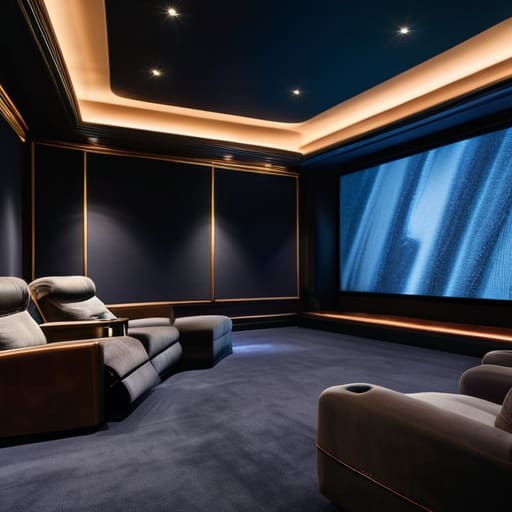
Stop wasting your capital on overpriced, “smart home” packages that promise a cinematic experience but deliver nothing but a tangled mess of wires and a massive dent in your renovation budget. I’ve walked into too many high-end flips where the owners fell for the marketing hype, thinking a flashy brand name would automatically guarantee a premium feel. The truth is, most people approach home theater installation like they’re buying a luxury car, when they should be treating it like a strategic asset. If you’re just slapping a massive screen on a drywall surface without considering the acoustics or the structural integrity of the room, you aren’t building a feature; you’re just creating a future headache for the next buyer.
I’m not here to sell you on the latest gadgetry or some glossy, unattainable lifestyle. My goal is to walk you through the actual, grit-under-your-fingernails process of planning a setup that actually adds equity to your property. I’ll show you how to prioritize the structural essentials and the layout logistics so you can build a high-end entertainment space that feels seamless, looks intentional, and—most importantly—holds its value long after the initial excitement fades.
Table of Contents
- Mastering Dedicated Cinema Design for Maximum Equity
- A 4k Projector Setup That Commands Premium Prices
- Stop Treating Your Theater Like an Afterthought: 5 Ways to Protect Your ROI
- The Bottom Line: Turning Tech into ROI
- The High Cost of Cheap Tech
- The Bottom Line on Home Cinema
- Frequently Asked Questions
Mastering Dedicated Cinema Design for Maximum Equity
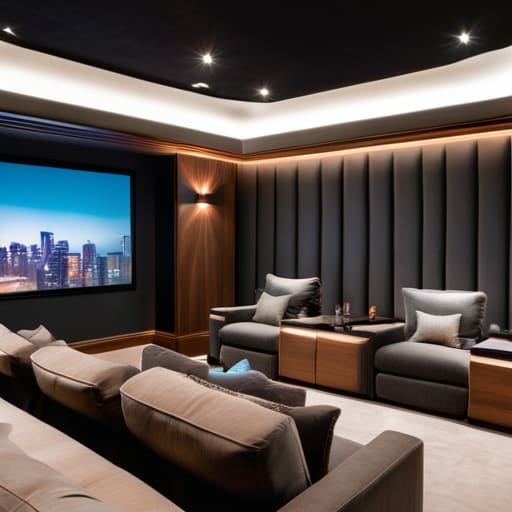
If you’re looking to add real value to a property, you have to move past the “big TV on a blank wall” phase. To truly command a premium, you need to focus on dedicated cinema design that feels intentional, not tacked on. I’m talking about creating a space where the architecture works with the technology. This means planning your layout around a precise surround sound configuration from the jump. If you just slap speakers on a bookshelf after the drywall is up, you’ve already lost the battle for high-end appeal.
The secret to making a room feel like a high-equity asset lies in the details most flippers ignore: the acoustics. I always tell my clients that a flashy 4K projector setup is useless if the room echoes like a gymnasium. Investing in subtle, high-quality acoustic room treatment—think fabric panels that actually match your minimalist aesthetic—is what separates a hobbyist room from a professional-grade theater. You want to build a space that feels expensive and engineered, turning a dark basement or spare room into a tangible luxury feature that justifies a higher asking price.
A 4k Projector Setup That Commands Premium Prices
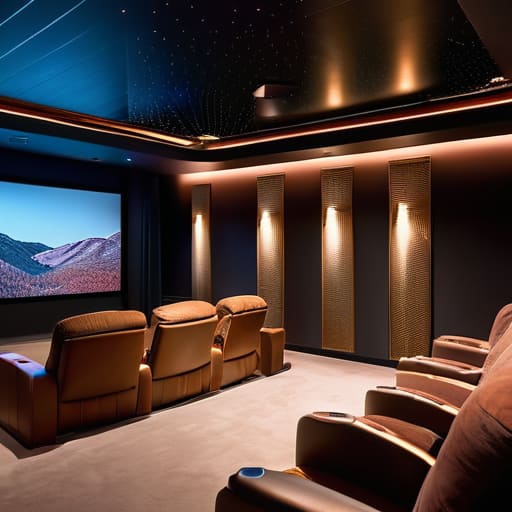
If you’re looking to justify a premium asking price, you can’t just slap a budget screen on a blank wall and call it a day. To really move the needle on your ROI, a high-end 4K projector setup is non-negotiable. I’ve seen too many flippers try to save a few hundred bucks by installing a standard TV, but a true cinema-grade projector creates that “wow factor” that makes a buyer fall in love during a walkthrough. You want something with high lumen output that can handle a little ambient light, ensuring the image stays crisp even if the room isn’t pitch black.
But remember, a killer visual experience is nothing without the right environment. You need to think about how that light interacts with the space. I always recommend pairing your visuals with strategic acoustic room treatment—think sleek fabric panels or even custom-built shelving—to prevent that hollow, echoing sound that screams “cheap DIY.” When you integrate top-tier visuals with a room that feels professional, you aren’t just selling a basement; you’re selling a luxury lifestyle asset that justifies every cent of your markup.
Stop Treating Your Theater Like an Afterthought: 5 Ways to Protect Your ROI
- Don’t skimp on the acoustic treatment; slapping some cheap foam panels on the wall looks amateur and kills your resale value, so invest in integrated acoustic panels that actually look like high-end design elements.
- Wire for the future by running conduit behind the drywall now, because nothing screams “cheap flip” like a mess of visible cables running down a designer wall when a buyer walks in.
- Prioritize lighting control over fancy gadgets; installing smart, dimmable recessed lighting allows you to pivot the room from a cinematic sanctuary to a high-end lounge, doubling its perceived utility.
- Keep your tech hidden to maintain that minimalist aesthetic; if the buyer can see a mountain of black boxes and tangled wires, they won’t see a luxury asset, they’ll see a headache.
- Build for sound isolation from the jump by using solid-core doors and specialized underlayment, because a theater that leaks sound into the rest of the house is a liability, not a luxury.
The Bottom Line: Turning Tech into ROI
Stop treating a home theater like a hobby room; treat it like an asset by prioritizing integrated wiring and acoustic treatments that won’t look like a DIY disaster in two years.
Focus your budget on high-impact visual components like 4K projection, because buyers can sense when a setup is premium versus when it’s just a collection of expensive, mismatched gadgets.
Always design with an exit strategy in mind—ensure your installation is versatile enough to appeal to a wide range of high-end buyers without making the room feel overly specialized or niche.
The High Cost of Cheap Tech
“If you’re just slapping a soundbar on a wall and calling it a theater, you’re wasting your time; a real cinema installation is about the infrastructure—the hidden wiring, the acoustic treatment, and the seamless integration—that turns a basic room into a high-value asset that buyers will actually fight over.”
Gareth Trelawny
The Bottom Line on Home Cinema
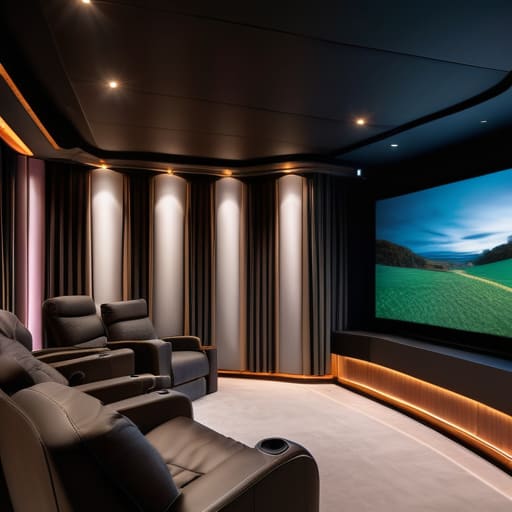
At the end of the day, a high-end home theater isn’t just about buying the most expensive gadgets on the market; it’s about strategic integration. You’ve seen how a dedicated cinema design can transform a dead corner of a house into a high-value asset, and how a top-tier 4K projector setup can justify a massive bump in your asking price. Remember, the goal isn’t just to watch movies—it’s to create a seamless, professional-grade environment where the tech is invisible but the impact is undeniable. If you don’t invest in the infrastructure now, you’ll just be paying for it again in three years when the wires start looking like a bird’s nest.
Building equity through specialized renovations like this requires a specific kind of vision. It’s easy to get overwhelmed by the technical specs and the endless hardware options, but don’t let the complexity scare you off. Every smart decision you make during this installation is a brick in the foundation of your long-term wealth. Stop looking at these upgrades as mere expenses and start seeing them as the strategic investments they truly are. Grab your laser measurer, get your floor plan sorted, and start turning that empty room into a powerhouse asset that works for your portfolio.
Frequently Asked Questions
How much should I actually budget for a theater build without blowing my entire renovation profit margin?
Look, I’ve seen too many investors treat a home theater like a bottomless money pit, and that’s how you kill your ROI. If you’re flipping or adding value, aim to spend about 3-5% of your total renovation budget on the tech and build. Don’t go overboard on boutique acoustic panels that won’t move the needle for a buyer. Focus on clean wiring and solid integration; keep the high-end gear mid-range so you aren’t subsidizing a buyer’s hobby.
Is it better to go with a built-in projector setup or stick to a massive OLED to ensure the room stays easy to resell later?
Look, if you’re playing the long game for resale, go with the massive OLED. A built-in projector setup is a dream for a dedicated cinema room, but it’s a niche luxury that can alienate a buyer who just wants a versatile living space. An OLED is plug-and-play; it’s high-end, recognizable, and doesn’t require a specialized ceiling mount or a dark-room commitment. Keep the room flexible so the next owner sees a lifestyle, not a technical hurdle.
Can I integrate a high-end cinema setup into an existing living space, or does it have to be a dedicated, walled-off room to add real value?
Look, you don’t always need a dedicated, windowless bunker to see a return. If you’re working with a standard floor plan, focus on a “stealth” integration. Use high-end, low-profile audio and a motorized drop-down screen that disappears when not in use. A dedicated room is a luxury niche, but a seamless, high-spec media zone in an open-concept living area is a massive selling point for modern buyers. Just don’t let the tech clutter kill the aesthetic.
