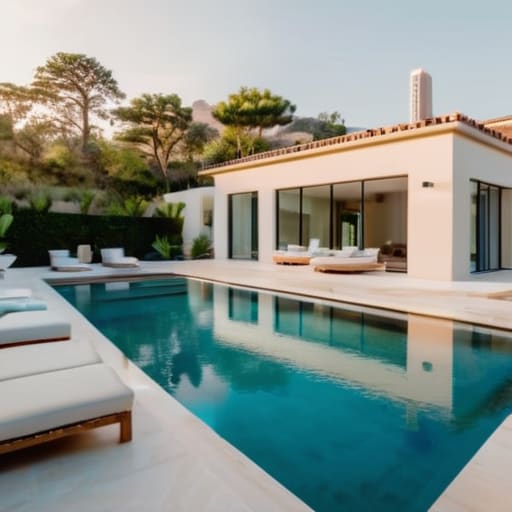
I was standing in the mud of a half-finished backyard in the suburbs last July, staring at a massive, gaping hole where a luxury oasis was supposed to be, when the contractor told me the budget was “fluid.” That’s the moment I realized most people approach swimming pool installation like they’re buying a designer handbag—they focus on the aesthetic without understanding the structural reality underneath. Everyone wants to talk about the crystal-clear water and the ambient lighting, but nobody wants to talk about the drainage issues, the soil compaction, or the sheer amount of equity you can bleed out if you don’t manage the project correctly.
I’m not here to sell you on a lifestyle fantasy or a Pinterest board of backyard retreats. My goal is to show you how to treat a pool as a strategic asset rather than a money pit. I’m going to walk you through the gritty, unglamorous side of the process—from vetting the right crews to ensuring your investment actually increases your property value instead of just becoming a high-maintenance liability. Let’s stop dreaming about the splash and start focusing on the smart math behind the build.
Table of Contents
- Navigating Custom Pool Construction Costs Without Breaking the Bank
- Choosing Your Edge Fiberglass vs Concrete Pools for Maximum Roi
- Don't Let the Water Sink Your ROI: 5 Rules for a Smart Pool Install
- The Bottom Line: Turning a Pool into a Profit Center
- The ROI of a Backyard Oasis
- The Bottom Line on Backyard Equity
- Frequently Asked Questions
Navigating Custom Pool Construction Costs Without Breaking the Bank
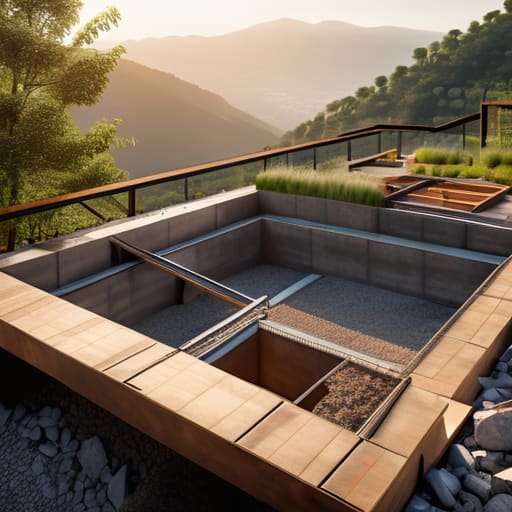
When you’re looking at a property with a massive, sloped backyard, it’s easy to get paralyzed by the numbers. I’ve seen investors walk away from goldmines because they assumed a pool would eat their entire margin. The secret isn’t avoiding the project; it’s understanding the math behind custom pool construction costs before you even break ground. You have to decide early on if you’re playing the long game with a concrete build or looking for a faster ROI with something more streamlined.
The debate between fiberglass vs concrete pools is where most of my clients get stuck. If you’re flipping a house and need a quick turnaround, fiberglass is your best friend—it’s faster to install and easier on the budget. However, if you’re holding a property for long-term appreciation, a custom concrete build offers that high-end, bespoke feel that luxury buyers crave. My rule of thumb? Never budget for just the shell. You need to factor in the hardscaping and lighting from day one, or you’ll end up with a beautiful pool that looks like a lonely island in a sea of mud.
Choosing Your Edge Fiberglass vs Concrete Pools for Maximum Roi
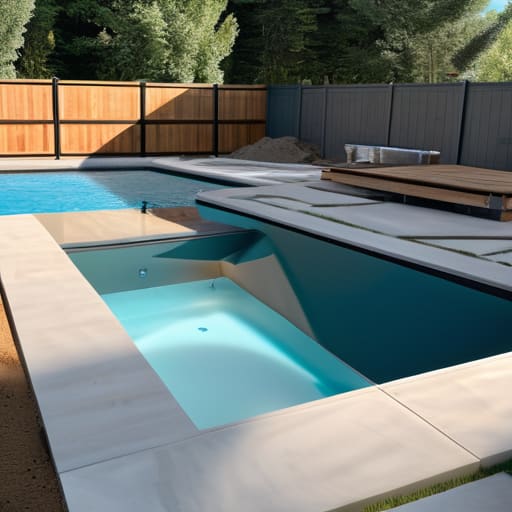
When you’re looking at the numbers, the debate between fiberglass vs concrete pools isn’t just about aesthetics; it’s a pure math problem. If your goal is a quick flip or a low-maintenance rental, fiberglass is your best friend. These pre-molded shells are installed fast, which means you aren’t bleeding cash on extended labor costs. They are incredibly durable and require minimal chemical balancing, making them a winner for anyone who wants to avoid the headache of constant swimming pool maintenance planning.
On the flip side, if you’re playing the long game with a high-end luxury estate, concrete is the way to go. It’s the gold standard for high-value equity because it offers total design freedom. You can create those sweeping, organic shapes that make a property stand out in a competitive market. While the upfront custom pool construction costs are higher, the sheer level of customization allows you to tailor the space to specific pool landscaping ideas that can significantly bump your appraisal. Just remember: concrete is a commitment, not a quick fix.
Don't Let the Water Sink Your ROI: 5 Rules for a Smart Pool Install
- Prioritize the “Invisible” Costs. Everyone obsesses over the pool shell, but if you aren’t budgeting for the electrical upgrades, drainage solutions, and heavy-duty fencing required by code, your profit margins are going to evaporate before the first swimmer even hits the water.
- Location is Everything (And I Don’t Mean the View). Don’t just place a pool where it looks pretty on a blueprint; look at the sun’s path and the slope of your yard. A pool tucked into a permanent shade pocket is a heating nightmare that will bleed your monthly cash flow dry.
- Think Like a Buyer, Not a Resident. If you’re installing this to flip or rent, skip the custom mosaic tiles and the high-maintenance infinity edges. Stick to clean lines and high-durability finishes that appeal to the widest possible demographic without requiring a specialized crew to maintain them.
- Don’t Skimp on the Perimeter. A pool without a well-planned deck or patio is just a hole in the ground. You need functional hardscaping—think pavers or stamped concrete—to create usable living space, because that’s where the real perceived value lives during a walkthrough.
- Factor in the “Maintenance Tax.” Before you sign that contract, run the numbers on the salt systems versus traditional chlorine. I always tell my clients: a more expensive, automated system upfront is almost always cheaper than the long-term headache and labor costs of manual chemical balancing.
The Bottom Line: Turning a Pool into a Profit Center
Stop looking at a pool as a luxury expense and start seeing it as a strategic amenity; the key is selecting a design that appeals to the widest possible buyer pool during resale.
Don’t get blinded by the “dream pool” aesthetic—prioritize durable, low-maintenance materials like fiberglass if your goal is to minimize long-term holding costs and maximize your net margin.
Always budget a 15% contingency buffer for underground surprises; I’ve seen too many investors lose their equity because they didn’t account for the messy reality of excavation and drainage issues.
The ROI of a Backyard Oasis
“Stop looking at a pool installation as a luxury sinkhole; if you pick the right materials and design for the neighborhood, you’re not just digging a hole in the ground—you’re carving out massive equity.”
Gareth Trelawny
The Bottom Line on Backyard Equity
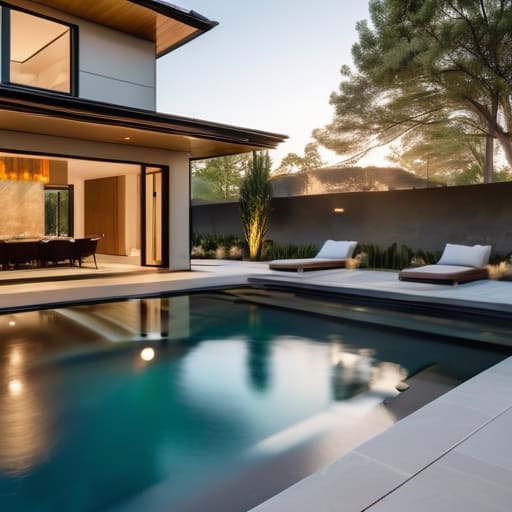
At the end of the day, installing a pool isn’t just about adding a place to splash around on a Saturday afternoon; it’s a calculated move in your property’s long-term value equation. We’ve looked at how to navigate those heavy construction costs and why choosing between fiberglass and concrete can make or break your return on investment. If you approach this with a clear budget and a sharp eye for material durability, you aren’t just digging a hole in the ground—you are strategically installing a high-value asset that sets your property apart from the standard suburban lot.
Don’t let the sheer scale of a backyard renovation intimidate you into playing it safe. Real wealth is built by seeing the potential in a space that others see as just a patch of grass. Whether you’re renovating for your own family or prepping a flip for a hungry market, remember that smart design and strategic execution are your best tools. Grab your laser measurer, do your homework, and stop viewing a pool as an expense. Start seeing it for what it truly is: a way to turn a simple backyard into a powerhouse of equity.
Frequently Asked Questions
How much should I realistically budget for annual maintenance and utility costs once the pool is actually in the ground?
Don’t let the “sticker shock” of the build be the only number in your head. Once that pool is in, you’re looking at a new line item in your monthly budget. Realistically, factor in $150 to $300 a month for chemicals, electricity, and water. If you’re hiring a pro to handle the cleaning, bump that up. I always tell my clients: treat pool maintenance like a utility—it’s a predictable cost of owning a high-value asset.
Are there specific landscaping or hardscape upgrades I should pair with a new pool to ensure the highest possible resale value?
Don’t just drop a pool into a patch of dead grass and call it a day; that’s a recipe for a low ROI. To maximize resale value, you need cohesive hardscaping. Think seamless transitions—natural stone pavers or a clean travertine deck that connects the pool to your outdoor living area. I always recommend integrated lighting and built-in seating. If the pool looks like a lonely island in a sea of dirt, you’ve missed your chance to build real equity.
How do I vet a pool contractor to make sure they aren't cutting corners on the structural work that I'll end up paying for later?
Don’t just fall in love with a pretty 3D render; that’s how you end up with a cracked shell in three years. I always demand to see a list of references from projects completed at least five years ago—that’s when structural flaws actually show up. When you’re on-site, ask specifically about their shotcrete process and soil compaction methods. If they can’t explain their structural specs clearly, they’re likely cutting corners.
