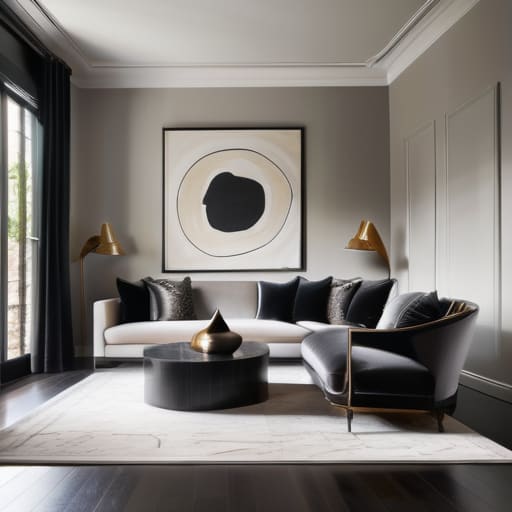
I still remember the smell of damp plaster and old dust hitting me the second I kicked open the door to my first solo flip. Most people see a house like that and see a nightmare of outdated electrical and peeling wallpaper, but I saw something else entirely. While the “experts” on HGTV want you to believe that modernizing old homes requires a six-figure budget and a complete gut renovation, I’ve learned that’s a total lie designed to keep you spending. You don’t need to tear down every single load-bearing wall to see a return on your investment; you just need to know which layers of history to peel back and which ones to leave alone.
I’m not here to sell you on some aesthetic fantasy or a Pinterest-perfect dream that leaves you broke. My goal is to give you the straightforward, tactical blueprint for turning distressed properties into high-value assets. We’re going to talk about strategic upgrades, spotting structural red flags before they drain your bank account, and how to maximize your ROI without losing the soul of the house. If you’re ready to stop dreaming and start building real equity, let’s get to work.
Table of Contents
- Preserving Architectural Integrity While Adding Modern Value
- Checking Structural Integrity in Old Houses Before Buying
- My Top 5 Non-Negotiables for a High-ROI Modernization
- The Bottom Line: Turning Neglect into Net Worth
- The Real Value in the Dust
- The Bottom Line on Old Houses
- Frequently Asked Questions
Preserving Architectural Integrity While Adding Modern Value
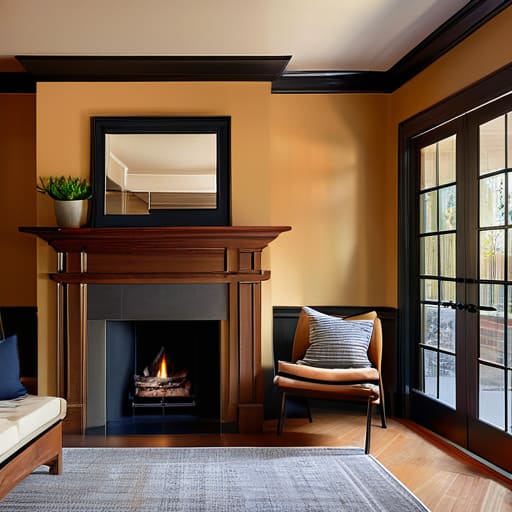
The biggest mistake I see rookie flippers make is trying to scrub the soul out of a house. They walk into a 1920s craftsman and immediately want to tear down every built-in and strip every crown molding to make it look like a generic, cookie-cutter condo. Stop right there. Your goal isn’t to erase the past; it’s about blending contemporary design with vintage aesthetics. When you preserve those original character pieces—the heavy oak doors, the original fireplaces, or even those quirky transom windows—you aren’t just being sentimental. You’re protecting the very features that will drive the resale value.
That said, “character” shouldn’t be an excuse for a house that’s falling apart. You can respect the history while still prioritizing energy efficient home upgrades that make the space livable for today’s buyers. I’m talking about upgrading the insulation behind those beautiful plaster walls or installing high-performance windows that mimic the original profiles. If you can marry the old-school charm with modern performance, you aren’t just flipping a house; you’re curating a premium asset that stands out in a saturated market.
Checking Structural Integrity in Old Houses Before Buying

Before you get swept up in the charm of original crown molding or those gorgeous hardwood floors, you need to pull your head out of the clouds and look at what’s actually holding the house up. I’ve seen too many rookies fall in love with a kitchen layout only to realize the foundation is shifting like a tectonic plate. When you’re assessing structural integrity in old houses, you aren’t looking for perfection; you’re looking for manageable problems. Grab your flashlight and head straight for the basement or crawlspace. I’m looking for water stains, bowing joists, or cracks in the foundation that look more like a map of the Grand Canyon than a simple settling crevice.
If the bones are solid, your next hurdle is often what’s hidden behind the plaster. Old homes are notorious for outdated wiring and plumbing that can eat your profit margins alive. You’ll likely be looking at retrofitting old electrical systems to meet modern safety standards, which is a non-negotiable expense. Don’t let a beautiful facade fool you—if the skeleton is rotting, the most expensive renovation in the world won’t save your ROI. Always verify that the “fixer-upper” isn’t actually a “tear-down” in disguise.
My Top 5 Non-Negotiables for a High-ROI Modernization
- Stop chasing trends and start upgrading the bones—specifically your electrical and plumbing. There is zero profit in a gorgeous kitchen if the breaker trips every time you turn on the toaster; modernize the systems first so your design work actually lasts.
- Focus your budget on “high-touch” areas like kitchens and bathrooms. If you’re tight on cash, don’t bother with a full gut; instead, swap out dated hardware, refinish the cabinets, and install a modern backsplash to give that instant facelift without the massive price tag.
- Light is your best friend and your biggest weapon. Old houses are notorious for being dark, so don’t just add a few recessed lights; think about layering your lighting with modern sconces and floor lamps to create depth and eliminate those gloomy, dated corners.
- Don’t kill the character, just clean it up. If you have original crown molding or built-in shelving, keep them, but sand them down and give them a fresh, neutral coat of paint. It’s about making the old feel intentional rather than just “old.”
- Open up the flow where it makes sense. Most old homes feel like a series of cramped boxes, so if the load-bearing walls allow it, knock down a partition to connect the kitchen to the living area. Creating that open-concept feel is the fastest way to make a small footprint feel modern and expensive.
The Bottom Line: Turning Neglect into Net Worth
Don’t get blinded by pretty finishes; always prioritize the bones of the house, because a designer kitchen won’t save a house with a failing foundation.
Respect the history of the home by blending original character with modern updates, as that unique soul is exactly what drives resale value in today’s market.
View every crack and outdated layout not as a headache, but as an opportunity to manufacture equity through strategic, high-impact renovations.
The Real Value in the Dust
Most people see a dated kitchen or a cracked foundation and run the other way, but I see those flaws as a discount on your future equity; you aren’t just buying a house, you’re buying the opportunity to build wealth out of what everyone else was too afraid to touch.
Gareth Trelawny
The Bottom Line on Old Houses
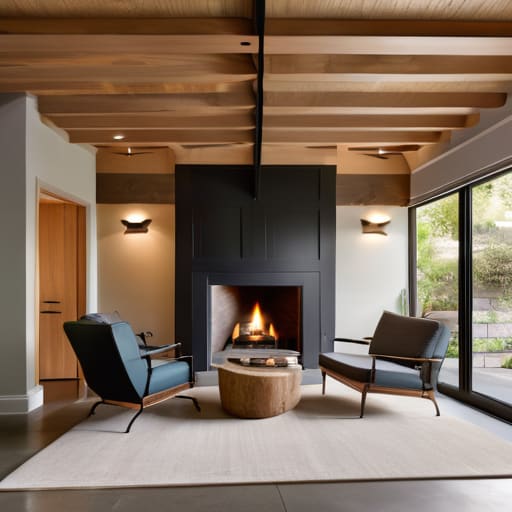
At the end of the day, modernizing an old home isn’t about stripping away its soul to make it look like a sterile showroom. It’s a delicate balancing act between respecting the original craftsmanship we’ve discussed and making the space functional for how we actually live today. Whether you are navigating the complexities of structural inspections or finding that sweet spot where historical charm meets contemporary utility, remember that every decision should serve the long-term value of the asset. Don’t get distracted by flashy, superficial trends that won’t age well; instead, focus on strategic upgrades that bridge the gap between the past and the present. If you play your cards right, you aren’t just fixing a house—you are building significant equity through intentional design.
I know that looking at a property with outdated wiring and peeling crown molding can feel overwhelming, but that’s exactly where the opportunity lies. The most profitable flips aren’t found in the pristine, move-in-ready suburbs; they are hidden behind the dust and the decay of homes that just need someone with a vision to see what they could become. It takes grit, a bit of sweat, and a lot of patience, but there is nothing quite like the feeling of seeing a neglected shell transform into a high-value masterpiece. Stop waiting for the “perfect” turnkey property to appear and start looking for the diamond in the rough. That is where the real wealth is built.
Frequently Asked Questions
How do I figure out which "original" features are worth saving and which are just outdated eyesores that need to go?
Look, there’s a fine line between “character” and a “money pit.” My rule of thumb? If a feature is high-quality craftsmanship that’s hard to replicate today—like solid oak built-ins or original crown molding—keep it. It adds soul and resale value. But if it’s just dated, low-quality junk, like honey-oak cabinets or shag carpet, rip it out. Don’t fall in love with something just because it’s old; fall in love with the equity it creates.
At what point does a structural issue stop being a renovation project and start being a financial money pit?
Look, there’s a fine line between a “character-building” project and a total sinkhole. If you’re looking at a cracked foundation or a sagging roofline and the quote from the structural engineer is creeping toward 30% of your total rehab budget, walk away. When the bones are rotting, you aren’t building equity; you’re just subsidizing a disaster. If the fix costs more than the value it adds, it’s not an investment—it’s a money pit.
How can I balance high-end modern upgrades with a realistic budget so I don't eat up all my projected profit?
Look, the biggest mistake I see is “feature creep”—falling in love with a $10,000 backsplash when your margins are already thinning. You have to be surgical. Invest heavily in the “bones” people touch every day: high-quality hardware, solid lighting, and clean kitchen surfaces. For everything else, shop secondhand or use mid-range materials that look expensive under good lighting. If an upgrade doesn’t directly drive a higher appraisal, it’s just an expensive hobby.
