
I still remember the smell of damp earth and old sawdust from my first solo flip—a tiny bungalow that looked like it was held together by nothing but prayer and peeling wallpaper. I was standing in the basement, my laser measurer gripped tight in my hand, staring at a foundation crack that looked wide enough to swallow my entire career. Most “experts” would have looked at those structural repairs and told me to run for the hills, quoting astronomical quotes just to scare a novice. But I didn’t see a disaster; I saw a math problem waiting to be solved.
I’m not here to give you the polished, sanitized version of real estate you see on HGTV. I’m here to tell you that while structural repairs can feel like a punch to the gut, they are actually the most direct path to building real, tangible equity. I’m going to walk you through the grit of identifying what’s truly broken versus what’s just cosmetic, so you can stop fearing the heavy lifting and start mastering the mechanics of a profitable renovation.
Table of Contents
- Spotting the Signs of Foundation Settling Early
- The Vital Home Structural Integrity Assessment
- My Non-Negotiable Rules for Tackling Structural Repairs
- The Bottom Line on Structural Stability
- The Real Cost of Ignoring the Bones
- Turning Structural Setbacks into Strategic Wins
- Frequently Asked Questions
Spotting the Signs of Foundation Settling Early
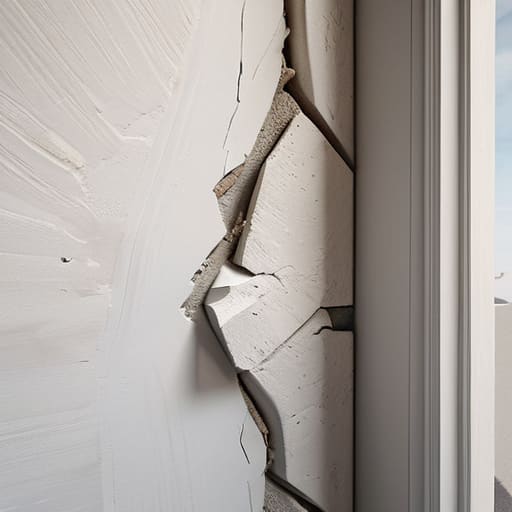
When I’m walking through a potential flip, I’m not just looking at the backsplash or the crown molding; I’m looking at the bones. One of the biggest red flags I watch for is the subtle, creeping evidence of signs of foundation settling. You might notice it first in the way a door sticks in its frame or if you spot tiny, diagonal cracks snaking up from the corners of window casings. It’s easy to dismiss these as “old house quirks,” but if you aren’t careful, those little cracks can turn into a massive capital drain that eats your entire profit margin.
Another thing that always sets off my internal alarm is a floor that feels just a bit off underfoot. If you’re walking through a room and feel a slight dip, you might be looking at the early stages of remedying sagging floors later on. I always tell my clients: don’t ignore a slope. If the floor isn’t level, the house is trying to tell you something. Catching these shifts early—before they compromise the actual stability of the build—is the difference between a profitable rehab and a total money pit.
The Vital Home Structural Integrity Assessment
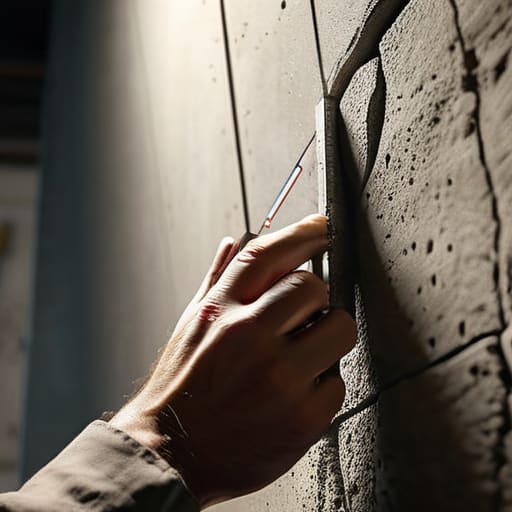
Once you’ve identified those initial red flags, you need to stop guessing and start investigating. I’ve learned the hard way that trying to “eye-ball” a load-bearing issue is a fast track to a money pit. This is where a formal home structural integrity assessment becomes your best friend. You aren’t just looking for cosmetic cracks; you’re looking for the skeletal truth of the house. I always tell my clients that skipping this step is like trying to perform surgery without an X-ray—you might think you’re fixing a minor issue, but you’re actually just masking a disaster.
If the assessment uncovers something serious, don’t panic, but do get professional. At this stage, I never DIY a fix. I immediately call in for a structural engineer consultation to get a definitive scope of work. Whether we are looking at remedying sagging floors in a Victorian or reinforcing a basement wall, you need a blueprint that guarantees safety and long-term value. My goal isn’t just to make the house look pretty for a quick flip; it’s about ensuring every dollar I sink into the foundation is backed by rigorous engineering standards.
My Non-Negotiable Rules for Tackling Structural Repairs
- Never, and I mean never, DIY a structural fix just to save a few bucks; call in a licensed structural engineer before you even think about picking up a sledgehammer.
- Budget for the “unknown unknowns” by setting aside a 15% contingency fund specifically for structural surprises that inevitably hide behind drywall.
- Prioritize the bones over the aesthetics; a gorgeous marble backsplash won’t mean a thing if your floor is sloping toward the kitchen sink.
- Document every single repair with photos and professional reports, because that paper trail is what turns a “fixer-upper” into a high-value asset during a resale.
- Watch your moisture levels like a hawk, because most structural nightmares start with a simple, neglected leak that’s been rotting your joists for years.
The Bottom Line on Structural Stability
Don’t panic when you see a crack; learn to distinguish between cosmetic settling and a structural red flag that will actually eat your profit margins.
Always budget for a professional inspection early in the due diligence phase—it’s much cheaper to walk away from a money pit than to try and fix a sinking foundation mid-renovation.
Treat structural repairs as an investment in equity, not just a cost, because a rock-solid boneset is what ultimately secures your ROI and protects your buyer’s long-term value.
The Real Cost of Ignoring the Bones
“A fresh coat of paint can hide a multitude of sins, but it’ll never fix a failing foundation. I’d rather spend my budget on reinforcing the bones of a house today than watching my equity sink into a cracked basement tomorrow.”
Gareth Trelawny
Turning Structural Setbacks into Strategic Wins

At the end of the day, mastering structural repairs isn’t about being a master carpenter; it’s about being a master of observation. We’ve covered how to spot those subtle foundation shifts before they become catastrophic, and why you should never, ever skip a professional integrity assessment. Remember, those cracks in the plaster or the uneven door frames are just data points telling you the story of the house. If you can learn to read those signals and approach them with a calculated, pragmatic plan rather than panic, you’re already ahead of most amateur flippers. Don’t let a messy basement or a sloping floor derail your vision; instead, treat these issues as the necessary groundwork for the equity you’re about to build.
I know it can feel overwhelming when you’re standing in a room that looks like it’s slowly folding in on itself, but that’s exactly where the profit lives. The most lucrative opportunities aren’t found in pristine, move-in-ready estates; they are hidden behind the peeling paint and the sagging joists of properties that others were too intimidated to touch. Stay disciplined, keep your laser measurer handy, and trust your eye for potential. Building a real estate portfolio is a marathon, not a sprint, and every structural hurdle you clear is just another brick in your path toward generational wealth. Now, get out there and go find your next project.
Frequently Asked Questions
How do I tell the difference between a cosmetic crack in the drywall and a serious foundation issue that’s going to eat my entire renovation budget?
Look, I’ve been there—staring at a crack in a fixer-upper and wondering if I’m looking at a cheap patch job or a financial nightmare. Here’s the rule of thumb: if it’s a hairline crack in the drywall, it’s usually just the house settling and nothing to sweat. But if that crack is diagonal, wider than a nickel, or if you see it traveling through the masonry or door frames, stop everything. That’s not cosmetic; that’s a budget-killer.
At what point does a structural repair stop being a "fixer-upper opportunity" and start becoming a money pit that kills my ROI?
It stops being an opportunity the second the math stops working. I look at it through a cold, hard lens: if the cost of the structural stabilization—plus the necessary cosmetic repairs—eats up more than 30% of your projected profit margin, walk away. When you’re fighting a sinking foundation and a failing roof and outdated electrical, you aren’t flipping a house anymore; you’re just subsidizing a contractor’s lifestyle. Protect your equity.
When I'm walking through a potential property, should I be looking for a structural engineer immediately, or can I trust my own eye for the initial assessment?
Trust your eyes for the initial walk-through, but don’t mistake a gut feeling for a professional diagnosis. Use your eyes to spot the red flags—stair-step cracks in brickwork, doors that won’t latch, or sloping floors. That’s your triage phase. However, the moment you see something that looks like more than just “character,” call in a structural engineer. I’ve seen too many investors lose their shirts because they tried to eyeball a foundation issue they should have outsourced.
