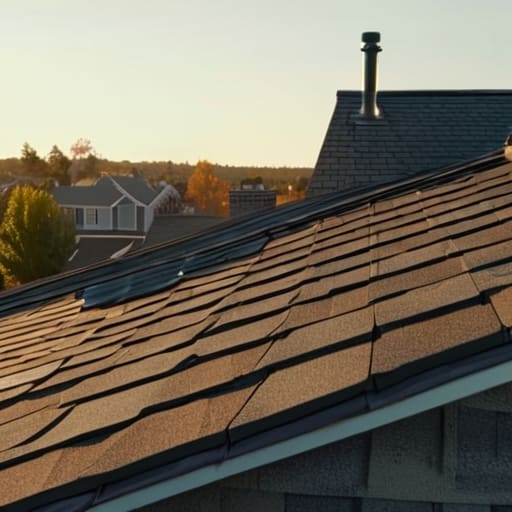
I still remember standing on a ladder in the pouring rain three years ago, staring at a water stain on a ceiling that looked like a Rorschach test. I had just closed on what I thought was a “diamond in the rough,” only to realize the seller had conveniently glossed over the fact that the shingles were basically held together by prayers and moss. Most people think a roof inspection is just some tedious checkbox for the bank, but if you aren’t treating it like a forensic investigation, you are essentially handing your profit margin over to the next storm.
I’m not here to give you a lecture or sell you on some overpriced, unnecessary service packages that do nothing but pad a contractor’s pocket. My goal is to teach you how to look at a roof and see the actual numbers hiding underneath those shingles. I’m going to walk you through exactly what to look for—and what to ignore—so you can spot the structural nightmares before they turn into equity-killing disasters. Let’s get into the grit of how to protect your investment.
Table of Contents
Spotting Subtle Roof Damage Signs Before They Strike
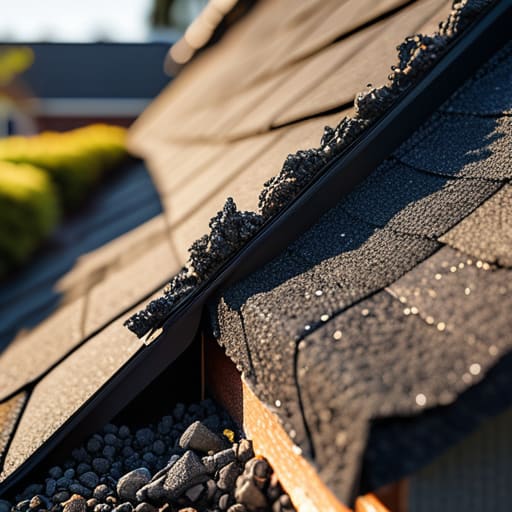
You don’t always need a ladder and a heavy-duty flashlight to spot trouble; sometimes, the house tells you it’s struggling if you actually bother to look. I always start with a walk around the perimeter. Keep an eye out for granules shedding from your shingles and piling up in the gutters like coarse sand. That’s a massive red flag for roof damage signs that most people ignore until a ceiling starts sagging. If you see curling edges or shingles that look like they’re lifting, your protection is already compromised.
Next, get inside and look up. I’ve seen too many investors lose their shirts because they missed a faint, yellowish ring on a ceiling during a walkthrough. Those stains are the fingerprints of a slow leak. It might not look like a disaster now, but it’s a clear indicator that your preventative roof maintenance has been neglected. Catching these subtle shifts early is the difference between a quick patch job and a full-scale structural nightmare that eats your entire renovation budget.
Why a Professional Roofing Assessment Saves Your Roi
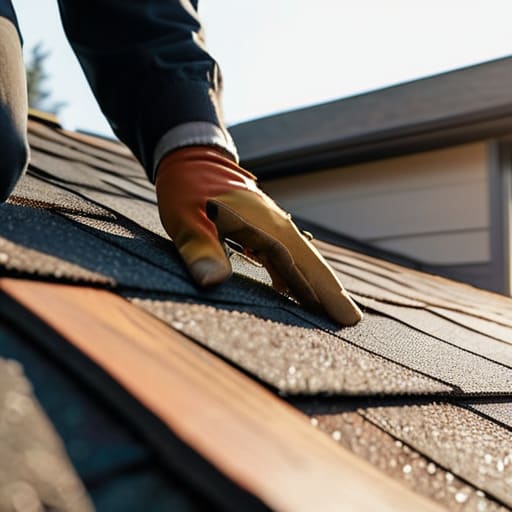
Look, I’ve seen too many rookies walk into a deal thinking they can squeeze an extra few thousand out of the budget by skipping the heavy lifting on inspections. That’s a rookie mistake that will haunt your profit margins. A professional roofing assessment isn’t just an extra line item on your closing costs; it’s your primary defense against catastrophic capital expenditures. When you’re flipping, your goal is to maximize equity, not to fund a full roof replacement three months after the sale.
If you ignore those subtle roof damage signs during your initial walkthrough, you aren’t saving money—you’re just gambling with your ROI. I always tell my clients that a comprehensive residential roofing health check is essentially an insurance policy for your investment. It allows you to differentiate between a simple flashing repair and a structural nightmare that requires a complete tear-off. By catching these issues early, you can budget accurately, negotiate the price down with the seller, and ensure that your “fixer-upper” doesn’t turn into a money pit before you even see a return.
My Hard-Earned Rules for Not Getting Burned by a Bad Roof
- Check the attic before you check the kitchen. I always climb up into the crawl space with a high-powered flashlight to look for water stains on the rafters or dark spots that scream mold; if the attic is a mess, the roof is failing.
- Don’t just look at the shingles; look at the flashing. Most rookies miss the metal bits around chimneys and vents, but that’s exactly where the water finds its way in to rot your subfloor and eat your profits.
- Watch out for “granule loss” in the gutters. If you see what looks like coarse black sand piling up in your downspouts, your shingles are losing their protective coating and are on their way out.
- Get a feel for the roof’s age, not just the owner’s word. If they say it’s “nearly new” but the shingles are curling or brittle, trust your eyes over their sales pitch—that’s an immediate negotiation point for me.
- Always verify the structural integrity of the decking. A few soft spots underfoot might seem minor, but if the plywood is rotting, you’re not just looking at a shingle replacement—you’re looking at a massive, unplanned structural expense.
Bottom Line: Don't Buy a Money Pit
Trust your eyes, but verify with a pro; a quick walk-around can catch the obvious, but a professional inspection catches the structural rot that actually kills your margins.
Treat the roof as a non-negotiable line item in your rehab budget, because negotiating a credit for a failing roof is always better than paying for a full replacement out of your own pocket mid-flip.
Document everything; knowing the exact age and condition of the shingles isn’t just about the repair, it’s about protecting your resale value and proving to future buyers that the bones of the house are solid.
The Real Cost of Cutting Corners
“I’ve seen too many investors try to save a few grand by skipping a proper roof inspection, only to watch their entire profit margin wash away with the next heavy rain. In this game, a cheap roof is the most expensive mistake you’ll ever make.”
Gareth Trelawny
Don't Leave Your Equity to Chance
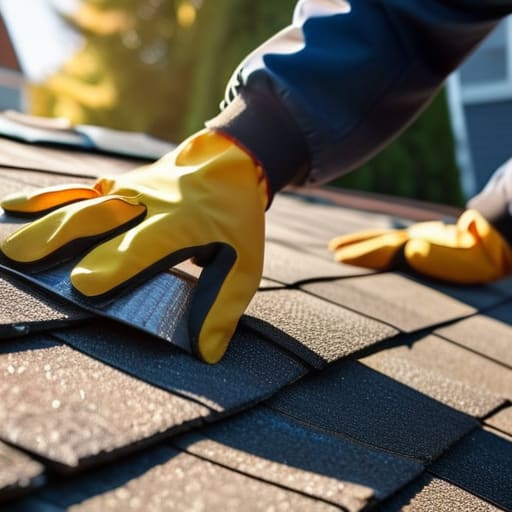
At the end of the day, a roof isn’t just a structural necessity; it is a massive variable in your profit and loss statement. We’ve talked about how easy it is to miss those subtle signs of decay and why skipping a professional assessment is a gamble that rarely pays off. If you aren’t looking for curling shingles, water stains in the attic, or sagging rooflines, you aren’t just being optimistic—you’re being reckless with your capital. Remember, the goal of a flip or a long-term hold is to build wealth, and you can’t do that if you’re constantly writing checks to fix avoidable water damage that should have been caught during your initial walkthrough. Protect your margins by making the inspection a non-negotiable part of your due diligence.
Real estate investing is rarely as glamorous as the polished photos on Instagram make it look. It’s gritty, it’s unpredictable, and it requires you to make the tough calls before the first hammer even swings. But that’s exactly where the opportunity lies. When you learn to spot the risks that others overlook, you stop being a spectator and start being a serious player in this game. Don’t let a preventable repair turn your dream project into a financial sinkhole. Stay sharp, stay pragmatic, and keep building. Your future portfolio depends on the decisions you make today, right there on the job site.
Frequently Asked Questions
How do I tell the difference between a simple patch job and a full roof replacement when I'm walking a property?
Look for the “Frankenstein effect.” If you see different shingle colors or textures overlapping, you’re looking at a series of band-aid fixes. A simple patch is usually a localized repair around a vent or a single slipped shingle. But if the flashing is rusted, the granules are washing away like sand in a playground, or you see multiple layers of old shingles peeking through, stop dreaming about a patch. That’s a full replacement waiting to happen.
At what point during the due diligence phase should I actually bring a contractor in to look at the shingles?
Don’t wait until you’re under contract to call in the pros. I always bring a contractor in during the initial inspection period—right after I’ve done my own preliminary walkthrough. If I see curling shingles or granule loss from the ground, I want a hard number on the replacement cost before I sign a single piece of paper. You need that quote in your hand to negotiate the purchase price or walk away entirely.
Are there specific red flags in a roof inspection report that should make me walk away from a deal immediately?
If you see “structural sagging” or “compromised decking” in that report, walk. Period. Those aren’t quick cosmetic fixes; they’re massive, expensive structural nightmares that can eat your entire profit margin before you even pick up a hammer. Also, watch out for mentions of widespread mold or rot in the attic. If the bones of the roof are failing, you aren’t just buying a renovation project—you’re buying a money pit that will bury your equity.
