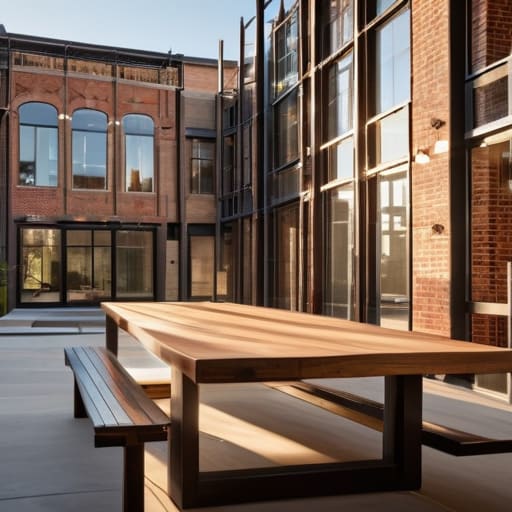
I still remember the smell of damp drywall and old sawdust from my first solo project—a tiny, neglected bungalow that most people wouldn’t have looked at twice. While the “gurus” on social media were busy preaching about overnight millions and effortless passive income, I was standing in a literal puddle of rainwater, staring at a cracked foundation and wondering if I’d made a massive mistake. That’s the reality they don’t show you: true property redevelopment isn’t about flashy reveals or aesthetic mood boards; it’s about the grit required to face a disaster and see the gold underneath.
I’m not here to sell you a dream or a magic formula that requires a massive inheritance to start. My goal is to give you the unfiltered truth about what it actually takes to turn a distressed asset into a high-value home. I’m going to walk you through the strategic rehabs and the hard-won lessons I’ve learned on the job site, focusing on how to spot real potential where others only see a mess. If you’re ready to trade the hype for tangible equity, let’s get to work.
Table of Contents
Spotting Real Estate Value Appreciation in Dilapidated Spaces
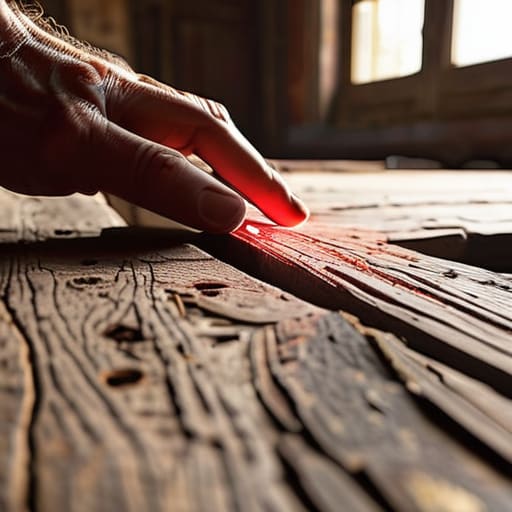
When I’m walking through a property that looks like it’s seen better decades, I’m not looking at the peeling wallpaper or the cracked floorboards. I’m looking at the bones. Most people see a disaster; I see the foundation for massive real estate value appreciation. The trick is to look past the surface-level decay and assess the structural integrity and the layout. If the footprint is solid, you’re halfway there. I always keep my laser measurer handy because knowing the exact dimensions of a cramped, outdated kitchen tells me instantly if it can be opened up into something high-end and modern.
You also have to think bigger than just the four walls of a single house. Sometimes the real gold is in how a space can be repurposed. I’ve become obsessed with adaptive reuse architecture, finding ways to take old, industrial shells and turn them into something completely different, like a loft-style living space. It’s about seeing the hidden potential that a standard buyer would miss. If you can spot a building that’s just one smart layout change away from being a premium asset, you’ve found your next win.
The Art of Brownfield Site Revitalization and Potential
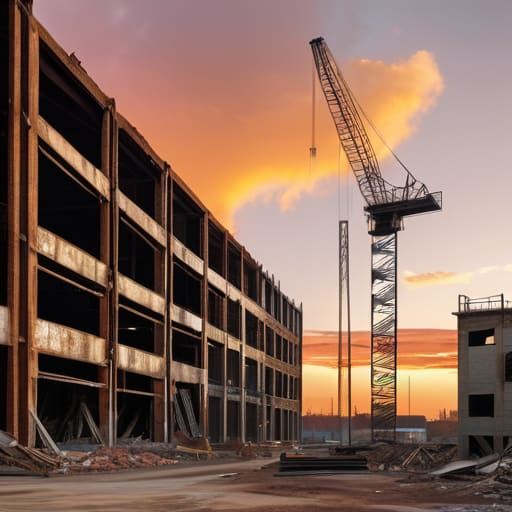
Now, let’s talk about the heavy hitters: brownfield site revitalization. I’ll be honest, these projects aren’t for the faint of heart. We aren’t just talking about swapping out old laminate for quartz; we’re talking about breathing life back into land that’s been sitting idle—and often neglected—for decades. It’s intimidating, sure, but that’s exactly why the margins are so juicy. When you take a piece of land that everyone else has written off and transform it into something functional, you aren’t just building; you are creating value from thin air.
Success here requires a pivot toward adaptive reuse architecture. Instead of tearing everything down and starting from scratch, I look for ways to honor the existing bones while modernizing the guts. This often means leaning into mixed-use development strategies, where you blend residential lofts with ground-floor retail to maximize every square inch. It’s a complex puzzle involving strict zoning regulation compliance and environmental checks, but if you can navigate the red tape, you’ll find yourself sitting on a goldmine of equity that most investors are too scared to even touch.
My Non-Negotiables for a Profitable Redevelopment
- Don’t fall in love with the bones; fall in love with the math. I’ve seen too many designers get blinded by a beautiful original fireplace and ignore the fact that the foundation is a total disaster. Before you pick up a sledgehammer, make sure the numbers actually work.
- Look for the “invisible” equity. Sometimes the best value isn’t in a fancy kitchen remodel, but in fixing a layout that makes no sense. If you can turn a cramped, dark hallway into an open-concept flow, you’re adding value that people will actually pay a premium for.
- Always, always budget for the “oh crap” moments. I keep my laser measurer in my bag for precision, but I keep a massive contingency fund in my bank account for when I open a wall and find something unexpected. If you don’t account for the mess, your profit margin will disappear.
- Prioritize structural integrity over cosmetic trends. A trendy backsplash won’t save a house with a bad roof or outdated electrical. Invest in the stuff that keeps the house standing and safe first; the mid-century modern accents can come once the bones are solid.
- Scout the neighborhood’s trajectory, not just the property. I look for areas where the local coffee shops are upgrading and the streets are getting cleaner. You want to be the person bringing the shine to a neighborhood that’s already on its way up.
The Bottom Line: Turning Mess into Money
Look past the peeling wallpaper and the outdated layouts; your profit lives in the structural bones and the potential for a smart, modern reconfiguration.
Don’t let a site’s history—even a brownfield—scare you away, but always do your due diligence to ensure the remediation costs won’t eat your entire margin.
Success in redevelopment isn’t about a massive bank account; it’s about having the patience to manage the mess and the eye to see the equity hidden behind the decay.
## The Real Math of Renovation
“Most people walk into a gutted house and see a disaster; I walk in and see a math problem waiting to be solved. The equity isn’t in the finished product—it’s hidden in the mess you’re willing to clean up.”
Gareth Trelawny
The Bottom Line on Redevelopment
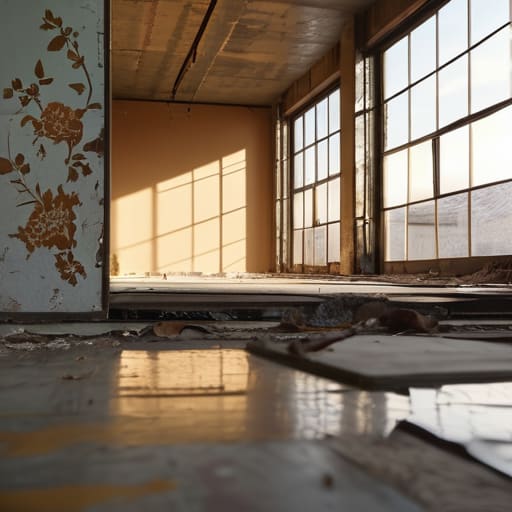
At the end of the day, successful property redevelopment isn’t about luck; it’s about the ability to see past the peeling wallpaper and the cracked foundations. We’ve covered how to identify value in dilapidated structures and why revitalizing brownfield sites can be one of the most rewarding—and profitable—moves you can make in this industry. Whether you are looking at a neglected residential fixer-upper or a complex industrial site, the goal remains the same: you are looking for the gap between what a property is and what it could be. It takes a sharp eye to spot that gap, but once you do, you’ve found your path to building real equity.
I know it sounds intimidating. I know there will be days when you’re standing in a dusty, half-finished kitchen wondering if you’ve bitten off more than you can chew. But remember, every high-end development you see started as a mess. The difference between a spectator and an investor is the willingness to get your hands dirty and see the vision through to completion. Don’t wait for the perfect, turnkey opportunity to come along—those don’t exist if you want to make real money. Instead, go find something broken, find the potential, and start turning those crumbling walls into your generational wealth.
Frequently Asked Questions
How do I figure out if a renovation budget is actually realistic or if I'm just setting myself up for a money pit?
The quickest way to find out is to stop looking at the “pretty” stuff and start looking at the bones. I always add a 20% contingency buffer—no exceptions. If your math only works when everything goes perfectly, you aren’t budgeting; you’re dreaming. Get three detailed quotes from different contractors, and if the numbers feel tight, they probably are. It’s better to walk away from a deal now than to bleed cash halfway through a demo.
What are the biggest red flags I should look for during a walkthrough that signal a property is too far gone to flip?
Look, I love a messy project, but there’s a line between “needs work” and “money pit.” Watch out for foundation cracks wider than a nickel or signs of systemic structural failure—those will eat your margins alive. If you see heavy mold behind the drywall or outdated knob-and-tube wiring throughout, walk away. If the cost to stabilize the bones exceeds the potential ARV, it’s not an investment; it’s a donation to the contractor.
How do I balance high-end design finishes with the need to keep my renovation costs low enough to ensure a solid profit margin?
The secret is knowing where to splurge and where to save. I call it “strategic impact.” Spend your money on the things buyers touch and see every day—high-end hardware, a stunning backsplash, or quality flooring. Those are the “wow” factors. But for everything else? Stick to the basics. Use mid-range fixtures and standard layouts. Don’t go overboard on custom cabinetry when a smart, clean stock option does the job just as well.
