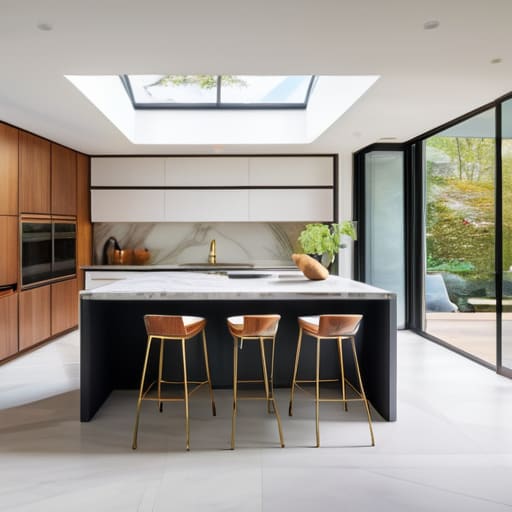
I remember standing in the middle of a 1970s ranch-style fixer-upper last October, clutching my laser measurer and staring at a kitchen that looked like it hadn’t been touched since the Nixon administration. The air was thick with the smell of damp particle board and decades of stale grease, and honestly, most people would have seen a total loss. But while the “experts” on HGTV would tell you that you need a six-figure budget and a complete gut job to make it livable, I saw something else entirely. To me, kitchen remodeling isn’t about buying the most expensive marble slabs to impress your neighbors; it’s about identifying the structural bones and making surgical, high-impact moves that actually move the needle on your property value.
I’m not here to sell you on a dream or walk you through a Pinterest board of unattainable luxury. I’m going to show you how to approach your project with a developer’s mindset, focusing on the strategic upgrades that turn a messy renovation into solid, tangible equity. We’re going to cut through the fluff and talk about real costs, smart material choices, and how to avoid the common traps that bleed your budget dry.
Table of Contents
- Mastering Modern Kitchen Layout Ideas for Maximum Value
- Smart Kitchen Technology Investing in Future Proof Returns
- The Renovation Reality Check: 5 Ways to Protect Your ROI
- The Bottom Line: Turning Your Kitchen Reno into Real Equity
- ## Stop Seeing Old Cabinets, Start Seeing Equity
- Turning Vision into Value
- Frequently Asked Questions
Mastering Modern Kitchen Layout Ideas for Maximum Value
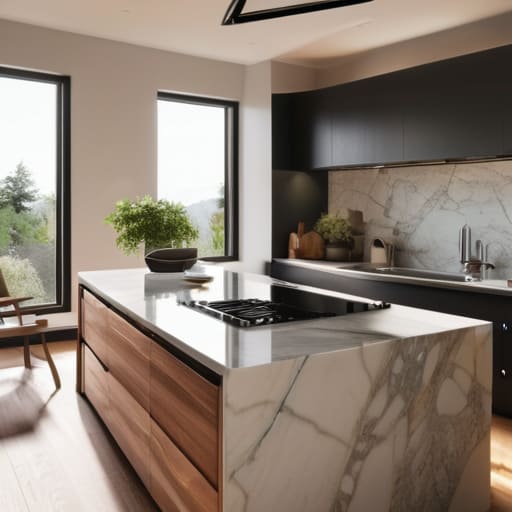
When I’m walking through a potential flip, I’m not just looking at the backsplash; I’m looking at the flow. You can have the most expensive marble in the world, but if the floor plan is a disaster, you’ve wasted your money. I always prioritize the kitchen workspace triangle—the relationship between the sink, stove, and fridge. If a buyer feels cramped while trying to prep a meal, they won’t care how pretty the pendant lights are. Efficiency is what drives resale value.
I’ve also noticed that current modern kitchen layout ideas are leaning heavily into open-concept zones that blend prep work with social areas. I love a well-placed island that doubles as a breakfast bar, but don’t overextend yourself. I tell my clients to focus on high-impact cabinetry and countertop materials that feel premium without breaking the bank. If you can create a layout that feels intentional and spacious, you aren’t just fixing a room; you are engineering a massive chunk of equity.
Smart Kitchen Technology Investing in Future Proof Returns
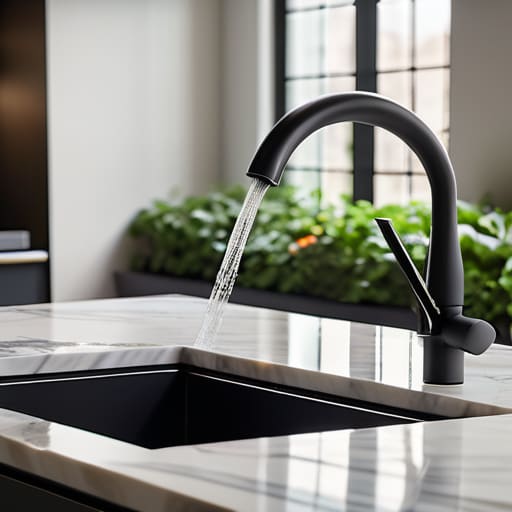
When I’m walking through a property, I’m not just looking at the current state of the appliances; I’m looking at how much friction they’ll create for a future buyer. Integrating smart kitchen technology isn’t about buying every expensive gadget on the market; it’s about strategic upgrades that scream “low maintenance” and “modern living.” Think smart refrigerators that track inventory or touchless faucets that prevent water waste. These aren’t just luxuries; they are signals to a buyer that the home has been maintained with an eye toward the future.
However, don’t get so caught up in the digital bells and whistles that you neglect the foundational elements. I’ve seen investors blow their entire budget on high-tech gadgets only to realize they skimped on the actual cabinetry and countertop materials. If the stone is cheap and the cabinets are flimsy, a smart oven won’t save your resale value. You want a balance where the tech feels like a seamless extension of a high-quality build. Aim for tech that enhances the workflow, ensuring your renovation feels like a premium, turnkey investment rather than a collection of expensive toys.
The Renovation Reality Check: 5 Ways to Protect Your ROI
- Stop overspending on custom cabinetry; unless you’re buying a trophy house, high-quality semi-custom options offer the best balance of aesthetics and profit margins.
- Lighting isn’t just about seeing what you’re chopping; layering your task, ambient, and accent lighting is the cheapest way to make a budget renovation look like a high-end designer job.
- Don’t get distracted by trendy backsplash tiles that will look dated in two years; stick to timeless neutrals so your potential buyers don’t feel like they’re stepping into your personal mood board.
- Prioritize the “Work Triangle”—if your sink, stove, and fridge are a logistical nightmare, no amount of marble countertops will save the layout or the resale value.
- Focus on the hardware; swapping out cheap, builder-grade pulls for something with weight and a clean industrial finish is a low-cost move that adds immediate perceived value.
The Bottom Line: Turning Your Kitchen Reno into Real Equity
Don’t get distracted by flashy, high-end gadgets that won’t actually move the needle; focus your budget on a functional layout and high-impact finishes that buyers can actually visualize themselves using.
Always prioritize the “work triangle” and storage solutions, because a kitchen that looks pretty but fails the usability test is just a wasted investment.
Treat every renovation decision like a business transaction—if a specific upgrade doesn’t directly contribute to the property’s resale value or long-term utility, leave it alone and keep your capital for the next deal.
## Stop Seeing Old Cabinets, Start Seeing Equity
“A dated kitchen isn’t a dealbreaker; it’s an opportunity. While most buyers see peeling laminate and outdated tile as a headache, I see a high-margin roadmap to increasing a property’s value.”
Gareth Trelawny
Turning Vision into Value
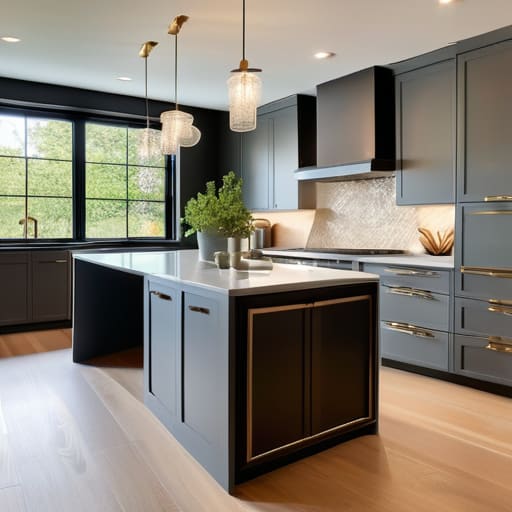
At the end of the day, a successful kitchen remodel isn’t just about picking out a pretty backsplash or a trendy faucet; it’s about the strategic marriage of form and function. We’ve looked at how a smart, modern layout can dictate the flow of a home and how integrating future-proof technology ensures your investment doesn’t become obsolete by next year. Remember, every decision—from the footprint of your island to the smart appliances you install—should be viewed through the lens of return on investment. If a design choice looks great but adds zero resale value, leave it on the mood board and move on. You have to prioritize high-impact upgrades that move the needle on your property’s appraisal.
I know that looking at a gutted kitchen or a sea of dated, laminate countertops can feel overwhelming, especially when the dust starts settling and the budget starts creeping up. But that’s exactly where the opportunity lies. Don’t let the mess intimidate you; that’s just the price of entry for building real wealth. If you keep your eyes on the long game and approach every renovation with a disciplined, strategic mindset, you won’t just be fixing a room—you’ll be engineering equity. Now, grab your laser measurer and let’s get to work.
Frequently Asked Questions
How do I decide between a full gut renovation and just swapping out the surfaces to keep my ROI high?
Look, there’s no one-size-fits-all answer, but I always run the numbers through a “functionality vs. aesthetics” lens. If the layout is awkward or the electrical is a nightmare, you have to gut it; you can’t polish a bad floor plan. But if the bones are solid and it’s just ugly, don’t overcapitalize. Swapping cabinets, counters, and hardware is your fastest path to a high ROI without bleeding your budget dry on structural changes.
At what point does spending more on high-end appliances actually stop adding value to the resale price?
Look, I’ve seen it happen too many times: an investor drops fifty grand on a professional-grade Sub-Zero setup for a mid-range fixer-upper, and they never see a dime of that money back at closing. There’s a ceiling. Once you move past high-quality, reliable brands into the “luxury collector” tier, you’re no longer building equity—you’re just subsidizing the next owner’s lifestyle. Aim for high-end performance, but don’t over-spec for a market that won’t pay for it.
What are the biggest "hidden" costs that usually blow my budget during a kitchen rehab?
Look, if you think your quote from the contractor is the final number, you’re already behind. The real budget killers are hiding behind those drywall sheets. I’m talking about outdated wiring that won’t meet code, plumbing that’s more rust than pipe, or finding subfloor rot once the old cabinets come up. Always set aside a 15% contingency fund. In this business, if you don’t plan for the surprises, the surprises will plan for your bankruptcy.
