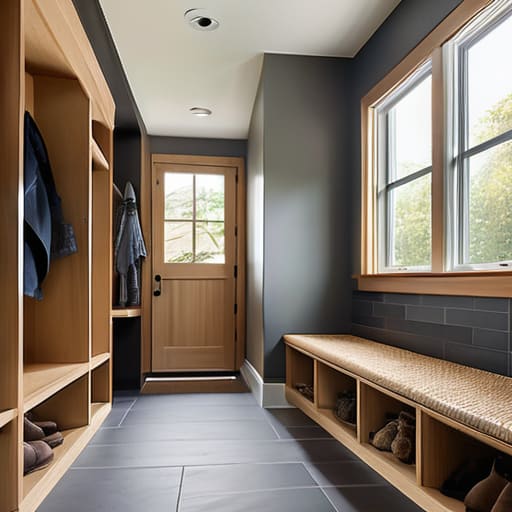
I was standing in the entryway of a fixer-upper last Tuesday, staring at a pile of muddy boots and discarded school bags that looked like they’d survived a natural disaster. It’s the same scene I see in almost every mid-range property I scout: a chaotic, disorganized entryway that makes the whole house feel cheap. Most designers will try to sell you on a $15,000 custom cabinetry package, but let’s be real—you don’t need a massive budget to fix a mess. A strategic mudroom installation isn’t about buying expensive, pre-fabricated furniture; it’s about creating a functional transition zone that protects the rest of your investment from the daily grind of real life.
I’m not here to give you a Pinterest-perfect fantasy that falls apart after six months of heavy use. Instead, I’m going to show you how to approach a mudroom installation with a renovator’s mindset, focusing on durable materials and smart layouts that actually add value to your property. We’re going to cut through the fluff and talk about high-impact, low-cost solutions that turn a cluttered entryway into a streamlined asset.
Table of Contents
- Mastering Small Mudroom Layout Planning for Maximum Value
- Choosing Durable Flooring for Mudrooms That Withstand Real Life
- Don't Overbuild: 5 Strategic Moves to Maximize Your Mudroom ROI
- The Bottom Line: Turning Your Mudroom into a High-ROI Asset
- The ROI of the Entryway
- Turning Chaos Into Capital
- Frequently Asked Questions
Mastering Small Mudroom Layout Planning for Maximum Value
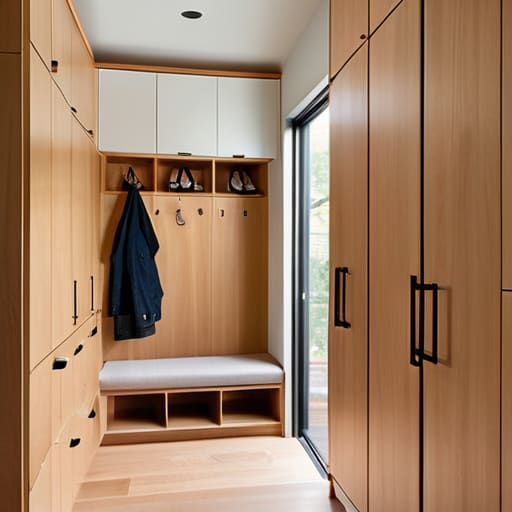
When you’re working with a tight footprint, every square inch needs to pull its weight. I’ve seen too many investors blow their budget on oversized features that actually make a small space feel cramped and claustrophobic. For effective small mudroom layout planning, you have to think vertically. Instead of bulky, freestanding furniture that eats up floor space, I always lean toward built-in entryway lockers. By integrating storage directly into the walls, you maintain a clean, streamlined aesthetic that makes a narrow hallway feel intentional rather than cluttered.
Don’t just throw some hooks on a wall and call it a day. If you want to maximize the ROI on a renovation, you need to invest in custom cabinetry for entryways that offers specific zones for shoes, bags, and seasonal gear. A well-planned layout prevents the “pile-up” effect that kills a home’s first impression. I always tell my clients: if the storage isn’t smart, the renovation isn’t working. Aim for a design that hides the chaos behind closed doors, ensuring that the transition from the driveway to the living room feels like a premium experience rather than a logistical nightmare.
Choosing Durable Flooring for Mudrooms That Withstand Real Life
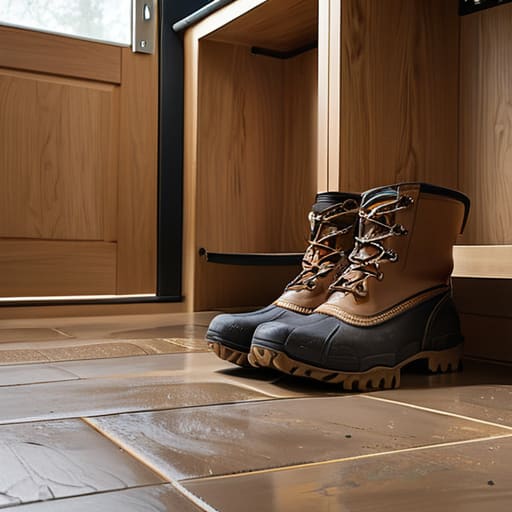
Look, I’ve seen too many investors blow their margins by picking “pretty” floors that fall apart after one season of salt, slush, and muddy paws. If you’re looking to build equity, you need durable flooring for mudrooms that can actually handle the abuse of daily life. I personally lean toward luxury vinyl plank (LVP) or porcelain tile. LVP is a lifesaver for flips because it’s waterproof, scratch-resistant, and gives you that high-end look without the fragile price tag of natural stone. If you go the tile route, make sure you’re using a high-rated slip resistance; there’s nothing that kills a home’s vibe faster than a slick, dangerous entryway.
While you’re finalizing your material choices, don’t forget how the floor interacts with your storage. I always tell my clients that the floor is the foundation for your entire mudroom organization ideas strategy. If you’re planning on installing built-in entryway lockers or heavy custom cabinetry, ensure your subfloor is rock solid and level. A slight dip in the floor might not matter in a living room, but it will make your expensive cabinetry look cheap and misaligned. Choose materials that work as hard as you do.
Don't Overbuild: 5 Strategic Moves to Maximize Your Mudroom ROI
- Prioritize “Drop Zones” over aesthetics; a high-end bench looks great, but if it doesn’t have integrated hooks for heavy backpacks or charging stations for tech, it’s just a piece of expensive furniture that won’t solve the daily chaos.
- Invest in heavy-duty hardware because cheap handles and hinges are the first thing a picky buyer will notice; if the cabinet doors feel flimsy, they’ll assume the entire renovation was a rush job.
- Plan for lighting that actually works; ditch the single, weak overhead bulb and install recessed LED task lighting so you aren’t fumbling for your keys in a dark corner every single morning.
- Go custom with your storage dimensions; standard shelving is a waste of square footage, so measure twice and build cubbies specifically sized for the boots and bins that actually live in your house.
- Keep your finishes “high-traffic friendly” by choosing semi-gloss or satin paints; you need a surface that can take a wipe-down from muddy handprints without looking like a disaster after three months.
The Bottom Line: Turning Your Mudroom into a High-ROI Asset
Stop treating the mudroom as an afterthought; a well-planned, functional entryway is a high-impact way to boost perceived home value and buyer appeal.
Prioritize materials that can actually handle a beating—investing in durable, easy-to-clean flooring now prevents costly repairs and protects your equity later.
Maximize every square inch by focusing on smart, vertical storage solutions that turn a chaotic transition zone into a streamlined, organized asset.
The ROI of the Entryway
“Don’t view a mudroom as just another renovation expense; view it as a strategic barrier that protects your high-end finishes from the daily grind, effectively preserving the equity you worked so hard to build.”
Gareth Trelawny
Turning Chaos Into Capital
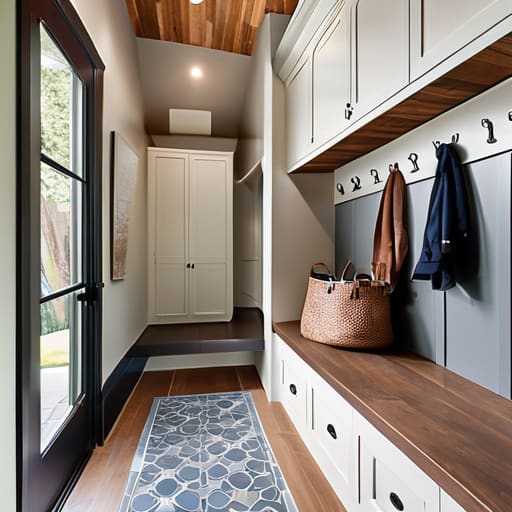
At the end of the day, a successful mudroom installation isn’t just about picking out pretty cubbies or a trendy backsplash; it’s about strategic utility. You’ve looked at how to master a layout that actually works for a family’s flow and how to select flooring that won’t look like a disaster zone after one rainy afternoon. When you combine smart spatial planning with materials that can actually handle the heavy lifting of daily life, you aren’t just fixing a room—you are protecting your investment. Every dollar you spend on durable, well-designed organizational systems is a dollar that directly bolsters your home’s resale value by solving a problem most buyers are desperate to avoid.
Don’t let the mess of a renovation intimidate you or make you settle for a mediocre, “good enough” solution. I know firsthand that the dust and the logistics can feel overwhelming, but remember that the most profitable flips are built on these exact types of functional, high-impact details. Stop viewing the entryway as a wasted corner and start seeing it as a high-value asset waiting to be unlocked. Get in there, do the work, and turn that chaotic transition zone into a seamless part of your wealth-building strategy.
Frequently Asked Questions
How do I balance high-end aesthetic choices with the heavy-duty durability needed for a high-traffic entryway?
Look, I’ve seen too many investors blow their margins on high-end finishes that crack after one season of salt and slush. You don’t have to sacrifice style for grit. My rule of thumb? Invest heavily in the “hard” surfaces—think porcelain tile that mimics high-end stone or luxury vinyl plank—and save your “pretty” budget for the cabinetry and hardware. That way, you get the designer look without the maintenance nightmare.
Is it worth investing in custom built-ins, or can I get the same ROI using modular storage solutions?
Look, if you’re chasing maximum ROI, don’t get blinded by the “custom” label. Custom built-ins look stunning in staging photos, but they’re a massive upfront hit to your budget. For most flips, I lean toward high-quality modular solutions. They give buyers that organized, intentional feel without the custom price tag. Unless you’re working on a high-end luxury build where bespoke is expected, modular storage is the smarter way to add value without bleeding equity.
What are the biggest red flags I should look for during a renovation that might blow my mudroom budget?
Watch out for hidden subfloor rot or uneven joists once you pull up the old flooring. If the foundation isn’t level, your custom cabinetry will look crooked, and fixing that mid-install is a budget killer. Also, keep a sharp eye on electrical placement; if you realize too late that you need more outlets for charging stations or smart lighting, you’re looking at expensive, unplanned rewiring. Don’t let these “surprises” eat your profit margins.
