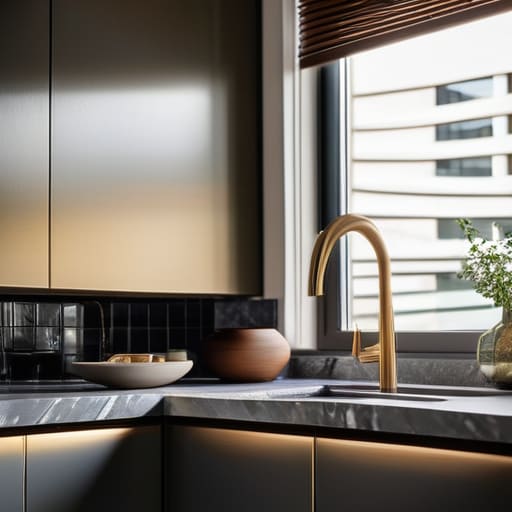
I was standing in a gutted kitchen in a fixer-upper last Tuesday, staring at a set of mid-century cabinets that looked like they’d seen better decades. Most “design gurus” would tell you that a full custom cabinetry overhaul is the only way to save a room like that, but honestly? That’s just a fast track to bleeding your renovation budget dry. I’ve seen too many amateur investors blow their entire margin on expensive wood because they didn’t realize that the right cabinet hardware can do the heavy lifting for them. You don’t need a total gut job to create a high-end feel; you just need to stop overpaying for things that don’t actually move the needle on your property value.
I’m not here to sell you on some overpriced, trendy aesthetic that will look dated by next season. Instead, I’m going to show you exactly how I select pieces that bridge the gap between “cheap flip” and “designer home.” We’re going to talk about weight, finish, and placement—the real technical details that turn a standard renovation into a high-ROI asset.
Table of Contents
- Upgrading Kitchen Aesthetics Without Breaking the Bank
- Modern Kitchen Cabinet Accents for Maximum Roi
- The Investor’s Cheat Sheet: 5 Hardware Rules for a High-Margin Flip
- The Bottom Line: Hardware as a Strategic Asset
- The ROI of the Small Details
- The Bottom Line on Hardware
- Frequently Asked Questions
Upgrading Kitchen Aesthetics Without Breaking the Bank
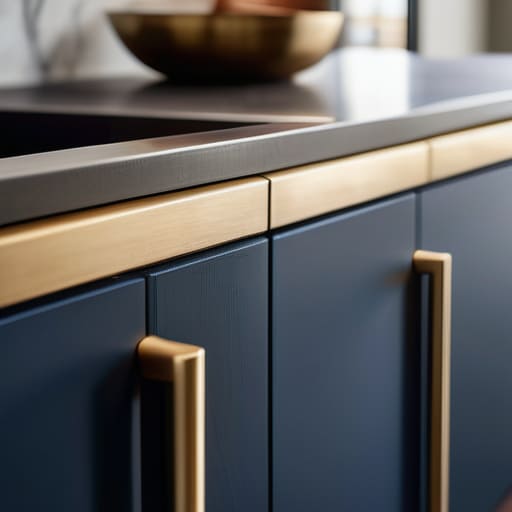
When I’m walking through a property that’s clearly been neglected, I’m not looking at the outdated backsplash or the chipped laminate; I’m looking at the bones. If the layout works, you can perform a massive facelift without touching a single sledgehammer. One of my favorite ways to handle upgrading kitchen aesthetics on a tight budget is to focus on the touchpoints. If the cabinets are structurally sound but look like they belong in 1994, don’t bother replacing the boxes. Instead, swap out the old, dated pulls for something that feels intentional.
The real trick to making a budget renovation look high-end is choosing the right finish. Right now, I’m seeing a huge shift in cabinet hardware trends 2024, where people are moving away from the overly polished looks of the past. You’ll often find yourself debating brushed nickel vs matte black hardware; while nickel is a safe, classic bet, matte black offers that sharp, industrial edge that makes a kitchen feel custom. Just make sure you’re measuring center to center distance before you order anything, or you’ll end up drilling unnecessary new holes in your beautiful new doors.
Modern Kitchen Cabinet Accents for Maximum Roi
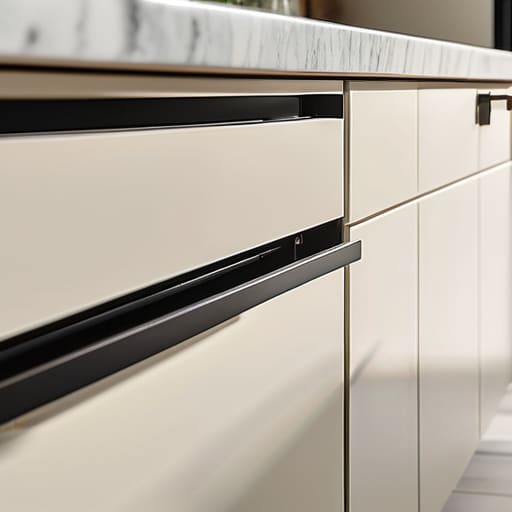
When I’m walking through a property, I’m looking for those small, high-impact pivots that signal “luxury” to a potential buyer. Right now, modern kitchen cabinet accents are doing a lot of the heavy lifting in mid-range flips. If you want to tap into current buyer psychology, you have to look at the finish. While I still see a lot of dated chrome, the real money is in the contrast. I’ve been leaning heavily into the brushed nickel vs matte black hardware debate, and for most of my industrial-chic renovations, matte black is the clear winner. It provides that sharp, intentional line against lighter cabinetry that makes a kitchen look curated rather than just “remodeled.”
However, don’t let a trendy finish mask a sloppy installation. If your pulls are crooked or misaligned, the buyer will feel it immediately. Before you order a single piece, grab that laser measurer and double-check your measuring center to center distance on every single door. Nothing kills the ROI of a high-end renovation faster than uneven spacing that makes a custom kitchen look like a DIY disaster.
The Investor’s Cheat Sheet: 5 Hardware Rules for a High-Margin Flip
- Stop buying the “everything” sets from big-box stores. If you want a kitchen to feel custom rather than cookie-cutter, mix your textures—try matte black pulls on shaker cabinets, but keep the finish consistent across the whole room to avoid visual clutter.
- Scale matters more than you think. I’ve seen too many flips where tiny, dainty knobs are placed on massive, heavy drawer fronts, and it makes the whole kitchen look cheap. Go for longer, substantial pulls to give the cabinetry a sense of weight and quality.
- Don’t ignore the “touch points.” If you’re aiming for a high-end feel, avoid hollow or lightweight hardware that rattles when you pull it. Real weight in a handle translates to a sense of durability in a buyer’s mind, even if the cabinets underneath are budget-friendly.
- Alignment is your best friend. There is nothing that screams “amateur DIY” like crooked handles. I always keep my laser measurer handy for this; ensure your spacing is mathematically perfect, or the eye will catch the error immediately, even if they can’t pin down why the kitchen feels “off.”
- Think about the “after-market” look. Choose finishes that are trending but not volatile. While I love a good mid-century brass moment, avoid overly experimental shapes that might date the house in three years. You want hardware that looks like it belongs in a timeless, well-curated home.
The Bottom Line: Hardware as a Strategic Asset
Stop thinking of handles as just decor; treat them as a high-leverage tool to distract buyers from dated cabinetry and drive up perceived value.
Prioritize weight and texture—investing in solid brass or matte black finishes over hollow, lightweight alternatives is the fastest way to signal quality in a walkthrough.
Consistency is your best friend for a professional finish; stick to a cohesive hardware theme across the kitchen and surrounding living areas to make the renovation feel intentional rather than patched together.
The ROI of the Small Details
“If you’re trying to squeeze every ounce of equity out of a flip, stop obsessing over the expensive backsplash for a second and look at the hardware. Swapping out generic, builder-grade pulls for something heavy, tactile, and intentional is the fastest way to make a budget kitchen feel like a custom build.”
Gareth Trelawny
The Bottom Line on Hardware
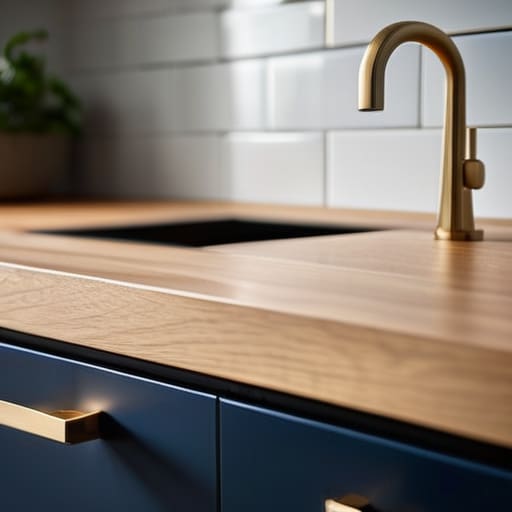
At the end of the day, choosing the right cabinet hardware isn’t about following every fleeting trend you see on Pinterest; it’s about making calculated decisions that serve your bottom line. We’ve talked about how swapping out dated pulls for something more intentional can breathe new life into a kitchen, and how selecting high-quality finishes can mask a budget-friendly cabinet refresh. Remember, your goal is to create a space that feels cohesive and high-end without draining your renovation budget. Focus on the strategic impact of every knob and handle you install, because in this business, those small details are what ultimately drive your appraisal upward.
Don’t let the scale of a renovation intimidate you. It’s easy to get lost in the big-ticket items like countertops or flooring, but I’ve learned through countless job sites that the magic is often in the finishing touches. Real estate investing is a game of margins, and mastering these low-cost, high-impact wins is how you build that solid equity we’re all chasing. Grab your laser measurer, pick out some hardware that actually has some weight to it, and start turning those neglected spaces into profitable assets. You have the eye for it—now go out there and build your portfolio, one detail at a time.
Frequently Asked Questions
How do I know if I should go with a matte black finish or something more classic like brushed brass to ensure the house appeals to the widest range of buyers?
If you’re flipping for maximum resale, play it safe with brushed brass. It’s the “Goldilocks” of hardware—it feels high-end and intentional, but it doesn’t feel like a trend that will look dated in two years. Matte black is punchy and looks great in my personal industrial-chic projects, but it can feel a bit aggressive to some buyers. Stick to the classic finishes to keep the widest net possible for your exit strategy.
Is it worth the extra labor to drill new holes for a different style of handle, or should I just stick to the existing drill pattern to save time on the flip?
Look, if you’re chasing a tight margin, the temptation to stick with the existing holes is real. But here’s the truth: if the current pattern feels dated or forces you into “safe” but boring hardware, drill the new holes. It’s a minor labor cost compared to the value of a cohesive, modern look. A mismatched or awkward layout screams “cheap flip.” Do it right once; don’t let a few drill holes kill your equity.
At what point does spending more on high-end, heavy hardware stop being a smart investment and start eating into my actual profit margins?
Look, there’s a massive difference between “luxury” and “value.” You hit the diminishing returns wall the moment you start buying designer hardware just for the brand name. If you’re spending $50 per pull on a kitchen with mid-range cabinets, you’re just burning equity. Aim for weight and tactile quality—solid brass or matte black steel that feels substantial—but stop once the cost exceeds 1% of your total kitchen budget. If it doesn’t move the needle on the appraisal, it’s a vanity project, not an investment.
