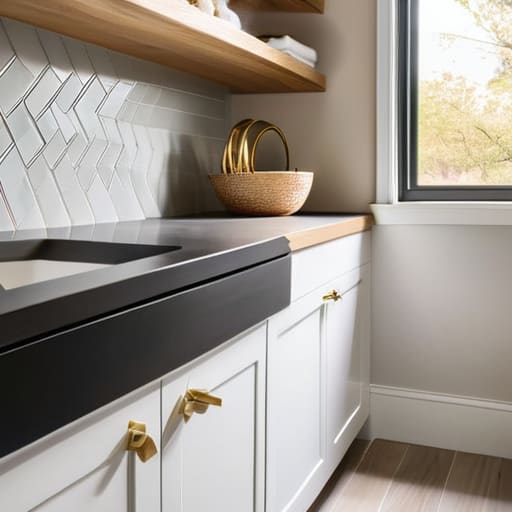
I was standing in the middle of a damp, windowless basement last Tuesday, staring at a stack of mismatched plastic bins and a washing machine that sounded like a jet engine taking off. Most “design gurus” will tell you that a high-end laundry room remodel requires custom Italian cabinetry and a marble backsplash just to be considered successful. Honestly? That’s a load of crap. I’ve seen plenty of investors blow their entire margin on frivolous aesthetics that do absolutely nothing to increase the actual appraisal value of a home.
I’m not here to sell you on a lifestyle magazine fantasy; I’m here to talk about smart equity. In this guide, I’m stripping away the fluff to show you how to approach a laundry room remodel with a developer’s mindset. We’re going to focus on high-impact, functional upgrades—think clever storage solutions and durable finishes—that make a buyer feel like they’re stepping into a luxury space without draining your bank account. I’ll show you how to maximize your ROI by focusing on what actually matters, turning a cluttered utility nightmare into a streamlined, high-value asset.
Table of Contents
- Maximizing Value With Efficient Laundry Room Floor Plans
- Modern Laundry Room Cabinetry Trends That Command Higher Rents
- Five Ways to Squeeze More Equity Out of Your Laundry Space
- The Bottom Line on Laundry Room Equity
- ## The Equity in the Utility Room
- Turning Utility into Equity
- Frequently Asked Questions
Maximizing Value With Efficient Laundry Room Floor Plans
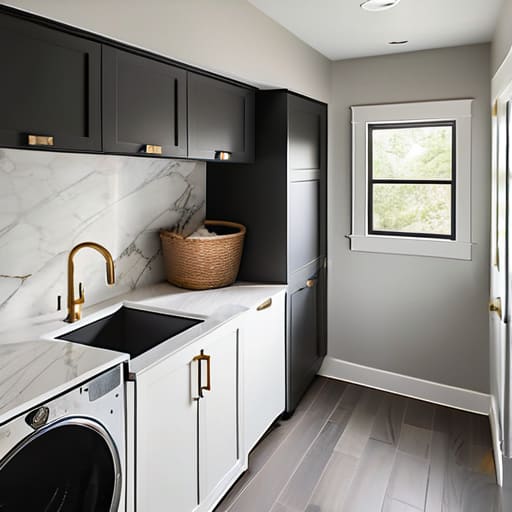
When I’m walking through a fixer-upper, I don’t just look at the aesthetic; I look at the flow. A poorly planned layout can turn a simple chore into a daily headache, which is exactly what kills resale value. To get the most bang for your buck, you need to focus on efficient laundry room floor plans that prioritize movement. If you’re working with a tight footprint, I always recommend a galley-style setup or a single-wall run. This keeps your appliances, sink, and folding station within arm’s reach, preventing that awkward dance around a pile of dirty linens.
Don’t let a cramped space dictate your potential, either. I’ve seen some incredible transformations where smart small laundry room organization turned a dead corner into a high-functioning zone. Think about incorporating verticality; if you can’t expand outward, go up. Integrating custom shelving or even some simple laundry room cabinetry trends—like floating wood tones against a minimalist backdrop—can hide the clutter while adding that high-end, designer feel that buyers crave. It’s about making the space work as hard as you do.
Modern Laundry Room Cabinetry Trends That Command Higher Rents
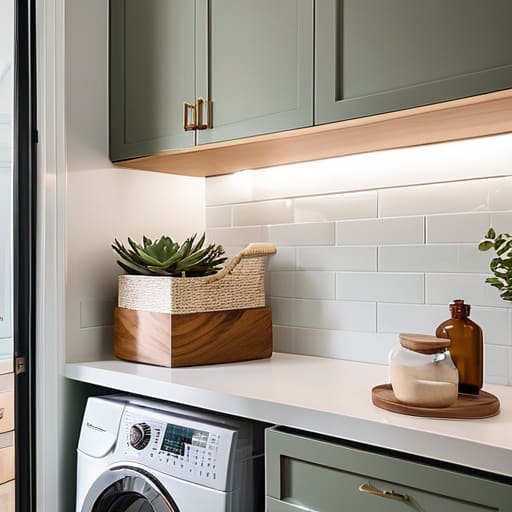
When I’m walking through a fixer-upper, I’m always looking at the cabinetry to see if the previous owner played it safe or played it smart. For a high-yield rental or a quick flip, you want to move away from those dated, builder-grade oak cabinets that scream “1990s suburban basement.” Instead, I’m seeing a massive shift toward flat-panel, minimalist cabinetry in muted tones like sage green or charcoal. These styles feel intentional and high-end without the custom price tag. If you’re working with limited square footage, look into floating shelves or slim-profile cabinets; they keep the space feeling airy while providing essential small laundry room organization that tenants actually value.
Don’t forget that functionality is what drives the rent premium. I always tell my clients to integrate deep, pull-out drawers rather than standard lower cabinets. It’s much easier for a tenant to manage heavy detergent bottles in a drawer than to be on their hands and knees digging in a dark corner. Integrating these laundry room cabinetry trends with clean lines and durable hardware makes the entire utility space feel like a curated part of the home rather than a neglected afterthought.
Five Ways to Squeeze More Equity Out of Your Laundry Space
- Stop treating the laundry room like a dead zone; if you have the footprint, add a folding station or a built-in countertop. It’s a small upgrade that makes the space feel intentional rather than just a place to hide the dirty clothes.
- Lighting is your best friend when you’re dealing with windowless utility closets. Swap out those dim, flickering overheads for bright, recessed LED lighting so buyers can actually see what they’re doing without feeling like they’re in a basement dungeon.
- Don’t skimp on the flooring. While I love a good aesthetic, this area takes a beating from moisture and heavy machines, so go for something durable like luxury vinyl plank that looks high-end but can handle a leak without ruining your ROI.
- Invest in smart storage that hides the chaos. I’m talking pull-out hampers and slim rolling carts that fit between the machines; if a potential buyer can’t see the clutter, they’re more likely to fall in love with the layout.
- Upgrade your plumbing and electrical before you get fancy with the decor. There is nothing that kills a deal faster than an outdated washer hookup or a lack of dedicated outlets for modern, high-efficiency appliances.
The Bottom Line on Laundry Room Equity
Stop treating the laundry area like an afterthought; a smart, functional layout is one of the easiest ways to bump your property’s perceived value during a walkthrough.
Invest in durable, high-end cabinetry that looks expensive but stands up to daily abuse—renters and buyers both want utility that doesn’t look cheap.
Focus on the marriage of aesthetics and workflow, because if a renovation doesn’t make a chore easier, it’s just wasted capital.
## The Equity in the Utility Room
“Stop treating the laundry room like an afterthought; if you treat it like a high-utility workspace instead of a dark corner for junk, you aren’t just fixing a room—you’re building instant equity.”
Gareth Trelawny
Turning Utility into Equity
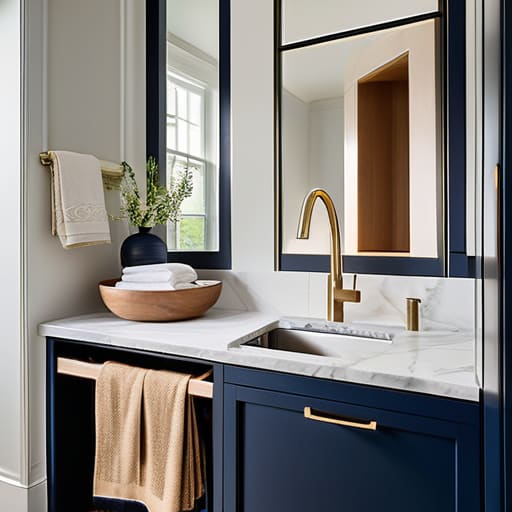
At the end of the day, a laundry room remodel isn’t just about picking out a pretty backsplash or a trendy shaker cabinet; it’s about strategic asset management. We’ve looked at how a smart, efficient floor plan can transform a cramped corner into a functional powerhouse, and how investing in high-quality cabinetry can significantly boost your property’s appeal to high-end renters or buyers. If you focus on these high-impact areas, you aren’t just fixing a room—you are maximizing your return on investment by addressing one of the most overlooked functional spaces in a home.
Don’t let the dust and the inevitable plumbing headaches intimidate you. Every time I step onto a job site and see a gutted, outdated utility space, I don’t see a mess; I see hidden equity waiting to be unlocked. Real estate isn’t about finding the perfect, turnkey property; it’s about having the vision to see what a space could become once you apply some sweat equity and smart design. So, grab your laser measurer, get your contractor on speed dial, and start turning those cramped closets into profitable square footage.
Frequently Asked Questions
How do I decide whether to stick with a side-by-side washer and dryer setup or go for a stacked unit to save floor space?
Look, it comes down to the footprint you’re working with and your target demographic. If you’re flipping a compact condo or a tiny bungalow, go stacked. It frees up floor space for extra cabinetry or a folding station, which adds massive perceived value. But, if you’re renovating a family home where the buyer wants heavy-duty machines, a side-by-side setup with a continuous countertop is king. Always measure twice; that extra counter space is pure gold.
Is it actually worth the extra investment to upgrade my plumbing and electrical while the walls are already open?
If the walls are already open, you’re sitting on a goldmine of opportunity. Do not—I repeat, do not—patch that drywall just to save a few bucks today. Upgrading the guts of the house is the ultimate insurance policy for your investment. New electrical and plumbing prevent catastrophic failures down the line, and they’re massive selling points for savvy buyers. It’s not just a renovation; it’s about securing the structural integrity of your equity.
What kind of durable countertop materials should I choose if I want a folding station that can actually handle heavy daily use?
If you’re building a folding station, don’t even think about cheap laminate; it’ll peel or swell the second a damp basket hits it. I always lean toward quartz for my flips. It’s non-porous, practically indestructible, and handles heavy laundry loads without staining. If you’re on a tighter budget but still want durability, go with a high-quality solid surface. You need something that can take a beating and still look high-end for the next tenant.
