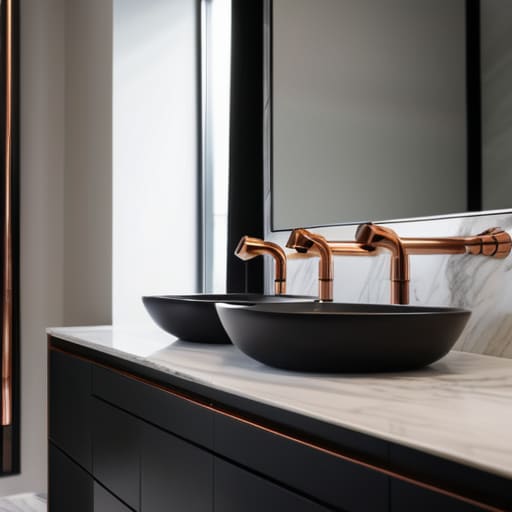
I’ll never forget the smell of stagnant water and old copper that hit me when I first opened the crawlspace of my first fixer-upper. I had spent weeks obsessing over the perfect mid-century modern light fixtures, only to realize the entire house was essentially a ticking time bomb of rusted pipes and failing drains. Most people think they can just slap on a new faucet and call it a day, but if you aren’t serious about strategic plumbing upgrades, you’re just painting over rot. You can have the most beautiful marble countertops in the world, but they won’t mean a thing if your water pressure is pathetic or your pipes are leaching contaminants into the system.
I’m not here to sell you on some overpriced, aesthetic-only renovation that does nothing for your bottom line. My goal is to show you how to identify the specific, high-ROI plumbing upgrades that actually protect your investment and prevent catastrophic failures down the road. I’m going to cut through the contractor jargon and give you the straight truth on what’s worth your capital and what’s just a waste of time. Let’s stop playing house and start building real equity.
Table of Contents
- Modernizing Residential Plumbing Systems for Maximum Resale Value
- Upgrading Old Copper Pipes to Build Solid Equity
- Stop Ignoring the Pipes: 5 Strategic Plumbing Moves to Protect Your Margins
- The Bottom Line on Plumbing ROI
- The Hidden Cost of Cutting Corners
- Don't Let Your Margins Go Down the Drain
- Frequently Asked Questions
Modernizing Residential Plumbing Systems for Maximum Resale Value
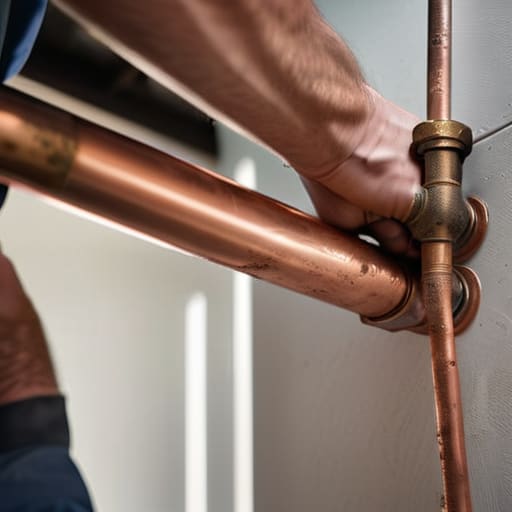
When I’m walking through a potential flip, I’m not just looking at the backsplash or the flooring; I’m listening. If I hear a faint hiss behind the drywall or see a yellowish tint in the guest bathroom, my internal alarm goes off. Modernizing residential plumbing systems isn’t just about aesthetics; it’s about erasing the “hidden” red flags that scare off serious buyers during an inspection. If you’re looking at an older property, don’t just patch the leaks. I always advocate for upgrading old copper pipes or replacing outdated galvanized steel if the signs of corrosion are there. It’s a heavy lift upfront, but it’s the difference between a smooth closing and a buyer demanding a massive credit.
Beyond the heavy-duty structural work, I look for ways to integrate water efficiency upgrades that appeal to the modern, eco-conscious buyer. Installing low-flow, high-performance fixtures is a low-cost way to add value without a massive overhaul. I’ve also seen a huge uptick in interest when I mention smart plumbing technology, like leak detection sensors that connect to a smartphone. It’s about selling peace of mind. You aren’t just selling a house; you’re selling a home that won’t flood the kitchen the moment someone forgets to turn off a faucet.
Upgrading Old Copper Pipes to Build Solid Equity
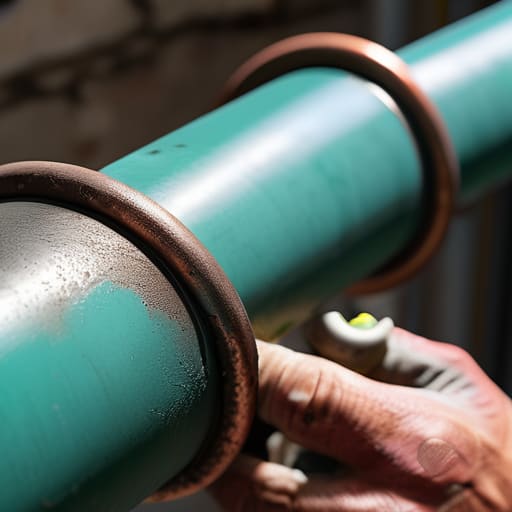
Look, I’ve walked into enough houses to know that seeing shiny, new faucets doesn’t mean a thing if the guts of the house are rotting. If you’re staring at a property with aging copper lines, don’t just think about the aesthetic; think about the liability. While copper is technically durable, decades of corrosion and pinhole leaks can turn a profitable flip into a financial sinkhole overnight. Upgrading old copper pipes isn’t just about fixing what’s broken; it’s about replacing outdated, brittle systems with high-quality PEX or newer copper configurations that give buyers peace of mind.
When I’m calculating my margins on a new project, I treat these deep-wall fixes as non-negotiable. You can’t build long-term wealth on a foundation of leaky infrastructure. Investing in these structural changes during your initial phase of home renovation plumbing improvements saves you from the nightmare of a post-closing emergency call. It’s about shifting the narrative from “this house might have issues” to “this house is turnkey and reliable.” That distinction is exactly where your equity lives.
Stop Ignoring the Pipes: 5 Strategic Plumbing Moves to Protect Your Margins
- Stop playing whack-a-mole with tiny leaks. If you see signs of corrosion or slow drains during your walkthrough, budget for a full system overhaul. It’s much cheaper to replace the lines now than to face a catastrophic burst mid-renovation that eats your entire profit margin.
- Don’t skimp on the fixtures just to save a few bucks at the big-box store. I always swap out dated, crusty faucets for something with a clean, minimalist aesthetic. It’s a low-cost way to make a bathroom feel high-end and “move-in ready” during a showing.
- Check the water heater’s age immediately. If that tank is sitting there looking rusty or is over a decade old, swap it out for a modern, high-efficiency unit. It’s one of those “invisible” upgrades that buyers actually check, and it gives them peace of mind that they won’t be dealing with a flood in their first month.
- Upgrade the shut-off valves while the walls are already open. There is nothing more unprofessional than a contractor or a new homeowner struggling with a seized-up valve during an emergency. Installing modern, easy-to-turn quarter-turn ball valves is a tiny investment that screams quality craftsmanship.
- Pay attention to the drainage slope. If you’re dealing with an older property where the floor drains or toilets feel “off,” don’t just mask it with a new toilet. Ensure the pitch is correct. A slow drain is a massive red flag during a home inspection that can kill a deal instantly.
The Bottom Line on Plumbing ROI
Don’t get cute with aesthetics when it comes to what’s behind the walls; prioritize replacing outdated, corroded piping over fancy fixtures if you want to protect your margins and avoid a post-sale nightmare.
Treat plumbing as an equity builder, not just a maintenance cost—upgrading to modern, high-efficiency systems is one of the most effective ways to turn a “fixer-upper” into a premium listing.
Always inspect the bones before you pick out the faucets; a beautiful vanity won’t save your profit if you’re fighting constant leaks and low water pressure during the inspection period.
The Hidden Cost of Cutting Corners
“New buyers don’t care how pretty your backsplash is if they’re staring at a puddle under the kitchen sink a month after closing. Stop treating plumbing as an afterthought; if you want to protect your margins, you fix the bones of the house before you start picking out the paint colors.”
Gareth Trelawny
Don't Let Your Margins Go Down the Drain
At the end of the day, plumbing isn’t the “sexy” part of a renovation that shows up in glossy magazine spreads, but it is the backbone of a profitable flip. We’ve covered why you can’t afford to ignore outdated copper, why modernizing your residential systems is non-negotiable for resale, and how these behind-the-wall upgrades directly protect your bottom line. If you skip these steps to save a few bucks upfront, you aren’t saving money—you’re just handing a massive liability to your next buyer. A house with beautiful quartz countertops but failing pipes is a house that won’t pass inspection, and an inspection failure is the fastest way to kill your ROI.
Building a real estate portfolio is about more than just aesthetics; it’s about structural integrity and smart, strategic decision-making. It’s easy to get distracted by paint colors and light fixtures, but the real wealth is built in the guts of the home. When you invest in high-quality plumbing, you aren’t just fixing a leak; you are securing your equity and building a reputation as a serious investor. So, grab your laser measurer, get into the crawlspace, and do the work. It might be messy, but turning those crumbling systems into reliable, modern assets is exactly how you build lasting wealth.
Frequently Asked Questions
How do I decide if it's worth replacing the entire stack or if I can just patch up specific leaks to save my margins?
Look, I get it—every dollar spent on a stack is a dollar taken away from your finishings. But here’s the reality: if you’re just patching leaks in an aging, corroded stack, you’re essentially putting a designer band-aid on a broken limb. If the pipe shows systemic degradation or multiple leak points, rip it out. Don’t gamble your margins on a callback or a catastrophic failure three months after closing. Replace the stack; protect your equity.
Are there specific high-end fixtures that actually move the needle on resale value, or is it all just about what's behind the walls?
Look, what’s behind the walls is your foundation, but the fixtures are your closing argument. You can’t hide a mediocre bathroom behind high-end pipes. I always tell my clients: invest in “touchpoints.” Think matte black widespread faucets, rainfall showerheads, or a sleek, high-efficiency dual-flush toilet. They’re tactile. When a buyer turns that heavy, quality handle, they feel the value. Don’t go overboard on gold leaf, but high-quality, modern hardware signals a premium renovation.
At what point does a plumbing issue stop being a minor fix and start becoming a massive "red flag" that will scare off potential buyers?
Look, if you’re just swapping out a leaky faucet or a loose handle, don’t sweat it. But the moment you see water staining on a ceiling, smell sewage, or find yourself replacing sections of pipe every single month, you’ve hit a red flag. If the issue is systemic—like a cracked main sewer line or widespread galvanized corrosion—it’s no longer a “quick fix.” It’s a deal-killer that will send buyers running.
