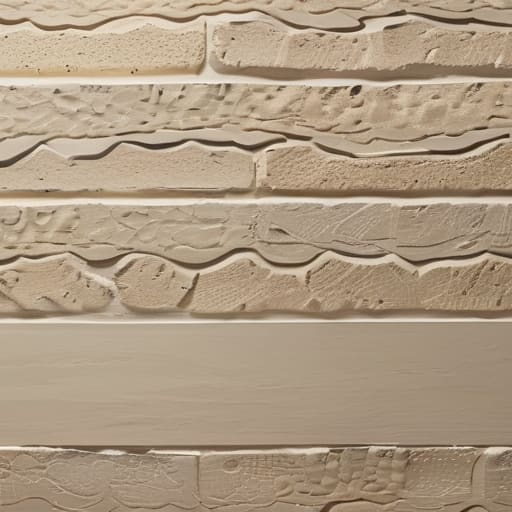
I remember standing in the middle of a dusty living room in a 1970s ranch I was eyeing for a flip, feeling the grit of popcorn ceilings under my fingertips. The sunlight hit the walls at just the right angle, revealing a nightmare of uneven, heavy-handed wall texture that made the whole space look cheap and dated. Most “experts” would tell you that you need to hire a specialist crew and drop thousands to skim coat the entire house just to get a smooth finish. Honestly? That’s a total waste of your renovation budget. I’ve learned the hard way that you don’t need to blow your margins on cosmetic perfection when you can work smarter with what you’ve got.
In this guide, I’m stripping away the fluff and giving you the actual, boots-on-the-ground truth about managing different finishes. I’m going to show you how to identify which textures are worth fixing and which ones you can simply paint your way out of to maximize your ROI. No expensive consultants, no unnecessary demolition—just the straight-up strategies I use to turn those ugly, bumpy surfaces into high-value assets.
Table of Contents
The High Cost of Outdated Popcorn Ceiling Removal

Look, I’ve walked into enough mid-century fixer-uppers to know that nothing kills the vibe of a high-potential room faster than a heavy, acoustic-tile ceiling. Everyone wants to talk about interior wall design trends, but they often forget that the ceiling is the fifth wall. When you’re looking at a property with those dated, bumpy surfaces, you have to realize that popcorn ceiling removal isn’t just a cosmetic chore—it’s a significant line item in your rehab budget.
The real cost isn’t just the labor; it’s the hidden mess. If you’re dealing with an older home, you’re constantly playing a high-stakes game of “is this asbestos?” If it is, your budget just doubled before you even pick up a scraper. Even if it’s safe, the dust from scraping is relentless, often requiring you to seal off entire sections of the house. You have to weigh that expense against the ROI. In my experience, moving from those old textures to a clean, smooth vs textured walls comparison is almost always worth the hit to your initial cash flow because it makes the entire space feel modern and expensive.
Smooth vs Textured Walls Choosing Your Profit Margin
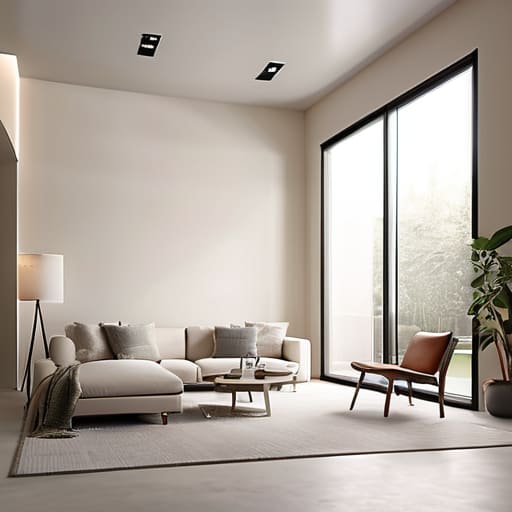
When you’re staring at a room in a fixer-upper, you have to decide if you’re playing the long game or chasing a quick flip. If you’re looking to appeal to the broadest possible buyer pool, the answer is almost always going to be smooth vs textured walls in favor of the former. In today’s market, smooth surfaces are the gold standard; they feel intentional, clean, and high-end. While some might argue that adding decorative wall coatings adds character, most modern buyers see heavy texture as a way to hide poor craftsmanship or aging drywall.
However, I’ve learned that “smooth” doesn’t have to mean “boring” or “expensive.” If you’re working with a tighter budget, you don’t always need to sand everything down to a razor edge. Sometimes, utilizing specific plaster wall techniques can create a sophisticated, matte finish that looks custom without the astronomical labor costs of a full skim coat. My rule of thumb? If the texture looks like it was applied in 1985, rip it out. If it’s a subtle, intentional finish, keep it and focus your capital elsewhere.
Pro Tips for Navigating the Messy World of Wall Finishes
- Always test for asbestos before you go tearing into old knockdown or popcorn textures; I’ve seen too many investors blow their entire profit margin on specialized hazardous waste disposal because they got impatient.
- Don’t chase perfection on every single wall; if you’re flipping a mid-range property, a clean orange peel texture is often enough to hide minor imperfections without the massive labor cost of a full skim coat.
- Use your laser measurer to check for straightness before you commit to a smooth finish, because if your studs are bowed, a flat matte wall will act like a spotlight for every single structural flaw.
- Invest in high-quality primer after you’ve patched or skim-coated, otherwise that new texture will soak up your expensive paint unevenly and make the whole room look amateurish.
- Look for “hidden” equity in heavily textured rooms; sometimes a simple, professional skim coat can transform a dated, dingy space into a high-end minimalist canvas that justifies a much higher asking price.
The Bottom Line on Wall Textures
Don’t let a little texture intimidate you; the goal isn’t perfection, it’s choosing a finish that maximizes your ROI without blowing your renovation budget.
Popcorn ceilings are a massive red flag for many buyers, so if you’re looking for a quick equity boost, scraping that old grit is one of the smartest moves you can make.
Always prioritize smooth finishes in high-end target markets, as they provide that clean, minimalist look that modern buyers will pay a premium for.
The Hidden Margin in the Details
“When you’re walking through a fixer-upper, don’t just see a messy, bumpy wall; see an opportunity to strip away the cheap, dated layers and reveal the clean, high-end lines that actually drive a sale.”
Gareth Trelawny
The Bottom Line on Walls and Value
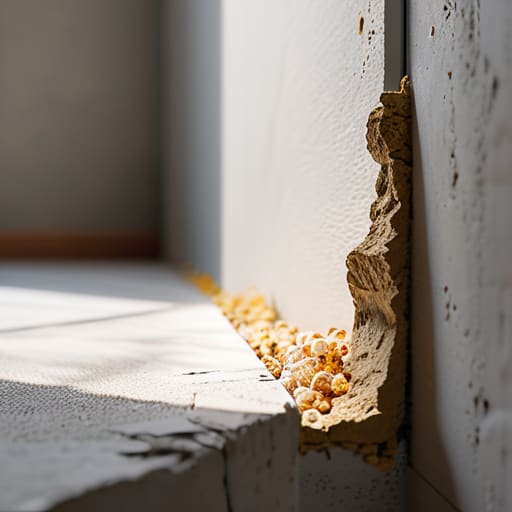
At the end of the day, your choice in wall texture isn’t just about aesthetics; it’s a calculated move in your investment strategy. Whether you’re deciding if that popcorn ceiling is worth the labor cost or if a smooth finish will yield a higher ROI for your flip, you have to look past the immediate mess. Remember that every layer of old, peeling texture is essentially hidden equity waiting to be reclaimed. Don’t get distracted by the dust and the drywall mud; stay focused on how these surface-level decisions impact your final profit margin when you eventually close the deal.
Renovations are rarely pretty while they’re happening, and I’ve spent more than my fair share of afternoons covered in plaster dust just to get a single room right. But that’s the secret to this game: the people who build real wealth are the ones willing to roll up their sleeves when things get gritty. Don’t let a few ugly walls intimidate you or make you second-guess your vision. If you can see the potential beneath the imperfections, you are already ahead of the curve. Now, grab your laser measurer, get to work, and go turn those crumbling walls into solid assets.
Frequently Asked Questions
Is it actually worth the money to skim-coat old knockdown texture, or should I just rip it all out and start fresh?
Look, if you’re chasing maximum ROI, skim-coating is usually the smarter play. Ripping everything out is a massive, dusty undertaking that can blow your budget and timeline faster than you can say “demolition permit.” Skim-coating knockdown gives you that clean, modern look without the structural headache. Unless the substrate is absolutely trashed or hiding something nasty, don’t overcomplicate it. Save the heavy sledgehammer work for when the bones actually require it.
How do I know if a wall's texture is hiding serious structural issues like cracks or moisture damage?
Don’t let a thick layer of knockdown or orange peel fool you—texture is the perfect camouflage for trouble. If you see cracks that look like spiderwebs or follow a straight line, that’s more than just settling; it’s a red flag for structural shifts. And if the texture feels soft or looks discolored, you’re likely looking at moisture damage hiding behind the finish. Always grab a moisture meter; don’t let a pretty surface mask a money pit.
When I'm flipping, should I go with a completely smooth finish or stick to a subtle texture to keep the renovation costs down?
Look, if you’re hunting for maximum ROI, smooth is king. Buyers today see smooth walls as “high-end” and “modern,” which helps you justify that higher asking price. However, if your budget is bleeding out, a very subtle knockdown texture can hide imperfections without looking cheap. My rule of thumb? If you’re aiming for a luxury flip, go smooth. If it’s a quick rental turnaround, a light texture saves you labor costs.
