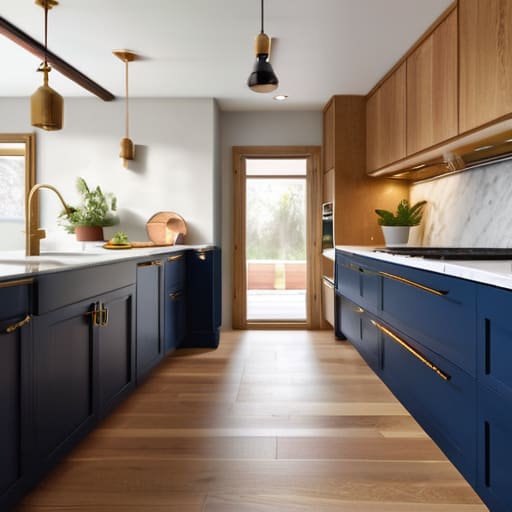
I was standing in a kitchen last Tuesday—a fixer-upper I just picked up in the suburbs—staring at these heavy, honey-oak carcasses that looked like they belonged in a 1992 sitcom. The contractor I was talking to was already sketching out a quote for a full gut job, talking about tearing out every single stud and replacing the entire layout. Honestly? It made my blood boil. That kind of “all or nothing” mentality is exactly how investors lose their margins. You don’t always need to demolish the bones of a house to fix the aesthetic; sometimes, you just need to realize that cabinet refacing is the smartest way to salvage your budget while still delivering that high-end, modern look.
I’m not here to sell you on some magic DIY miracle or a way to hide structural rot with a thin layer of veneer. I’m here to give you the unfiltered truth about when this strategy actually builds equity and when it’s just throwing good money after bad. I’ve spent years on job sites learning exactly where the line is drawn between a savvy renovation and a waste of capital. By the end of this, you’ll know how to spot a quality job and how to use this shortcut to maximize your ROI without the headache of a total kitchen demolition.
Table of Contents
A Smart Kitchen Remodel Cost Comparison
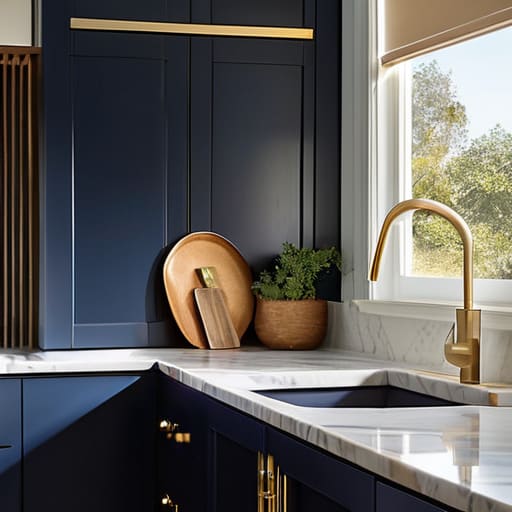
When I’m walking through a property and looking at the numbers, I always run a quick kitchen remodel cost comparison before I even talk to a contractor. If I’m looking at a quick flip, the math is pretty brutal: a full gut job—ripping out everything from the floor to the ceiling—can easily swallow 15-20% of my entire renovation budget. On the flip side, a kitchen cabinetry facelift lets me keep the structural bones that are still perfectly sound while completely changing the visual impact for a tiny fraction of that price.
In a head-to-head battle of refacing vs replacing cabinets, the winner is almost always decided by your ROI goals. Replacing everything is a massive undertaking that involves demolition dust, plumbing shifts, and weeks of living in a construction zone. However, if you opt for professional cabinet resurfacing, you’re essentially getting that high-end, custom look without the high-end price tag. It’s about being strategic; I’d much rather spend that saved cash on high-quality quartz countertops or updated lighting that actually moves the needle on the final sale price.
Refacing vs Replacing Cabinets Choosing Equity Over Waste
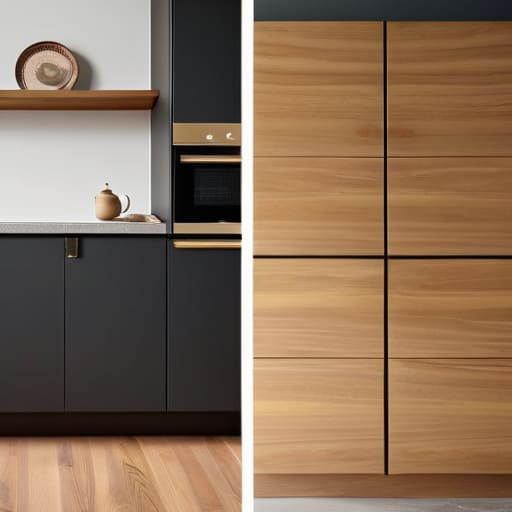
When you’re staring at a set of dated, honey-oak carcasses, the instinct is often to rip everything out and start fresh. But as someone who looks at every project through the lens of ROI, I have to tell you: that’s often a massive mistake. The debate of refacing vs replacing cabinets usually comes down to one thing—how much of the actual structure is still sound? If the boxes are sturdy and level, tearing them out is just throwing money down the drain. A professional cabinet resurfacing can give you that high-end, custom look without the soul-crushing expense of a full demolition.
Instead of chasing every fleeting modern kitchen aesthetic trend that requires a complete gut job, I prefer a more surgical approach. By keeping the existing frames and simply updating the doors and drawer fronts, you’re performing a strategic kitchen cabinetry facelift that keeps your budget focused on high-impact areas like quartz countertops or new lighting. It’s about being smart with your capital. You get the durable cabinet finishes and the clean lines you want, while keeping your renovation timeline—and your sanity—on track.
5 Ways to Maximize Your ROI Without Tearing Out Every Cabinet
- Check the bones before you buy the finish. I’ve seen people spend thousands refacing cabinets only to realize the boxes were rotting from a slow leak. Before you commit to new doors, open every single drawer and check for structural integrity; if the carcasses are soft, refacing is just putting expensive lipstick on a pig.
- Don’t overlook the hardware upgrade. If you’re refacing, you have a golden opportunity to swap out those dated, clunky pulls for something more contemporary—think matte black or brushed brass. It’s a low-cost move that makes the entire kitchen feel intentional rather than just “patched up.”
- Stick to timeless finishes to protect your resale value. When I’m flipping, I avoid the “trendy” trap. Skip the high-gloss navy or the overly distressed farmhouse look; instead, go for clean, neutral tones that appeal to the widest possible pool of buyers when it’s time to exit the investment.
- Invest in high-quality door profiles. If you’re refacing, the door is the star of the show. Don’t skimp here by choosing cheap, thin MDF doors that warp after one season. Spend the extra bit on solid wood or high-grade materials that feel heavy and substantial when you close them.
- Match your lighting to your new aesthetic. A kitchen refit can look cheap if you’re still using that one lonely, yellowing overhead light. Once the cabinets look fresh, swap in some under-cabinet LED strips or a modern pendant; it pulls the whole “new kitchen” illusion together and makes the space feel premium.
The Bottom Line on Your Kitchen ROI
Don’t let vanity projects kill your margins; if the cabinet boxes are structurally sound, refacing is the fastest way to modernize the space without the massive price tag of a full gut job.
Focus your renovation budget where it actually moves the needle—use the money you save on cabinets to upgrade high-impact items like quartz countertops or new hardware.
Think like an investor, not just a decorator; the goal isn’t just a “pretty” kitchen, it’s a strategic upgrade that maximizes your property’s resale value while keeping your renovation costs under control.
## Maximizing Your Margin
“In this business, profit is found in the gap between what a house looks like and what it could look like. If the cabinet boxes are structurally sound, tearing them out is just throwing money away; refacing is how you manufacture that visual transformation without bleeding your renovation budget dry.”
Gareth Trelawny
Making the Call
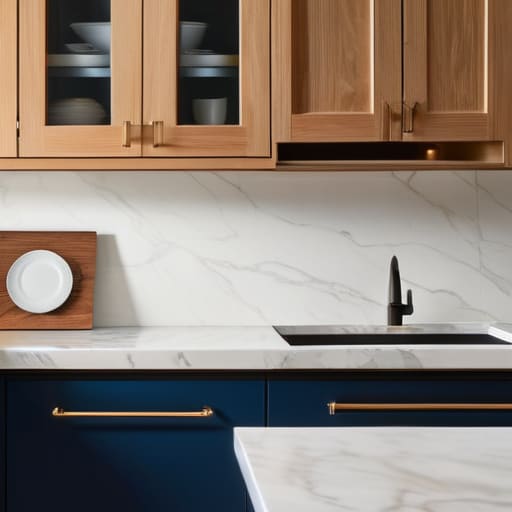
At the end of the day, choosing between a full gut job and refacing comes down to one thing: your bottom line. We’ve looked at how the numbers stack up, and the reality is that you don’t need to tear out perfectly good carcasses to get a high-end look. If the structural bones of your cabinets are solid, a full replacement is often just throwing money down the drain that could be better spent on higher-impact upgrades like quartz countertops or updated lighting. Refacing gives you that fresh, modern aesthetic and a massive boost to your home’s perceived value without the massive headache—and the massive bill—of a total kitchen overhaul.
Look, I know the idea of a massive renovation can feel overwhelming, especially when you’re trying to play the long game with your finances. But remember, building a real estate portfolio isn’t about making the most expensive moves; it’s about making the smartest moves. Don’t let the fear of a “small” project stop you from seeing the big picture. Whether you’re prepping a house for market or just upgrading your own space, focus on the ROI. Stop chasing perfection and start chasing equity. Grab your measuring tape, look at what you’ve already got, and start building that wealth one smart decision at a time.
Frequently Asked Questions
How do I know if my current cabinet boxes are actually sturdy enough to be refaced, or if they're too far gone?
Before you commit, grab that laser measurer and get hands-on. Open every door and drawer. If you see sagging hinges, crumbling particle board, or any sign of water damage—especially near the sink—run. If the boxes are structurally sound and level, refacing is a goldmine. But if the carcasses are soft or warped, you’re just putting expensive lipstick on a pig. In that case, a full replacement is the only way to protect your investment.
Does refacing actually hold up against heavy daily use, or will the new doors start peeling after a year?
Look, I get the skepticism. I’ve seen cheap DIY jobs fall apart in six months, but professional refacing isn’t a “band-aid” fix. When you use high-quality thermofoil or professional-grade wood veneers, they’re built to handle the chaos of a real kitchen. As long as you aren’t blasting the new doors with heavy steam or abrasive chemicals, they’ll hold up just fine. It’s about investing in quality materials upfront so your equity doesn’t peel away.
If I'm looking for the best ROI, should I focus on changing the door style or just updating the finish and hardware?
If you’re chasing maximum ROI, don’t overthink it: prioritize the finish and hardware first. Changing the door style is a bigger job that can sometimes backfire if the new aesthetic doesn’t vibe with the existing box construction. However, a high-quality spray finish paired with modern, heavy-duty hardware can make an old kitchen look brand new for a fraction of the cost. It’s about smart cosmetic upgrades that drive perceived value without the heavy lifting.
