
I still remember the smell of damp drywall and old sawdust from my first solo flip—a tiny, neglected bungalow that most people wouldn’t have looked at twice. My hands were blistered, my designer clothes were ruined, and I was pretty sure I’d made a massive mistake. But as I stood there, staring at a stripped-back living room that was finally seeing the light of day, I realized I wasn’t just fixing a house; I was building my own future. That’s the raw reality of sweat equity. It isn’t some polished, Instagram-ready lifestyle where you just snap photos of marble countertops; it is exhausting, messy, and incredibly rewarding work that turns a liability into a massive win.
I’m not here to sell you a fantasy of effortless wealth or some “get rich quick” scheme involving magic renovation hacks. Instead, I’m going to give you the actual, boots-on-the-ground blueprint for how to leverage your own labor to build real value. We are going to talk about how to identify high-potential wrecks and, more importantly, how to manage the grit required to turn sweat equity into tangible, long-term wealth.
Table of Contents
Renovating to Build Wealth One Room at a Time
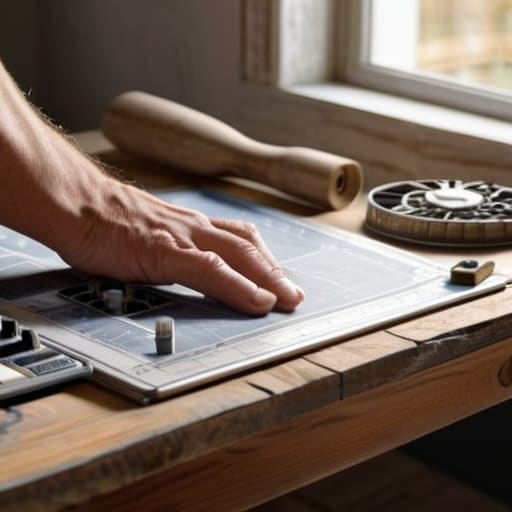
When I’m walking through a property that looks like a total disaster, I don’t see the peeling wallpaper or the cracked floorboards as setbacks. I see them as opportunities to stack cash. The secret isn’t just about buying low; it’s about knowing exactly where to apply your energy to see the highest return. I always start with a rigorous home improvement cost-benefit analysis before I even pick up a hammer. You have to be surgical about it. If you spend three weeks sanding a floor that’s beyond saving, you’ve wasted time that could have been spent on a high-impact kitchen refresh.
I tend to prioritize the “wet rooms”—the kitchen and bathrooms—because that’s where the math actually works in your favor. It’s a game of maximizing your return on every hour spent. By tackling the demolition and tiling yourself, you’re effectively shifting the budget from contractor fees straight into higher-end finishes. This isn’t just about making a house look pretty for a listing; it’s one of the most effective real estate investment strategies for anyone looking to bridge the gap between a modest budget and a massive equity jump.
Smart Real Estate Investment Strategies for the Patient Builder

If you’re playing the long game, you have to stop looking at a house as just a place to live and start seeing it as a series of math problems. The most successful real estate investment strategies I’ve used don’t rely on luck; they rely on a brutal, honest home improvement cost-benefit analysis. Before I even pick up a sledgehammer, I’m sitting on my floor with a notepad, calculating whether the time I spend tiling a backsplash will actually yield a return, or if I’m just wasting my weekend. You have to distinguish between “pretty” upgrades and those that actually move the needle on your appraisal.
I also lean heavily into the owner-builder advantages whenever the project scale allows. By taking on the demolition, the prep work, or even the basic painting myself, I’m effectively shifting the budget from high-priced labor toward higher-quality materials. It’s all about managing that balance between labor vs material costs to ensure every dollar spent is working toward my bottom line. It isn’t always glamorous, and my hands are usually covered in drywall dust, but that’s how you build a portfolio from the ground up.
My Rules for Not Burning Cash While Building Value
- Master the high-impact, low-cost cosmetic fixes first. I’m talking about fresh paint, updated hardware, and lighting—things that make a room feel expensive without requiring a structural engineer.
- Don’t touch what you can’t fix. If a plumbing issue requires a licensed pro, call them. Trying to play plumber when you don’t know what you’re doing is the fastest way to turn a profitable flip into a money pit.
- Source your soul (and your savings) from the thrift circuit. A mid-century modern sideboard found at a garage sale can add more character and perceived value to a living room than a generic piece from a big-box retailer.
- Learn to read a floor plan like a map. Before you swing a sledgehammer, use that laser measurer to ensure your “open concept” dream doesn’t accidentally compromise the structural integrity or the flow of the house.
- Focus on the “money rooms.” If your budget is tight, pour your sweat equity into the kitchen and the primary bathroom. Those are the rooms that drive appraisal values and make buyers fall in love.
The Bottom Line: Turning Grit into Equity
Stop waiting for the “perfect” turnkey property; the real money is hidden behind peeling wallpaper and outdated layouts that most buyers are too scared to touch.
Focus your budget on high-impact, strategic renovations rather than chasing every design trend, because your goal is increasing appraisal value, not just making a room look pretty.
View every messy, stressful renovation as a classroom—the sweat equity you put in today is the foundation for the generational wealth you’ll hold tomorrow.
The Real Value of Grit
“Don’t let a lack of capital stop you; a thick layer of dust and a weekend of hard labor are often worth more than a bank loan when you’re trying to manufacture instant equity.”
Gareth Trelawny
The Bottom Line
At the end of the day, building a real estate empire through sweat equity isn’t about having a bottomless bank account; it’s about knowing how to leverage your time and your vision. We’ve talked about how strategic, room-by-room renovations can steadily climb your equity ladder and why patience is your most valuable tool when navigating a messy job site. It’s easy to get overwhelmed by a cracked foundation or outdated electrical, but if you focus on high-impact, smart upgrades rather than chasing every shiny new trend, you’ll keep your margins healthy. Remember, every hour you spend with a sander in your hand or a paintbrush in your grip is an hour you are directly transferring value from your labor into your net worth.
Real estate can feel intimidating when you’re looking at a crumbling fixer-upper, but don’t let the dust scare you off. The most successful investors I know aren’t the ones who started with a silver spoon; they are the ones who weren’t afraid to get a little dirt under their fingernails to find the diamond in the rough. Stop waiting for the “perfect” market or a massive windfall to land in your lap. Grab your tools, trust your eye for potential, and start turning those dilapidated spaces into solid assets. The equity is waiting for you—you just have to go out there and build it yourself.
Frequently Asked Questions
How do I know when a project is worth my own time versus just hiring a contractor to get it done faster?
Look, there’s a fine line between building equity and burning out. I use a simple rule: if the task requires a specialized license—think electrical or structural—I hire a pro immediately. Don’t risk your investment (or your safety) on a DIY mistake. But if it’s cosmetic, like painting, tiling, or installing that mid-century vanity I found, I do it myself. If the labor saves you more than the contractor’s fee, grab your tools.
What are the biggest mistakes beginners make when trying to add value through DIY renovations?
The biggest mistake? Overestimating your skill set and underestimating the timeline. Beginners often dive into complex plumbing or electrical work to save a buck, only to end up paying a pro double to fix their mess. I also see people obsessing over “trendy” finishes that won’t actually drive resale value. If you’re DIYing, stick to high-impact, low-risk tasks like painting or flooring. Don’t let a botched kitchen remodel eat your entire profit margin.
How do I accurately calculate the potential equity gain before I even pick up a hammer?
Before you even touch a single tool, you need to run the numbers with surgical precision. I always start with a “Comps” deep dive—finding three comparable, renovated homes in the immediate area that sold recently. Subtract your estimated renovation budget and acquisition costs from that projected After Repair Value (ARV). If the spread doesn’t leave enough room for a decent profit margin and a safety buffer, walk away. Don’t guess; let the data dictate your move.
