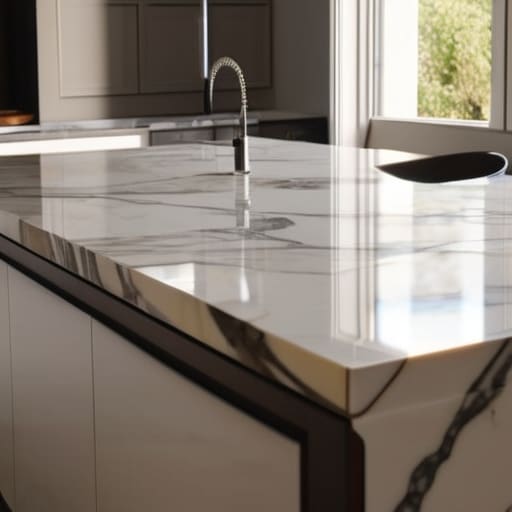
I was standing in a dusty kitchen in a mid-century ranch last Tuesday, staring at a slab of Calacatta marble that cost more than my first car. The homeowner was convinced this was the “secret sauce” to a high-end flip, but all I saw was a massive drain on the ROI. People treat countertop selection like it’s a high-stakes fashion show, thinking they need the most expensive stone to impress a buyer. Honestly? That’s a rookie mistake. If you’re pouring your entire renovation budget into a surface that stains the second someone spills a drop of red wine, you aren’t investing; you’re just burning cash.
I’m not here to sell you on a lifestyle brand or a luxury showroom fantasy. My goal is to show you how to pick surfaces that actually work for your bottom line. In this guide, I’m stripping away the marketing fluff to give you the real-world math behind durable, high-impact materials. We’re going to talk about finding that sweet spot where aesthetic appeal meets maximum equity, ensuring your next project looks expensive without actually costing you the profit you worked so hard to build.
Table of Contents
- Natural Stone vs Engineered Stone Picking the Real Winners
- The True Cost of Countertop Installation and Long Term Value
- Five Rules for Picking Surfaces That Actually Make You Money
- The Bottom Line: Maximizing Your ROI
- The Investor's Rule for Surfaces
- The Bottom Line on Your Surfaces
- Frequently Asked Questions
Natural Stone vs Engineered Stone Picking the Real Winners
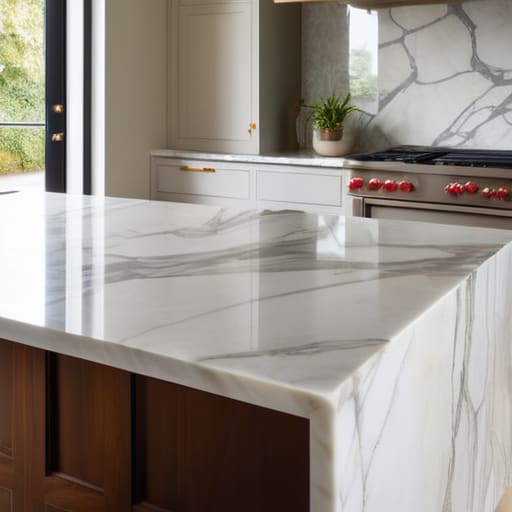
When you’re staring down a kitchen countertop materials comparison, it’s easy to let the “pretty factor” cloud your judgment. Natural stone, like granite or marble, is the gold standard for high-end aesthetics. There is nothing quite like the unique veining of a real slab to give a property that “wow” factor during a walkthrough. However, if you’re looking for the best countertops for high traffic kitchens, you need to account for the reality of daily life. Natural stone is porous; it’s going to need regular sealing, or you’ll be dealing with permanent wine stains before the first closing date.
On the flip side, engineered stone—specifically quartz—is the pragmatic investor’s best friend. It’s incredibly consistent and practically indestructible, which is exactly what you want when you’re aiming for a quick flip. While the initial cost of countertop installation might be slightly higher for premium quartz, the lack of intensive upkeep makes it a winner for resale. In my experience, if you want to minimize post-renovation headaches and maximize your ROI, engineered stone usually wins the battle of durability versus maintenance.
The True Cost of Countertop Installation and Long Term Value
When you’re running the numbers on a flip, you have to look past the initial sticker shock and focus on the long-term ROI. It’s easy to get caught up in the cost of countertop installation during the bidding phase, but if you cheap out on low-grade laminate just to save a few hundred bucks, you’re going to pay for it when the next buyer sees the water damage or the scratches. I’ve seen too many investors try to squeeze every penny out of a budget only to realize they’ve actually devalued the entire kitchen by choosing something that looks cheap under bright lighting.
If you want to build real equity, you need to prioritize durable kitchen surfaces that can stand up to a family’s daily chaos. I always tell my clients to think about the resale buyer: they want something that looks high-end but doesn’t require a PhD in stone care to maintain. Investing a bit more upfront in a quality quartz or a well-sealed granite isn’t just a design choice; it’s a strategic move to ensure your renovation actually holds its value once the dust settles and the closing papers are signed.
Five Rules for Picking Surfaces That Actually Make You Money
- Stop chasing trends that will look dated in two years; stick to timeless neutrals like quartz or granite so your resale value doesn’t tank the moment a new design fad hits.
- Always check the edge profile before you sign the contract, because a complex, custom edge might look high-end, but the extra labor costs will eat directly into your renovation margins.
- Don’t get seduced by the “luxury” label on showroom floor samples; bring a sample piece to the actual site to see how it reacts to the kitchen’s lighting, or you’ll end up with a color you hate.
- Prioritize durability over pure aesthetics if you’re flipping; if a buyer can scratch the surface with a kitchen knife during their first week, they’re going to regret the purchase and blame the house.
- Factor in the sink cutout and faucet holes early in the selection process, because changing your mind on a deep farmhouse sink after the stone is templated is a fast way to blow your budget.
The Bottom Line: Maximizing Your ROI
Stop chasing high-end trends that don’t scale; focus on durable, mid-range materials like quartz that offer the best balance of “wow factor” and budget protection.
Always factor in the installation labor and potential substrate repairs before you sign a contract, or you’ll watch your profit margins vanish into the subfloor.
Invest in surfaces that appeal to the widest possible buyer pool rather than your personal aesthetic if your goal is a quick, profitable flip.
The Investor's Rule for Surfaces
“Stop treating your kitchen remodel like a personal design showcase; if you’re picking a countertop that looks incredible but eats 15% of your projected margin, you aren’t renovating, you’re just subsidizing your own taste at the expense of your equity.”
Gareth Trelawny
The Bottom Line on Your Surfaces
At the end of the day, picking a countertop isn’t about chasing the latest trend on Pinterest; it’s about strategic decision-making. You’ve weighed the durability of engineered stone against the prestige of natural marble, and you’ve factored in the actual labor costs that can sink a budget if you aren’t careful. Remember, every dollar you spend on a slab needs to work twice as hard for you when it comes time to sell. If a high-end material doesn’t directly translate to a higher appraisal or a faster sale, it’s just an expensive mistake. Keep your eyes on the return on investment, not just the aesthetic.
Renovation is messy, loud, and often incredibly frustrating, but that’s exactly where the opportunity lives. When you walk into a gutted kitchen and see the potential for a stunning, high-value workspace, you’re seeing the foundation of your future equity. Don’t let the overwhelming number of choices paralyze you. Trust your eye, stick to your budget, and choose surfaces that reflect a sense of quality without breaking your bank. You aren’t just installing counters; you are building wealth, one square foot at a time. Now, grab your laser measurer and get to work.
Frequently Asked Questions
Should I prioritize high-end aesthetics to attract buyers, or stick to durable, low-maintenance materials that won't require immediate replacement?
Look, if you’re flipping, don’t get caught in the “luxury trap.” You aren’t building your forever home; you’re building an asset. If you go too high-end, you’re just subsidizing the next owner’s lifestyle with your profit margin. Aim for the sweet spot: high-durability engineered stone that looks expensive but can handle a heavy-handed tenant. You want the “wow” factor in photos, but you need materials that won’t crack before you close the deal.
How much of my renovation budget should I realistically cap for countertops before I start eating into my projected profit margins?
Look, if you’re flipping, your countertop budget shouldn’t exceed 5% to 8% of your total renovation spend. I’ve seen too many investors blow their margins chasing a slab of Calacatta marble that looks great in photos but offers zero ROI. You want high-impact, durable surfaces—think quality quartz—that scream “luxury” without the custom-carved price tag. Don’t let a pretty kitchen sink your entire profit margin before you even hit the closing table.
Are there specific countertop styles or colors that are currently trending but might feel dated by the time I'm ready to flip the property?
Avoid the “trend traps.” Right now, everyone is obsessed with dramatic, heavy veining in quartz, but that’s a gamble. If you go too bold, you’re designing for yourself, not the buyer. I stick to the neutrals: creamy whites, subtle greys, or classic salt-and-pepper patterns. You want a surface that acts as a canvas for the buyer’s decor, not a centerpiece that screams “2024” the moment they walk through the door.
